Table of Contents
- Introduction
- Understanding the Roots of Facial Dryness
- Dry vs. Dehydrated: Which One Are You?
- The Foundation of Recovery: Gentle Cleansing
- The Power of the Phyto-Aromatic Mist
- Deep Hydration with Targeted Serums
- Choosing the Right Moisturizer for Your Needs
- Weekly Rituals: The Mask and the Exfoliator
- Protecting the Eye and Lip Areas
- Lifestyle Adjustments to Support Your Ritual
- Professional Guidance for Lasting Results
- Conclusion
- FAQ
Introduction
That uncomfortable, tight sensation that greets you in the morning or the persistent flaking that disrupts your makeup application is more than just a seasonal nuisance. Dry skin on the face can feel like a constant battle against the elements, leaving your complexion looking dull, rough, or older than your years. At Yon-Ka Paris, we believe that addressing dryness is not about quick fixes or harsh "hacks," but about restoring the skin’s natural harmony through a dedicated, botanical ritual. In this article, we will explore the underlying causes of facial dryness, the difference between lacking oil and lacking water, and the professional-grade steps you can take to reclaim a soft, supple, and radiant glow. By understanding how to support your skin’s delicate barrier with phyto-aromatic care, you can transition from temporary relief to long-term skin health.
Understanding the Roots of Facial Dryness
Before you can effectively stop dry skin, you must understand why it happens. Dryness is often a sign that your skin's protective barrier—the stratum corneum—is compromised. This outer layer acts as a shield, keeping vital moisture in and environmental irritants out. When this shield weakens, moisture evaporates at an accelerated rate, a process known as transepidermal water loss (TEWL).
Biological and Genetic Factors
Some individuals are simply born with a skin type that produces less sebum (natural oil) than others. Sebum is essential because it creates a lipid film on the surface that traps moisture. As we age, our sebaceous glands naturally become less active. This is why many people notice their skin becoming significantly drier in their 40s, 50s, and beyond. Hormonal shifts can also play a major role in how much oil our skin produces, leading to sudden changes in texture and comfort.
Environmental Triggers
The world around us is often unfriendly to our skin’s moisture levels. In the winter, low humidity and biting winds strip the face of its natural oils. Indoors, artificial heating creates a parched environment that sucks moisture right out of the dermis. Conversely, excessive sun exposure during the summer can damage the skin's barrier function, leading to chronic dryness and premature signs of aging.
Lifestyle Habits
Sometimes, the very habits we think are helping our skin are actually hurting it. Washing your face with hot water might feel relaxing, but it can dissolve the essential lipids that keep your skin soft. Similarly, using harsh soaps or over-exfoliating with abrasive scrubs can create microscopic tears in the barrier, making it nearly impossible for the skin to retain the hydration you apply afterward.
Quick Answer: To stop dry skin on your face, switch to a gentle, non-foaming cleanser, apply moisture to damp skin, and use a combination of humectants (to draw in water) and lipids (to seal it in). Consistency in a layered ritual is more effective than any single heavy cream.
Dry vs. Dehydrated: Which One Are You?
One of the most common mistakes in skincare is treating dry skin and dehydrated skin the same way. While they feel similar, they require different approaches.
Dry skin is a skin type. It lacks oil (lipids). If your skin feels rough, looks flaky, and rarely experiences breakouts or visible pores, you likely have a dry skin type. You need oil-rich products that replenish the lipid barrier.
Dehydrated skin is a temporary condition. It lacks water. Even oily skin can be dehydrated. If your skin feels tight but still looks shiny, or if you notice fine "crinkle" lines when you move your face, you are likely dehydrated. You need water-rich humectants that bind moisture to the skin cells.
Key Takeaway: Most people struggling with "dryness" actually need a combination of both water-based hydration and oil-based nourishment to fully restore their complexion.
The Foundation of Recovery: Gentle Cleansing
The first step in stopping dry skin is ensuring you aren't stripping it during the cleansing process. Many traditional cleansers use sulfates or high-pH formulas that disrupt the skin’s acid mantle. When the acid mantle is disturbed, the skin becomes vulnerable to redness and further moisture loss.
We recommend moving away from foaming gels and toward a sophisticated milk cleanser like Lait Nettoyant. This gentle cleansing milk is designed to remove makeup and impurities while respecting the skin’s natural oils. Because it is enriched with borneol and plant-based cleansing agents, it leaves the skin feeling soft and refreshed rather than "squeaky clean," which is often a sign of over-cleansing.
Step 1: The Cool Rinse Always wash your face with lukewarm or cool water. Hot water is a solvent that removes the very oils your dry skin is desperate to keep. Pat your skin dry with a soft towel—never rub, as the friction can irritate the delicate surface of dry skin.
The Power of the Phyto-Aromatic Mist
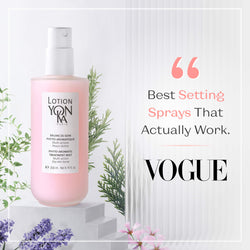
In the Yon-Ka ritual, the toning step is never about "stripping" the skin. Instead, it is about preparing the skin for the treatments that follow. Our signature Lotion Yon-Ka PS is a phyto-aromatic mist that goes beyond simple toning.
This mist features our iconic Quintessence—a blend of lavender, geranium, rosemary, cypress, and thyme essential oils. These oils are 100% natural and active, working to revitalize the appearance of the skin while providing a sensorial experience that calms the mind. Applying a mist before your serum or moisturizer is a professional secret: damp skin is far more permeable than dry skin, allowing your subsequent products to absorb more deeply.
Deep Hydration with Targeted Serums
If your skin feels chronically tight, a basic moisturizer may not be enough. This is where a targeted serum or "booster" becomes essential. Serums contain smaller molecules that can penetrate the surface layer more effectively than heavy creams.
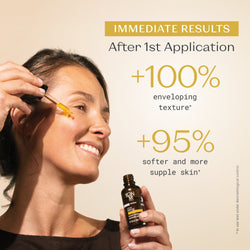
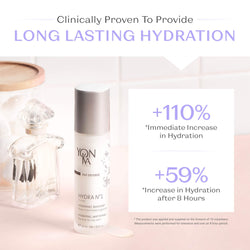
For intense hydration, look for products featuring hyaluronic acid. This powerhouse molecule can hold up to 1,000 times its weight in water, acting like a sponge for your skin. Our Hydra N°1 Serum is a long-lasting, deep-hydrating serum that provides an immediate burst of moisture. It’s an ideal choice for those who feel their skin is constantly thirsty.
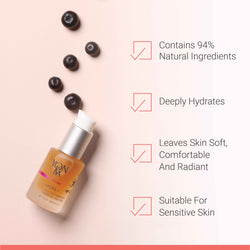
If your skin is truly dry (lacking oil), you may need to introduce lipids. Serum Omega is a lipid-restoring oil-in-serum that provides essential fatty acids. These lipids fill in the gaps between your skin cells, smoothing the appearance of the skin and creating a robust seal that prevents water from escaping.
Choosing the Right Moisturizer for Your Needs
A moisturizer serves two purposes: it delivers active ingredients and it creates a protective occlusive layer on the surface. For dry facial skin, the texture and ingredients of your cream matter immensely.
For Daily Comfort
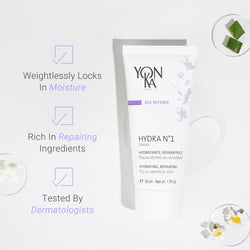
A cream like Hydra N°1 Creme is designed for those with very dry or sensitive skin. It uses a combination of hyaluronic acid, shea butter, and hazelnut oil to nourish and protect. It doesn't just sit on top of the skin; it works to support the appearance of a repaired barrier over time.
For First Signs of Aging
Dryness often makes fine lines look more pronounced. Élastine Nuit is a specialized night cream that uses peptides to smooth the appearance of the skin while you sleep. By focusing on nourishment at night, you allow the skin to focus on its natural repair cycle without environmental stressors.
For Firming and Revitalizing
If your dry skin also looks "tired" or lacks tone, Phyto 52 is a firming cream enriched with rosemary. It provides a revitalizing effect that helps the skin appear more lifted and vibrant, while the nourishing base ensures that dryness is kept at bay.
Weekly Rituals: The Mask and the Exfoliator
While it may seem counterintuitive to exfoliate dry skin, removing dead skin cells is actually necessary. If dead cells pile up, your expensive serums and creams cannot reach the living tissue beneath. However, you must avoid harsh physical scrubs.
The Gentle Peel
We suggest a grain-free approach. Gommage Yon-Ka is a botanical polish that removes dead skin cells without any abrasive particles. It uses citrus extracts and carob to gently lift away debris, leaving the skin smooth and ready to absorb hydration.
The Hydration Soak
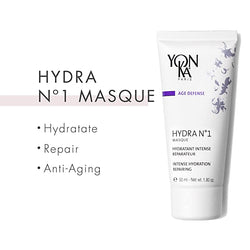
Once or twice a week, treat your face to a moisture bath. Hydra N°1 Masque is a gel-cream mask that can even be left on overnight for intense repair. It provides a concentrated dose of moisture that helps to stop the cycle of flaking and redness.
Protecting the Eye and Lip Areas
The skin around your eyes and lips is the thinnest on your entire body and has almost no oil glands. This is usually the first place people notice dry patches.
To address puffiness and dryness simultaneously, Phyto-Contour is a professional favorite. Its rosemary-infused formula helps the eye area look more awake and hydrated. For the lips, always ensure you are using a balm that contains natural waxes and oils rather than petroleum-based products that can sometimes create a "dependency" cycle without providing real nourishment.
Lifestyle Adjustments to Support Your Ritual
Skincare doesn't end at the bathroom vanity. To truly stop dry skin on your face, you must consider your environment and internal health.
- Invest in a Humidifier: Especially during the winter months, a humidifier adds moisture back into the air of your bedroom. This significantly reduces the amount of water your skin loses while you sleep.
- Watch Your Diet: Your skin needs healthy fats to build its barrier. Incorporate foods rich in Omega-3 fatty acids, such as walnuts, flaxseeds, and fatty fish.
- Hydrate from Within: While drinking water isn't a direct cure for dry skin, chronic dehydration will eventually show up on your face. Aim for consistent water intake throughout the day.
- Check Your Laundry Detergent: Sometimes the fragrance in your detergent or fabric softener can transfer from your pillowcase to your face, causing irritation and dryness. Switch to free and clear versions if you notice persistent sensitivity.
Professional Guidance for Lasting Results
While a home ritual is the cornerstone of skin health, professional treatments can provide a reset for severely dry skin. Our heritage is rooted in the spa, and our Hydralessence treatment is designed to help deeply dry, dehydrated skin feel soft and comfortable again. You can find a certified professional near you using our Spa Locator.
If you are unsure which products are right for your specific level of dryness, our Best Face Moisturizers for Dry, Dehydrated Skin guide can help you compare textures and routines. It is a useful next step when you want to match your skin’s needs more precisely.
Note: When introducing new botanical products, we always recommend a patch test on your inner forearm for 24 hours. Introduce one new product at a time to ensure your skin welcomes the active essential oils. A slight, brief tingling can be normal as the phyto-aromatic ingredients work, but persistent redness means you should consult your aesthetician or reduce frequency.
Conclusion
Stopping dry skin on your face is an achievable goal when you move away from "miracle" products and embrace a consistent, layered ritual. By choosing gentle cleansers like Lait Nettoyant, layering hydration with Lotion Yon-Ka PS, and sealing it all in with lipid-rich creams, you provide your skin with the tools it needs to protect itself. This phyto-aromatic approach, pioneered by Yon-Ka Paris since 1954, balances scientific efficacy with the profound power of nature. We believe that caring for your skin should be a moment of wellness, a daily ritual that leaves you feeling as good as you look. Explore our best-selling dry skin essentials and rediscover the comfort of a truly nourished complexion.
Bottom line: Hydration is about more than just cream; it’s about a sequence of steps that respect the skin's barrier and provide both water and oil.
FAQ
How often should I moisturize if my skin is very dry?
You should moisturize at least twice a day—once in the morning and once before bed. For those with extremely dry skin, applying a hydrating mist like Lotion Yon-Ka PS followed by a small amount of moisturizer mid-day can provide much-needed relief.
Can I use retinol if I have dry skin on my face?
Yes, but you must be cautious as retinol can increase dryness and flaking. We recommend pairing any active treatment with a high-lipid serum like Serum Omega and ensuring you never skip your moisturizing step to support the skin barrier.
Is hot water really that bad for dry skin?
Yes, hot water acts as a solvent that strips away the natural lipids and sebum that your skin uses to trap moisture. Switching to lukewarm water for cleansing and showering is one of the simplest and most effective ways to stop chronic facial dryness.
What is the difference between a serum and a booster?
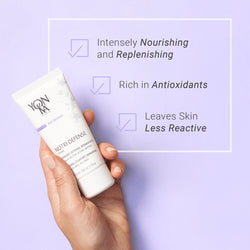
In the Yon-Ka range, a serum like Hydra N°1 Serum is a standalone treatment for deep hydration, while a booster like Nutri + is designed to be mixed into your cream to give it extra nourishing properties. Both are excellent for customizing your ritual to meet the changing needs of your skin.
Should I exfoliate dry skin?
Yes, but you must use a gentle, non-abrasive exfoliator. Removing dead skin cells with a product like Gommage Yon-Ka allows your moisturizers to penetrate better; just limit exfoliation to once or twice a week to avoid over-stimulating the skin.