Table of Contents
- Introduction
- Understanding the "Why" Behind Facial Dryness
- The Difference Between Dry and Dehydrated Skin
- Step 1: Gentle, Barrier-Respecting Cleansing
- Step 2: The Importance of the Phyto-Aromatic Mist
- Step 3: Targeted Treatments and Serums
- Step 4: Moisturizing to Seal and Protect
- Advanced Strategies: Boosters and Masks
- Environmental and Lifestyle Adjustments
- The Professional Edge: Spa Treatments
- A Note on Seasonal Transitions
- Building Consistency
- Conclusion
- FAQ
Introduction
Few things feel as uncomfortable as the sensation of tight, parched skin that seems to pull with every smile or expression. It is a common experience, especially during seasonal shifts or in arid climates, where the skin’s natural radiance gives way to a dull, flaky, or rough texture. At Yon-Ka Paris, we view these moments not as a permanent state, but as a signal from your skin that its delicate barrier is in need of deep, aromatic nourishment. Stopping dry skin on the face requires a transition from "quick fixes" to a consistent, plant-based ritual that respects the skin's biological rhythm. This post will explore the primary causes of facial dryness, the essential botanical ingredients that provide relief, and how to build a comprehensive phyto-aromatic routine to restore your glow. By understanding the intersection of science and nature, you can transform a compromised complexion into one that feels supple and revitalized.
Understanding the "Why" Behind Facial Dryness
Dry skin is often the result of a weakened moisture barrier that fails to retain essential lipids and hydration. Think of your skin’s outermost layer as a brick wall: the skin cells are the bricks, and lipids (oils) are the mortar holding them together. When this "mortar" is compromised by environmental factors, aging, or harsh products, moisture evaporates into the air—a process known as trans-epidermal water loss.
Environmental stressors are frequently the primary culprits. Cold winter air, low indoor humidity from heaters, and even high-velocity winds can strip the face of its natural protective oils. Conversely, excessive sun exposure during the summer can damage the skin's surface, leading to a leathery, dry appearance.
Biological changes play a significant role in how our skin manages moisture. As we mature, particularly in our 40s and beyond, the sebaceous glands produce less sebum. This natural decline in oil production makes the skin more susceptible to external irritants and flakiness. Hormonal shifts during pregnancy or menopause can also disrupt the skin's ability to maintain a balanced moisture level, leading to sudden patches of dryness.
Your daily habits might be inadvertently contributing to the problem. Using extremely hot water during cleansing, utilizing high-pH soaps, or over-exfoliating with physical scrubs can tear the delicate skin barrier. When you strip the skin of its natural oils in an attempt to get it "squeaky clean," you actually trigger a cycle of dehydration that can be difficult to break without the right interventions.
The Difference Between Dry and Dehydrated Skin
It is a common misconception that "dry" and "dehydrated" are the same thing. However, identifying which one you are experiencing is crucial to selecting the right products.
- Dry Skin is a skin type. It lacks oil (lipids). People with this skin type often have small pores and may experience flaking or a rough texture throughout their lives. It requires lipid-rich emollients and nourishing oils to feel comfortable.
- Dehydrated Skin is a skin condition. It lacks water. This can happen to any skin type, including oily skin. It often manifests as "crepey" fine lines, a dull complexion, and a feeling of tightness even if there is oil on the surface. It requires humectants like hyaluronic acid to bind water to the cells.
Key Takeaway: To effectively stop dry skin on the face, you must address both the lack of oil (dryness) and the lack of water (dehydration). A successful ritual uses a combination of humectants to pull moisture in and emollients to seal it in.
Step 1: Gentle, Barrier-Respecting Cleansing
The first step in stopping dry skin is ensuring your cleansing process does not cause further damage. Many traditional foaming cleansers use surfactants like SLS (sodium lauryl sulfate) that are too aggressive for a dry complexion.
Switching to a milk-based or oil-based cleanser is often the most immediate way to see a change in skin comfort. A gentle cleansing milk, such as Lait Nettoyant, allows you to remove makeup and impurities while maintaining the skin's acid mantle. This formula is designed to be creamy and soothing, leaving the skin feeling soft rather than tight.
Always use lukewarm water. Hot water is an effective solvent for oils, meaning it will wash away the very lipids your dry skin is desperately trying to hang onto. When you finish cleansing, avoid rubbing your face with a towel. Instead, gently pat the skin dry to prevent physical irritation.
Step 2: The Importance of the Phyto-Aromatic Mist
In the Yon-Ka ritual, we do not view toning as a step to "strip" the skin, but as a crucial moment of preparation and hydration. After cleansing, the skin's pH can be slightly off-balance, and the surface can be dry.
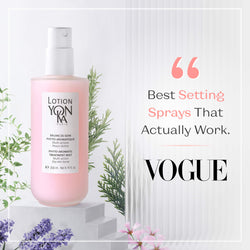
A botanical mist provides an immediate burst of hydration and improves the absorption of subsequent products. Our signature Lotion Yon-Ka PS is alcohol-free and infused with the Quintessence—our exclusive complex of lavender, geranium, rosemary, cypress, and thyme essential oils.
Note: When introducing products with essential oils, we always recommend a brief patch test on your inner forearm for 24 hours. While our formulas are designed for professional-grade safety and efficacy, every individual's skin is unique. A slight, temporary tingling sensation can be a normal sign of the essential oils' activity, but if you experience persistent redness, it is best to reduce the frequency of use.
Step 3: Targeted Treatments and Serums
Once the skin is damp from your mist, it is in the perfect state to receive a concentrated treatment. For those struggling with chronic dryness, a serum or oil-based elixir is non-negotiable.
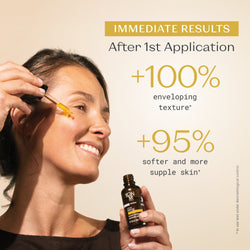
Serums are formulated with smaller molecules that can penetrate more effectively than a heavy cream. If your skin feels particularly brittle or thin, look for lipid-restoring formulas. Serum Omega is an excellent choice here, as it delivers essential fatty acids that mimic the skin’s natural oils. These omegas help to "repair the mortar" between your skin cells, preventing moisture from escaping.
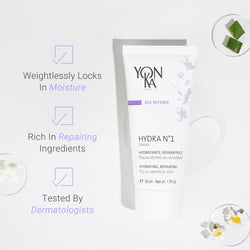
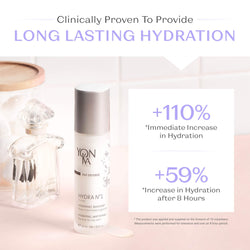
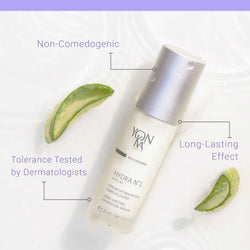
For intense dehydration, look for hyaluronic acid. This powerful humectant can hold up to 1,000 times its weight in water. Using a product from our Hydra N°1 Serum collection ensures that your skin's deep water reserves are replenished. This is especially helpful if you notice your skin looks "deflated" or shows fine dehydration lines around the eyes and mouth.
Step 4: Moisturizing to Seal and Protect
Moisturizing is the final "seal" in your routine. For dry skin, the goal is to provide a protective layer that keeps the environmental elements out and the hydration in.
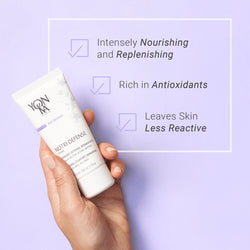
During the day, focus on antioxidant protection and hydration. A day cream like Hydra N°1 Creme provides long-lasting moisture while protecting against environmental stressors. If you live in a high-pollution urban area, Vital Defense is a wonderful alternative, as it specifically targets environmental pollutants that can dry out and age the skin.
At night, your skin enters repair mode, making it the best time for richer formulas. Night is when the skin's permeability is highest, allowing it to soak up more intensive ingredients. Elastine Nuit can help address the first signs of dryness-induced wrinkles, while our more intensive creams provide the nourishment needed to wake up with a supple, glowing complexion.
Advanced Strategies: Boosters and Masks
Sometimes, a standard moisturizer isn't enough to stop the most stubborn dry patches. This is where "boosters" and masks come into play.
The Power of Boosters
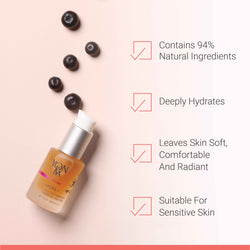
A booster is a concentrated oil or liquid that you can mix directly into your cream to customize its effects. If you find your skin feels dry again by mid-afternoon, try adding a few drops of Nutri + Booster to your morning moisturizer. This nutrient-dense oil provides an extra layer of defense and nourishment without feeling heavy or greasy.
Weekly Masking Rituals
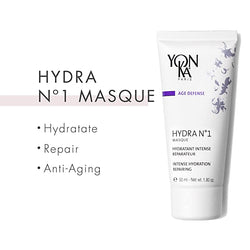
A hydrating mask is like a "drink of water" for your face. Once or twice a week, apply a thick layer of Hydra n°1 Masque before bed. You can even leave it on overnight for an intensive repair treatment. This is particularly effective after a long flight or during a week of extreme cold weather.
Gentle Exfoliation
It may seem counterintuitive to exfoliate dry skin, but if you have a layer of dead, flaky cells sitting on the surface, your expensive moisturizers cannot penetrate. The key is to avoid "scrubs" with jagged beads. Instead, use a grain-free exfoliator like Gommage Yon-Ka. This plant-based "peel" gently lifts away dead skin without any friction or irritation, revealing a smoother surface that is ready to drink in moisture.
Environmental and Lifestyle Adjustments
Skincare is a holistic endeavor. While topically applied products are essential, your environment and habits also dictate how your skin behaves.
- Invest in a Humidifier: Especially in the winter, indoor heating systems create "desert-like" conditions in our homes. Running a humidifier in your bedroom at night can significantly reduce the amount of moisture your skin loses while you sleep.
- Stay Hydrated from Within: While drinking water doesn't "fix" dry skin (which is an oil issue), it is essential for the overall health of your dermis. Complement your water intake with healthy fats, such as avocados, walnuts, and salmon, which provide the building blocks for your skin's lipid barrier.
- Watch Your Diet: High intake of caffeine and alcohol can act as diuretics, potentially worsening skin dehydration. Balance these with herbal teas or water infused with cucumber and mint for a refreshing, skin-friendly alternative.
- Protect Against the Wind: If you are outdoors in cold or windy weather, use a scarf to physically protect your face. This simple barrier can prevent the wind from "wicking" away your skin's natural moisture.
The Professional Edge: Spa Treatments
Sometimes, home care needs a professional "reset." Deeply parched skin can benefit immensely from a professional phyto-aromatic facial. In a spa setting, estheticians can use specialized techniques, such as professional-grade steaming and intensive aromatic compresses, to infuse the skin with moisture far more deeply than can be achieved at home.
We have over 7,000 skincare professionals worldwide who trust our methods to transform the appearance of dry skin. If you find that your home ritual isn't providing the results you desire, visiting a local expert for a personalized skin analysis can be a game-changer. You can find a certified professional near you using our Spa Locator.
A Note on Seasonal Transitions
Your skin is a living organ that reacts to the world around it. This means your routine in July should likely look different from your routine in January.
In the summer, your skin may prefer lighter textures. You might swap a heavy cream for a fluid like Nude Perfect Fluide, which provides hydration with a lighter touch. In the winter, "layering" becomes essential. Think of your skincare like your wardrobe: a mist, followed by a serum, followed by a rich cream, and perhaps topped with a few drops of oil. This multi-layered approach ensures that every level of the skin is addressed and protected.
Building Consistency
The most important factor in stopping dry skin on the face is consistency. A one-time application of a mask will provide temporary relief, but lasting change comes from the daily commitment to a ritual.
Quick Answer: To stop dry skin on the face, replace harsh cleansers with a moisturizing milk, use an alcohol-free botanical mist to prep the skin, apply a lipid-rich serum, and seal everything with a cream containing humectants and emollients. Consistent daily habits and environmental control, like using a humidifier, are essential for long-term results.
By choosing products rooted in phyto-aromatic science, you aren't just "treating" a symptom; you are providing your skin with the botanical building blocks it needs to thrive. Every time you use a Yon-Ka product, the scent of the Quintessence serves as a reminder to slow down and enjoy the ritual of self-care.
Conclusion
Stopping dry skin on the face is a journey of restoration that combines the best of nature’s pharmacy with modern skincare science. By respecting your skin's natural barrier, choosing gentle, oil-rich cleansers like Lait Nettoyant, and layering hydration through mists and serums, you can transform a tight, uncomfortable complexion into one that is radiant and resilient. Remember that your skin is unique, and its needs may shift with the seasons or your lifestyle.
For those who are still unsure which botanical formulas are right for their specific needs, we invite you to take our Skin Diagnosis quiz or use our Product Matcher tool on our website. This will help you create a bespoke ritual tailored to your skin’s unique language. At Yon-Ka Paris, we remain dedicated to the belief that skincare is more than a chore—it is a vital ritual of wellness, built on 70 years of French phyto-aromatic expertise and a deep respect for the power of plants.
"True beauty is the outward reflection of inner balance and well-nourished skin."
Begin your journey to hydration today by exploring our Intensive collection, designed specifically to quench and comfort even the most parched skin.
FAQ
Why is my face still dry even though I moisturize every day?
If your face remains dry despite moisturizing, you may be using a product that doesn't match your skin's needs, or you might have a buildup of dead skin cells preventing absorption. Ensure you are using a moisturizer with both humectants to draw in water and emollients to seal it in, and consider using a gentle exfoliator like Gommage Yon-Ka once a week to clear the surface.
Can I stop dry skin by just drinking more water?
While staying hydrated is vital for overall health, drinking water alone is usually not enough to "fix" dry skin on the face. Dry skin is often an oil-deficiency or a barrier-function issue, meaning you need topical lipids and protective creams to prevent the water you drink from evaporating through the skin.
Is it okay to use facial oils if I have dry skin?
Yes, high-quality botanical oils are excellent for dry skin as they help replenish the lipid barrier that prevents moisture loss. Look for "oil-in-serum" formulas like Serum Omega, which are designed to absorb deeply without leaving a greasy residue, providing the essential fatty acids your skin needs to feel soft and supple.
Should I avoid washing my face in the morning if it is very dry?
If your skin is extremely dry, you can sometimes skip a traditional cleanser in the morning and instead refresh your face with a few sprays of Lotion Yon-Ka PS. However, if you use a very gentle, moisturizing milk like Lait Nettoyant, it is perfectly safe to cleanse twice a day as it will actually help to soften and prep the skin for your morning hydration steps.