Table of Contents
- Introduction
- Understanding the Biology of Oily Skin
- The Phyto-Aromatic Approach to Balance
- Step 1: Gentle, Barrier-Respecting Cleansing
- Step 2: The Power of the Phyto-Aromatic Mist
- Step 3: Natural Exfoliation Without Irritation
- Step 4: Balancing Hydration vs. Oil
- Targeted Treatments and Boosters
- The Role of Clay in Natural Oil Control
- Lifestyle Habits for a Matte Complexion
- Myth vs. Fact: Oily Skincare Edition
- Professional Care: The Spa Advantage
- A Legacy of Phyto-Aromatic Expertise
- Conclusion
- FAQ
Introduction
Finding the perfect balance for your complexion can often feel like a delicate dance between achieving a healthy glow and managing an overactive shine. If you frequently find yourself reaching for blotting papers by midday, you are likely searching for ways to manage excess sebum without stripping your skin of its vital moisture. At Yon-Ka Paris, we believe that the most effective way to address skin concerns is by working in harmony with nature's potent botanicals. In this article, we will explore the biological causes of oiliness and provide a refined, phyto-aromatic approach to managing your skin’s appearance. By shifting from aggressive "stripping" methods to a consistent, plant-based ritual, you can support a clear, matte, and radiant complexion.
Quick Answer: Managing oily skin naturally involves using botanical astringents and clay-based treatments that regulate the appearance of sebum without damaging the skin barrier. A consistent ritual of gentle cleansing, phyto-aromatic toning, and non-comedogenic hydration helps maintain a balanced, shine-free look.
Understanding the Biology of Oily Skin
To effectively address the appearance of oiliness, it is essential to understand why your skin produces excess oil in the first place. Sebum is a complex mixture of lipids produced by the sebaceous glands. While often viewed as a nuisance, sebum plays a critical role in your skin's health, providing a protective coating that seals in moisture and defends against environmental stressors.
When these glands become overactive, the result is a shiny surface, enlarged pores, and a higher likelihood of congestion. Several factors contribute to this overactivity. Genetics play a primary role; if your parents had oily skin, you likely will too. Hormonal fluctuations, particularly those involving androgens, can also trigger a surge in oil production.
However, environmental factors and skincare habits are equally influential. Humidity and heat can stimulate the sebaceous glands, leading to that familiar summertime shine. Paradoxically, using harsh, alcohol-based products designed to "remove" oil can actually backfire. When the skin is aggressively stripped of its natural oils, it may respond by producing even more sebum to compensate for the perceived dryness. This creates a cycle of oiliness and dehydration that can be difficult to break without the right botanical intervention. For a broader look at the full lineup, explore our face care collection.
The Phyto-Aromatic Approach to Balance
Our philosophy at Yon-Ka is rooted in the belief that the skin is a living organ that responds best to ingredients it recognizes. Instead of using synthetic chemicals to "de-grease" the face, we utilize the power of four plant sciences: aromatherapy, phytotherapy, aromachology, and marine biology. To learn more about the botanical heritage behind these formulas, visit our ingredients page.
The cornerstone of our formulations is the Quintessence. This exclusive complex of five essential oils—lavender, geranium, rosemary, cypress, and thyme—is designed to provide a multi-faceted approach to skin health. For those looking to manage oily skin naturally, these oils offer specific benefits:
- Rosemary: Known for its toning and revitalizing properties, it helps to purify the appearance of the skin.
- Cypress: Acts as a natural astringent, helping to refine the look of large pores.
- Thyme: Offers potent cleansing and purifying benefits, which are essential for blemish-prone, oily complexions.
- Lavender: Provides a soothing effect, ensuring that the skin remains calm even while being deeply cleansed.
- Geranium: Helps to balance the overall appearance of the skin, promoting a more even and harmonious complexion.
Note: When introducing products containing essential oils into your routine, we recommend performing a patch test on your inner forearm for 24 hours. While a slight, fleeting tingling sensation can be normal, persistent redness or irritation means you should reduce frequency or discontinue use. For severe reactions like facial swelling or difficulty breathing, seek urgent medical care immediately.
Step 1: Gentle, Barrier-Respecting Cleansing
The first step in any ritual designed to address oily skin is cleansing. Many people with oily skin make the mistake of using "squeaky clean" foaming cleansers that contain Sodium Lauryl Sulfate (SLS). These harsh surfactants can disrupt the skin’s acid mantle—the protective film on the surface of the skin—leaving it vulnerable to bacteria and dehydration.
Instead, look for a cleanser that removes excess oil and impurities while maintaining the skin's delicate pH balance. Lait Nettoyant, our iconic cleansing milk, is an excellent choice for those who want a gentle yet thorough cleanse. It respects the skin's lipids while effectively removing makeup and pollution. If you prefer a more refreshing texture, Gel Nettoyant provides a gel-to-foam experience that is soap-free and infused with citrus essential oils to leave the skin feeling invigorated and purified. If you want to compare cleanser options by category, browse our cleansers collection.
How to cleanse effectively:
- Apply your chosen cleanser to damp skin using gentle, circular motions.
- Focus on the T-zone (forehead, nose, and chin), where sebaceous glands are most concentrated.
- Rinse with lukewarm water—hot water can strip the skin and stimulate more oil production.
- Pat dry with a clean, soft towel rather than rubbing.
Step 2: The Power of the Phyto-Aromatic Mist
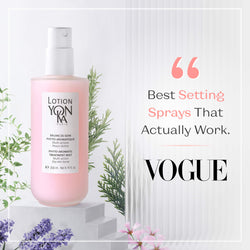
In a traditional skincare routine, toner is often seen as an optional step. In the Yon-Ka ritual, however, our signature mist is foundational. Lotion Yon-Ka PNG (formulated specifically for normal to oily skin) is a phyto-aromatic powerhouse that does much more than simply "tone."
This mist is alcohol-free and saturated with our signature Quintessence. When sprayed onto the skin, it helps to refine the look of pores, balance the appearance of oil, and prepare the skin to better absorb the active ingredients in your subsequent serums and moisturizers. It provides an immediate sensation of freshness and wellbeing, which is the "aromachology" aspect of our approach—the way scents can influence your mood and physiological state.
Using a mist also helps to re-acidify the skin after cleansing, helping it return to its optimal pH level. This is crucial for keeping the skin’s natural defenses strong and preventing the overgrowth of bacteria that can lead to breakouts.
Step 3: Natural Exfoliation Without Irritation
Exfoliation is vital for oily skin because it helps to remove the buildup of dead skin cells that can mix with excess sebum and clog pores. However, physical scrubs with jagged particles (like crushed shells or seeds) can create micro-tears in the skin, leading to inflammation.
For a natural and gentle approach, we recommend Gommage Yon-Ka. This unique, grain-free exfoliator uses plant-based enzymes and carob extract to lift away dead cells without any abrasive friction. It is a 4-in-1 botanical peel that clarifies, hydrates, and balances the skin's appearance.
For those looking for a deeper overnight treatment, Glyconight 10% Masque utilizes natural-origin glycolic acid (an Alpha Hydroxy Acid or AHA) to refine skin texture and reduce the appearance of pores. This helps to promote a smoother, more matte finish by encouraging healthy cellular turnover.
Key Takeaway: Oily skin requires regular exfoliation to prevent pore congestion, but gentle, grain-free methods are superior to harsh physical scrubs, which can trigger more oil production through irritation.
Step 4: Balancing Hydration vs. Oil
One of the most persistent myths in skincare is that oily skin doesn't need a moisturizer. In reality, oil (sebum) is not the same as water (hydration). You can have very oily skin that is also severely dehydrated. When skin lacks water, it becomes tight and uncomfortable, which can actually signal the sebaceous glands to produce more oil to compensate.
The key is to use lightweight, non-comedogenic (pore-clogging) formulas that provide "water-based" moisture.
- Creme PG: This is a specifically formulated cream for very oily skin. It utilizes soy proteins and climbing ivy to help balance the appearance of shine and tighten the look of pores.
- Nude Perfect Fluide: This product acts as a daily "blurring" treatment. It uses 96% ingredients of natural origin to create a soft-focus effect, minimizing the appearance of imperfections while providing a matte finish that lasts all day. It protects the skin against pollution, which can often oxidize sebum and lead to blackheads.
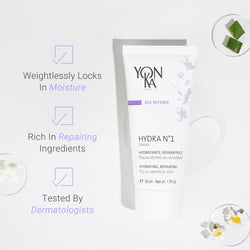
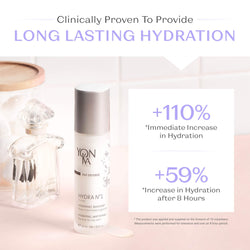
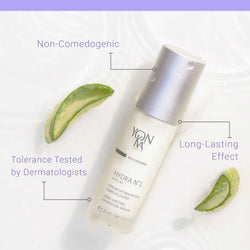
- Hydra N°1 Fluid: For skin that feels both oily and dehydrated, this fluid provides intense hydration using hyaluronic acid without adding any heavy or greasy residue. You can also explore our moisturizers collection to find the right texture for your skin.
Targeted Treatments and Boosters
Sometimes, your skin needs a more concentrated intervention. This is where serums and boosters come into play. If you want to see more concentrated treatments, start with our boosters collection.
If you are dealing with occasional blemishes alongside oiliness, Juvenil is a legendary Yon-Ka formula. It is a non-drying, alcohol-free concentrate rich in ichthyol and essential oils that can be applied directly to imperfections. It helps to purify the skin's appearance and promote faster recovery of the skin's surface.
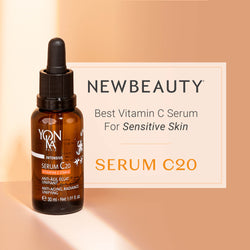
For a comprehensive brightening effect, Serum Vitamine C 20% provides a 20% stable Vitamin C concentration that is 99.9% natural. While Vitamin C is often discussed for anti-aging, it is also excellent for oily skin as it helps to even out skin tone and improve the overall radiance of the complexion without feeling heavy. If you are comparing options by formula type, browse our serums collection.
Bottom line: Hydration is non-negotiable for oily skin. By choosing lightweight, botanical fluids instead of heavy creams, you can keep the skin supple and healthy without contributing to excess shine or congestion.
The Role of Clay in Natural Oil Control
Clay has been used for centuries as a natural remedy for drawing out impurities and absorbing excess oil. It is one of the most effective "natural" ways to remove the look of oily skin.
Masque 103 is a triple-clay mask (containing montmorillonite, bentonite, and kaolin) designed specifically for oily skin types. These clays work together like a vacuum, pulling excess sebum and toxins from the pores. When combined with the purifying essential oils of the Quintessence, this mask leaves the skin looking remarkably clear and matte.
How to use a clay mask effectively:
- Apply a thick layer to a clean face after using your mist.
- Do not let the clay dry until it cracks; this can actually dehydrate the skin.
- Mist your face with Lotion Yon-Ka while the mask is on to keep the clay active and moist.
- Rinse thoroughly with lukewarm water after 15 minutes.
Lifestyle Habits for a Matte Complexion
While a dedicated skincare ritual is the foundation of balanced skin, internal factors also play a significant role. If you are struggling with how to remove oily skin on face naturally, consider these holistic adjustments:
Dietary Choices: Some studies suggest that high-glycemic foods (sugary snacks, white bread, processed carbs) can cause a spike in insulin, which in turn can stimulate oil production. Incorporating more zinc-rich foods, such as pumpkin seeds and legumes, may support skin clarity.
Hydration: Drinking plenty of water helps your body flush out toxins and keeps your skin cells plumped with hydration, which can help regulate the signals sent to your oil glands.
Stress Management: High levels of cortisol (the stress hormone) are closely linked to increased sebum production. Incorporating mindfulness practices or regular exercise can have a calming effect on both your mind and your skin.
Clean Surfaces: Change your pillowcases frequently—ideally every few days. Oil, sweat, and hair products can accumulate on the fabric and transfer back to your face while you sleep. Similarly, ensure your phone screen is cleaned regularly with an alcohol wipe.
Myth vs. Fact: Oily Skincare Edition
Myth: Sun exposure helps "dry up" oily skin and acne. Fact: While the sun may seem to dry out oil initially, it actually causes the skin to thicken and produce more sebum as a defense mechanism. Furthermore, UV damage can darken the appearance of post-blemish marks. Always use a lightweight, oil-free sunscreen like Vital Defense to protect your skin.
Myth: If your face feels oily, you should wash it several times a day. Fact: Over-washing (more than twice a day) can disrupt the skin barrier and lead to reactive seborrhea, where the skin produces even more oil to replace what was lost. Stick to a morning and evening cleanse.
Professional Care: The Spa Advantage
Sometimes, at-home care needs to be supplemented by the expertise of a professional. Yon-Ka was born in the treatment room, and our professional aesthetician partners are trained to analyze your skin's unique needs.
A professional deep-cleansing facial—such as the Le Grand Classique—is a five-step treatment that includes deep pore cleansing, exfoliation, and a specialized massage with essential oils. These treatments can provide a "reset" for oily skin, removing deeply embedded impurities that are difficult to reach with home products alone. If you are looking for long-term results, visiting a professional every 4-6 weeks can significantly improve the texture and clarity of your skin. You can find an authorized partner near you using our Spa Locator.
A Legacy of Phyto-Aromatic Expertise
The journey to balanced skin is not about "fighting" your biology, but about providing your skin with the botanical tools it needs to find its own equilibrium. Since 1954, the Mühlethaler family has championed the idea that skincare is more than just a cosmetic fix; it is a ritual of self-care and a commitment to natural excellence.
Our formulas are 100% French-made, meeting the highest standards of production and safety. We avoid parabens, phthalates, and harsh sulfates, ensuring that your path to a matte complexion is as clean and sustainable as possible.
Whether you are just beginning to explore natural skincare or are a long-time devotee of plant-based beauty, we invite you to experience the difference that 70 years of phyto-aromatic mastery can make. By listening to your skin and treating it with the respect it deserves, you can achieve a complexion that feels healthy, balanced, and beautifully radiant.
Conclusion
Managing oily skin naturally is an achievable goal when you prioritize consistency and high-quality botanical ingredients. By moving away from harsh chemicals and embracing a ritual that includes gentle cleansing, essential oil-infused toning, and lightweight hydration, you support your skin's natural ability to regulate itself. Remember that "oily" is a skin type, not a flaw, and with the right care, it can remain youthful and glowing for years to come.
- Focus on gentle cleansing that protects your acid mantle.
- Use alcohol-free, botanical mists to refine and balance.
- Never skip moisturizer; choose oil-free, hydrating fluids instead.
- Incorporate weekly clay masks to deeply purify.
"Skincare is a ritual worth savoring, a moment of connection between the power of nature and the health of your skin."
If you are unsure which products are right for your specific needs, we invite you to take our Skin Diagnosis quiz or use our Product Matcher to find your perfect ritual. Your journey to balanced, beautiful skin begins with a single, botanical step. Explore our Purifying Collection today to find the essentials mentioned in this article.
FAQ
Can using oils on oily skin actually help?
Yes, certain botanical oils, such as those found in our Quintessence (lavender, geranium, rosemary, cypress, and thyme), can help balance the appearance of the skin. Unlike heavy mineral oils, these essential oils are highly active and can help purify and tone the skin's surface without clogging pores.
How often should I exfoliate if I have oily skin?
Generally, oily skin benefits from exfoliation 2 to 3 times per week to prevent dead skin cells from clogging pores. We recommend using a gentle, grain-free option like Gommage Yon-Ka to ensure you are refining your skin texture without causing the irritation that leads to more oil production.
Will a clay mask make my skin too dry?
A clay mask should not leave your skin feeling tight or parched if used correctly. To prevent dehydration, apply a thick layer and mist it with Lotion Yon-Ka to keep it moist while it works, and always follow with a lightweight moisturizer like Hydra N°1 Fluid.
Why does my skin get oilier throughout the day?
Oil production is often triggered by heat, humidity, and hormonal cycles, but it can also be a reaction to dehydration. If your skin's moisture levels are low, your glands may produce more sebum to protect the surface; using a mattifying fluid like Hydra N°1 Fluid can help manage this shine naturally.