Table of Contents
- Introduction
- Understanding the Causes of Dry, Flaky Skin
- The Foundation of Gentle Cleansing
- How to Exfoliate Dry Skin Safely at Home
- Preparing the Skin with a Phyto-Aromatic Mist
- Targeted Treatments for Lasting Smoothness
- Sealing in Moisture: The Final Barrier
- Essential Oil Safety and Best Practices
- Weekly Maintenance and Lifestyle Habits
- Professional Support for Stubborn Dryness
- Comparison of Exfoliation Methods
- Conclusion
- FAQ
Introduction
Waking up to a complexion that feels tight, looks flaky, or lacks its natural luster can be a frustrating start to the day. When dead skin cells accumulate on the surface, they form a barrier that obscures your natural radiance and prevents your favorite products from performing their best. Learning how to remove dry skin from face at home is not simply about scrubbing away the surface; it is about embracing a restorative ritual that respects the delicate balance of your skin’s moisture barrier. At Yon-Ka Paris, we believe that true skin health comes from a fusion of botanical science and professional expertise. This article covers the most effective, gentle methods to clear away dullness and infuse your skin with deep, lasting hydration. By following a structured phyto-aromatic routine, you can transform a rough texture into a soft, supple canvas.
Understanding the Causes of Dry, Flaky Skin
Before reaching for an exfoliator, it is helpful to understand why those dry patches appear. Your skin naturally undergoes a renewal process called desquamation, where new cells are born in the deeper layers and travel to the surface to eventually shed. This cycle typically takes about 28 to 40 days. However, as we age, or when environmental factors interfere, this process can slow down.
When the shedding process is sluggish, dead skin cells cling to the surface. This buildup can be caused by low humidity, harsh indoor heating, or using cleansers that strip the skin of its essential oils. The result is a complexion that looks "ashy" or uneven. To effectively address this at home, we must look at both the removal of those dead cells and the replenishment of the lipids that keep the skin barrier intact.
The Foundation of Gentle Cleansing
The first step in any routine designed to remove dry skin is a gentle, thorough cleanse. Many people mistakenly reach for aggressive soaps or foaming cleansers that contain sulfates like SLS. These can further dehydrate the skin, making flakiness worse.
A milky, lipid-rich cleanser is the ideal choice for dry or sensitive complexions. By using Lait Nettoyant, you can remove makeup, pollutants, and excess sebum without disrupting the acid mantle. This ensures that the skin is clean and soft, making the subsequent exfoliation step much more effective.
Temperature Matters for Dry Skin
Always use lukewarm water when washing your face. While a hot shower might feel relaxing, high temperatures can melt away the natural fats (ceramides) in your skin that are responsible for locking in moisture. This leads to increased trans-epidermal water loss, leaving your face feeling parched and prone to peeling. Gently splash your face with warm water, massage your cleanser in circular motions, and pat—don't rub—dry with a soft cotton towel.
How to Exfoliate Dry Skin Safely at Home
Exfoliation is the most direct way to remove dry skin, but it requires a careful touch. There are two primary categories of exfoliation: mechanical (physical) and chemical. For those with dry or sensitive skin, the choice of method is critical to avoid redness or irritation.
The Problem with Traditional Scrubs
Many over-the-counter scrubs use crushed nutshells, apricot kernels, or large salt crystals. These can have jagged edges that cause "micro-tears" in the skin. While they might make the skin feel smooth for a moment, they often lead to long-term sensitivity and inflammation.
The Grain-Free Alternative: Gommage
For a professional-level result at home, we recommend a grain-free approach. Gommage Yon-Ka is an iconic, botanical exfoliator that uses a non-abrasive peeling action. It is a 4-in-1 gel that you apply in a thin layer. As it begins to dry, you gently "roll" it off with your fingertips. This mechanical action lifts away dead skin cells and debris without any harsh scratching. It is particularly beneficial for dry skin because it contains carob and lime essential oils to soothe and brighten the appearance of the skin simultaneously.
The Power of Gentle Chemical Exfoliation
Chemical exfoliants use mild acids to dissolve the "glue" that holds dead skin cells together.
- Alpha Hydroxy Acids (AHAs): Ingredients like lactic acid (derived from milk or fruit) or glycolic acid (from sugar cane) are excellent for dry skin because they are often humectants, meaning they help the skin hold onto water while they exfoliate.
- Enzymes: Fruit enzymes from pineapple or papaya provide the gentlest form of chemical exfoliation, making them perfect for very reactive skin.
Quick Answer: To remove dry skin at home, use a grain-free gommage or a mild lactic acid treatment 1–2 times per week. Follow immediately with a hydrating mist and a lipid-rich moisturizer to seal in water and protect the newly revealed skin.
Preparing the Skin with a Phyto-Aromatic Mist
After you have removed the surface debris, your skin is in a highly receptive state. This is the perfect moment to introduce a "liquid moisturizer" or a healing mist. In the Yon-Ka ritual, this is the role of Lotion Yon-Ka PS.
Unlike traditional alcohol-based toners that can dry out the face, this mist is infused with our signature Quintessence. This blend of lavender, geranium, rosemary, cypress, and thyme essential oils works to balance and revitalize the skin. Misting the face before applying serums or creams helps those products penetrate deeper and spread more evenly, ensuring you get the most out of every drop.
Targeted Treatments for Lasting Smoothness
Once the dry, dead skin is gone, your focus must shift to repair. If you only exfoliate without treating the underlying dryness, the flakes will quickly return.
Hydrating Serums
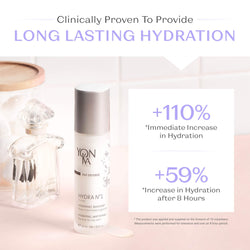
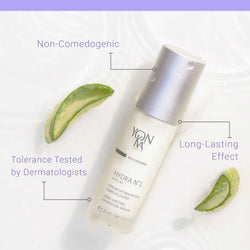
Look for serums that contain hyaluronic acid. This molecule is a powerhouse in skincare because it can hold up to 1,000 times its weight in water. For intense hydration, Hydra n°1 Serum is designed to act as an "emergency" treatment for very dehydrated skin. It helps the skin look plump and dewy, significantly reducing the appearance of fine lines caused by dryness.
Lipid-Restoring Elixirs
Sometimes, skin isn't just dehydrated (lacking water); it is truly dry (lacking oil). If your skin feels rough and tight even after applying a water-based serum, you may need a booster rich in essential fatty acids. Serum Omega is an excellent oil-in-serum that supports the skin's lipid barrier. It uses botanical oils like sacha inchi and pomegranate to nourish the skin, making it feel velvet-soft and more resilient against the elements.
Sealing in Moisture: The Final Barrier
The final step in removing the look of dry skin and keeping it away is a high-quality moisturizer. This acts as a protective seal, preventing the hydration you just applied from evaporating into the air.
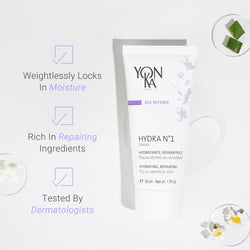
For daily use, Hydra n°1 Crème provides long-lasting comfort. It combines the hydrating power of hyaluronic acid with the nourishing properties of shea butter and hazelnut oil. When your skin barrier is healthy and well-lubricated, dead cells are more likely to shed naturally and invisibly, preventing the "flaky" buildup that leads to a dull appearance.
The Role of an Overnight Mask
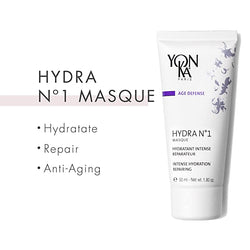
If you are dealing with persistent dry patches, an overnight treatment can work wonders. Applying a thick layer of Hydra n°1 Masque before bed allows the ingredients to sink in while your skin is in its natural repair mode. You will wake up with skin that looks significantly more rested and hydrated.
Essential Oil Safety and Best Practices
Because our formulas are highly active and utilize the power of pure essential oils, we always recommend a mindful approach when introducing new products to your ritual.
- Perform a patch test: Apply a small amount of any new product to your inner forearm and wait 24 hours to ensure no sensitivity occurs.
- Introduce one at a time: When building a new routine to address dry skin, start with a gentle cleanser and moisturizer before adding active exfoliants or serums.
- Listen to your skin: A slight, brief tingling can be normal with active botanicals, but persistent redness or irritation is a sign to reduce frequency or consult a professional.
Weekly Maintenance and Lifestyle Habits
Removing dry skin at home is not a one-time event; it is a habit of consistency. Beyond your daily skincare ritual, consider these lifestyle adjustments to keep your skin smooth:
- Invest in a Humidifier: During winter months, indoor heating creates incredibly dry air that siphons moisture from your skin. Running a humidifier in your bedroom at night can significantly reduce morning flakiness.
- Stay Hydrated from Within: While drinking water isn't a "cure" for dry skin, systemic dehydration can make your complexion look sallow and less resilient.
- Eat Healthy Fats: Incorporating omega-3 fatty acids from sources like walnuts, flaxseeds, or fatty fish can support your skin's natural oil production from the inside out.
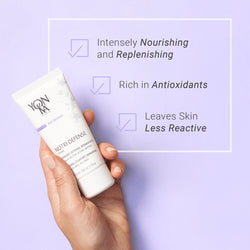
- Protect from the Sun: Sun damage can cause the skin to become thickened and leathery, a condition called solar elastosis. Always apply a broad-spectrum protection like Vital Defense in the morning to prevent UV-induced dryness.
Key Takeaway: Removing dry skin is a two-part process: gentle exfoliation to lift away dead cells followed by intense lipid and water replenishment to prevent new flakes from forming.
Professional Support for Stubborn Dryness
If you find that home treatments are not providing the relief you need, it may be time to visit a professional. Estheticians at Yon-Ka partner spas are trained in deep hydration treatments that use professional-grade concentrations and specialized techniques, such as aromatic steaming and facial massage, to transform the skin. You can find a nearby expert through our Spa Locator to experience a personalized consultation and a customized professional peel or hydration facial.
Comparison of Exfoliation Methods
| Method | Best For | Benefit |
|---|---|---|
| Gommage (Grain-free) | Dry, Sensitive, Mature | No irritation; brightens and hydrates simultaneously. |
| AHA (Chemical) | Sun-damaged, Dull | Dissolves dead cell bonds; improves texture and tone. |
| BHA (Chemical) | Oily, Pores, Blemishes | Deeply cleanses inside the pores; reduces congestion. |
| Scrub (Physical) | Rough areas (Body) | Immediate smoothing, but can be too harsh for facial skin. |
Conclusion
Mastering how to remove dry skin from face at home is a journey toward more radiant, healthier-looking skin. By replacing harsh scrubs with gentle gommage and supporting your skin barrier with phyto-aromatic hydration, you can achieve professional-level results from the comfort of your bathroom. At Yon-Ka Paris, we remain dedicated to the belief that skincare is a ritual worth savoring—a daily moment of wellness that honors the 70 years of expertise we pour into every bottle.
If you are unsure which products are right for your specific skin type, we invite you to take our Skin Diagnosis quiz or use our online Product Matcher. With the right botanical tools and a consistent routine, you can say goodbye to dullness and enjoy a complexion that is consistently soft, glowing, and revitalized.
"The secret to a lasting glow isn't found in a single harsh treatment, but in the gentle, consistent layering of botanical actives that respect the skin's natural wisdom."
FAQ
How often should I remove dry skin from my face?
For most people with dry skin, exfoliating once or twice a week is sufficient. Over-exfoliating can damage your moisture barrier, leading to even more dryness and sensitivity, so it is important to listen to your skin’s needs. For a routine built around dry-skin support, start with our Dry & Dehydrated Skin collection.
Can I use a washcloth to remove dry skin?
Yes, a soft cotton washcloth dampened with warm water can provide very gentle physical exfoliation. Use light, circular motions after applying your cleanser, but avoid scrubbing vigorously, as this can cause redness. If you want to compare cleanser options, explore our face care essentials.
Is it better to exfoliate in the morning or at night?
While you can do both, many prefer evening exfoliation. This allows you to remove the day's buildup and follow up with a rich night cream or mask like Hydra n°1 Masque, giving the skin plenty of time to recover and hydrate while you sleep. If you want to build a fuller ritual, browse our face moisturizers.
Why does my skin feel drier after I exfoliate?
This usually happens if you are using a product that is too harsh or if you are not moisturizing immediately afterward. Exfoliation reveals fresh skin that is more susceptible to moisture loss, so it is crucial to seal the surface with a serum and cream right away. For a deeper look at our formula philosophy, visit Our Ingredients or Our Story.