Table of Contents
- Introduction
- Understanding Why Facial Skin Peels
- The Common Mistakes to Avoid
- The Gommage Method: A Gentler Way to Exfoliate
- The Power of Phyto-Aromatic Care
- Essential Ingredients for Barrier Repair
- Building Your Recovery Ritual
- Addressing Specific Areas of Peeling
- Environmental and Lifestyle Adjustments
- The Professional Spa Connection
- Conclusion
- FAQ
Introduction
Finding translucent flakes on your cheeks or noticing your foundation clinging to dry patches around your nose can be deeply frustrating. This visible peeling is more than a simple cosmetic inconvenience; it is a clear signal from your skin that its protective moisture barrier is compromised and in need of restorative care. At Yon-Ka Paris, we believe that restoring a smooth, radiant complexion requires a transition away from aggressive scrubbing toward a gentle, phyto-aromatic ritual that respects the skin’s delicate ecology. This article explores the physiological causes of facial flaking, the safest methods for lifting away dead skin cells without causing trauma, and the essential botanical ingredients needed to fortify your skin against future dryness. By understanding how to remove dry peeling skin from face safely, you can transform a rough texture into a soft, resilient surface.
Understanding Why Facial Skin Peels
To effectively address peeling, we must first understand the biology of the skin’s renewal process. Our skin undergoes a natural turnover cycle approximately every 28 to 30 days. During this time, new cells are produced in the deeper layers of the epidermis and migrate toward the surface, while old, dead cells should naturally shed away.
When this cycle is disrupted, dead cells do not fall away cleanly. Instead, they accumulate and clump together, creating the visible scales and flakes we recognize as peeling. This disruption is almost always a sign of a compromised skin barrier—the stratum corneum—which acts as a shield to keep moisture locked in and environmental irritants out.
Common Triggers for Peeling
Several factors can cause the skin barrier to falter and lead to visible peeling:
- Environmental Stress: Low humidity, cold winter winds, and the drying effects of indoor heating can strip the skin of its essential lipids.
- Over-Exfoliation: Using harsh physical scrubs or an excess of high-percentage "active" ingredients (like retinoids or strong acids) can cause the skin to shed more quickly than it can repair itself.
- Dehydration: A lack of water in the epidermis makes skin cells brittle, causing them to lift and peel rather than lie flat and smooth.
- UV Damage: A sunburn is the most obvious cause of peeling, as the body works rapidly to shed cells damaged by radiation.
- Hard Water: Washing with water high in mineral content can disrupt the skin's pH, leading to dryness and irritation.
Quick Answer: To remove dry peeling skin safely, avoid picking or harsh scrubbing. Use a grain-free, enzymatic exfoliator to lift dead cells gently, then immediately replenish the skin barrier with humectants like hyaluronic acid and lipid-restoring oils.
The Common Mistakes to Avoid
The instinctual reaction to seeing flakes is often to "scrub them off" as quickly as possible. However, aggressive intervention is usually the quickest way to exacerbate the problem and lead to further inflammation.
Do Not Pick or Pull
It can be incredibly tempting to pull at a visible flake of skin, but this often results in pulling away skin that is still healthy and attached. This can lead to raw patches, increased sensitivity, and even post-inflammatory hyperpigmentation.
Avoid Mechanical Scrubs
Many traditional scrubs use jagged particles like crushed nut shells or salt. These can create microscopic tears in the skin barrier. When your skin is already peeling, its shield is weak; these micro-tears allow bacteria to enter and moisture to evaporate, creating a cycle of chronic dryness.
Skip the Hot Water
While a steaming hot washcloth might feel soothing, heat further dehydrates the skin. It dissolves the natural oils (sebum) that your skin produces to mend the peeling. We recommend always using lukewarm water for your cleansing ritual to preserve the skin's integrity.
The Gommage Method: A Gentler Way to Exfoliate
At Yon-Ka, we advocate for a non-aggressive "gommage" technique rather than a traditional scrub. Gommage is a French term meaning "to erase," and it describes a professional-grade method for lifting dead skin cells without the use of harsh grains.
Using a grain-free exfoliator, such as Gommage Yon-Ka, is the gold standard for removing dry peeling skin. This botanical gel is applied in a thin layer and allowed to sit for a moment to interact with the skin's surface. As you gently "roll" the gel away with your fingertips, it lifts only the dead, ready-to-shed cells through a combination of gentle friction and enzymatic action from carob.
This method is exceptionally safe for peeling skin because it leaves the healthy, underlying skin untouched and hydrated. It also utilizes brown algae to soothe the complexion, ensuring that the removal process does not trigger redness or further irritation.
The Power of Phyto-Aromatic Care
Our approach to skincare is rooted in the fusion of aromatherapy and phytotherapy. At the heart of nearly all our formulas is the Quintessence—an exclusive complex of five essential oils: lavender, geranium, rosemary, cypress, and thyme. This 100% natural and active complex is fundamental to repairing peeling skin.
- Lavender and Geranium: These oils are renowned for their soothing and anti-inflammatory properties, helping to calm the underlying irritation that often precedes flaking.
- Rosemary and Cypress: These botanicals support microcirculation, helping the skin receive the nutrients it needs from within to repair the barrier.
- Thyme: Provides gentle purifying benefits, protecting the vulnerable skin from environmental stressors.
For a deeper look at the plant-based approach behind these formulas, visit Our Ingredients. This phyto-aromatic foundation ensures that while you are removing visible flakes, you are also treating the physiological roots of the dryness.
Essential Ingredients for Barrier Repair
Once the dead skin has been safely removed, the newly exposed cells must be flooded with moisture and sealed with lipids. When selecting products to address peeling, look for these key ingredient categories:
Humectants: The Water-Binders
Humectants act like magnets, drawing moisture into the skin.
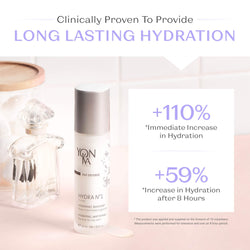
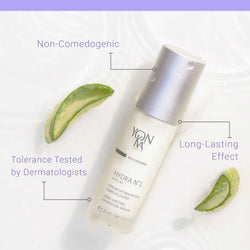
- Hyaluronic Acid: A powerhouse molecule that can hold up to 1,000 times its weight in water. You can find this in our Hydra N°1 Serum, which provides deep-down hydration for parched skin.
- Aloe Vera: Provides immediate cooling relief and helps to soothe the "tight" sensation that often accompanies peeling.
Emollients: The Smoothers
Emollients fill the microscopic gaps between skin cells where lipids have been lost, making the skin feel supple again.
- Omega Fatty Acids: Found in our Serum Omega, these essential lipids help to "re-glue" the skin cells together into a smooth, cohesive surface.
- Shea Butter: A rich source of nourishment that helps to restore softness to the epidermis.
Occlusives: The Protectors
Occlusives create a physical film on the skin’s surface to prevent transepidermal water loss (TEWL). This is critical when the skin is peeling, as the lack of a barrier means water evaporates much faster than usual. Natural plant waxes and oils provide this protective "seal" without clogging pores.
Building Your Recovery Ritual
To remove peeling skin and prevent its return, we recommend a consistent, layered ritual. This approach ensures that the skin is never stripped and always protected.
Step 1: Gentle Cleansing
Start with a lipid-rich cleansing milk like Lotion Yon-Ka PS. Unlike foaming cleansers that can be drying, this milk-based formula respects the skin's pH and begins the process of softening dead skin cells. Massage it gently into the skin to dissolve impurities without friction.
Step 2: Prepare and Tone
Mist the face with Lotion Yon-Ka PS. This phyto-aromatic mist is alcohol-free and provides an immediate surge of hydration. It prepares the skin to better absorb the treatments that follow. We recommend leaving the skin slightly damp before applying your serum.
Step 3: Targeted Treatment
Apply a hydrating serum like Hydra N°1 Serum. For skin that is actively peeling, you can also mix in a few drops of Serum Omega. This combination provides both the water the skin craves and the lipids it needs to hold that water in.
Step 4: Moisturize and Seal
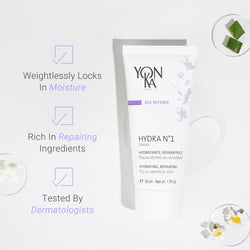
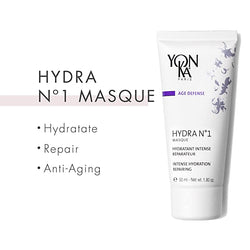
Follow with a barrier-repairing cream such as Hydra N°1 Creme. This provides long-lasting hydration and helps to smooth the appearance of any remaining texture. In the evening, you can use Hydra N°1 Masque as a leave-on treatment for intensive overnight repair.
Step 5: Protection
During the day, always finish with sun protection. Peeling skin is newly exposed and highly sensitive to UV rays, which can cause further damage and stall the healing process.
Key Takeaway: Removing peeling skin is only half the battle; the second half is an immediate infusion of humectants and lipids to "seal" the newly exposed cells and prevent further water loss.
Addressing Specific Areas of Peeling
Facial peeling often occurs in localized zones, each requiring a slightly different focus.
Around the Nose
The skin here is often the first to peel, especially during "cold and flu" season or due to frequent tissue use. The constant friction physically abrades the skin. To treat this, apply a small amount of Hydra N°1 Masque to the area several times a day to act as a "liquid bandage."
Around the Mouth and Chin
This area is often more sensitive and can peel due to environmental exposure or even toothpaste sensitivity. Because the skin here is thinner, avoid using any physical exfoliants. Stick strictly to a grain-free gommage and follow with a rich, soothing cream like Hydra N°1 Creme.
On the Cheeks
The cheeks have fewer oil glands than the T-zone, making them more susceptible to dehydration-induced peeling. This area benefits most from lipid-restoring boosters like our Nutri + Booster, which can be mixed into your daily moisturizer to provide an extra layer of nourishment.
Environmental and Lifestyle Adjustments
While a professional-grade skincare ritual is essential, your environment plays a significant role in how quickly your skin can recover from peeling.
- Use a Humidifier: Especially in winter, indoor heating removes moisture from the air. A humidifier helps maintain a healthy level of ambient humidity, preventing your skin from "leaking" moisture.
- Stay Hydrated: While drinking water isn't a direct fix for dry skin, systemic dehydration can make the skin more prone to barrier issues.
- Patch Test New Products: When introducing a new botanical formula, we always recommend a patch test on the inner forearm for 24 hours. Introduce only one new product at a time to monitor your skin's response.
- Professional Guidance: If peeling is accompanied by intense itching, persistent redness, or pain, it may be a sign of a medical condition such as eczema or rosacea. In these cases, we advise consulting a dermatologist or physician.
Note: A slight tingling sensation can be normal when introducing high-quality essential oils, but if you experience persistent redness or irritation, reduce the frequency of use or discontinue the product.
The Professional Spa Connection
Our heritage is deeply rooted in the professional spa world, where thousands of skincare professionals trust our methods. If you are struggling with persistent peeling that home care isn't fully resolving, a professional Yon-Ka treatment can provide a deeper level of restoration.
Our estheticians are trained in specialized massage techniques and professional-strength applications of our phyto-aromatic formulas that can jumpstart the skin's healing process. You can find a local Yon-Ka spa to experience a personalized Hydralessence Treatment or similar facial, both of which are designed to deeply cleanse and rehydrate the skin.
Conclusion
Safely removing dry peeling skin from the face requires a patient, ritual-based approach that prioritizes the health of the skin barrier. By choosing grain-free exfoliation with Gommage Yon-Ka and replenishing moisture with the Hydra N°1 collection, you can effectively smooth your complexion while providing the botanical support your skin needs to remain resilient.
If you are unsure which products are best suited for your specific skin type, we invite you to take our Skin Diagnosis quiz or explore the dry & dehydrated skin collection. At Yon-Ka Paris, we believe that skincare is a ritual worth savoring—one built on 70 years of phyto-aromatic expertise and a commitment to the restorative power of nature.
Bottom line: Respect the barrier, exfoliate without grains, and always seal the skin with moisture to transition from flaking to a healthy, vibrant glow.
FAQ
Can I peel off the skin with my fingers?
You should avoid picking or pulling at peeling skin, as this can tear healthy skin that is still attached. This often leads to raw spots, increased sensitivity, and potential scarring or dark spots. Instead, use a gentle gommage to lift only the cells that are ready to shed naturally.
How often should I exfoliate if my skin is peeling?
When skin is actively peeling, it is already in a state of stress. We recommend limiting exfoliation to once or twice a week using a grain-free, botanical formula. Over-exfoliating a compromised barrier will only lead to more peeling and irritation.
Is peeling skin a sign of aging?
Peeling itself is usually a sign of dehydration or barrier damage rather than aging. However, as we age, our skin’s natural oil production and cell turnover slow down, which can make the skin more prone to dryness and flaking if it isn't properly supported with lipid-rich products.
When should I see a professional about peeling skin?
If your peeling is accompanied by intense itching, weeping, severe redness, or if it doesn't improve with consistent hydration, you should consult a dermatologist. These symptoms could indicate an underlying condition like eczema, psoriasis, or a fungal infection that requires medical treatment.