Table of Contents
- Introduction
- Understanding Why Skin Becomes Flaky
- The Phyto-Aromatic Approach to Exfoliation
- Choosing the Right Exfoliant for Your Skin Type
- Step-By-Step Ritual to Remove Flaky Skin
- Ingredients That Prevent the Return of Flakes
- Common Mistakes to Avoid When Treating Flaky Skin
- Lifestyle Changes for Long-Term Smoothness
- Conclusion
- FAQ
Introduction
Waking up to find rough patches or visible flakes on your complexion can be frustrating, especially when they disrupt the smooth application of makeup or make your skin feel tight and uncomfortable. At Yon-Ka Paris, we believe that achieving a smooth, luminous glow is about more than just a quick fix; it is about respecting the skin's natural rhythm and using botanical expertise to gently restore balance. Whether your skin is naturally dry or temporarily dehydrated due to seasonal changes, learning how to remove dry flaky skin from the face requires a delicate, layered approach that prioritizes the skin barrier. In this article, we will explore the underlying causes of flakiness, the most effective phyto-aromatic exfoliation methods, and the essential hydration steps to ensure those flakes stay away for good.
Quick Answer: To remove dry flaky skin from the face, use a gentle grainless exfoliant or a mild AHA treatment to dissolve dead cells without irritation. Follow immediately with a deep-hydration ritual featuring Hydra N°1 Crème and botanical oils to replenish the moisture barrier.
Understanding Why Skin Becomes Flaky
Flaky skin is often a sign that your natural cell turnover process has been disrupted. Typically, the skin undergoes a renewal cycle every 28 to 40 days, where new cells travel from the deeper layers to the surface, and old, dead cells shed away. When this process slows down or when the skin lacks the necessary lipids and water to facilitate shedding, these dead cells "clump" together, creating the visible, rough texture we recognize as flakes. For skin that feels dry or dehydrated, the dry and dehydrated skin collection is a helpful place to start.
Environmental stressors and lifestyle choices play a significant role in surface dryness. Cold winter air, low humidity, and indoor heating can rapidly sap moisture from the epidermis. Similarly, over-cleansing with harsh soaps or using hot water can strip the skin of its protective oils, leading to a compromised barrier. When this barrier is weakened, transepidermal water loss (TEWL) increases, leaving the skin vulnerable to peeling and irritation.
Internal factors like aging and skin type also contribute to the appearance of flakes. As we age, our skin produces less sebum and the cell renewal process naturally decelerates. While dry skin types are most prone to this, even oily and combination skin can experience flakiness—often a condition known as "surface dehydration"—where the skin is oily underneath but has a parched, flaky top layer. If aging concerns are part of the picture, explore the anti-aging collection for more targeted support.
The Phyto-Aromatic Approach to Exfoliation
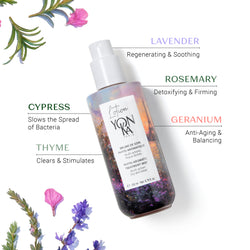
At Yon-Ka Paris, our philosophy centers on the belief that exfoliation should never be an aggressive act. Many traditional scrubs use large, jagged particles like crushed shells or pits that can create micro-tears in the delicate facial tissue. Instead, we advocate for phyto-aromatic methods that utilize botanical enzymes and mild acids to lift away debris while soothing the skin with our signature Quintessence—a blend of lavender, geranium, rosemary, cypress, and thyme. Learn more about the ingredients that define this approach in our ingredients.
Chemical exfoliation is often the most effective way to address flakes on sensitive facial skin. Unlike mechanical scrubbing, chemical exfoliants use ingredients like Alpha Hydroxy Acids (AHAs) to dissolve the "glue" that holds dead skin cells together. Lactic acid and glycolic acid are two powerhouse AHAs that not only help remove flakes but also support the skin’s ability to retain moisture. For a deeper look at the routine, read our exfoliation guide.
Botanical enzymes offer a "non-acid" alternative for those with highly reactive skin. These enzymes, often derived from fruits like pineapple or papaya, gently digest dead protein on the skin's surface. This method is incredibly precise, as it only targets dead cells and leaves healthy, living tissue untouched, making it a staple in our facial treatments.
Choosing the Right Exfoliant for Your Skin Type
Before reaching for an exfoliating product, it is essential to recognize your specific skin needs to avoid over-sensitizing the area.
- For Dry and Sensitive Skin: Look for "grainless" exfoliants. A product like Gommage Yon-Ka is ideal because it uses citrus extracts and carob to gently lift flakes without any abrasive friction. It also provides a hydrating effect, leaving the skin soft rather than stripped.
- For Oily and Blemish-Prone Skin: Beta Hydroxy Acids (BHAs) like salicylic acid are preferred. These are oil-soluble, meaning they can penetrate into the pores to clear out congestion while also smoothing the surface flakes often associated with acne treatments.
- For Mature or Dull Skin: A more intensive overnight treatment can be transformative. Glyconight 10% Masque utilizes a high concentration of glycolic acid to refine texture and diminish the look of fine lines while you sleep, effectively "resetting" the complexion by morning.
Note: When introducing a new exfoliant or a product containing essential oils, we always recommend a patch test on your inner forearm for 24 hours. Introduce one new active at a time to monitor how your skin responds.
Step-By-Step Ritual to Remove Flaky Skin
Step 1: Gentle Cleansing. Begin by removing surface impurities without further drying the skin. Use a creamy, barrier-respecting cleanser like Lait Nettoyant. This milk-based cleanser maintains the skin's pH and prevents the "tight" feeling that often precedes flakiness.
Step 2: Soften with a Phyto-Aromatic Mist. A crucial but often overlooked step is preparing the skin with a toner. Lotion Yon-Ka PS, available in PS for dry skin or PNG for oily skin, provides a refreshing burst of the Quintessence essential oils. This mist hydrates the surface cells, making them easier to remove during exfoliation and helping subsequent products absorb more deeply.
Step 3: Targeted Exfoliation. Apply your chosen exfoliant. If using a peel-off botanical gommage, apply a thin layer and allow it to sit for a minute before gently "rubbing" it away with your fingertips. If using a liquid AHA like Glyconight 10% Masque, apply it evening-only to clean skin.
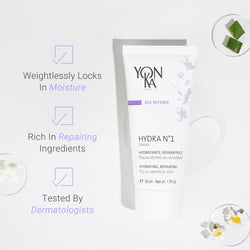
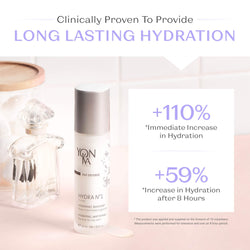
Step 4: Intensive Hydration. Exfoliation opens a "window" of high absorption. Follow up with a lipid-rich serum or a high-performance moisturizer from our face moisturizers collection. Hydra n°1 Crème is specifically designed for dehydrated skin, using two weights of hyaluronic acid to provide both immediate surface smoothing and long-term deep hydration.
Step 5: Sealing the Barrier. In the evening, consider adding a few drops of a nourishing oil like Serum Omega to your moisturizer. The omega-3, 6, and 9 fatty acids help repair the skin's natural lipid barrier, preventing future flakes from forming.
Ingredients That Prevent the Return of Flakes
Once you have successfully removed the visible peeling, the goal shifts to prevention. The key is to incorporate ingredients that support "biological exfoliation" and barrier strength.
Hyaluronic Acid acts as a moisture magnet for the skin. This molecule can hold up to 1,000 times its weight in water, making it indispensable for plumping up dehydrated cells and smoothing the appearance of fine lines. You can see this ingredient strategy reflected across our formulas.
Vitamin C and Antioxidants support the skin's defense systems. Ingredients like those found in Serum Vitamine C 20% help to brighten the appearance of the skin and protect against the environmental damage that leads to dryness. When the skin is healthy and protected, its natural shedding process functions more efficiently.
Ceramides and Essential Fatty Acids are the "mortar" between your skin cells. Without these lipids, moisture evaporates quickly, and the skin becomes brittle and prone to flaking. Using products enriched with plant-based oils like sacha inchi or shea butter ensures the skin remains supple and resilient.
Common Mistakes to Avoid When Treating Flaky Skin
Resist the urge to "scrub away" the flakes with a harsh physical exfoliant. While it may provide a temporary feeling of smoothness, aggressive scrubbing often causes inflammation and micro-tears. This triggers a healing response that can actually lead to more flaking a few days later as the skin tries to repair itself.
Avoid over-exfoliating, even with gentle products. Using acids or enzymes every single day can strip the protective mantle of the skin. For most people, exfoliating two to three times a week is sufficient to keep the skin clear and glowing without causing irritation.
Never skip moisturizer after exfoliation. When you remove the top layer of dead skin, the "fresh" skin underneath is more susceptible to water loss. If you do not seal that new layer with a high-quality moisturizer, you may find that the flakiness returns almost immediately.
Be cautious with hot water during your cleansing ritual. High temperatures dissolve the natural fats that keep your skin hydrated. Stick to lukewarm water, especially during the winter months, to preserve your skin's natural oils.
| Action | Why it Helps | Best For |
|---|---|---|
| Grainless Gommage | Gently lifts flakes without friction or irritation. | Sensitive & Dry Skin |
| AHA Peels | Dissolves cellular bonds for deep resurfacing. | Mature & Dull Skin |
| BHA Treatments | Clears pores while smoothing surface texture. | Oily & Acne-Prone Skin |
| Overnight Masks | Provides prolonged hydration and repair time. | Severely Dehydrated Skin |
Lifestyle Changes for Long-Term Smoothness
Dietary hydration is just as important as topical application. While drinking water alone won't "cure" dry skin, staying hydrated helps support overall cellular health. Incorporating healthy fats—like those found in avocados, walnuts, and flaxseeds—provides the body with the building blocks it needs to produce healthy skin lipids.
Utilize a humidifier in your home or office. During the winter, indoor air can become incredibly dry, pulling moisture out of your skin. A humidifier adds water vapor back into the environment, creating a "micro-climate" that helps your skin retain its natural suppleness.
Always wear a broad-spectrum SPF. UV damage is one of the primary causes of a compromised skin barrier and premature aging, both of which lead to chronic dryness. Protecting your skin daily with a product from our Sun Care collection ensures that your new, exfoliated skin cells aren't immediately damaged by the sun.
Consider a professional facial for a "deep reset." If your flakiness persists or if you simply want to elevate your results, a professional treatment at a Yon-Ka partner spa can provide deeper exfoliation and hydration than what is usually possible at home. You can use our Spa Locator to find a certified professional near you.
Conclusion
Managing dry, flaky skin is a journey of patience and botanical precision. By shifting away from harsh "hacks" and embracing a consistent, layered ritual, you can support your skin's natural ability to renew itself. The combination of gentle exfoliation and deep, lipid-restoring hydration is the secret to a complexion that feels as good as it looks.
- Gentle First: Always prioritize barrier-respecting cleansers and grainless exfoliants.
- Hydrate Deeply: Use hyaluronic acid and plant oils to seal in moisture immediately after exfoliating.
- Consistency Wins: A regular twice-weekly ritual is more effective than an occasional aggressive treatment.
Key Takeaway: Removing flakes is a two-step process: first, use a botanical exfoliant like Gommage Yon-Ka to lift dead cells, then immediately follow with a moisture-locking cream like Hydra n°1 to prevent the cycle from repeating.
If you are unsure which specific products are right for your unique skin needs, we invite you to take our Skin Diagnosis quiz or use our Product Matcher tool. Since 1954, Yon-Ka Paris has remained dedicated to the art of phyto-aromatic skincare, believing that every woman deserves a ritual that honors her skin's health and beauty.
FAQ
Can I exfoliate flaky skin every day to get rid of it faster?
No, exfoliating every day can damage your skin’s moisture barrier and cause more irritation, which may actually increase flakiness. We recommend exfoliating no more than two to three times a week with a gentle product like Gommage Yon-Ka to allow your skin time to recover.
Is it better to use a physical scrub or a chemical exfoliant for flakes?
For the face, chemical exfoliants (like AHAs) or grainless botanical exfoliants are generally better because they dissolve dead skin cells without creating micro-tears. Physical scrubs can be too abrasive for the delicate facial skin, especially when it is already dry and compromised.
Why does my skin still look flaky even after I moisturize?
If dead skin cells have already accumulated on the surface, moisturizer often sits on top of the flakes rather than being absorbed. You must gently exfoliate first to remove the barrier of dead cells, then apply a high-performance moisturizer like Hydra n°1 Crème to truly hydrate the underlying skin.
Should I see a dermatologist for my flaky skin?
While most flakiness can be managed with a proper skincare ritual, you should consult a dermatologist if your skin is persistently red, itchy, painful, or if you suspect a condition like eczema or psoriasis. If you experience a sudden, severe reaction to any product, seek medical advice immediately.