Table of Contents
- Introduction
- The Science of Skin Peeling and Renewal
- Identifying Your Skin Type and Its Needs
- Chemical vs. Manual Exfoliation: Which is Best?
- The Power of Gommage for Dry Skin
- A Ritual to Address and Prevent Peeling
- Common Causes of Facial Peeling
- Myths vs. Facts About Peeling Skin
- Essential Oil Safety and Sensitivity
- Professional Treatments for Deep Resurfacing
- Ingredients to Look For
- Maintaining the Glow: Long-Term Prevention
- Conclusion
- FAQ
Introduction
The frustration of catching sight of flaky, uneven patches in the mirror is a universal skincare struggle. Whether it is a rough patch on the chin or visible peeling around the nose, the impulse to manually "peel" or scrub away the debris is strong. However, addressing how to peel off dry skin on face requires a delicate balance of gentle resurfacing and deep replenishment. At Yon-Ka Paris, we believe that managing dry skin is not about aggressive friction, but rather supporting the skin's natural renewal process with phyto-aromatic care. This article will explore the safest methods to remove dead skin, the best botanical ingredients for the job, and how to restore a luminous glow without compromising your moisture barrier. By shifting from a "quick fix" mindset to a dedicated ritual, you can achieve a smooth, supple complexion that lasts.
The Science of Skin Peeling and Renewal
To understand how to safely address flaking, we must first look at how the skin functions. Our skin is a living organ that undergoes a continuous cycle of renewal known as desquamation. Approximately every 28 to 40 days, new skin cells travel from the deeper layers to the surface, where the older, dead cells naturally shed.
When this process is healthy and balanced, it is invisible. However, when the skin is dehydrated, damaged, or aging, these dead cells do not fall away as they should. Instead, they cling together, creating the appearance of scales, flakes, or a dull, "ashy" texture.
Quick Answer: To safely "peel" or remove dry skin from your face, avoid using your fingernails or harsh physical scrubs. Instead, use a grain-free enzymatic exfoliant or a soft, damp washcloth to gently lift dead cells, followed immediately by a barrier-repairing moisturizer.
The danger of manual peeling cannot be overstated. When you use your fingers to pull at peeling skin, you risk tearing healthy cells that are still attached. This can lead to micro-tears, inflammation, post-inflammatory hyperpigmentation (dark spots), and even scarring. The goal is to encourage the dead skin to detach on its own through proper hydration and gentle exfoliation.
Identifying Your Skin Type and Its Needs
Before choosing a method to remove dry skin, you must determine if your skin is truly dry or simply dehydrated. While they may look similar, they require different approaches.
- Dry Skin is a skin type characterized by a lack of oil (sebum). It often feels tight all over and has very small pores.
- Dehydrated Skin is a temporary condition characterized by a lack of water. It can happen to any skin type—including oily skin—and often presents as fine lines and "crepey" flakes.
The One-Hour Tissue Test
If you are unsure of your skin type, try this simple diagnostic at home. Wash your face with a gentle, sulfate-free cleanser like Lait Nettoyant. Gently pat it dry and do not apply any products. Wait for one hour.
After 60 minutes, press a clean tissue to different areas of your face. If the tissue shows no oil and your skin feels tight or looks scaly, you likely have dry skin. If your T-zone (forehead, nose, and chin) shows oil but your cheeks look flaky, you have combination skin that is likely dehydrated. For those with persistent concerns, a professional spa can provide a more tailored analysis.
Chemical vs. Manual Exfoliation: Which is Best?
When people ask how to peel off dry skin on face, they are usually looking for an exfoliant. There are two primary categories, and choosing the right one is critical for avoiding irritation.
Chemical Exfoliation
Despite the name, chemical exfoliants are often derived from natural sources like fruits and milk. They work by dissolving the "glue" that holds dead skin cells together.
- Alpha Hydroxy Acids (AHAs): Ingredients like glycolic acid (from sugar cane) and lactic acid (from fermented milk) are water-soluble. They are excellent for the skin's surface and help the appearance of fine lines and texture.
- Beta Hydroxy Acids (BHAs): Salicylic acid is the most common BHA. It is oil-soluble, making it better for reaching deep into pores to clear congestion.
- Enzymes: Often derived from pineapple (bromelain) or papaya (papain), enzymes "digest" dead proteins on the skin's surface. They are generally the gentlest option for those with sensitive skin.
Manual Exfoliation
This involves physically lifting away skin cells. While popular, many store-bought manual scrubs use jagged particles like crushed walnut shells or apricot kernels that can cause microscopic damage.
- Safe Manual Methods: A soft, damp washcloth or a natural sponge used in gentle, circular motions.
- The Yon-Ka Alternative: We recommend a "gommage" approach. A gommage is a professional-style treatment that combines the benefits of a mask and an exfoliant without any abrasive grains.
The Power of Gommage for Dry Skin
For those struggling with visible flakes, a grain-free exfoliant is often the most effective solution. Glyconight 10% Masque offers a botanical, overnight peeling approach that works especially well when skin feels rough and dull.
Glyconight 10% Masque uses glycolic acid and nourishing ingredients to gently lift away dead cells while supporting the skin as it renews. Because it does not rely on harsh beads or seeds, it helps avoid the irritation that can come from traditional scrubs. When used as directed, it can leave the complexion looking smoother and more refined.
Key Takeaway: Grain-free exfoliation is the gold standard for dry, peeling skin because it removes dead surface cells without causing the friction-based inflammation associated with traditional scrubs.
A Ritual to Address and Prevent Peeling
To effectively manage flaking, you should follow a consistent ritual that respects the skin barrier. At Yon-Ka, we prioritize layering moisture to ensure the skin remains resilient.
Step 1: Gentle Cleansing
Avoid foaming cleansers with harsh sulfates (SLS), which strip the skin of its protective oils. Use a milky cleanser like Lait Nettoyant. This formula is designed to remove makeup and impurities while maintaining the skin's natural pH and lipid balance.
Step 2: Prepare with a Phyto-Aromatic Mist
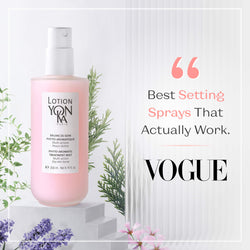
After cleansing, mist your skin with Lotion Yon-Ka. This is not a traditional drying toner; it is a healing mist infused with our signature Quintessence—an essential oil complex of lavender, geranium, rosemary, cypress, and thyme. This step hydrates the skin and improves the absorption of the treatments that follow.
Step 3: Gentle Exfoliation (1–2 times per week)
Apply your grain-free exfoliant or a mild AHA treatment like Glyconight 10% Masque. This overnight peel uses glycolic acid to refine the skin's appearance while you sleep, making flakes easier to wash away in the morning.
Step 4: Targeted Hydration
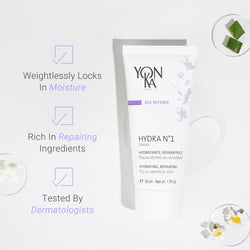
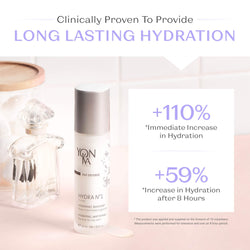
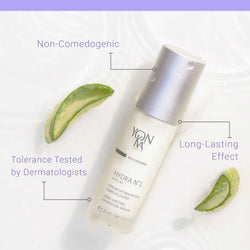
If your skin is peeling due to extreme dryness, look for a booster or serum. Serum Omega is a lipid-restoring oil that provides essential fatty acids to support the skin barrier. Follow this with a rich moisturizer like Hydra N°1 Crème, which features hyaluronic acid and shea butter for long-lasting comfort.
Step 5: Daytime Protection
Exfoliated skin is more sensitive to the sun. Always apply a broad-spectrum SPF as the final step in your morning routine to prevent UV damage, which is a leading cause of premature peeling and dryness.
Common Causes of Facial Peeling
Identifying the root cause of your peeling can help you prevent it from returning. While exfoliation removes the symptoms, you must address the source.
- Environmental Stress: Low humidity in winter and indoor heating strip moisture from the air and your skin. Using a humidifier can help maintain the appearance of hydrated skin.
- Sunburn: UV rays kill skin cells, leading to the familiar "peeling" phase after a burn. This is the body's way of removing damaged DNA.
- Over-Exfoliation: Using too many "actives" like retinol, vitamin C, and acids simultaneously can overwhelm the skin, leading to a compromised barrier and persistent flaking.
- Irritating Ingredients: Synthetic fragrances, high concentrations of denatured alcohol, and harsh preservatives can trigger contact dermatitis, resulting in redness and peeling.
Note: If you have persistent peeling accompanied by intense itching, oozing, or thick silvery scales, you may have an underlying condition like eczema or psoriasis. In these cases, it is important to consult a physician or a dermatologist for a medical diagnosis.
Myths vs. Facts About Peeling Skin
Myth: You should scrub peeling skin until it is smooth. Fact: Heavy scrubbing causes inflammation, which actually slows down the healing process and can lead to more peeling.
Myth: Peeling skin only happens to people with dry skin. Fact: Oily skin can also peel, especially if it is dehydrated or if the person is using strong acne medications like benzoyl peroxide or prescription retinoids.
Myth: Steam is the best way to "melt" away dry skin. Fact: While warm steam can soften the skin, excessive heat actually evaporates the skin's internal moisture, making dryness worse in the long run.
Essential Oil Safety and Sensitivity
Because many effective treatments for dry skin—including the Yon-Ka Quintessence—rely on potent botanical extracts and essential oils, it is important to introduce new products mindfully.
Recommend a patch test whenever you introduce a new active product. Apply a small amount to your inner forearm and wait 24 hours to ensure no redness or irritation occurs. When using phyto-aromatic products, a slight, brief tingling can be a normal sign of the essential oils’ activity. However, if you experience persistent burning or facial swelling, discontinue use immediately and seek medical attention.
Professional Treatments for Deep Resurfacing
While a home ritual is the foundation of healthy skin, professional treatments can offer deeper results. Estheticians have access to professional-grade concentrations of AHAs and specialized tools that can safely remove layers of dead skin that home products cannot reach.
If you are struggling with a particularly stubborn period of flaking or dullness, we recommend using our Spa Locator to find a Yon-Ka professional near you. A professional "Grand Classique" or a hydrating "Hydralessence" facial can reset your skin’s texture and provide an intensive infusion of botanical actives.
Ingredients to Look For
When reading labels for products designed to help with peeling skin, prioritize these high-performance ingredients:
- Hyaluronic Acid: A humectant that can hold up to 1,000 times its weight in water, pulling moisture into the skin.
- Ceramides: Lipid molecules that help restore the skin barrier and prevent "trans-epidermal water loss" (TEWL).
- Squalane: A plant-derived emollient that mimics the skin's natural oils to soften and smooth texture.
- Aloe Vera: A soothing botanical that reduces the appearance of redness and provides immediate cooling relief to irritated, peeling areas.
- Vegetable Glycerin: A classic, reliable humectant that helps keep the skin's surface supple.
Maintaining the Glow: Long-Term Prevention
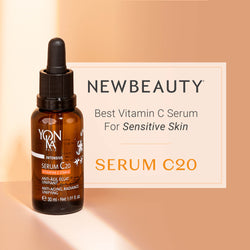
Stopping the cycle of peeling requires more than a one-time exfoliation. It is about consistent nourishment. Serum Vitamine C 20% can help brighten the appearance of skin once the peeling has subsided, but it should only be used once the barrier is fully repaired.
For those in their 40s and beyond, the skin’s natural oil production drops significantly. Transitioning to richer formulas from the Excellence Code Creme collection can provide the support needed to keep the skin from becoming brittle and flaky as we age.
Bottom line: Healthy, flake-free skin is the result of a barrier-first approach that prioritizes gentle, botanical exfoliation over aggressive physical scrubbing.
Conclusion
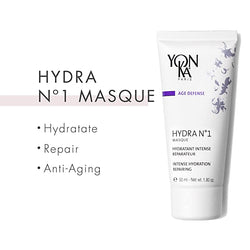
Learning how to peel off dry skin on face is a lesson in patience and botanical wisdom. By choosing gentle, grain-free exfoliants like Glyconight 10% Masque and supporting the skin with the hydrating power of the Hydra N°1 Creme collection, you can reveal a smoother, more radiant complexion without the risk of irritation. Skincare is a ritual to be savored, a moment of connection with yourself and the power of nature. Since 1954, Yon-Ka Paris has remained dedicated to this fusion of pharmaceutical rigor and aromatic wellbeing.
- Prioritize gentle, non-foaming cleansers.
- Exfoliate with enzymes or grain-free gels rather than harsh scrubs.
- Always seal in moisture with a barrier-repairing cream.
- Protect your results with daily sun protection.
To discover the ideal ritual for your unique skin concerns, we invite you to explore our ingredients page or browse our curated collections online.
FAQ
Can I use a facial brush to remove peeling skin?
While facial brushes can provide manual exfoliation, they are often too aggressive for skin that is already peeling and sensitized. It is much safer to use a soft, damp washcloth or a grain-free gommage, which lifts dead cells without the risk of creating micro-tears in the skin barrier.
Is it okay to use retinol if my face is already peeling?
If your skin is actively peeling or irritated, you should "pause" your use of strong actives like retinol and AHAs. These ingredients speed up cell turnover, which can exacerbate flaking if the skin barrier is already compromised; wait until your skin feels comfortable and hydrated before slowly reintroducing them.
How often should I exfoliate if I have dry patches?
For most people with dry or sensitive skin, exfoliating once or twice a week is sufficient to keep flakes at bay without causing irritation. Over-exfoliating can strip the skin’s natural oils, leading to more dryness and a cycle of persistent peeling.
Why does my skin peel more in the winter?
In the winter, the air is much drier, and indoor heating further strips moisture from your skin's surface. This lack of hydration weakens the skin barrier, causing cells to clump together and peel rather than shedding invisibly as they do in more humid conditions.