Table of Contents
- Introduction
- Understanding the Biology of Oily Skin
- The Role of Clays and Botanicals in Oil Control
- How to Make Homemade Face Mask for Oily Skin: 4 Simple Recipes
- Essential Safety Tips for DIY Skincare
- The Limitations of Homemade Masks
- Transitioning to a Professional Phyto-Aromatic Ritual
- Advanced Treatments for Oily Skin
- Conclusion
- FAQ
Introduction
Waking up to an unwanted midday shine or feeling a heavy, slick texture on your forehead is a common frustration for those with oily skin. While sebum is a vital part of our skin’s natural defense system, an overproduction can lead to enlarged pores and a congested complexion. Many people find solace in the ritual of a "pantry apothecary," seeking the immediate comfort of natural ingredients found right in their kitchen. In this article, we will explore how to make homemade face mask for oily skin using simple, botanical foundations that mimic the calming experience of a spa. At Yon-Ka Paris, we believe that understanding the synergy of plants is the first step toward achieving a balanced, healthy glow. By learning to blend effective DIY treatments with professional-grade phyto-aromatic care, you can transform your routine into a therapeutic ritual that respects your skin's delicate ecosystem.
Understanding the Biology of Oily Skin
Before you learn how to make homemade face mask for oily skin, it is helpful to understand why your skin behaves this way. Our skin contains sebaceous glands that produce sebum, a complex mixture of lipids that keeps the skin moisturized and protected from the environment. However, factors such as genetics, hormonal shifts, humidity, and even stress can send these glands into overdrive.
When too much sebum is produced, it can mix with dead skin cells and environmental pollutants, leading to the appearance of "congested" skin or visible shine. A common mistake is attempting to "strip" the oil away with harsh alcohols or aggressive scrubbing. This often backfires, as the skin perceives this dryness as a threat and responds by producing even more oil to compensate. The goal of any mask—whether homemade or professional—should be to balance and refine, not to dehydrate.
The Role of Clays and Botanicals in Oil Control
The most effective ingredients for oily skin are those that possess adsorbent properties. Unlike absorption, where a substance is soaked up like a sponge, adsorption involves the surface of an ingredient (like clay) attracting and binding to oils and toxins.
- Clays (Kaolin and Bentonite): These are the gold standard for oily skin. They act like a magnet for excess lipids and impurities sitting in the pores.
- Honey: Often used in professional botanical skincare, honey is a natural humectant (it draws moisture into the skin) and has purifying properties that help support a clear-looking complexion.
- Oatmeal: This grain is excellent for soothing the skin. When used in a mask, it helps absorb oil while providing a gentle physical exfoliation that doesn't irritate the barrier.
- Citrus: Ingredients like lemon or grapefruit juice contain natural Alpha Hydroxy Acids (AHAs), which help to dissolve the "glue" holding dead skin cells together, promoting a brighter appearance.
Quick Answer: To make a homemade face mask for oily skin, mix one tablespoon of Kaolin clay with one teaspoon of raw honey and enough water or rosewater to form a paste. Apply to clean skin for 10 minutes, then rinse with lukewarm water to remove excess oil and refine the look of pores.
If you want a ready-made option for oily skin, start with the oily & combination skin collection.
How to Make Homemade Face Mask for Oily Skin: 4 Simple Recipes
Creating your own treatments at home allows you to customize the experience based on how your skin feels that day. Here are four ways to harness natural ingredients for a more matte, refined appearance.
1. The Purifying Clay and Honey Mask
This is a classic choice for those who feel "heavy" or congested. The clay works on the oil, while the honey ensures the skin remains soft and hydrated.
- Ingredients: 1 tablespoon Bentonite or Kaolin clay, 1 teaspoon raw honey, 1 teaspoon water or floral water.
- Method: Mix the clay and water first to reach a smooth consistency, then stir in the honey.
- Application: Apply a thin layer to the T-zone (forehead, nose, and chin). Leave it on for 8–10 minutes. Do not let the clay crack or dry out completely, as this can cause irritation. Rinse with cool water.
2. The Soothing Oatmeal and Yogurt Balance
If your oily skin also feels sensitive or red, yogurt is a fantastic base. It contains lactic acid, a gentle AHA that lightly exfoliates the appearance of the skin surface.
- Ingredients: 2 tablespoons finely ground oats, 1 tablespoon plain, unsweetened yogurt.
- Method: Combine the ingredients until they form a thick paste. Let it sit for a minute so the oats can soften.
- Application: Massage gently onto the skin in circular motions. Leave for 15 minutes before rinsing. This helps manage the appearance of shine while calming the skin.
3. The Brightening Egg White and Lemon Mask
Egg whites are frequently used in DIY beauty for their temporary "tightening" effect on the appearance of large pores.
- Ingredients: 1 egg white, 1/2 teaspoon fresh lemon juice.
- Method: Whisk the egg white until it becomes slightly frothy, then add the lemon juice.
- Application: Use a clean brush to apply the mixture. Focus on areas with visible pores. Leave it on for 10 minutes or until it feels firm. Rinse thoroughly.
- Note: Lemon juice can increase sun sensitivity, so always follow up with sun protection the next day.
4. The Refreshing Cucumber and Aloe Gel
For oily skin that feels "hot" or suffocated during the summer, this cooling mask is a sensorial delight.
- Ingredients: 2 tablespoons aloe vera gel (pure), 1 tablespoon blended cucumber juice.
- Method: Blend a small piece of cucumber and strain the juice. Mix it with the aloe vera gel.
- Application: Apply the chilled mixture to your face. This doesn't "dry" like a clay mask but provides lightweight hydration that won't clog pores.
Essential Safety Tips for DIY Skincare
While "natural" sounds inherently safe, the skin on our face is delicate. Essential oils and raw kitchen ingredients can be quite potent.
- Perform a Patch Test: Before applying any homemade mask to your entire face, test a small amount on your inner forearm. Wait 24 hours to ensure no redness or itching occurs.
- Introduction Frequency: Introduce only one new mask or product at a time. This helps you identify which ingredient is responsible if your skin reacts.
- Tingling vs. Irritation: A slight, brief tingling can be normal, especially with ingredients like lemon or certain essential oils. However, persistent burning or intense redness is a signal to rinse immediately and discontinue use.
- Hygiene Matters: Since homemade masks do not contain preservatives, they must be made fresh and used immediately. Do not store leftovers in the fridge for more than 24 hours.
Note: If you experience a severe reaction, such as facial swelling or difficulty breathing, please seek urgent medical care. For persistent skin concerns like cystic acne or suspected rosacea, it is always best to consult a physician or a dermatologist.
The Limitations of Homemade Masks
While knowing how to make homemade face mask for oily skin is useful for a "self-care Sunday," DIY options have limitations compared to professional formulations. At Laboratoires Multaler, our researchers spend years perfecting the stability and molecular weight of botanical extracts.
Homemade ingredients often have molecules that are too large to penetrate the skin's surface effectively. Furthermore, the pH level of kitchen ingredients can vary wildly. A lemon might be highly acidic one week and less so the next, making it difficult to achieve consistent results. Professional skincare provides a standardized concentration of active ingredients, ensuring that every application delivers the same level of efficacy and safety.
For a deeper look at the philosophy behind our formulas, explore our formulation approach.
Transitioning to a Professional Phyto-Aromatic Ritual
To truly balance oily skin for the long term, we recommend moving beyond the occasional DIY mask and into a consistent, layered ritual. Our approach is rooted in the power of the Quintessence—an exclusive complex of five essential oils: lavender, geranium, rosemary, cypress, and thyme. This 100% natural and active blend is the foundation of our formulas, providing a holistic experience that supports both the skin and the spirit.
For those with oily skin, the ritual begins with a respect for the skin barrier.
- Cleanse: Use a gentle, non-stripping cleanser like Lait Nettoyant. This milk cleanser removes impurities while maintaining the skin's natural pH, ensuring the "oil-rebound" effect doesn't occur.
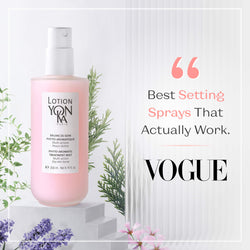
- Tone and Prepare: Instead of a harsh astringent, use Lotion Yon-Ka PNG. This phyto-aromatic mist is specifically designed for normal to oily skin. It features the Quintessence to purify the appearance of the skin and prepare it to better absorb subsequent treatments.
- Exfoliate and Mask: Rather than a rough scrub, we suggest Gommage Yon-Ka. This is a grain-free, botanical "peel" that uses carob and lime to gently lift dead skin cells and clear the look of pores. It can be used as a mask and then "rolled" off the skin for a refined, luminous finish.
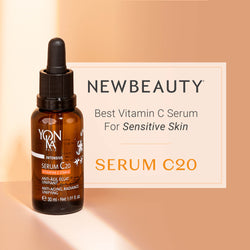
- Target and Treat: If you are dealing with dullness alongside oiliness, Serum Vitamine C 20% provides a potent dose of stable Vitamin C to brighten the appearance of the complexion without a greasy residue.
- Moisturize: Many people with oily skin skip this step, which is a mistake. Nude Perfect Fluide is an ideal daily choice, as it acts as a complexion perfector with a "blur" effect, mattifying the look of shine while providing essential hydration.
Key Takeaway: While DIY masks offer a quick fix for surface oil, a professional ritual using stabilized botanical extracts provides a deeper, more consistent approach to balancing the complexion and refining skin texture.
If you are looking for more textures and formulas to compare, browse our face moisturizers and our serums.
Advanced Treatments for Oily Skin
If your oily skin feels particularly stubborn, you may want to incorporate more intensive treatments into your weekly routine. Glyconight 10% Masque is an overnight glycolic acid mask that helps to "clean house" by dissolving the buildup of dead skin that often plagues oily types. By using this once or twice a week, you support the skin's natural renewal process, making it look smoother and less prone to congestion.
For those looking for professional-level results, we invite you to visit a local spa. Our brand was born in the treatment room, and over 7,000 professionals worldwide trust our methods. A professional esthetician can perform deep-cleansing extractions and apply high-concentration masks that aren't available for home use. You can use our Spa Locator to find a certified professional near you, or learn more about Yon-Ka treatments.
If you prefer guided skincare, try our Skin Diagnosis quiz or use the Product Matcher to narrow down the best fit for your routine.
Conclusion
Understanding how to make homemade face mask for oily skin is a wonderful way to connect with the traditions of botanical beauty. By using ingredients like clay, honey, and oats, you can manage the appearance of midday shine and enjoy a moment of sensory relaxation. However, for lasting balance and a truly refined complexion, combining these efforts with professional phyto-aromatic care is essential.
At Yon-Ka Paris, our mission is to provide you with the best of nature, backed by 70 years of French pharmaceutical rigor. Whether you are using a DIY mask or our signature Lotion Yon-Ka PNG, remember that skincare is a ritual worth savoring. Consistency is the key to seeing the skin you've always wanted. If you're unsure where to start, our brand story and our ingredients can help you understand what makes Yon-Ka different.
Bottom line: Balance oily skin by combining the purifying power of natural clays with a consistent professional ritual that hydrates rather than strips the skin.
FAQ
How often should I use a face mask for oily skin?
Generally, once or twice a week is sufficient for most oily skin types. Over-masking, especially with clay-based DIY recipes, can lead to dryness and irritation, which may actually trigger your skin to produce more oil in response. For ready-made options, see our face masks.
Can I use lemon juice directly on my face for oily skin?
While lemon juice is a popular DIY ingredient for its brightening effects, it is very acidic and can cause irritation or chemical burns if used improperly. It also makes your skin highly sensitive to the sun, so it should always be diluted and followed by a high-quality sunscreen.
What is the best clay to use for a homemade mask?
Bentonite and Kaolin are the most common and effective choices. Bentonite is more "powerful" and absorbent, making it ideal for very oily skin, while Kaolin is gentler and better suited for combination or slightly sensitive oily skin types.
Does oily skin still need moisturizer after a mask?
Yes, skipping moisturizer is a common mistake for those with oily skin. After a mask removes excess oil, the skin needs a lightweight, non-comedogenic hydrator like Nude Perfect Fluide to replenish moisture and signal to the sebaceous glands that they don't need to produce extra oil.