Table of Contents
- Introduction
- The Unique Needs of Dry Skin
- Essential Ingredients for Homemade Dry Skin Cleansers
- Recipe 1: The Raw Honey and Avocado Oil Cleanser
- Recipe 2: The Soothing Oat and Goat Milk Wash
- Recipe 3: The Jojoba and Aloe Vera Hydrating Gel
- Essential Oil Safety and the Phyto-Aromatic Experience
- The Importance of pH Balance in Cleansing
- Why Shelf Life and Preservatives Matter in DIY
- Transitioning from DIY to Professional Phyto-Aromatic Care
- The Yon-Ka Ritual for Dehydrated and Dry Skin
- Customizing Your Home Routine
- Conclusion
- FAQ
Introduction
Waking up to the sensation of tight, parched skin is a common frustration for those with a dry complexion. When the skin lacks the necessary lipids to maintain its barrier, every step of your routine becomes critical—especially the first one. Cleansing should never feel like a stripping process; it should feel like a nourishing embrace. Many people are turning to their kitchens and pantries to discover how to make face wash at home for dry skin, seeking the purity of botanical ingredients without the harsh surfactants often found in mass-market products.
At Yon-Ka Paris, we have spent over 70 years perfecting the art of phyto-aromatic skincare, rooted in the belief that nature provides the most potent solutions for skin health. This article will explore the science of dry skin, provide effective DIY recipes using high-quality natural ingredients, and discuss how to transition these homemade efforts into a professional-grade ritual. We will guide you through the benefits of humectants and emollients, ensuring your journey toward a more hydrated appearance is both safe and sensorial.
The Unique Needs of Dry Skin
Dry skin is more than just a temporary lack of moisture; it is a skin type characterized by a deficiency in natural oils, or sebum. Without enough oil, the skin’s protective barrier becomes compromised, leading to transepidermal water loss (TEWL). This is the process where moisture evaporates from the skin into the air, leaving the surface looking dull, flaky, and prone to fine lines.
When selecting or creating a cleanser for this skin type, the goal is twofold: to remove impurities like pollution and excess debris while simultaneously replenishing the skin’s lipid content. Traditional foaming cleansers often rely on sodium lauryl sulfate (SLS), a harsh detergent that can dissolve the very lipids your skin needs to stay supple. For dry skin, a gentle cleansing milk like Lait Nettoyant is a better model for a non-foaming, creamy, barrier-conscious cleanse.
Choosing botanical ingredients that mimic the skin’s natural composition is the most effective way to support a dry complexion. By focusing on plant-derived fats and moisture-binding sugars, you can create a cleansing experience that leaves the skin feeling soft and calm rather than "squeaky clean," which is often a sign of over-cleansing.
Essential Ingredients for Homemade Dry Skin Cleansers
To create an effective homemade face wash, you must understand the "why" behind your ingredients. Not all natural substances are suitable for the face, and some can even be counterproductive if used incorrectly. Here are the pillars of dry skin formulation:
Raw Honey
Honey is a natural humectant, meaning it attracts and holds moisture to the skin. Raw, unpasteurized honey also contains enzymes and antioxidants that support a bright, healthy-looking complexion. Its slightly acidic pH aligns well with the skin's natural state, making it an excellent base for a gentle wash.
Avocado Oil
Rich in oleic acid and vitamin E, avocado oil is a heavy-weight emollient. It penetrates deeply to soften the skin and reinforce the lipid barrier. It is particularly beneficial for those experiencing seasonal dryness or mature skin that has lost its natural elasticity.
Jojoba Oil
Technically a liquid wax, jojoba oil is molecularly similar to human sebum. This allows it to "trick" the skin into feeling balanced. It is lightweight yet incredibly effective at dissolving oil-based impurities like sunscreen and makeup without leaving a heavy residue.
Colloidal Oats
Oats contain avenanthramides, which are compounds known for their intense soothing properties. When finely ground into a powder, oats can be mixed with liquids to create a "milk" that calms redness and provides a very mild, non-abrasive exfoliation.
Aloe Vera Gel
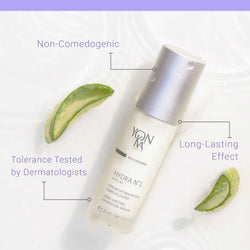
If your dry skin also feels "hot" or irritated, aloe vera is the perfect hydrating agent. It provides a burst of water-based moisture (hydration) rather than oil, which is essential because even dry skin needs water to remain plump and resilient.
Recipe 1: The Raw Honey and Avocado Oil Cleanser
This recipe is designed for those who want a simple, two-ingredient solution that provides immediate comfort. It works best as a morning cleanser or a second cleanse in the evening.
-
Ingredients:
- 3 tablespoons Raw Honey
- 1 tablespoon Avocado Oil
-
Instructions:
- In a small, sterilized glass jar, combine the honey and avocado oil.
- Stir vigorously with a clean spoon until the oil is fully incorporated into the honey.
- To use, dampen your face with lukewarm water.
- Apply a nickel-sized amount of the mixture to your palms and massage onto your face in upward, circular motions for 60 seconds.
- Rinse thoroughly with warm water. You may need a soft washcloth to ensure all the honey is removed.
Why it works: The honey binds moisture to the surface while the avocado oil provides the fatty acids necessary to smooth the appearance of dry patches. The result is skin that feels "plumped" and refreshed.
Recipe 2: The Soothing Oat and Goat Milk Wash
For skin that is both dry and sensitive, this powder-to-milk cleanser is an excellent choice. It avoids the use of water in the storage phase, which helps extend its shelf life.
-
Ingredients:
- 1/2 cup Finely Ground Colloidal Oats
- 2 tablespoons Whole Milk Powder (or Goat Milk Powder)
- 1 teaspoon Dried Lavender Flowers (optional, ground into a powder)
-
Instructions:
- Mix the dry ingredients in a clean container and store in a cool, dry place.
- When ready to cleanse, place a teaspoon of the powder in the palm of your hand.
- Add a few drops of water or rose water to create a thin, creamy paste.
- Massage gently into the skin.
- Rinse with cool water and pat dry.
Why it works: Milk powder contains lactic acid, a gentle alpha hydroxy acid (AHA) that helps dissolve dead skin cells without the need for scrubbing. The oats provide a protective film that keeps the skin feeling soft long after the wash is rinsed away.
Recipe 3: The Jojoba and Aloe Vera Hydrating Gel
This recipe is for those who prefer the texture of a traditional gel cleanser but want to avoid the drying effects of soap.
-
Ingredients:
- 1/4 cup Pure Aloe Vera Gel (ensure it is free of alcohol and artificial colors)
- 2 tablespoons Jojoba Oil
- 1 tablespoon Rose Water
-
Instructions:
- Whisk the aloe vera, jojoba oil, and rose water together in a small bowl.
- Transfer the mixture to a pump bottle.
- Shake well before each use, as the oil and aloe may naturally separate.
- Massage a small amount onto dry or damp skin.
- Rinse with lukewarm water.
Why it works: This formula balances the delivery of water (aloe) and oil (jojoba). The rose water acts as a mild astringent to help refine the appearance of pores while providing a light, botanical scent.
Essential Oil Safety and the Phyto-Aromatic Experience
One of the most exciting aspects of making face wash at home is the ability to add aromatic benefits. However, essential oils are highly concentrated and must be used with caution. At Yon-Ka, we prioritize the "Quintessence"—our signature complex of lavender, geranium, rosemary, cypress, and thyme. This blend is meticulously balanced for both efficacy and safety, and you can learn more about our ingredients if you want to understand how it shapes the brand’s formulas.
When adding essential oils to your DIY recipes, keep the following safety practices in mind:
- Dilution is Mandatory: Never apply undiluted essential oils directly to the skin. For facial applications, a 0.5% to 1% dilution is generally recommended (about 1–3 drops per ounce of product).
- The Patch Test: Before using any new DIY creation, apply a small amount to your inner forearm. Wait 24 hours to ensure no redness, itching, or irritation occurs.
- Avoid Photosensitizers: Do not use citrus oils like lemon, lime, or bergamot in leave-on or wash-off products if you plan to be in the sun, as they can increase sensitivity to UV rays.
- Sensory Awareness: A very slight, brief tingling can sometimes occur with active botanicals. However, if you experience persistent burning or visible redness, discontinue use immediately.
Key Takeaway: Essential oils offer therapeutic benefits for the skin and mind, but they require respect. Always prioritize dilution and perform a patch test to ensure your DIY experience remains a positive one.
The Importance of pH Balance in Cleansing
The skin’s surface is naturally acidic, with a pH typically between 4.5 and 5.5. This "acid mantle" is a crucial defense mechanism against bacteria and environmental stressors. One of the biggest risks of DIY face washes is using ingredients that are too alkaline, such as baking soda or pure castile soap.
Castile soap, while natural, often has a pH of around 9 or 10. For someone with oily skin, this might be tolerable, but for dry skin, it can be disastrous. An alkaline cleanser can disrupt the moisture barrier for hours, leading to increased dryness and sensitivity.
When making your own face wash, try to stick to naturally pH-balanced ingredients like honey, yogurt, or aloe. If you choose to use a small amount of castile soap for "suds," always balance it with an acidic ingredient like apple cider vinegar or rose water, and follow up immediately with a hydrating mist to help the skin recalibrate.
Why Shelf Life and Preservatives Matter in DIY
The primary challenge with homemade skincare is stability. Most store-bought products contain preservatives that prevent the growth of mold, yeast, and bacteria. When you mix water-based ingredients (like aloe, water, or milk) at home, you are creating an environment where microbes can thrive.
To keep your DIY face wash safe:
- Make Small Batches: Only make enough to last for 5–7 days.
- Refrigerate: Store any mixture containing water or fresh ingredients in the fridge.
- Use Distilled Water: If a recipe calls for water, always use distilled water to minimize the introduction of minerals and bacteria.
- Avoid Finger Dipping: Use a clean spoon or a pump bottle to dispense your cleanser. Introducing water from your hands into a jar will cause the product to spoil faster.
If you notice a change in color, smell, or texture, discard the product immediately. For those who find the maintenance of DIY products cumbersome, transitioning to professionally formulated botanical skincare ensures both safety and high-performance results.
Transitioning from DIY to Professional Phyto-Aromatic Care
While DIY recipes are a wonderful way to explore natural ingredients, professional formulations offer a level of stability, texture, and ingredient concentration that is difficult to achieve in a kitchen. At Yon-Ka, we take the same botanical principles—like the use of high-quality oils and plant extracts—and refine them through pharmaceutical-grade manufacturing.
Our iconic Lait Nettoyant is the perfect example of how professional skincare can honor the "DIY" spirit of natural purity while offering superior results. This cleansing milk is specifically designed for dry and sensitive skin. It uses a high concentration of plant-derived lipids to dissolve makeup and pollution while maintaining the skin's moisture levels. Unlike many homemade washes that can feel greasy or sticky, this milk rinses away perfectly, leaving the skin feeling silky and balanced.
By moving from a homemade honey wash to a professional milk cleanser, you benefit from:
- Optimized pH: Every batch is tested to ensure it matches the skin’s natural acidity.
- The Quintessence: You receive the calibrated benefits of our five essential oils, which support the skin's natural repair processes.
- Texture and Elegance: Professional formulas are designed to be a joy to use, with a slip and scent that turn a chore into a ritual.
The Yon-Ka Ritual for Dehydrated and Dry Skin
True skin transformation comes from a consistent ritual, not just a single product. If you have been experimenting with how to make face wash at home for dry skin, you are already on the path to a more mindful routine. We recommend layering your products to maximize the "plumping" effect.
Step 1: Cleanse
Begin with a gentle milk like Lait Nettoyant. Apply it to dry skin with your fingertips, massaging in small circles to lift away the day. This respects the barrier you have worked so hard to protect.
Step 2: Mist
Immediately after cleansing, mist your face with Lotion Yon-Ka PS. This is our signature phyto-aromatic mist, specifically the version for dry skin (PS stands for Peaux Sèches). It is alcohol-free and infused with the Quintessence. It acts as a "pre-moisturizer," hydrating the skin and allowing subsequent products to absorb more deeply.
Step 3: Treat
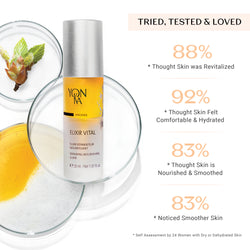
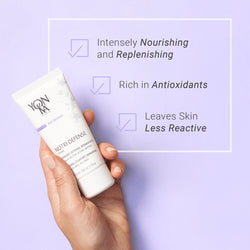
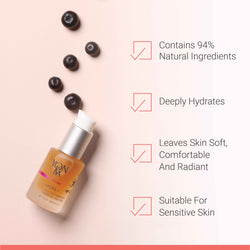
For those with persistent dryness, adding a booster or serum is a game-changer. Our Nutri + Booster can be mixed directly into your cream to provide an extra dose of antioxidants and nourishing oils. If your skin feels severely depleted, Serum Omega provides essential fatty acids to help restore comfort and support the moisture barrier.
Step 4: Moisturize
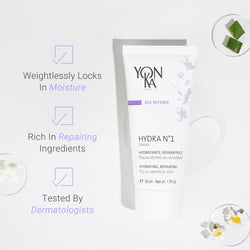
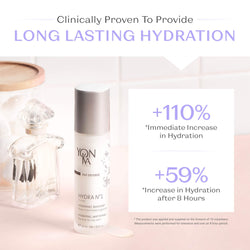
Seal everything in with a high-performance cream. For intense hydration, Hydra n°1 Crème uses two forms of hyaluronic acid to provide both immediate and long-term moisture. For mature skin concerned with both dryness and firmness, Excellence Code Crème offers a comprehensive approach to aging correction.
Bottom line: A ritual-based approach ensures that you aren't just cleaning the skin, but actively nourishing it at every stage of the process.
Customizing Your Home Routine
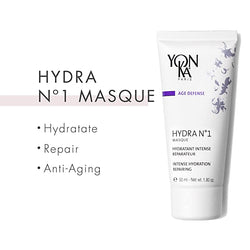
If you enjoy the process of making your own products but want the reliability of professional skincare, you can find a middle ground. Many of our customers enjoy "cocktailing" their products. This involves taking a base like Hydra n°1 Masque and adding a drop of their favorite homemade oil blend or a professional booster like Nutri +.
This allows you to play with textures and scents while still relying on the stabilized, high-potency foundations that Yon-Ka Paris is known for. If you are ever unsure which path is right for your skin, we invite you to take our Skin Diagnosis quiz or browse our collections. These resources help narrow down the 80+ products in our range to the specific ones that will address your unique concerns.
Conclusion
Learning how to make face wash at home for dry skin is a rewarding introduction to the world of botanical beauty. By using ingredients like raw honey, avocado oil, and colloidal oats, you can provide your skin with the gentle, lipid-rich care it craves. However, the journey to radiant skin often requires the precision and stability that only professional phyto-aromatic skincare can provide.
At Yon-Ka Paris, our mission is to provide you with the professional tools to transform your daily routine into a therapeutic ritual. Whether you choose to craft your own cleansers or trust in our 70 years of French expertise, the goal remains the same: a healthy, glowing, and resilient complexion. We encourage you to savor these moments of self-care and listen to what your skin is telling you.
"Skincare is not just a habit; it is a moment of connection between your senses and the power of nature."
To take the next step in your skincare journey, consider exploring our Essentials collection or finding a local spa through our Spa Locator to experience a professional phyto-aromatic treatment firsthand.
FAQ
Can I use castile soap in a DIY face wash for dry skin?
While castile soap is a popular natural ingredient, it is often too alkaline for dry skin types. If you choose to use it, ensure it is heavily diluted with a humectant like aloe vera or honey and followed immediately with Lotion Yon-Ka PS.
How long does a homemade face wash last?
Any DIY cleanser containing water, milk, or fresh aloe vera should be stored in the refrigerator and discarded after one week. Without professional preservatives, bacteria and mold can grow quickly, even if they are not yet visible to the eye.
Is honey safe for all skin types?
Raw honey is generally very safe and beneficial for most skin types, including dry and sensitive. However, if you have a known allergy to bees or pollen, you should perform a patch test or consult with your physician before applying honey to your face.
Do I still need a moisturizer if my DIY cleanser has oils in it?
Yes, even if your cleanser contains nourishing oils, it is a wash-off product. To truly protect dry skin and prevent water loss, you must apply a leave-on moisturizer or face oil to seal in hydration and maintain the skin's barrier throughout the day.