Table of Contents
- Introduction
- Understanding Dry Skin’s Unique Language
- The Anatomy of a DIY Face Serum
- How to Make Face Serum at Home for Dry Skin: A Step-by-Step Guide
- Selecting Your Botanical Foundation
- The Role of Phyto-Aromatics and Essential Oils
- Moving Beyond the Kitchen: When to Choose Professional Formulations
- Elevating Your Ritual with Yon-Ka Expertise
- Building a Holistic Ritual for Dry Skin
- Essential Safety and Storage Practices
- The Professional Spa Connection
- Conclusion
- FAQ
Introduction
There is a specific kind of discomfort that comes with dry skin—a persistent tightness after cleansing, the appearance of fine, parched lines, and a dullness that resists even the heaviest creams. When your complexion feels thirsty and fragile, a face serum serves as a concentrated "drink" of nutrients designed to restore the look of suppleness and glow. Many enthusiasts are turning toward botanical alchemy to address these concerns, exploring how to make face serum at home for dry skin using raw, plant-based ingredients.
At Yon-Ka Paris, we have spent over 70 years perfecting the art of phyto-aromatic formulation, bridging the gap between traditional plant knowledge and modern skin science. This article will explore the foundational steps of creating a DIY serum, the specific botanical oils that support a dry complexion, and how to eventually transition from home recipes to professional-grade rituals for deeper results. Understanding the chemistry of oils is the first step toward a more resilient, radiant appearance.
Quick Answer: To make a basic face serum for dry skin at home, combine 1 ounce (30ml) of a rich carrier oil like Argan or Jojoba with 4–6 drops of skin-soothing essential oils such as Lavender or Sandalwood. Add a few drops of Vitamin E oil to act as an antioxidant, then store the mixture in a dark glass bottle to preserve its botanical potency.
Understanding Dry Skin’s Unique Language
Before mixing your first bottle, it is vital to understand what dry skin is actually asking for. Unlike dehydrated skin—which lacks water—true dry skin lacks oil (lipids). When the skin’s natural lipid barrier is compromised, moisture escapes more easily, leading to a rough texture and increased sensitivity.
A well-crafted serum for dry skin serves two primary purposes: it delivers essential fatty acids to help replenish the look of the moisture barrier, and it provides antioxidant protection to soothe the appearance of redness and irritation. In the world of botanical skincare, we look to "liquid gold" carrier oils and aromatic essential oils to mimic the skin's natural sebum and provide lasting comfort.
The Anatomy of a DIY Face Serum
A face serum is not a moisturizer, though oil-based DIY versions often behave like "active oils." In professional skincare, serums are typically formulated with smaller molecular weights to penetrate deeper into the epidermis. At home, you are essentially creating a high-potency facial oil. To be effective, your DIY blend needs three distinct layers.
The Foundation: Carrier Oils
The carrier oil makes up about 95% of your serum. For dry skin, you want oils that are rich in oleic acid, which provides deep nourishment and helps the skin feel softer. Unlike lighter oils used for oily skin, these "heavier" carriers stay on the skin slightly longer to provide a protective seal.
The Active: Essential Oils
Essential oils are the "spirit" of the plant. They are highly concentrated and should never be applied to the skin undiluted. In a face serum, they provide targeted benefits—from calming the appearance of inflammation to supporting the look of skin elasticity.
The Stabilizer: Antioxidants
Because plant oils can oxidize when exposed to air and light, adding an antioxidant like Vitamin E (Tocopherol) is essential. It not only helps keep your serum fresh for longer but also helps protect your skin from environmental stressors that can exacerbate dryness.
How to Make Face Serum at Home for Dry Skin: A Step-by-Step Guide
Creating your own serum is a ritual of mindfulness. It allows you to connect with the raw materials of nature and customize a blend that feels specifically tailored to your skin’s needs on any given day.
Preparation and Tools
- A 1-ounce (30ml) dark glass bottle: Preferably amber or miron glass. This protects the delicate essential oils from UV light.
- A small glass funnel: To prevent spills and maintain hygiene.
- Stainless steel or glass stirring rod: Avoid reactive metals or porous wood.
- Patience: Creating the blend is only half the process; letting it "marry" for 24 hours often improves the aromatic profile.
The Basic Recipe for Dry Skin
- Measure your base: Pour 2 tablespoons (approximately 30ml) of your chosen carrier oil (such as Argan or Sweet Almond oil) into the glass bottle.
- Add the actives: Carefully add 5–6 drops of high-quality essential oils. For dry skin, a combination of 3 drops of Lavender and 3 drops of Sandalwood is a classic, soothing choice.
- Incorporate the protector: Add 3–5 drops of Vitamin E oil.
- Seal and blend: Close the bottle tightly and roll it gently between your palms. Avoid shaking vigorously, as this can introduce unnecessary air bubbles into the oil.
Note: Always perform a patch test when introducing a new DIY serum. Apply a small amount to your inner forearm and wait 24 hours to ensure no irritation occurs. If you experience persistent redness, reduce the concentration of essential oils or discontinue use.
Selecting Your Botanical Foundation
The efficacy of your serum depends entirely on the quality and type of carrier oils you select. For dry skin, the goal is "bio-affinity"—choosing oils that the skin recognizes and absorbs readily.
Argan Oil: The Gold Standard
Often called "Moroccan Gold," Argan oil is exceptionally high in Vitamin E and fatty acids. It is a medium-weight oil that offers a beautiful balance between absorption and protection. It helps to smooth the appearance of fine lines that often plague dry complexions.
Avocado Oil: For Intense Nourishment
If your skin feels chronically parched or "papery," Avocado oil is an excellent addition. It is a rich, emollient oil that penetrates the surface more deeply than many other carriers. Because it is quite thick, it is often best used in a 50/50 blend with a lighter oil like Jojoba.
Rosehip Seed Oil: The Radiance Booster
Rosehip oil is celebrated for its high content of Vitamin A (a natural form of retinol) and Vitamin C. While it is technically a "dry oil" that absorbs quickly, its ability to support the appearance of skin tone and texture makes it a favorite for those dealing with the dullness associated with dryness.
Evening Primrose Oil: The Barrier Builder
Rich in Gamma-Linolenic Acid (GLA), Evening Primrose oil is legendary for its ability to support the skin's barrier function. It is particularly helpful for those whose dry skin often feels "reactive" or prone to temporary redness.
The Role of Phyto-Aromatics and Essential Oils
At Yon-Ka, we believe in the power of aromachology—the study of how scents affect our well-being—combined with aromatherapy for skin health. When making a serum at home, the essential oils you choose provide both the clinical benefit and the sensorial experience. If you want to learn more about the botanical philosophy behind our formulas, explore our ingredients.
- Lavender (Lavandula angustifolia): Perhaps the most versatile oil in any apothecary, Lavender helps to calm the appearance of irritated skin and provides a relaxing aromatic experience.
- Geranium (Pelargonium graveolens): Known for its balancing properties, Geranium helps to revitalize the look of dull skin and offers a sophisticated, floral scent.
- Frankincense (Boswellia carterii): A prized oil for mature, dry skin, Frankincense helps to support a firm, toned appearance and has been used for centuries in skin-tending rituals.
- Helichrysum: Often referred to as "Immortelle," this precious oil is highly regarded for its ability to reduce the look of redness and support the skin's natural recovery process.
Key Takeaway: Dry skin requires a balance of rich carrier oils (lipids) and soothing essential oils (actives). By matching the oil's fatty acid profile to your skin's specific needs, you can create a customized DIY serum that supports a healthy-looking moisture barrier.
Moving Beyond the Kitchen: When to Choose Professional Formulations
While DIY serums are a wonderful way to explore botanical ingredients, they do have limitations. Home-made oil blends consist of large molecules that primarily sit on the surface of the skin. They are excellent for sealing in moisture, but they often lack the sophisticated delivery systems found in professional products.
Professional skincare formulation involves pharmaceutical-grade rigor and advanced extraction techniques. For instance, a professional serum may include "fragmented" hyaluronic acid—molecules that have been broken down to specific weights to ensure they reach the appropriate layers of the skin. They also utilize stabilized versions of vitamins that are less prone to oxidation than raw oils. To compare moisturizing formats designed for dry skin, browse our face moisturizers.
Furthermore, professional products undergo rigorous stability testing. A DIY oil blend can go rancid within months, whereas a professionally formulated product like those from Yon-Ka is designed to remain potent and safe from the first pump to the last.
Elevating Your Ritual with Yon-Ka Expertise
If your skin requires more intensive care than a home recipe can provide, we offer specialized professional solutions born in the treatment room and refined by 70 years of expertise. Our approach is always built around the Quintessence, our exclusive complex of five essential oils: lavender, geranium, rosemary, cypress, and thyme. This 100% natural and active core is the foundation of our high-trust formulas.
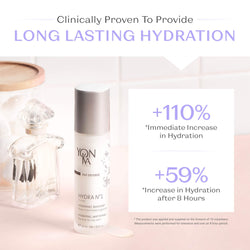
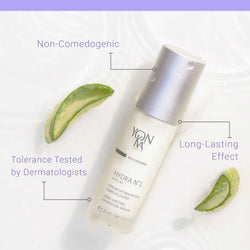
For Deep Hydration: Hydra N°1 Serum
When dry skin is also feeling dehydrated and tight, our Hydra n°1 Serum acts as a long-lasting hydration booster. Unlike a pure oil, this formula uses two molecular weights of hyaluronic acid to drench the skin in moisture. It is designed to be layered under a moisturizer to intensify the hydrating effect.
For Lipid Restoration: Serum Omega
If your goal is to mimic the richness of a DIY oil but with professional precision, Serum Omega is an exceptional choice. This "oil-in-serum" is rich in Omega 3, 6, and 9 fatty acids derived from blackcurrant and raspberry seed oils. It is specifically formulated to repair the appearance of the skin's barrier and provide immediate comfort to very dry skin.
For a Custom Boost: Nutri + Booster
For those who love the idea of "mixing" their own skincare, our Nutri + Booster allows you to customize your ritual. You can add a few drops of this nutrient-dense oil—rich in wheat germ oil and our signature Quintessence—directly into your daily moisturizer (such as Hydra n°1 Crème) to increase its nourishing properties.
Building a Holistic Ritual for Dry Skin
Skincare is more than just a single product; it is a layered ritual. For those with dry skin, every step should focus on preserving the skin's delicate moisture balance. If you are still exploring the best routine for your complexion, our Yon-Ka Skin Quiz can help narrow down the right path.
- Cleanse: Use a gentle, barrier-respecting cleansing milk like Lait Nettoyant. Avoid foaming cleansers that can strip the skin of its necessary oils.
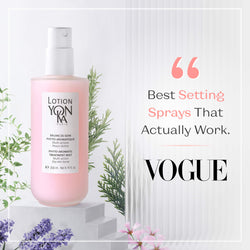
- Mist: Prepare the skin with Lotion Yon-Ka PS. This alcohol-free, phyto-aromatic mist hydrates and optimizes the skin for the serums to follow.
- Treat: Apply your serum (either your DIY blend or a targeted treatment like Serum Omega) while the skin is still slightly damp from the mist.
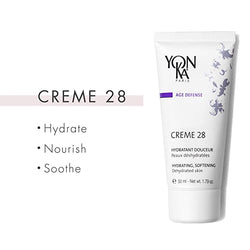
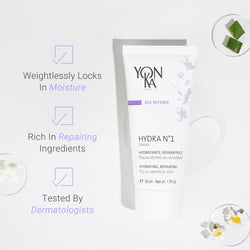
- Moisturize: Seal everything in with a rich cream. For intense dryness, Hydra N°1 Crème provides a comforting cocoon of moisture.
- Protect: Never forget sun protection during the day, as UV damage can further dehydrate and age dry skin.
Myth: "Oils can replace my moisturizer." Fact: Oils are occlusive, meaning they seal moisture in, but they do not always provide the water-based hydration skin needs. For dry skin, it is best to layer an oil or serum underneath a traditional cream to provide both lipids and water.
Essential Safety and Storage Practices
When working with botanical ingredients at home, safety and hygiene are paramount. Because DIY serums usually lack professional preservatives, they require careful handling.
- Small Batches: Only make what you can use within 2–3 months. The fresher the oils, the higher the nutrient content.
- Avoid Contamination: Never touch the dropper directly to your skin. This can introduce bacteria from your face back into the bottle.
- Temperature Control: Store your serum in a cool, dark place. Some users prefer a dedicated skincare refrigerator to maintain the integrity of delicate oils like Rosehip or Evening Primrose.
- Watch for Changes: If your serum changes color, develops a cloudy appearance, or begins to smell "off" (like old crayons), discard it immediately. This is a sign that the oils have oxidized.
The Professional Spa Connection
While home care is the foundation of healthy skin, professional intervention can take your results to the next level. Dry skin often benefits from the deep exfoliation and professional-grade masks found in a spa setting. Treatments like the Hydralessence facial use high-performance botanical extracts to deeply rehydrate and nourish the skin in ways that are difficult to replicate at home. For more professional guidance, visit the Yon-Ka Spa Locator to find a nearby treatment provider.
Skincare professionals have the tools to analyze your skin's lipid levels and recommend the exact combination of oils and humectants your complexion requires.
Conclusion
Learning how to make face serum at home for dry skin is a rewarding journey into the world of botanical beauty. It teaches us to appreciate the potency of plant oils and the importance of nourishing our skin's barrier. Whether you choose the path of DIY alchemy or prefer the clinical precision of professional phyto-aromatic skincare, the goal remains the same: to treat your skin with the respect and nourishment it deserves.
At Yon-Ka Paris, our mission is to provide a ritual that goes beyond the surface, engaging your senses while delivering visible results. We invite you to explore our full range of face care collections and face moisturizers for dry and dehydrated skin to find the perfect professional companions for your skincare journey. If you are unsure which products are right for your unique skin type, our Skin Diagnosis quiz and Product Matcher tools are available to help you build a routine that will leave your skin looking vibrant, supple, and beautifully healthy.
Bottom line: A face serum is a vital tool for managing dry skin. While DIY versions offer a wonderful introduction to plant oils, combining them with a professional routine ensures your skin receives the deep hydration and stable nutrients it needs for long-term health.
FAQ
Can I use my DIY serum every day?
Yes, most oil-based serums for dry skin are designed for daily use. However, because they are concentrated, you only need 3–5 drops per application. Apply it to clean, damp skin twice a day—once in the morning and once at night—before your moisturizer to lock in the benefits. If you want a ready-made routine builder, start with our curated dry-skin products.
Will an oil-based serum cause breakouts if I have dry skin?
Generally, dry skin types benefit greatly from oils and are less prone to breakouts. However, you should choose non-comedogenic carrier oils like Jojoba, Argan, or Grapeseed oil, which are less likely to clog pores. If you notice new blemishes, try reducing the frequency of use or switching to a lighter carrier oil. For personalized guidance, use the Product Matcher.
How do I know if my DIY serum has gone bad?
The most common sign that a serum has expired is a change in scent; oxidized oils often have a sour or "rancid" smell similar to old oil or crayons. You may also notice a change in the oil's color or consistency. To prevent this, always add Vitamin E to your DIY recipes and store them in a cool, dark place.
Is it better to apply serum to wet or dry skin?
It is highly recommended to apply serum to slightly damp skin. When your face is damp—ideally from a phyto-aromatic mist like Lotion Yon-Ka—the skin is more permeable, allowing the oils and active ingredients in your serum to absorb more effectively while trapping extra moisture beneath the surface.