Table of Contents
- Introduction
- Understanding the Needs of Dry Skin
- The Science of Kitchen Botanicals
- How to Make Face Mask for Dry Skin: Three DIY Recipes
- Elevating the Ritual with Phyto-Aromatic Science
- The Professional Alternative: Yon-Ka Masks for Dry Skin
- Designing Your Weekly Masking Ritual
- Safety and Best Practices for DIY Masking
- The Role of Lifestyle in Managing Dry Skin
- Conclusion
- FAQ
Introduction
Few things feel as uncomfortable as skin that has lost its bounce—that tight, parched sensation that often leads to visible flakiness and a dull complexion. Whether it is the result of harsh winter winds, air conditioning, or a naturally lipid-deficient skin type, dry skin craves more than just a quick application of cream. It demands a dedicated moment of replenishment. At Yon-Ka Paris, we believe that skincare is most effective when it is treated as a ritual, blending the precision of plant science with the sensorial comfort of a professional spa treatment.
This article explores the art of the at-home facial, specifically focusing on how to make face mask for dry skin using high-quality botanical ingredients you likely already have. We will delve into the science of why certain ingredients work and how you can transition from simple DIY remedies to professional-grade phyto-aromatic care. By understanding your skin's unique needs, you can transform a routine chore into a restorative experience that leaves your skin looking supple and radiant.
Quick Answer: To make a basic face mask for dry skin, combine one-half of a ripe avocado with one tablespoon of raw honey and a teaspoon of Greek yogurt. Apply the smooth paste to cleansed skin for 15 minutes to replenish essential lipids and attract moisture before rinsing with lukewarm water.
Understanding the Needs of Dry Skin
Before reaching for the mixing bowl, it is essential to understand what dry skin actually requires. In the world of skincare education, we often distinguish between "dry" and "dehydrated" skin. While they may feel similar, they are biologically different. Dry skin lacks oil (lipids), whereas dehydrated skin lacks water. Most people experiencing persistent tightness and flaking are dealing with a lack of lipids, which compromises the skin’s natural protective barrier.
When this barrier is weakened, moisture escapes through a process called trans-epidermal water loss. To address this, a mask must perform two functions: it must act as a humectant to draw moisture into the skin and as an emollient to seal that moisture in. Botanical ingredients like avocado, honey, and plant oils are exceptional at this because they mimic the skin's natural sebum, providing comfort and protection.
The Science of Kitchen Botanicals
When you look at how to make face mask for dry skin, you will notice several recurring ingredients. This is not by accident; these staples contain specific compounds that benefit the appearance of the skin’s texture and health.
- Avocado: Rich in omega-3 fatty acids and oleic acid, avocados are potent emollients. They help to "fill in" the gaps between skin cells, making the skin surface look smoother and feel softer.
- Honey: A natural humectant, honey has the unique ability to attract and hold onto water molecules. This makes it a foundational ingredient for any hydrating ritual.
- Yogurt: Full-fat Greek yogurt contains lactic acid, a gentle Alpha Hydroxy Acid (AHA). Lactic acid is unique because it exfoliates dead, flaky skin cells while simultaneously supporting the skin's ability to retain moisture.
- Oatmeal: If your dry skin is accompanied by redness or irritation, finely ground oatmeal is a savior. It contains antioxidant and anti-inflammatory compounds called avenanthramides that help soothe the look of reactive skin.
How to Make Face Mask for Dry Skin: Three DIY Recipes
Creating your own mask is a wonderful way to connect with the botanical world. Ensure your ingredients are fresh and organic whenever possible to avoid introducing pesticides or synthetic additives to your ritual.
1. The Lipid-Rich Avocado and Honey Mask
This is the "gold standard" for skin that looks rough or feels physically thin and tight.
- Ingredients: 1/2 a ripe avocado, 1 tablespoon of raw honey, and 1 teaspoon of extra virgin olive oil or sweet almond oil.
- Step 1: Mash the avocado in a small bowl until it is a completely smooth paste.
- Step 2: Stir in the honey and oil until the mixture is uniform and creamy.
- Step 3: Apply a thick, even layer to your face and neck, avoiding the immediate eye area.
- Step 4: Relax for 15 to 20 minutes, allowing the oils to penetrate the epidermis.
- Step 5: Rinse thoroughly with lukewarm water and a soft cloth.
2. The Soothing Oatmeal and Yogurt Recovery Mask
Choose this recipe if your skin feels sensitive, itchy, or "angry" due to weather changes.
- Ingredients: 2 tablespoons of finely ground oats, 2 tablespoons of plain Greek yogurt, and 1 teaspoon of aloe vera gel.
- Step 1: Mix the oats and yogurt and let the mixture sit for five minutes so the oats can soften.
- Step 2: Stir in the aloe vera gel.
- Step 3: Apply to the skin and leave for 12 minutes.
- Step 4: As you rinse, gently massage in circular motions to allow the oats to lightly sweep away dry flakes.
3. The Brightening Banana and Almond Oil Mask
Ideal for dry skin that appears dull or "tired" and needs a boost in radiance.
- Ingredients: 1/2 a ripe banana (very ripe is best), 1 tablespoon of heavy cream, and 1 teaspoon of sweet almond oil.
- Step 1: Mash the banana thoroughly until no lumps remain.
- Step 2: Whisk in the cream and almond oil.
- Step 3: Apply to the face and leave on for 15 minutes.
- Step 4: Rinse with cool water to help "wake up" the complexion.
Key Takeaway: DIY masks are excellent for immediate, temporary relief of surface dryness. They use food-grade emollients and humectants to provide comfort and can be a beautiful supplement to a professional skincare program.
Elevating the Ritual with Phyto-Aromatic Science
While kitchen ingredients offer wonderful surface benefits, professional skincare takes the power of plants much deeper. At Yon-Ka, we have spent 70 years refining the synergy between aromatherapy, phytotherapy, and marine biology. While an avocado mask provides essential fats, our Our Ingredients page shows how our professional formulas are engineered to support the skin's long-term biological functions.
Our heritage is rooted in the Quintessence, an exclusive complex of five essential oils—lavender, geranium, rosemary, cypress, and thyme. This 100% natural and active core is what distinguishes our products from simple home remedies. These oils do more than just smell beautiful; they are chosen for their ability to revitalize, balance, and soothe the appearance of the skin on a more profound level.
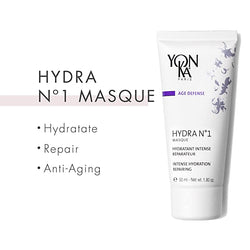
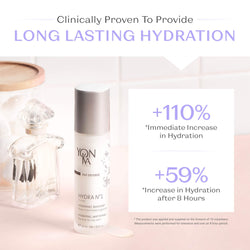
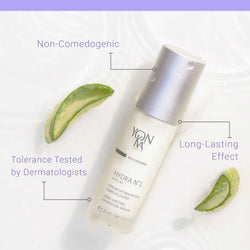
When you transition from a DIY mask to a professional treatment like Hydra n°1 Masque, you are moving from simple hydration to a time-released, deep-replenishment system. Professional masks are formulated with specific molecular weights of ingredients like hyaluronic acid, allowing them to hydrate both the surface and deeper layers of the stratum corneum.
The Professional Alternative: Yon-Ka Masks for Dry Skin
For those who want to see a significant, long-term improvement in their skin’s moisture levels, we recommend integrating professional-grade masks into your weekly ritual. These products were born in the treatment room and are trusted by over 7,000 skincare professionals worldwide.
Hydra n°1 Masque
This is the ultimate "SOS" treatment from our Intensive range. This gel-cream mask is designed for severely dry and dehydrated skin. It contains high and low molecular weight hyaluronic acid, which acts as a moisture sponge, alongside jojoba, vitamins A, C, and E, and the soothing scent of rose and jasmine.
- Pro Tip: For an intensive overnight treatment, apply a thin layer of Hydra n°1 Masque before bed and leave it on while you sleep. You will wake up with skin that looks visibly plumped and rejuvenated.
Masque 105
If your dry skin also feels congested or dull, Masque 105 is the perfect solution. It is a clarifying clay mask that remains supple on the skin, so it never feels tight or "crackly" like traditional clay masks. It uses three types of clay to detoxify while essential oils of lemon and savory help to brighten the look of the complexion.
Serum Omega
For skin that is lipid-dry (lacking in oil), adding a few drops of Serum Omega to your mask or moisturizer can provide the deep nourishment that kitchen oils sometimes cannot achieve. This oil-in-serum is rich in essential fatty acids and is part of our Specific collection, designed to restore the skin’s lipid barrier.
Designing Your Weekly Masking Ritual
To get the most out of any mask—whether it is one you made in your kitchen or a professional Yon-Ka favorite—the application process is vital. We believe in a layered, ritual-based approach.
- Cleanse: Always start with a clean canvas. Use a gentle, barrier-respecting cleanser like Lait Nettoyant. This cleansing milk removes impurities without stripping the skin's natural oils, which is critical for dry skin types.
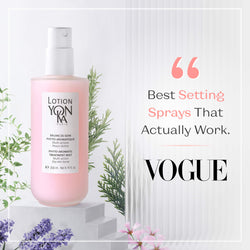
- Mist: Prepare the skin with a phyto-aromatic mist. Lotion Yon-Ka PS (specifically formulated for dry skin) is more than just a toner. It is a healing water that hydrates and allows the active ingredients in your mask to absorb more effectively.
- Treat with a Mask: Apply your chosen mask in a generous layer. This is your time to disconnect. Close your eyes, breathe in the botanical aromas, and let the ingredients work.
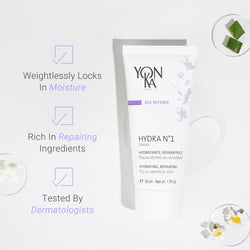
- Moisturize and Protect: After rinsing your mask, never leave the skin "naked." Immediately apply a hydrating cream like Hydra n°1 Crème to lock in the hydration. During the day, always finish with sun protection to prevent further environmental damage.
Safety and Best Practices for DIY Masking
Even though natural ingredients are generally safe, they are still active. When learning how to make face mask for dry skin, keep these safety points in mind to ensure your experience remains positive and effective.
- The Patch Test: Always perform a patch test before applying any new ingredient to your entire face. Apply a small amount of your mixture to your inner forearm and wait 24 hours to ensure no redness or irritation occurs.
- Introduce One at a Time: If you are trying a new DIY recipe and a new professional product, introduce them at least a week apart. This helps you identify which product is responsible if your skin has a reaction.
- Sensory Cues: A slight tingling sensation can be normal when using active botanicals or essential oils. However, if you experience persistent redness, burning, or itching, remove the mask immediately with cool water and discontinue use.
- Hygiene Matters: Since DIY masks do not contain preservatives, they must be used immediately. Never store a homemade mask in the fridge for later use, as bacteria can grow quickly in fresh food mixtures.
The Role of Lifestyle in Managing Dry Skin
A face mask is a powerful tool, but it works best when supported by a healthy lifestyle. Topical treatments are part of a larger ecosystem of care.
| Factor | Impact on Dry Skin | Recommendation |
|---|---|---|
| Water Intake | Dehydration starts from within. | Drink at least 8 glasses of water daily to support skin turgor. |
| Dietary Fats | Lipids are the building blocks of the skin barrier. | Incorporate walnuts, flaxseeds, and salmon for healthy omega-3s. |
| Environment | Heating and AC strip moisture from the air. | Use a humidifier in your bedroom during winter months. |
| Water Temp | Hot water dissolves the skin's natural oils. | Always wash your face with lukewarm or cool water. |
By addressing both the internal and external factors, your masking ritual becomes significantly more effective. If you find that your skin remains chronically dry, flaky, or irritated despite these efforts, we recommend consulting a dermatologist to rule out underlying conditions like eczema or psoriasis.
Conclusion
Mastering the art of how to make face mask for dry skin is a rewarding journey into the world of botanical self-care. Whether you are whisking together avocado and honey in your kitchen or applying a professional-grade treatment like Hydra n°1 Masque, you are giving your skin the essential lipids and hydration it needs to thrive. Consistent, ritualized care is the key to moving from a complexion that feels tight and dull to one that looks vibrant and supple.
- Identify whether your skin is dry (needs oil) or dehydrated (needs water).
- Use kitchen staples like avocado, honey, and yogurt for quick surface relief.
- Elevate your routine with professional phyto-aromatic formulas for deeper results.
- Always prep the skin with a gentle cleanser and a hydrating mist.
At Yon-Ka Paris, our mission is to provide you with the most effective botanical solutions, rooted in a 70-year legacy of French pharmaceutical rigor and spa expertise. We believe every individual's skin is unique. If you are unsure which ritual is right for you, we invite you to use our online Product Matcher or take our Skin Diagnosis quiz. For a truly transformative experience, use our Spa Locator to find a professional Yon-Ka treatment near you.
"Skincare is not just a routine; it is a ritual of self-respect, built on the wisdom of nature and the precision of science."
FAQ
How often should I use a face mask for dry skin?
For most dry skin types, masking two to three times a week is ideal. This provides a consistent boost of hydration and lipids without overwhelming the skin. If your skin is severely parched, you can use a hydrating cream mask like Hydra n°1 Masque as an overnight treatment more frequently.
Can I leave a DIY mask on overnight?
It is generally not recommended to leave DIY food-based masks on overnight, as they can become messy, dry out too much, or attract bacteria. Professional overnight masks are specifically formulated with stabilized ingredients and textures that are designed to be absorbed safely over several hours.
Why does my skin feel tight even after I use a hydrating mask?
If your skin feels tight immediately after masking, you may have skipped the crucial step of "locking in" the moisture. Always follow your mask ritual with a rich moisturizer or a facial oil like Serum Omega to seal the hydration into the skin and prevent it from evaporating.
Is honey safe for all skin types?
Raw honey is generally safe and highly beneficial for dry and sensitive skin due to its humectant and soothing properties. However, those with a known allergy to bees or pollen should perform a patch test first or consult their physician before applying honey-based DIY treatments to their face.