Table of Contents
- Introduction
- Understanding the Biology of Oily Skin
- The Best Natural Ingredients for Oily Skin
- How to Make Face Mask at Home for Oily Skin: 4 Effective Recipes
- The Professional Alternative: Why Laboratory Standards Matter
- Building a Purifying Ritual
- Myths vs. Facts About Oily Skin
- Tips for Maximizing Your Home Spa Experience
- Long-Term Management of Oily Skin
- Conclusion
- FAQ
Introduction
Finding the perfect balance for oily skin is a journey toward clarity and calm. When your skin produces excess sebum, it can feel like a constant battle against shine, enlarged pores, and occasional blemishes. At Yon-Ka Paris, we believe that the most effective way to manage these concerns is through the art of phyto-aromatic care—harnessing the power of plants to bring the skin back into a state of healthy equilibrium. This article will explore the best botanical ingredients for absorbing oil and purifying the appearance of your complexion, featuring easy-to-follow recipes for masks you can create in your own kitchen. We will also discuss how to integrate these treatments into a consistent professional-inspired ritual. By understanding the science of your skin and the potency of natural extracts, you can achieve a refined, matte finish that feels as good as it looks.
Understanding the Biology of Oily Skin
Before learning how to make face mask at home for oily skin, it is essential to understand why your skin behaves the way it does. Oily skin, or seborrhea, occurs when the sebaceous glands are overactive. These glands produce sebum, a complex mixture of lipids that helps to moisturize and protect the skin's surface. However, when produced in excess, sebum can lead to a heavy feeling, visible shine, and a tendency for pores to become congested.
Various factors contribute to oil production, including genetics, hormonal fluctuations, and environmental stressors. In many cases, oily skin can actually be a sign of surface dehydration. If the skin’s natural barrier is compromised or stripped by harsh, soapy cleansers, it may overcompensate by producing even more oil to protect itself. This is why we emphasize a gentle, barrier-respecting approach to purification.
Botanical ingredients offer a sophisticated solution because they can address excess oil without disrupting the delicate moisture balance. By choosing ingredients with astringent, absorbent, and soothing properties, you can help the appearance of your skin look more balanced and refreshed.
The Best Natural Ingredients for Oily Skin
When crafting a mask at home, the quality of your ingredients matters. Just as we prioritize 92% natural origin ingredients in our formulations, your DIY creations should focus on pure, active elements that serve a specific purpose for oily or blemish-prone skin.
Healing Clays
Clays are the cornerstone of any mask designed for oily skin. They act like a sponge, drawing out impurities and excess sebum from within the pores.
- Kaolin Clay: Also known as white cosmetic clay, it is the gentlest of all clays. It helps to absorb surface oils and refine the look of the skin without causing dryness.
- Bentonite Clay: Derived from volcanic ash, this clay has a high capacity for absorption. It is particularly effective for very oily skin types that feel heavy or congested.
- French Green Clay: Known for its rich mineral content, it helps to tone the skin and stimulate the appearance of a healthy glow while absorbing oils.
Humectants and Soothers
Oily skin still needs hydration. Ingredients that draw moisture into the skin help ensure that the purifying action of the mask doesn't lead to irritation.
- Raw Honey: A natural humectant and cleanser, honey helps to soothe the skin while keeping it hydrated.
- Aloe Vera Gel: Known for its cooling properties, aloe helps to reduce the appearance of redness and provides oil-free moisture.
- Plain Yogurt: Contains lactic acid, a mild alpha hydroxy acid (AHA) that helps to gently exfoliate dead skin cells that might otherwise clog pores.
Astringents and Purifiers
These ingredients help to "tighten" the appearance of the skin and support a clearer-looking complexion.
- Tea Tree Oil: A powerful botanical known for its purifying properties. It is often used to target the appearance of blemishes.
- Witch Hazel: A natural astringent that helps to minimize the look of enlarged pores and remove residual oil.
- Oatmeal: Ground oats act as a gentle physical buffer and contain compounds called saponins that help to cleanse the skin while soothing sensitivity.
How to Make Face Mask at Home for Oily Skin: 4 Effective Recipes
Quick Answer: To make an effective face mask for oily skin at home, combine an absorbent base like Kaolin or Bentonite clay with a liquid activator such as rose water or witch hazel. Adding a soothing humectant like raw honey ensures the skin remains hydrated while the clay purifies the pores and reduces surface shine.
1. The Deep-Cleansing Clay and Honey Mask
This mask is ideal for those who feel their skin is prone to congestion but also suffers from occasional tightness. The clay purifies, while the honey ensures the skin remains supple.
- Ingredients: 1 tablespoon Bentonite or Kaolin clay, 1 teaspoon raw honey, 1 teaspoon water or witch hazel.
- Step 1: In a non-metal bowl (metal can react with clay), mix the clay and honey.
- Step 2: Slowly add the liquid until a smooth, spreadable paste forms.
- Step 3: Apply to a clean face, avoiding the eye area.
- Step 4: Leave on for 10 minutes. Do not wait for the clay to become bone-dry and cracked, as this can strip the skin of essential moisture.
- Step 5: Rinse thoroughly with lukewarm water.
2. The Brightening Yogurt and Oatmeal Mask
If your oily skin also looks a bit dull or has an uneven texture, the lactic acid in yogurt and the gentle exfoliation of oatmeal can help.
- Ingredients: 1 tablespoon plain, unsweetened yogurt, 1 tablespoon finely ground oatmeal.
- Step 1: Combine the yogurt and oatmeal into a thick paste.
- Step 2: Apply a generous layer to the skin.
- Step 3: Let it sit for 15 minutes.
- Step 4: As you rinse, use gentle circular motions to allow the oatmeal to polish the skin’s surface.
3. The Charcoal and Aloe Detox Mask
Activated charcoal is famous for its ability to bind to dirt and oil. Combined with aloe, it provides a deep clean that feels incredibly refreshing.
- Ingredients: 1 tablespoon activated charcoal powder (cosmetic grade), 1 tablespoon aloe vera gel.
- Step 1: Mix the charcoal and aloe until a dark, smooth gel is formed.
- Step 2: Apply to the T-zone (forehead, nose, and chin) or the entire face.
- Step 3: Leave on for 10 to 12 minutes.
- Step 4: Rinse well, using a dark washcloth as charcoal can stain light fabrics.
4. The Egg White and Lemon Pore-Refining Mask
Egg whites are often used in DIY skincare to help give the appearance of firmer, smoother skin, while lemon juice acts as a natural astringent.
- Ingredients: 1 egg white, 1/2 teaspoon fresh lemon juice.
- Step 1: Whisk the egg white until it becomes slightly frothy.
- Step 2: Stir in the lemon juice.
- Step 3: Apply the thin liquid to the skin using a cotton ball or clean brush.
- Step 4: Wait 10 minutes until you feel the mask "tighten" on the skin.
- Step 5: Rinse with cool water.
Note: When introducing any new ingredient to your skin, especially active ones like essential oils or citrus juices, we recommend performing a patch test on your inner forearm for 24 hours to ensure no sensitivity occurs. Introduce only one new product or recipe at a time to monitor how your skin responds.
The Professional Alternative: Why Laboratory Standards Matter
While DIY masks can be a fun and sensorial way to care for your skin on a Sunday afternoon, they lack the stability and precise concentration found in professional botanical skincare. At Yon-Ka, we utilize pharmaceutical-grade standards to ensure that every plant extract is delivered in its most potent and safe form.
Our approach to oily skin is centered on the Quintessence, our signature complex of five essential oils: lavender, geranium, rosemary, cypress, and thyme. This 100% natural and active complex is the foundation of our purifying products. Lavender soothes the appearance of inflammation, while rosemary and thyme provide deep purifying benefits. Cypress and geranium help to balance the look of oil and refine the skin's texture. To learn more about the botanical science behind this approach, explore our ingredients.
If you are looking for professional-level results at home, Masque 103 is a triple-clay mask (Montmorillonite, Bentonite, and Kaolin) designed specifically for oily skin. It goes beyond simple absorption to actually clarify and oxygenate the appearance of the complexion. Unlike many DIY masks, it is formulated to stay active on the skin without becoming uncomfortably dry, respecting the skin's natural barrier while it works. For more purifying options, browse our face masks or the broader oily and combination skin collection.
Building a Purifying Ritual
A mask is most effective when it is part of a complete skincare ritual. Rather than looking for a "hack," we believe in consistent, layered steps that support the skin’s health every day. For oily skin, this ritual should focus on removing excess oil without triggering more production through irritation.
Step 1: Gentle Cleansing
Never use harsh soaps on oily skin. Instead, choose a pH-balanced cleanser like Lait Nettoyant. This gentle cleansing milk removes makeup and impurities while maintaining the skin’s essential lipid film. For those who prefer a foaming texture, a gel-based cleanser designed for oily skin can also be used, provided it is free of harsh sulfates like SLS. You can also compare options in our cleansers and makeup removers collection.
Step 2: The Aromatic Mist
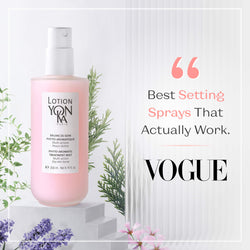
Toning is a critical step for oily skin. Our Lotion Yon-Ka PNG is a phyto-aromatic mist that is much more than a toner. It contains the Quintessence and is specifically formulated for normal to oily skin. It helps to balance the appearance of oil, refine pores, and prepare the skin to better absorb the active ingredients in your serums and moisturizers. If you want to explore more mists, visit our toners and mists collection.
Step 3: Targeted Treatment and Exfoliation
Before applying a mask, exfoliation is key. Using a grain-free exfoliator like Gommage Yon-Ka helps to remove dead skin cells that can trap oil in the pores. Because it does not use abrasive beads, it is gentle enough for even the most sensitive oily skin. After exfoliating, your DIY or professional mask will be able to work much more effectively. For additional refining support, see our exfoliators and peels collection.
Step 4: Hydration and Protection
Many people with oily skin make the mistake of skipping moisturizer. This actually causes the skin to produce more oil to compensate for the perceived dryness. Use a lightweight, non-comedogenic moisturizer like Crème PG or Nude Perfect Fluide. These products are designed to provide necessary hydration while giving the skin a blurred, matte appearance. If you prefer to shop by formula category, start with our moisturizers collection.
Key Takeaway: Effective care for oily skin is not about "stripping" the skin of oil, but about "balancing" its production through a consistent ritual of gentle cleansing, botanical toning, and targeted hydration.
Myths vs. Facts About Oily Skin
Myth: If your skin is oily, you should wash it several times a day. Fact: Over-washing can damage the skin's protective barrier, leading to dehydration and a "rebound effect" where the skin produces even more oil to protect itself. Two cleansings per day—morning and night—are sufficient.
Myth: Essential oils are bad for oily skin because they are "oils." Fact: Many essential oils, such as those in the Yon-Ka Quintessence, are actually lipophilic substances that can help to dissolve excess sebum and provide purifying benefits that synthetic ingredients cannot match. To understand more about how we formulate with botanicals, visit our formulas.
Myth: Oily skin doesn't age as quickly as dry skin. Fact: While oily skin may show fewer fine lines due to the presence of natural lipids, it is still subject to environmental damage and loss of firmness. Anti-aging care is still necessary for oily skin types, and you can explore the anti-aging collection when you want to add more corrective support.
Tips for Maximizing Your Home Spa Experience
When you take the time to make a face mask at home for oily skin, you are doing more than just treating your pores; you are engaging in a moment of self-care. At Yon-Ka, we believe in the concept of aromachology—the influence of scents on human behavior and emotions.
To elevate your DIY experience:
- Set the Scene: Dim the lights and play calming music. The stress-reducing benefits of a ritual can actually help lower cortisol levels, which is a known trigger for excess oil production.
- Steam Gently: Before applying your mask, you can gently steam your face over a bowl of warm water (not boiling) for 2–3 minutes. This helps to soften the sebum in the pores, making the mask more effective.
- Apply with a Brush: Using a clean foundation brush to apply your mask makes the process feel more professional and ensures an even layer.
- Cool Down: After rinsing off your mask, use a cool cloth to help "seal" the appearance of the skin and reduce any temporary redness from the stimulation of the mask.
If you want a more personalized next step, consider finding a Yon-Ka spa near you or reviewing our spa treatments for a professional ritual inspired by the same philosophy.
Long-Term Management of Oily Skin
Skincare is a marathon, not a sprint. While a weekly mask can provide an immediate improvement in the look of shine and clarity, long-term balance comes from daily habits.
- Monitor Your Diet: While the link between diet and skin varies by individual, some people find that high-glycemic foods or excessive dairy can influence oil production.
- Clean Your Tools: If you use makeup brushes or sponges, wash them at least once a week. They can harbor bacteria and old oil that you then spread back onto your clean skin.
- Change Your Pillowcase: Oily skin types should change their pillowcases frequently to avoid sleeping on a surface that has absorbed days of sebum and hair products.
- Stay Hydrated: Drinking plenty of water helps your body function optimally, which supports the skin’s natural detoxification processes.
For a tailored product recommendation, start with our oily and combination skin collection or use our skin diagnosis quiz to help narrow down the right routine.
If you find that your oily skin is persistent, leads to painful cystic breakouts, or is accompanied by sudden changes, we always recommend consulting a dermatologist. They can provide a medical diagnosis and ensure that your skincare ritual is complementing any necessary medical treatments.
Conclusion
Learning how to make face mask at home for oily skin is a wonderful way to connect with the power of botanical ingredients. By using nature's own purifiers like clay, charcoal, and honey, you can support a complexion that looks clear, matte, and vibrant. However, the best results come from combining these at-home moments with a structured, professional-grade ritual that respects the skin’s delicate ecosystem.
At Yon-Ka Paris, we have spent 70 years perfecting the balance between science and nature. We invite you to explore our specialized collections for oily and blemish-prone skin to find the professional-grade counterparts to your DIY favorites. For a personalized recommendation, you can take our Skin Diagnosis quiz or use our online Product Matcher to find the perfect ritual for your unique skin needs. Since 1954, our mission has been to provide high-trust, phyto-aromatic care that turns every skincare moment into a transformative ritual. If you want to learn more about the brand behind these formulas, read our story.
FAQ
How often should I use a face mask for oily skin?
For most oily skin types, using a purifying mask 1 to 2 times per week is ideal. Over-using absorbent masks can lead to surface dehydration, which might cause your skin to produce even more oil to compensate.
Can I leave a clay mask on overnight?
No, you should never leave a clay mask on overnight. Clay is designed to absorb oil as it dries; leaving it on for too long can strip away the essential moisture your skin needs to stay healthy and may cause significant irritation or redness.
Should I moisturize after using a DIY mask?
Yes, it is essential to moisturize after any mask treatment. Purifying masks remove excess oil, and following up with a lightweight, non-comedogenic moisturizer helps to "seal" the skin and maintain its natural barrier.
Why does my skin feel tingly when I use certain masks?
A slight tingling sensation can be normal, especially if the mask contains active botanicals or essential oils. However, if you experience persistent stinging, burning, or visible redness, you should rinse the mask off immediately and discontinue use, as your skin may be sensitive to a specific ingredient.