Table of Contents
- Introduction
- Understanding Why Skin Becomes Oily
- The Best Natural Ingredients for Oily Skin
- DIY Recipes: How to Make a Natural Face Mask for Oily Skin
- The Limitations of DIY Masks
- Preparing the Skin: The Importance of the Ritual
- Elevating Your Results with Professional Botanical Care
- Essential Oil Safety and the Quintessence
- Maintaining Balance: Daily Habits for Oily Skin
- The Spa Experience: Professional Extractions and Care
- Conclusion
- FAQ
Introduction
Managing oily skin is often a delicate balancing act. You want to remove the excess shine and clear out congested pores without stripping the skin of its essential moisture, which can actually trigger more oil production. Turning to nature for solutions is a time-honored tradition, and learning how to make a natural face mask for oily skin is a wonderful way to connect with your self-care ritual at home.
At Yon-Ka Paris, we have spent seven decades perfecting the art of phyto-aromatic skincare, blending the best of botanical science with a deep respect for the skin's natural balance. In this guide, we will explore the most effective natural ingredients for regulating sebum—the technical term for your skin’s natural oils—and provide recipes for DIY masks that you can easily create in your kitchen. We will also discuss how to elevate your masking routine with professional-grade botanical care to achieve a lasting, refined complexion.
Understanding Why Skin Becomes Oily
Before reaching for the mixing bowl, it is helpful to understand why your skin produces excess oil. Oily skin is characterized by overactive sebaceous glands. These glands produce sebum to help protect and hydrate the skin, but when they produce too much, it can lead to a shiny appearance, enlarged pores, and a higher frequency of breakouts as the oil mixes with dead skin cells to clog pores.
Several factors contribute to this oiliness, including genetics, hormonal fluctuations, and environmental stressors like humidity or pollution. Even your skincare routine can play a role; using harsh, drying products can compromise your skin barrier, leading the skin to overcompensate by producing even more oil. For a broader look at supportive routines for shine-prone skin, our oily and combination skin collection is a helpful place to begin. The goal of a natural face mask should be to gently purify and rebalance, not to exhaust the skin.
The Best Natural Ingredients for Oily Skin
Nature provides an incredible pharmacy of ingredients that can help manage the appearance of oily skin. When looking for "how to make a natural face mask for oily skin," these are the powerhouse ingredients you should look for:
- Clays (Kaolin and Bentonite): Clays are the gold standard for oily skin. They act like a vacuum, drawing out impurities and excess sebum from deep within the pores. Kaolin is a gentler white clay, while Bentonite is a more powerful volcanic clay.
- Raw Honey: While it may seem counterintuitive to put something sticky on oily skin, honey is a natural humectant—meaning it draws moisture into the skin—and has clarifying properties that help keep the complexion looking clear.
- Yogurt: Rich in lactic acid (a gentle alpha hydroxy acid or AHA), yogurt helps to lightly exfoliate the skin's surface and tighten the appearance of pores.
- Oats: Colloidal oatmeal or finely ground oats can soothe irritation and absorb oil without being abrasive.
- Green Tea: Packed with antioxidants, green tea helps to calm the look of redness and may help support more balanced oil production.
- Citrus (Lemon or Lime): These contain citric acid and have astringent properties, which means they help to temporarily "tighten" and brighten the skin's appearance.
If you want to understand more about the botanical building blocks behind Yon-Ka formulas, you can also explore our ingredients and how they are used in skincare.
DIY Recipes: How to Make a Natural Face Mask for Oily Skin
Creating your own treatments can be a sensorial and rewarding experience. Here are three effective recipes tailored to different aspects of oily skin management.
The Purifying Clay and Lemon Mask
This mask is ideal for those days when your skin feels particularly "congested" or shiny. The clay absorbs the oil, while the lemon provides a brightening effect.
- Ingredients: 1 tablespoon of Kaolin or Bentonite clay, 1 teaspoon of fresh lemon juice, and enough water or green tea to form a paste.
- Method: Mix the clay and lemon juice in a non-metal bowl (metal can react with some clays). Slowly add your liquid until you reach a creamy consistency.
- Application: Apply to clean skin, avoiding the eye area. Leave on for 10 minutes, or until the mask begins to feel firm but not "cracked." Rinse with lukewarm water.
The Soothing Honey and Yogurt Mask
If your oily skin also feels sensitive or dehydrated, this mask provides a gentle balance. It purifies while ensuring the skin stays soft and hydrated.
- Ingredients: 1 tablespoon of plain Greek yogurt and 1 teaspoon of raw honey.
- Method: Whisk the two ingredients together until smooth.
- Application: Apply a thick layer to the face. The cooling sensation of the yogurt is particularly refreshing. Leave for 15 minutes before rinsing away.
The Balancing Oat and Green Tea Mask
Oats are wonderful for absorbing surface oil while providing a very gentle physical exfoliation as you rinse the mask off.
- Ingredients: 2 tablespoons of finely ground oats and 1–2 tablespoons of cooled, concentrated green tea.
- Method: Combine the ground oats with the tea until you have a spreadable paste.
- Application: Massage gently into the skin in circular motions, then let it sit for 10 minutes. Use lukewarm water to rinse, continuing the gentle massage as you go.
For more ideas on weekly facial care, see our face masks collection.
Note: Whenever you introduce a new DIY treatment or professional product, we recommend performing a patch test. Apply a small amount of the mixture to your inner forearm and wait 24 hours to ensure no irritation occurs. This is especially important when using active botanicals or citrus juices.
The Limitations of DIY Masks
While DIY masks are a fun and natural way to care for your skin, they do have limitations compared to professional phyto-aromatic formulations. In a home kitchen, it is difficult to achieve the molecular stability and concentration found in a laboratory setting.
Professional products use specialized extraction methods to ensure the most potent parts of the plant are used. Furthermore, the particle size in a professional mask is often much smaller, allowing for better contact with the skin's surface and more effective purification. For those looking for deeper results, transitioning from a "kitchen" mask to a professional botanical mask can make a significant difference in the long-term appearance of their skin.
Preparing the Skin: The Importance of the Ritual
At Yon-Ka, we believe that a mask is only as effective as the preparation that precedes it. To get the most out of any mask—whether DIY or professional—you should follow a consistent ritual.
Step 1: Cleanse. Start with a gentle cleanser like Lait Nettoyant. This milk cleanser removes makeup and impurities while respecting the skin's delicate acid mantle. Oily skin often benefits from a double cleanse if you have been wearing heavy sunscreen or makeup.
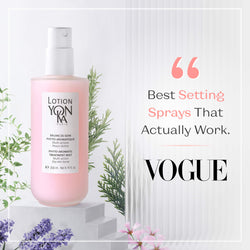
Step 2: Tone. A common mistake is skipping the toner. We recommend misting the face with Lotion Yon-Ka PNG. This alcohol-free, phyto-aromatic mist features our signature Quintessence—a blend of Lavender, Geranium, Rosemary, Cypress, and Thyme essential oils. It rebalances the skin and prepares it to better receive the benefits of your mask.
Step 3: Mask. Apply your chosen treatment. This is the heart of the ritual where the specific concerns of oiliness are addressed.
Step 4: Moisturize. Even oily skin needs moisture. If you don't hydrate after a mask, your skin may produce more oil to compensate for the perceived dryness. A lightweight, mattifying fluid like our face moisturizers can provide hydration while blurring the appearance of pores and imperfections.
Elevating Your Results with Professional Botanical Care
If you find that DIY masks aren't quite providing the refined results you desire, you may want to explore our range of professional masks designed specifically for oily and combination skin.
Our Masque 103 is a triple-clay mask formulated specifically for oily skin types. It contains a high concentration of Montmorillonite, Bentonite, and Kaolin clays to deeply purify the skin and tighten the appearance of pores. Unlike many home clay masks, it is enriched with our Quintessence essential oils, which provide a soothing and revitalizing effect that prevents the skin from feeling tight or uncomfortable.
For those who prefer a non-clay option that still addresses texture and oil, Gommage Yon-Ka is a unique, grain-free exfoliator. It acts like a "botanical peel," gently removing dead skin cells and clearing surface debris using carob and lime oil. It is so gentle it can even be used on the delicate eye area to help reduce the look of puffiness.
Essential Oil Safety and the Quintessence
One of the reasons professional botanical skincare is so effective is the precise use of essential oils. At the heart of our formulations is the Quintessence. This 100% natural and active complex provides more than just a beautiful scent; it offers legitimate skin-balancing benefits.
- Lavender: Known for its calming and soothing properties.
- Geranium: Helps to balance the appearance of the skin and improve radiance.
- Rosemary: Provides a purifying and revitalizing effect.
- Cypress: Helps to tone and refine the skin's texture.
- Thyme: Offers powerful cleansing and purifying properties.
To learn more about the role of botanicals in Yon-Ka skincare, visit our ingredients page.
When using products containing these potent oils, a slight tingling sensation can be normal as the oils work. However, if you experience persistent redness or irritation, it is best to reduce the frequency of use or consult a professional.
Maintaining Balance: Daily Habits for Oily Skin
Learning how to make a natural face mask for oily skin is just one piece of the puzzle. Consistency in your daily habits is what truly transforms the complexion.
- Avoid Over-Washing: Washing your face more than twice a day can strip the skin and trigger "reactive seborrhea," where the skin produces more oil to protect itself.
- Sun Protection is Essential: Some people believe the sun "dries out" pimples or oil, but UV exposure actually damages the skin barrier and can lead to more congestion over time. Use a broad-spectrum protection every day.
- Hydrate from the Inside: Drinking enough water helps maintain the overall health of your skin cells, which can support a more balanced appearance.
- Keep Your Tools Clean: Regularly wash your makeup brushes and change your pillowcases to prevent the transfer of bacteria and old oil back onto your face.
For additional guidance on caring for shine-prone skin, our best products for oily skin can help you build a more balanced routine.
If you are struggling with persistent or severe oily skin that does not respond to topical changes, or if you suspect a condition like cystic acne or rosacea, we always recommend consulting a dermatologist or physician for personalized medical advice.
The Spa Experience: Professional Extractions and Care
While home masking is a vital part of maintenance, the expertise of a trained aesthetician is invaluable. Professional treatments often include deep-cleansing techniques and extractions that are difficult to perform safely at home.
In a professional Yon-Ka treatment, an aesthetician will analyze your skin's unique needs and apply professional-strength versions of our botanical formulas. This deep-cleansing "Grand Classique" treatment is a cornerstone of our heritage and can provide a level of purification that DIY methods simply cannot match. You can learn more about these services through Yon-Ka Spa Treatments or find a nearby location with our Spa Locator.
Key Takeaway: While DIY masks using ingredients like clay, honey, and oats are excellent for temporary oil control, achieving long-term balance requires a consistent ritual that includes professional-grade botanical products and proper skin preparation.
Conclusion
Mastering the art of the natural face mask is a journey toward understanding your skin's unique language. Whether you are whisking together a yogurt mask in your kitchen or applying the clay-rich Masque 103, the goal remains the same: to support your skin's natural health with the power of plants. By combining simple natural ingredients with the pharmaceutical-grade precision of phyto-aromatic science, you can achieve a complexion that looks clear, matte, and vibrantly healthy.
At Yon-Ka Paris, we believe that skincare is a ritual worth savoring. For over 70 years, we have remained dedicated to the belief that the most effective solutions are found in nature, refined by science, and delivered through the hands of professionals. Your journey to balanced skin is a marathon, not a sprint, and we are honored to be a part of your daily routine.
If you are unsure which botanical solutions are right for your specific skin type, we invite you to explore our Product Matcher. Taking this small step can help you move beyond the "trial and error" phase and into a ritual that truly serves your skin's needs.
FAQ
How often should I use a natural mask for oily skin?
For most people with oily skin, using a purifying mask 1–2 times per week is ideal. Over-masking can lead to dryness and irritation, which may cause your skin to produce even more oil as a defense mechanism. Always monitor how your skin feels and adjust your frequency accordingly.
Can I use a DIY mask if I have acne?
Many natural ingredients like honey and clay are excellent for blemish-prone skin because they help clear the appearance of pores. However, if you have active, inflamed, or cystic acne, you should be very gentle and avoid abrasive physical exfoliants like large grains of salt or sugar. If your acne is persistent, it is best to consult a dermatologist.
Why does my skin feel tight after a clay mask?
Tightness usually occurs when a clay mask is left on for too long and completely dries out, drawing too much moisture from the skin's surface. To prevent this, rinse the mask off while it still feels slightly tacky or damp to the touch, and always follow up with a hydrating toner and moisturizer. If you want a gentler weekly exfoliating step, Gommage Yon-Ka is designed to be soft and clarifying.
Is it necessary to use a toner after masking?
Yes, using a mist like Lotion Yon-Ka PNG after a mask helps to rehydrate the skin and restore its natural pH balance. It also helps to sweep away any lingering residue from the mask and prepares your skin to better absorb your subsequent serum or moisturizer.