Table of Contents
- Introduction
- The Science of Exfoliating Dry Skin
- What to Look for in a Dry Skin Scrub
- Step-by-Step: Three DIY Recipes for Dry Skin
- The Professional Alternative: Grainless Exfoliation
- Integrating Exfoliation into Your Phyto-Aromatic Ritual
- Safety and Essential Oil Considerations
- Conclusion: The Path to Radiant Skin
- FAQ
Introduction
Waking up to a complexion that feels tight, looks dull, and shows visible flaking can be a frustrating start to the day. When your skin is parched, it often loses that natural "lit-from-within" glow, leaving a texture that feels more like parchment than silk. While the immediate instinct is to pile on heavy creams, the real solution often begins with clearing the path. At Yon-Ka Paris, we believe that proper exfoliation is the cornerstone of any effective skincare ritual, especially for those struggling with dryness. In this article, we will explore the benefits of exfoliation, provide safe and effective ways to create a DIY face scrub for dry skin, and explain how to integrate these steps into a holistic phyto-aromatic routine. Understanding how to gently lift away dead cells is the first step toward restoring the appearance of soft, radiant skin.
If you want a deeper look at at-home exfoliation, our guide to exfoliating dry skin at home is a helpful companion read.
The Science of Exfoliating Dry Skin
Dry skin requires a delicate balance between removing debris and preserving the moisture barrier. Many people assume that because their skin is dry or sensitive, they should avoid exfoliation entirely. However, the opposite is often true. Dry skin frequently suffers from a buildup of dead skin cells that refuse to shed naturally. This "cellular glue" can trap oils and prevent your expensive serums and moisturizers from actually reaching the skin’s surface.
Exfoliation helps to improve the appearance of skin texture and brightness. By gently removing the top layer of lackluster cells, you encourage a fresher-looking complexion. This process also stimulates the surface of the skin, which can support natural circulation and give the face a more revitalized, healthy-looking glow. For those with dry skin, the key is to avoid "scrubbing" in the traditional sense and instead focus on "polishing" or using enzymatic actions.
Over-exfoliation is a common pitfall that can lead to increased sensitivity. When you use ingredients that are too abrasive—such as large salt crystals or jagged nutshells—you risk creating micro-tears in the skin. This compromises the acid mantle, the protective film on the skin's surface, leading to redness and even more dryness. Our goal is to provide the skin with what it needs to renew its appearance without causing unnecessary stress.
For a broader overview of exfoliation options, see our article on skin exfoliation basics.
What to Look for in a Dry Skin Scrub
The best ingredients for a dry skin scrub are those that provide slip and hydration. Unlike scrubs for oily skin, which might focus on deep-cleansing clays or astringents, a dry skin formula should feel like a nourishing treatment. You want a combination of a very fine physical exfoliant and a lipid-rich base.
Humectants and emollients are essential for maintaining comfort during the process. Ingredients like honey and aloe vera act as humectants, drawing moisture into the skin. Meanwhile, carrier oils like jojoba, avocado, or sweet almond oil act as emollients, smoothing the skin and providing a protective buffer.
Consider the particle size of your exfoliant carefully. For the face, you should only use materials that are finely ground and have smooth edges. Coarse sea salt or large-grain sugar are often too harsh for the delicate facial area and are better suited for the body. For a facial DIY, look toward colloidal oatmeal, rice flour, or very finely ground brown sugar.
Quick Answer: To make a face scrub for dry skin, mix a gentle exfoliant like finely ground oats with a hydrating base like honey and a nourishing oil like jojoba. This combination removes dead cells while replenishing essential lipids to prevent irritation.
Step-by-Step: Three DIY Recipes for Dry Skin
If you are looking for a quick way to refresh your skin using ingredients from your pantry, these recipes offer a gentle starting point. Remember to always work on freshly cleansed skin and use the lightest pressure possible.
The Soothing Oatmeal and Honey Polish
Oatmeal is legendary in skincare for its ability to soothe the appearance of irritation. When ground into a fine powder, it provides a very soft physical exfoliation that is perfect for dry or reactive skin.
- Step 1: Prepare the Oats. Grind two tablespoons of uncooked rolled oats in a clean coffee grinder or food processor until they reach a flour-like consistency.
- Step 2: Combine with Honey. Mix the oat flour with one tablespoon of raw honey. Honey is a natural humectant that helps the skin retain moisture.
- Step 3: Add the Oil. Stir in one teaspoon of jojoba or olive oil to provide slip and nourishment.
- Step 4: Apply. Gently massage the mixture onto damp skin in small, upward circles for about 60 seconds.
- Step 5: Rinse. Use lukewarm water to rinse thoroughly and pat dry with a soft towel.
The Nourishing Avocado and Brown Sugar Scrub
For skin that feels particularly parched or "leathery," the high fat content of avocado oil can be transformative. Brown sugar is softer than white sugar because it contains molasses, making it a slightly gentler choice for physical exfoliation.
- Step 1: Mix the Base. Combine one tablespoon of avocado oil with one teaspoon of extra-fine brown sugar.
- Step 2: Enhance with Vitamin E. If you have a Vitamin E capsule, you can prick it and add the oil to the mix for extra antioxidant support.
- Step 3: Gentle Application. Apply the mixture to your face, avoiding the immediate eye area. Use only the pads of your ring fingers to apply almost zero pressure.
- Step 4: The Mini-Mask. Let the scrub sit on your skin for an additional two minutes after massaging to allow the oils to penetrate.
- Step 5: Cleanse. Rinse with lukewarm water. You may need a very gentle cloth to ensure all the oil is removed without stripping the skin.
The Brightening Yogurt and Rice Flour Scrub
This recipe bridges the gap between physical and chemical exfoliation. Yogurt contains lactic acid, a gentle Alpha Hydroxy Acid (AHA) that helps dissolve the bonds between dead skin cells, while rice flour provides a mild polishing effect.
- Step 1: Combine Ingredients. Mix one tablespoon of plain, full-fat Greek yogurt with one teaspoon of fine rice flour.
- Step 2: Balance. Add a half-teaspoon of honey to balance the lactic acid's activity.
- Step 3: Application. Apply to the face and let it sit for three to five minutes. This allows the enzymes in the yogurt to work.
- Step 4: Polish. Before rinsing, wet your fingers and gently massage the skin for 30 seconds.
- Step 5: Finish. Rinse with cool water to refresh the complexion.
The Professional Alternative: Grainless Exfoliation
While DIY scrubs can be a fun and accessible way to care for your skin, they do have limitations. Kitchen ingredients are not sterilized and lack the sophisticated delivery systems found in professional formulations. Furthermore, even the finest "home-ground" oats can occasionally have uneven edges.
For the most delicate dry skins, we often recommend a grainless approach. This is where the heritage of professional spa expertise truly shines. In a spa setting, estheticians frequently avoid abrasive scrubs on dry or aging skin to prevent redness and barrier disruption. Instead, they use a technique known as "gommage."
Gommage is a French word meaning "to erase." A gommage treatment, such as our iconic Gommage Yon-Ka, is a botanical, grain-free peel. It is applied as a thin cream and allowed to set slightly. As you gently rub it away with your fingertips, it lifts off dead skin cells and impurities without any scratching or friction. This 4-in-1 treatment exfoliates, clarifies, hydrates, and balances the skin. It is enriched with carob and brown seaweed derivatives for a soothing effect and features our signature Quintessence for a truly aromatic experience.
If you enjoy learning about a specific product’s role in a ritual, our Product Spotlight: Gommage Yon-Ka offers a useful perspective.
Key Takeaway: Dry skin often responds better to grainless or enzymatic exfoliants than traditional "gritty" scrubs. This professional approach prevents micro-tears while still effectively removing the dead cell buildup that causes dullness.
Integrating Exfoliation into Your Phyto-Aromatic Ritual
Knowing how to make or choose a scrub is only half the battle; knowing when and how to use it within a complete routine is what creates lasting results. Skincare is a ritual, not a quick fix. To get the most out of your exfoliation, follow this layered approach.
Step 1: The Gentle Cleanse
Never exfoliate on "dirty" skin or skin with makeup still on it. Start with a barrier-respecting cleanser like Lait Nettoyant. This cleansing milk is specifically designed for dry or sensitive skin, removing impurities while maintaining the skin's lipid balance. Apply it with your fingertips and rinse with lukewarm water.
Step 2: The Exfoliation Phase
This is when you apply your DIY scrub or a professional product like Gommage Yon-Ka. For dry skin, this step should typically happen one to two times per week. Overdoing it will only lead to more dryness. Focus on areas where you notice the most texture, such as the chin or the sides of the nose.
Step 3: Phyto-Aromatic Prep
After rinsing away your exfoliant, your skin is in a highly receptive state. This is the perfect time to mist your face with Lotion Yon-Ka PS. This healing mist contains our Quintessence—lavender, geranium, rosemary, cypress, and thyme—to rebalance and prepare the skin for the next steps. It ensures that the treatments you apply afterward are absorbed more effectively.
Step 4: Targeted Treatment
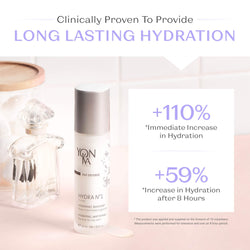
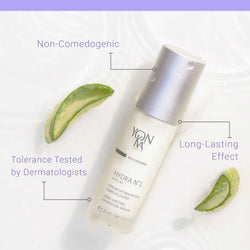
If your skin is extremely dry, follow up with a concentrated serum. Hydra N°1 Serum is a wonderful choice for deep hydration, utilizing two types of hyaluronic acid to plump the appearance of the skin. If you feel your skin lacks oil rather than just water, adding a few drops of a nourishing oil to your moisturizer can provide the essential fatty acids your skin is craving.
You can also explore more options in our face moisturizer collection if you want to compare textures and finishes.
Step 5: Moisture and Protection
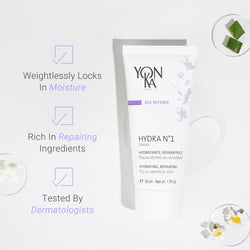
Seal everything in with a high-quality moisturizer. Hydra N°1 Crème is an excellent morning and evening choice for very dry skin. During the day, always finish with sun protection. Exfoliated skin can be more sensitive to UV rays, so protecting that fresh layer of skin is non-negotiable for preventing the signs of premature aging.
For a broader look at what Yon-Ka offers across the routine, visit our face care collection.
Safety and Essential Oil Considerations
When using botanical products or essential oils in your skincare, it is important to practice "sensible skincare." Most people find the aromatic and therapeutic benefits of essential oils to be a highlight of their routine, but every skin type is unique.
Always perform a patch test when introducing a new ingredient. Whether it is a DIY honey scrub or a new professional serum, apply a small amount to your inner forearm and wait 24 hours. This simple step can prevent a full-face reaction.
Introduce new active ingredients one at a time. If you are starting a new exfoliation routine, do not also start a new high-strength retinol or Vitamin C serum on the same day. Give your skin a few days to adjust to each change.
A slight tingling sensation can be normal, but persistent discomfort is not. Many botanical ingredients stimulate the skin, which can cause a brief, warm sensation. However, if you experience persistent redness, stinging, or itching, rinse the product off immediately and reduce the frequency of use. If a severe reaction occurs, such as facial swelling or difficulty breathing, seek urgent medical care immediately. For persistent skin concerns like rosacea or eczema, always consult a dermatologist before starting a new exfoliation program.
If you are curious about the brand’s formulation approach, Our Ingredients explains how Yon-Ka builds its phyto-aromatic formulas.
Conclusion: The Path to Radiant Skin
Taking the time to understand the unique needs of dry skin is a rewarding journey. Whether you choose to craft a gentle DIY scrub from oatmeal and honey or prefer the sophisticated, grainless technology of a professional gommage, the goal remains the same: to support your skin’s natural renewal process with kindness and precision. By removing the veil of dead skin cells, you allow your complexion to breathe and absorb the nourishment it deserves.
At Yon-Ka Paris, our mission is to provide you with a holistic approach to beauty—one that blends the best of nature with scientific rigor. We believe that your skincare routine should be a moment of sanctuary in your day, a ritual that nourishes both your skin and your spirit. With over 70 years of expertise in phyto-aromatic care, we are here to help you achieve a complexion that looks and feels its absolute best.
If you are unsure which products are right for your specific concerns, we invite you to explore our face masks collection or connect with a professional through our Spa Locator. These resources are designed to help you build a customized ritual that addresses your skin's unique personality.
Bottom line: Consistent, gentle exfoliation followed by deep hydration is the secret to transforming dry, lackluster skin into a radiant, smooth complexion.
FAQ
How often should I exfoliate if I have very dry skin?
For most people with dry skin, exfoliating once or twice a week is sufficient. Over-exfoliating can strip the skin of its natural oils and damage the moisture barrier, leading to even more dryness and sensitivity. Pay attention to how your skin feels; if it starts to feel tight or looks red, reduce the frequency to once every ten days.
Can I use a sugar scrub on my face every day?
No, you should never use a physical scrub like a sugar scrub every day, especially on the face. The facial skin is much thinner and more delicate than the skin on your body. Daily scrubbing can cause micro-tears and chronic inflammation, which may accelerate the appearance of aging. Stick to a weekly or bi-weekly schedule for best results.
Is it better to use a physical scrub or a chemical exfoliant for dry skin?
Both have their benefits, but dry skin often responds best to very gentle chemical exfoliants like lactic acid or grainless "gommage" styles. These methods dissolve the bonds between dead cells without the friction required by physical scrubs. If you prefer a physical scrub, ensure the particles are extremely fine and suspended in a rich, oily base to protect the skin.
Should I moisturize immediately after using a face scrub?
Yes, moisturizing immediately after exfoliation is critical. When you exfoliate, you remove a layer of cells and sometimes part of the skin's protective oils. Applying a moisturizer like Hydra N°1 Crème while the skin is still slightly damp from your mist helps lock in hydration and restores the skin barrier immediately.