Table of Contents
- Introduction
- The Biology of Sebum and Your Skin
- The Bare-Face Test: A Step-by-Step Guide
- The Blotting Sheet Method
- Common Signs and Characteristics of Oily Skin
- Oily vs. Combination Skin: Knowing the Difference
- The Dehydration Trap
- Factors That Exacerbate Oil Production
- The Yon-Ka Phyto-Aromatic Approach to Balance
- Building a Ritual for Oily Skin
- Essential Oil Safety and Best Practices
- Maintaining Balance Long-Term
- Conclusion
- FAQ
Introduction
Waking up to a fresh, clear complexion is a universal skincare goal, yet for many, that morning clarity quickly gives way to a persistent midday shine. If you frequently find yourself reaching for blotting papers or noticing that your makeup seems to "slip" by lunchtime, you are likely navigating the complexities of an oily skin type. At Yon-Ka Paris, we believe that understanding your skin’s unique language is the essential first step toward achieving a balanced, radiant glow. Identifying your skin type isn't just about labeling your face; it is about choosing the right botanical actives and rituals that support your skin’s natural harmony. In this article, we will explore the definitive signs of excess sebum production, practical at-home testing methods, and how to distinguish between true oiliness and temporary dehydration.
Quick Answer: The most reliable way to identify oily skin is the "Wait and See" test. Wash your face with a gentle cleanser, pat dry, and leave it bare for 60 minutes; if your entire face—including cheeks, forehead, and chin—appears shiny or feels greasy, you likely have an oily skin type.
The Biology of Sebum and Your Skin
To understand why your skin behaves the way it does, we must first look at the role of sebum. Sebum is a complex mixture of lipids produced by the sebaceous glands, which are located in the dermis layer of your skin. While often viewed as a nuisance, sebum is actually a vital component of skin health. It provides a protective barrier that seals in moisture, keeps the skin supple, and offers a layer of defense against environmental stressors.
Oily skin occurs when sebaceous glands are overactive, producing more oil than the skin requires for basic protection. This overproduction can lead to several cosmetic concerns, such as a heavy or "greasy" sensation, visible pore congestion, and a shiny appearance that persists regardless of the weather. In the world of phyto-aromatic skincare, we view this not as a flaw to be "stripped" away, but as a biological state that requires gentle rebalancing.
Genetics play the most significant role in determining your skin type. If your parents had oily skin or struggled with large pores, you are more likely to experience the same. However, other factors like hormonal fluctuations, high humidity, and even stress can signal your glands to ramp up production. Understanding that this is a physiological process helps move the conversation away from "fixing" the skin and toward "harmonizing" it.
The Bare-Face Test: A Step-by-Step Guide
The most accurate way to determine your skin type is to observe how it behaves when it is completely clean and free of any products. This is known as the "Bare-Face" or "Wait and See" test. Because topical products like heavy moisturizers or mattifying primers can mask your natural skin state, this test requires a window of time where the skin can return to its baseline.
Step 1: Cleanse thoroughly. / Use a gentle, pH-balanced cleanser like our Gel Nettoyant to remove all makeup, oil, and impurities without stripping the moisture barrier.
Step 2: Pat dry and wait. / Gently pat your face dry with a clean towel and do not apply any serums, mists, or creams. Leave your skin completely bare for at least 60 to 90 minutes.
Step 3: Observe the reflection. / Stand in front of a mirror with good lighting. Look for shine on the forehead, nose, chin, and—crucially—the cheeks.
Step 4: The tactile check. / Gently press a clean finger or a tissue against different areas of your face. Does the skin feel slick or greasy to the touch?
If your entire face—cheeks included—shows visible shine and feels oily within that hour, you have an oily skin type. If the shine is localized only to your forehead and nose (the T-zone) while your cheeks feel tight or normal, you likely have combination skin. If your skin feels itchy, parched, or looks flaky after an hour of being bare, your skin type is more likely dry.
The Blotting Sheet Method
If you find visual observation difficult, the blotting sheet test provides a more tangible result. Blotting papers are designed to absorb oil without disturbing the skin, making them an excellent diagnostic tool. This test is best performed in the afternoon when sebum production usually peaks, but it can also be done as part of the Bare-Face test mentioned above.
Take a single blotting sheet and press it firmly against different zones of your face. Start with the forehead, move to the bridge of the nose, then the chin, and finally the apples of your cheeks. Hold the sheet up to the light to examine the oil transfer.
- Oily Skin: The sheet will show significant, translucent oil spots from every area of the face, including the cheeks.
- Combination Skin: The sheet will show heavy oil from the T-zone but very little to no oil from the cheeks.
- Dry Skin: The sheet will remain almost entirely dry, with no visible oil patches.
Key Takeaway: Oily skin is characterized by a "full-face" shine. If your cheeks consistently produce enough oil to show up on a blotting sheet within an hour of washing, your sebaceous glands are overactive across the entire facial surface.
Common Signs and Characteristics of Oily Skin
Beyond the simple tests, there are several persistent signs that point toward an oily skin type. These characteristics are often what drive people to seek out specialized skincare routines. Recognizing these signs helps you choose products formulated to address the appearance of oil without causing irritation.
Enlarged, Visible Pores
Because oily skin involves the constant flow of sebum through the pores, these openings can become stretched or more visible over time. This is most common around the nose and on the forehead. While you cannot permanently "shrink" a pore, keeping them clear of debris can help them appear smaller and more refined.
Frequent Congestion and Blackheads
When excess oil mixes with dead skin cells, it can become trapped within the pore. If the pore remains open and the oil oxidizes, a blackhead (open comedone) forms. If the pore is closed, it may result in small bumps or whiteheads. Those with oily skin often notice a "thickened" appearance to their skin texture due to this constant buildup.
Makeup That Won't Stay Put
One of the most frustrating aspects of oily skin is the "slide" factor. Sebum acts as a natural solvent for many makeup formulas. If you find that your foundation separates or vanishes by mid-afternoon, or if your eyeshadow creases almost immediately, your skin's natural oils are likely the cause.
A Heavy or "Dirty" Sensation
Many individuals with oily skin describe a feeling of "heaviness" on their face by the end of the day. Unlike dry skin, which feels tight or small, oily skin can feel like there is a film sitting on top of it. This sensation often leads to the urge to over-wash the face, which can actually backfire.
Oily vs. Combination Skin: Knowing the Difference
It is very common to confuse oily skin with combination skin, as both involve excess shine. However, the distinction is vital for choosing the right moisturizer and treatment products. Applying products meant for "all-over" oily skin to combination skin can lead to dry, flaky patches on the cheeks and around the eyes.
Oily skin is a consistent state. The sebaceous glands are highly active across the entire face. You will notice shine on your jawline and cheeks just as much as on your forehead. In contrast, combination skin is a "zoned" experience. People with combination skin often have an oily T-zone but have normal to dry skin on the periphery of the face.
If you are unsure, pay close attention to your cheeks after cleansing. If they ever feel "tight" or "stretched" while your nose is still shiny, you are likely in the combination category. For combination skin, we often recommend a multi-mapping approach—using a purifying product like Masque 103 on the T-zone and a more hydrating option like Hydra N°1 Fluid on the drier areas.
The Dehydration Trap
One of the most misunderstood aspects of skincare is the difference between oily skin and dehydrated skin. Many people believe that if their skin is oily, it cannot be thirsty. In reality, oily skin can be severely dehydrated.
Oil (sebum) is a lipid, whereas hydration refers to the water content within the skin cells. When you use harsh, stripping cleansers or skip moisturizer in an attempt to "dry out" the oil, you can damage your moisture barrier. This causes water to evaporate from the skin (trans-epidermal water loss).
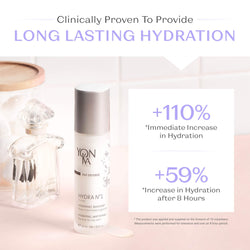
In response to this lack of water, your skin may actually produce more oil to compensate for the dryness. This results in a frustrating cycle where the skin feels tight and uncomfortable but looks incredibly shiny and is prone to breakouts. This is why even the oiliest skin types need lightweight, water-based hydration found in products like Hydra N°1 Fluid.
Myth: Oily skin doesn't need moisturizer.
Fact: Skipping moisturizer can lead to dehydration, which may trigger your skin to produce even more oil to compensate. The key is using oil-free or lightweight, non-comedogenic formulas.
Factors That Exacerbate Oil Production
While your skin type is largely determined by your DNA, several external and internal factors can influence how much oil your glands produce on a daily basis.
- Over-cleansing: Washing your face more than twice a day or using aggressive scrubs can strip away the natural protective layer, signaling the skin to produce excess oil as a defense mechanism.
- Climate and Humidity: High temperatures and humidity levels naturally increase sebum production. You might notice your skin feels much oilier in the summer months than in the winter.
- Hormonal Changes: Androgens (male hormones present in both men and women) are the primary stimulators of sebaceous glands. Puberty, menstrual cycles, and high-stress levels can all lead to temporary spikes in oiliness.
- Dietary Choices: While the link between diet and skin is still being studied, some individuals find that high-glycemic foods or dairy can correlate with increased oiliness and congestion.
- Using the Wrong Products: Using heavy, occlusive creams meant for very dry skin can sit on the surface of oily skin, leading to clogged pores and a greasy finish.
The Yon-Ka Phyto-Aromatic Approach to Balance
At Yon-Ka, we do not believe in "fighting" oily skin with harsh chemicals or abrasive treatments. Instead, we utilize the power of phyto-aromatic science to gently bring the skin back into a state of equilibrium. Our approach centers on the Quintessence—our proprietary blend of lavender, geranium, rosemary, cypress, and thyme essential oils.
These botanical actives are chosen for their natural purifying and astringent properties. Lavender and geranium help to soothe the skin, while rosemary and cypress help to clarify and refine the appearance of pores. Thyme provides a powerful purifying action. This combination ensures that the skin is treated with respect, avoiding the "rebound effect" of excess oil production that follows aggressive treatments.
Our rituals focus on layering lightweight textures that provide the skin with the nutrients it needs without adding unnecessary weight. By focusing on botanical extracts and pure essential oils, we help the skin appear matte, refined, and healthy.
Building a Ritual for Oily Skin
If you have confirmed that your skin type is oily, the goal of your ritual should be to regulate the appearance of shine, clear congestion, and maintain hydration. A consistent, layered approach is far more effective than trying to "fix" the skin with a single strong product.
Cleanse with Care
The first step is a gentle but thorough cleanse. Avoid "squeaky clean" feelings, as this usually indicates a compromised barrier. Gel Nettoyant is an ideal choice for oily skin. This blue foaming gel gently lifts away impurities and excess sebum while respecting the skin's pH balance. It leaves the skin feeling refreshed and invigorated.
The Power of the Mist
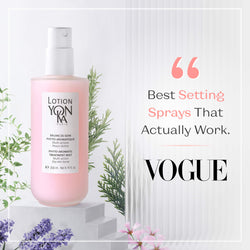
After cleansing, many people reach for alcohol-based toners that sting. We recommend a more sophisticated approach. Lotion Yon-Ka PNG is our iconic phyto-aromatic mist formulated specifically for normal to oily skin. It is alcohol-free and infused with our signature Quintessence. This step prepares the skin to better absorb subsequent treatments and provides an immediate sensation of freshness.
Targeted Treatment
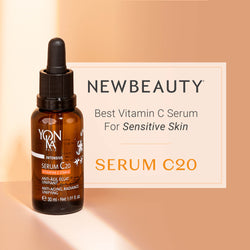
For oily skin prone to imperfections or dullness, a targeted treatment can make a significant difference. Serum C20 is an excellent option for those looking to brighten the complexion while maintaining a lightweight feel. If you are concerned with visible pores and texture, incorporating a booster or a specific serum designed for blemish-prone skin can help maintain a clear appearance.
Moisturize Without Weight
Every skin type needs moisture. For oily skin, look for "fluids" or "purifying creams." Crème PG is a long-standing favorite for oily skin, as it helps to balance and protect without a heavy finish. If you prefer a more "blurred" or matte look for daytime, Nude Perfect Fluide is a multi-tasking product that acts as a treatment, a moisturizer, and a primer, using botanical ingredients to minimize the look of pores and shine.
Weekly Deep Purification
Oily skin benefits greatly from a weekly ritual of exfoliation and masking. Gommage Yon-Ka is a unique, grain-free exfoliator that "peels" away dead skin cells without the need for harsh scrubbing. Follow this with Masque 103, a triple-clay mask that helps to draw out impurities and tighten the appearance of pores.
Essential Oil Safety and Best Practices
Because our formulas are rich in active botanicals and essential oils, it is important to introduce them to your routine mindfully. While the essential oils in our Quintessence are expertly blended for safety and efficacy, every individual's skin is unique.
When starting a new ritual, we recommend performing a patch test on the inner forearm for 24 hours to ensure compatibility. Introduce one new product at a time so you can accurately monitor how your skin responds. A slight, transient tingling sensation can be a normal sign of the essential oils at work, but if you experience persistent redness, itching, or irritation, reduce the frequency of use or discontinue the product.
If you ever experience a severe reaction such as significant facial swelling or difficulty breathing, please seek immediate medical attention. For persistent skin concerns like cystic acne or suspected rosacea, we always recommend consulting with a dermatologist or a qualified skincare professional.
Maintaining Balance Long-Term
Skincare is not a one-time event; it is a lifelong conversation with your body. Oily skin often changes with the seasons and as you age. Many people find that their skin becomes less oily as they enter their 30s and 40s, as sebum production naturally begins to slow down.
Consistency is your greatest ally. By following a dedicated ritual that prioritizes balance over-aggression, you can enjoy the "natural anti-aging" benefits that oily skin often provides—namely, a skin type that is less prone to fine lines and wrinkles due to its inherent moisture-sealing lipids.
If you are still unsure of your skin type or which products will best serve your needs, our Skin Diagnosis quiz and Product Matcher on our website are excellent tools to help you build a personalized ritual. You can also visit a Yon-Ka partner spa to receive a professional skin analysis from an expert esthetician who can tailor a treatment specifically for your concerns. If you want a more hands-on experience, you can also find a Yon-Ka spa near you.
Conclusion
Determining if you have oily skin is the key to ending the cycle of frustration and shine. By performing the Bare-Face test and observing how your skin responds to different environments, you can move away from guesswork and toward a ritual that truly supports your complexion. Whether it is through the purifying power of our clay masks or the balancing touch of our signature Lotion, the goal is always to reveal skin that looks healthy, refined, and harmonious.
At Yon-Ka Paris, our 70-year heritage is rooted in the belief that nature holds the most effective answers for skin health. By combining pharmaceutical-grade rigor with the sensory delight of aromatherapy, we invite you to transform your daily routine into a ritual worth savoring. To learn more about the philosophy behind the brand, visit our story.
Bottom line: Knowing your skin type allows you to stop fighting your skin and start working with it. Embrace the protective nature of your natural oils while using botanical science to keep the appearance of shine and congestion at bay.
- Identify your skin type using the Bare-Face or Blotting Sheet test.
- Distinguish between oily, combination, and dehydrated skin states.
- Avoid harsh, stripping ingredients that cause "rebound" oiliness.
- Incorporate balancing phyto-aromatic products into a consistent ritual.
Explore our oily and combination skin collection to find the perfect botanical match for your needs.
FAQ
Can I have oily skin and still feel dry?
Yes, this is a condition known as dehydration. While your skin is producing excess oil (lipids), it may be lacking in water (hydration). This often results from using harsh products that strip the skin's barrier, leading to a complexion that feels tight but looks shiny.
How often should I wash my face if I have oily skin?
Generally, you should wash your face twice a day—once in the morning and once before bed. Over-washing can irritate the skin and lead to a "rebound" effect where your sebaceous glands produce even more oil to compensate for what was lost.
Why does my skin get oilier throughout the day?
Sebum production often peaks in the early afternoon due to circadian rhythms and environmental factors like heat. Additionally, if your morning products are too heavy or if you are dehydrated, your skin may ramp up oil production as the day progresses.
Are essential oils safe for oily skin?
Specific essential oils, like those found in the Yon-Ka Quintessence, are actually very beneficial for oily skin. They have natural purifying and balancing properties that help refine the look of pores and harmonize the skin without the need for synthetic chemicals. Always perform a patch test when trying new products.