Table of Contents
- Introduction
- Understanding the Biological Basis of Dry Skin
- Dry vs. Dehydrated: The Critical Distinction
- How to Test Your Skin Type at Home
- Common Symptoms and Sensations of Dry Facial Skin
- External Factors That Worsen Facial Dryness
- The Phyto-Aromatic Approach to Dry Skin
- Building Your Yon-Ka Ritual for Dry Skin
- Essential Ingredients to Look For
- Lifestyle Tips for Maintaining Supple Skin
- When to Seek Professional Guidance
- Conclusion
- FAQ
Introduction
That tight, uncomfortable pulling sensation across your cheeks after a morning shower is more than a minor annoyance; it is your skin’s way of communicating its needs. When your complexion loses its natural luster and begins to feel rough or appear flaky, identifying the root cause is the first step toward reclaiming a healthy, supple glow. At Yon-Ka Paris, we believe that understanding your unique skin profile is the foundation of effective care, bridging the gap between professional expertise and your daily home ritual. This guide will help you distinguish between a lack of oil and a lack of water, provide simple at-home testing methods, and outline a botanical-led approach to restoring your barrier. By the end of this article, you will be able to recognize the specific signs of dry skin and choose the right phyto-aromatic solutions for a revitalized appearance.
Quick Answer: You likely have dry skin if your face feels tight, looks dull, and has nearly invisible pores. Unlike dehydrated skin, which lacks water and can affect any skin type, true dry skin lacks the natural oils (sebum) required to keep the skin barrier soft and protected.
Understanding the Biological Basis of Dry Skin
Dry skin, scientifically known as xerosis, is primarily a skin type determined by genetics and the level of sebum your pores produce. Sebum is the natural oil created by your sebaceous glands that acts as a protective "seal" for your skin. When your skin does not produce enough of these lipids, the protective moisture barrier—often called the acid mantle—becomes compromised. This allows essential moisture to evaporate and leaves the skin vulnerable to external irritants.
Unlike other skin types that may experience occasional fluctuations, dry skin is a consistent characteristic of your complexion. Individuals with this skin type often have smaller pores because the oil glands are less active. While this can mean fewer breakouts, it also means the skin lacks the built-in "lubrication" that keeps the surface flexible and smooth. Over time, a lack of lipids can lead to a rough texture and the premature appearance of fine lines.
The health of your skin barrier is central to how dry your face feels. A healthy barrier is like a well-built brick wall where the skin cells are the bricks and lipids (fats) are the mortar. When the mortar is missing, the structure becomes porous. At Yon-Ka, we focus on reinforcing this "mortar" using plant-based oils and butters that mimic the skin’s natural composition, helping to restore the look of density and comfort. Explore our ingredients page to see how this philosophy shapes our formulas.
Dry vs. Dehydrated: The Critical Distinction
One of the most common misconceptions in skincare is that "dry" and "dehydrated" mean the same thing. While they may feel similar, they require very different approaches. If you treat dehydrated skin with heavy oils, you might experience breakouts without solving the tightness. Conversely, if you treat dry skin with only water-based hydrators, the relief will be fleeting because there are no oils to lock that water in.
The Characteristics of Dry Skin (Lipid Deficiency)
- Cause: A genetic lack of oil production.
- Feel: Persistent tightness, especially after cleansing; a rough or "sandpapery" texture.
- Appearance: Small pores, visible flaking, redness, or a dull, matte finish with no shine.
- Persistence: This is your skin type; it is generally present year-round, though it may worsen in winter.
The Characteristics of Dehydrated Skin (Water Deficiency)
- Cause: Environmental factors, diet, or lifestyle leading to a lack of water in the skin cells.
- Feel: Tightness that may come and go; a "crepy" feeling when you move your facial muscles.
- Appearance: "Shadowy" or dark circles under the eyes, increased visibility of fine lines (dehydration lines), and a sudden lack of "bounce."
- Persistence: This is a temporary condition and can happen even to those with oily or combination skin.
Key Takeaway: Dry skin lacks oil (lipids), while dehydrated skin lacks water. Dry skin is a permanent skin type, whereas dehydration is a treatable condition that can affect anyone regardless of their oil levels.
How to Test Your Skin Type at Home
You do not need professional equipment to begin analyzing your skin’s needs. There are two reliable methods you can perform at home to observe how your sebaceous glands are functioning. For the most accurate results, perform these tests when your skin is in its natural state, free from heavy makeup or environmental extremes like heavy wind or central heating.
Method 1: The Bare-Faced "Watch and Wait"
Step 1: Cleanse your face thoroughly with a gentle, pH-balanced cleanser to remove all dirt and debris. Step 2: Pat your skin dry with a soft towel and do not apply any serums, mists, or moisturizers. Step 3: Wait for 30 to 60 minutes. During this time, try to stay in a room with a neutral temperature. Step 4: Observe your skin in a mirror and feel the surface with clean hands.
If your skin feels tight and looks dull or flaky with no visible shine, you have dry skin. If your skin feels tight but looks shiny in the T-zone (forehead, nose, and chin), you likely have combination skin with dehydration. If your skin feels comfortable and looks supple without excess oil, you have a normal skin type.
Method 2: The Blotting Paper Test
Step 1: Cleanse and dry your face as described in the first method. Step 2: Wait 30 minutes without applying any products. Step 3: Take a piece of cosmetic blotting paper (or a thin tissue) and press it firmly against different areas of your face—the forehead, cheeks, nose, and chin. Step 4: Hold the paper up to a light source to check for oil markings.
For dry skin, the paper will show little to no oil from any area of the face. If the paper picks up oil only from the forehead and nose but none from the cheeks, you have combination skin. If the paper is saturated with oil from all areas, your skin type is oily.
Bottom line: Observing how your skin behaves without product for one hour is the most effective way to identify if your glands are producing sufficient oil to maintain a healthy barrier.
Common Symptoms and Sensations of Dry Facial Skin
While tightness is the hallmark of dry skin, there are several other subtle signs that your face is struggling with a lipid deficiency. Recognizing these symptoms early allows you to adjust your ritual before the skin becomes sensitized or develops painful cracks.
- Invisible Pores: Unlike oily skin, which often features enlarged pores, dry skin pores are almost impossible to see because they are not being stretched by excess sebum flow.
- Rough Texture: When you run your fingers over your jawline or cheeks, the skin may feel uneven or "pebbly" rather than smooth.
- Premature Aging: Because dry skin lacks the flexibility provided by oils, fine lines can appear more prominent, especially around the eyes and mouth.
- Frequent Sensitivity: A lack of oils means your barrier is thin. This can lead to frequent redness, stinging when applying products, or a "burning" sensation in cold weather.
- Ashy or Grey Appearance: In deeper skin tones, severe dryness often manifests as a greyish or ashy cast, whereas in lighter skin tones, it may appear as red, blotchy patches.
Note: While dry skin can cause mild itching or redness, persistent inflammation, weeping, or severe scaling may indicate a medical condition like eczema or psoriasis. In these cases, we recommend consulting a dermatologist for a professional diagnosis.
External Factors That Worsen Facial Dryness
Even if you are genetically predisposed to dry skin, certain environmental and lifestyle factors can strip away what little oil you have. Identifying these triggers is essential for protecting your skin’s integrity throughout the seasons.
Extreme weather is a primary culprit for exacerbating dryness. Cold, winter air holds very little moisture, and the transition from freezing outdoor temperatures to dry, indoor central heating can send the skin into a state of shock. Similarly, high-altitude climates or desert environments can accelerate moisture loss.
Your daily habits also play a significant role. Long, hot showers might feel relaxing, but hot water effectively "dissolves" the lipids on your skin’s surface. We recommend using lukewarm water for all facial cleansing. Furthermore, using harsh soaps or alkaline cleansers can disrupt the skin’s natural pH, leading to a "squeaky clean" feeling that is actually a sign of a stripped barrier.
Aging is another unavoidable factor. As we enter our 40s and 50s, natural sebum production slows down significantly for most people. This is why many individuals who had oily skin in their youth find themselves reaching for richer creams and oils as they mature.
The Phyto-Aromatic Approach to Dry Skin
At Yon-Ka, we believe that nature provides the most effective building blocks for skin health. Our approach focuses on "phyto-aromatic" care—the synergy of plant extracts (phytotherapy) and essential oils (aromatherapy). For dry skin, the goal is not just to sit oil on top of the skin, but to provide the skin with botanical lipids that support its natural function.
The heart of our formulations is the Quintessence. This exclusive complex consists of five essential oils: lavender, geranium, rosemary, cypress, and thyme. This 100% natural and active blend is designed to balance the skin, provide antioxidant protection, and enhance the efficacy of the other ingredients in your routine. For dry skin, the lavender and geranium are particularly soothing, helping to reduce the look of redness associated with dryness.
By using plant-based oils like sacha inchi, pomegranate, and apricot kernel, we provide the skin with essential fatty acids (Omegas 3, 6, and 9). These ingredients are recognized by the skin’s barrier, allowing them to integrate seamlessly to soften the texture and prevent water loss. This professional-grade botanical science is what sets a phyto-aromatic ritual apart from basic mineral-oil-based moisturizers.
Building Your Yon-Ka Ritual for Dry Skin
A consistent, layered routine is the most effective way to manage dry skin. Rather than relying on one "miracle" cream, a ritual approach ensures the skin is prepped, treated, and sealed correctly.
Step 1: Gentle, Barrier-Respecting Cleansing
Avoid foaming washes that use harsh sulfates (SLS), as these strip the skin. Instead, opt for a creamy cleansing milk like Lait Nettoyant. This formula allows you to remove makeup and impurities while maintaining the skin's lipid balance. It leaves the skin feeling silky rather than tight.
Step 2: Prepare with a Phyto-Aromatic Mist
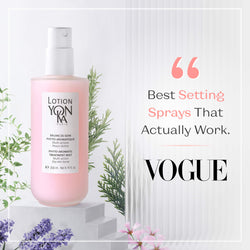
The "mist" step is often overlooked, but it is vital for dry skin. Lotion Yon-Ka PS (specifically formulated for dry skin) is more than just a toner. It is a phyto-aromatic powerhouse that hydrates and sanitizes the skin. Spritzing this mist before your serum or cream helps the subsequent products absorb more deeply into the skin.
Step 3: Targeted Treatment with Lipids
If your skin is truly dry, a serum or booster is where you can make the most significant impact. Serum Omega is an excellent choice for those lacking lipids, as it is rich in essential fatty acids that repair the appearance of the barrier. Alternatively, the Boosters collection can be added to your moisturizer to provide an extra "punch" of nourishment during colder months.
Step 4: Intense Moisturization
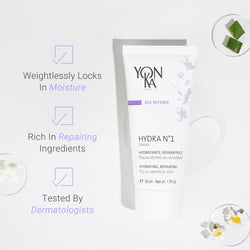
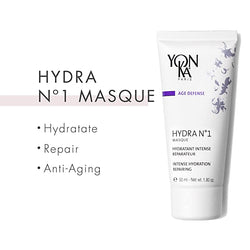
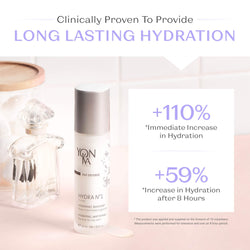
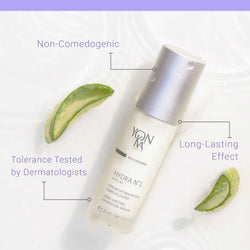
Dry skin requires a cream with a richer texture to provide a physical shield against the environment. The Hydra N°1 Creme is designed for those whose skin feels "thirsty" and tight. It uses two forms of hyaluronic acid to hydrate, combined with shea butter and hazelnut oil to nourish. For more mature dry skin, Phyto 52 provides firming benefits along with deep revitalization.
Note: We always recommend a patch test when introducing a new botanical product. Apply a small amount to your inner forearm and wait 24 hours to ensure your skin welcomes the essential oils and plant actives.
Essential Ingredients to Look For
When reading a product label for dry skin, certain ingredients act as "green lights" for nourishment. Understanding these common terms helps you navigate the skincare world with confidence.
- Hyaluronic Acid: A molecule that can hold up to 1,000 times its weight in water. For dry skin, look for formulas that combine it with oils so the water stays trapped in the skin.
- Ceramides: These are the "mortar" in your skin’s barrier. They help hold skin cells together and prevent moisture from escaping.
- Squalane: A plant-derived oil that mimics human sebum, making it highly compatible with the skin and non-greasy.
- Shea Butter: A rich emollient that provides a protective film over the skin, ideal for preventing "windburn" and extreme dryness.
- Glycerin: A humectant that draws moisture from the air into the upper layers of the skin.
Myth: Drinking more water will cure dry skin. Fact: While drinking water is essential for your overall health and helps with dehydrated skin, it cannot change your skin type. Genetically dry skin lacks oil, and no amount of water consumption can replace the lipids your sebaceous glands are failing to produce. You must apply topical oils and fats to support a dry skin type.
Lifestyle Tips for Maintaining Supple Skin
Your skincare ritual is most effective when supported by mindful lifestyle choices. Small adjustments to your environment can prevent your skin from feeling like it is constantly in a "deficit."
Consider using a humidifier in your bedroom, especially during the winter months. By adding moisture back into the air, you reduce the rate of transepidermal water loss while you sleep. This helps you wake up with a more refreshed, less tight complexion.
Be mindful of your diet. Consuming healthy fats—such as those found in avocados, walnuts, flaxseeds, and fatty fish—provides your body with the raw materials it needs to support skin health from the inside out. While topical application is faster, internal nutrition provides long-term support for your barrier.
When exfoliating, choose "grain-free" options. Physical scrubs with large particles can create micro-tears in a dry, fragile barrier. Gommage Yon-Ka is a professional-grade, grain-free exfoliator that uses citrus extracts and carob to gently "peel" away dead skin cells without friction. This allows your moisturizers to penetrate more effectively without causing irritation.
When to Seek Professional Guidance
Sometimes, dry skin requires a more intensive intervention than a home routine can provide. If you have followed a consistent ritual for several weeks and your skin still feels painfully tight or looks chronically dull, it may be time to consult a professional.
Skincare professionals at a Yon-Ka spa can offer deep-nourishing treatments that are not possible at home. These treatments often involve specialized massage techniques and high-concentration professional products designed to "reset" the skin barrier. You can use our online Spa Locator to find a certified professional near you who can perform a detailed skin analysis.
If your dryness is accompanied by intense itching, oozing, or thick, scaly patches that do not respond to moisturizer, consult a physician or dermatologist. These may be signs of a medical condition that requires prescription-strength care. Our products are designed to support and beautify the skin, but they do not replace medical treatment for dermatological diseases.
Conclusion
Identifying that you have dry skin is the first step toward a more comfortable and radiant life. By recognizing the difference between a lack of oil and a lack of water, you can stop guessing and start giving your skin exactly what it needs. Whether it is through a gentle cleanse with Lait Nettoyant or the lipid-rich support of Serum Omega, a consistent ritual allows your skin to thrive regardless of your genetics or the environment.
At Yon-Ka Paris, our 70-year heritage is rooted in the belief that skincare is a ritual worth savoring. We invite you to explore our tailored dry and dehydrated skin collection to find your perfect match. If you are still unsure of your specific needs, our online Skin Diagnosis quiz and Product Matcher are excellent tools to help you build a personalized phyto-aromatic program. Embrace the power of botanicals and rediscover the joy of skin that feels as good as it looks.
FAQ
How do I tell if my skin is dry or just dehydrated?
Dry skin is a skin type that lacks oil and usually feels tight all over with small pores and no shine. Dehydrated skin is a temporary condition that lacks water; it can feel tight but may still look oily or experience breakouts, and it often shows fine "dehydration lines."
Can I have dry skin and acne at the same time?
Yes, this is often the result of a compromised skin barrier. When dry skin becomes too brittle, it can develop micro-cracks that allow bacteria to enter, leading to blemishes. It can also happen if you are using harsh, drying acne treatments on a naturally dry skin type.
Why does my skin feel dry even after I moisturize?
This usually happens if you are only using a humectant (like hyaluronic acid) without an occlusive (like an oil or butter) to seal it in. For dry skin, you must provide lipids to repair the barrier; otherwise, any moisture you apply will simply evaporate into the air.
How often should I exfoliate if I have dry skin?
We recommend exfoliating once or twice a week with a gentle, grain-free product like Gommage Yon-Ka. Over-exfoliating can further damage your barrier, but occasional gentle exfoliation is necessary to remove dead skin cells so your moisturizers can actually reach the living skin.