Table of Contents
- Introduction
- Understanding the Difference Between Dry and Dehydrated Skin
- The Science of the Skin Barrier
- Step-by-Step Ritual to Improve Dry Skin Face
- Crucial Ingredients for Dry and Dehydrated Skin
- Why You Should Avoid Traditional Physical Scrubs
- The Role of Essential Oils and Phyto-Aromatics
- Lifestyle Adjustments to Support Your Skincare Ritual
- When to See a Professional
- Evening Intensive Care: The Power of Masks
- Conclusion
- FAQ
Introduction
Few things are as frustrating as the sensation of tight, parched skin that feels several sizes too small for your face. Whether it manifests as subtle roughness, visible flaking, or a dull complexion that lacks its usual vitality, dry skin is more than just a seasonal inconvenience—it is a sign that your skin's protective barrier is reaching out for support. At Yon-Ka Paris, we believe that restoring your skin's natural suppleness is not about a quick "hack," but rather about a dedicated, phyto-aromatic ritual that respects the delicate balance of your epidermis. This guide will explore the biological causes of dryness, provide actionable steps to replenish your moisture levels, and introduce the botanical ingredients that can help you achieve a soft, luminous appearance. By understanding how to improve dry skin face concerns, you can move away from temporary fixes and toward a lifelong ritual of skin health.
Understanding the Difference Between Dry and Dehydrated Skin
Before we can effectively address the appearance of dry skin, we must distinguish between "dry" and "dehydrated," as they require slightly different approaches. While these terms are often used interchangeably, in the world of professional skincare, they represent two distinct concerns.
Dry skin is a skin type characterized by a lack of oil (sebum). Your skin naturally produces lipids to lubricate the surface and keep the barrier intact. When oil production is low, the skin becomes rough, flaky, and more prone to sensitivity.
Dehydrated skin is a temporary condition characterized by a lack of water. Even oily skin can become dehydrated. When the skin lacks water, it often looks dull, shows fine lines more prominently, and feels tight despite appearing shiny in some areas.
For a deeper look at this distinction, explore the difference between hydrating and moisturizing.
Quick Answer: To improve dry skin on the face, you must focus on replenishing both water (hydration) and oil (lipids). A consistent ritual involving a gentle milk cleanser, an alcohol-free mist, and a high-performance moisturizer enriched with hyaluronic acid or essential fatty acids is the most effective path to lasting comfort.
The Science of the Skin Barrier
The outermost layer of your skin, the stratum corneum, acts as a protective shield. Think of it as a brick wall where the skin cells are the bricks and a complex blend of lipids (ceramides, cholesterol, and fatty acids) is the mortar. When this "mortar" is compromised, moisture escapes through a process called Trans-Epidermal Water Loss (TEWL), and external irritants can more easily penetrate the skin.
Several factors can lead to a compromised barrier:
- Aging: As we mature, our sebaceous glands produce less oil, and the body’s natural levels of hyaluronic acid—a molecule that can hold 1,000 times its weight in water—begin to decline.
- Environmental Extremes: Cold, dry winter air and indoor heating strip moisture from the skin, while excessive UV exposure can damage the barrier over time.
- Over-Cleansing: Using harsh soaps or hot water can dissolve the natural oils your skin desperately needs to stay protected.
Step-by-Step Ritual to Improve Dry Skin Face
To truly improve the appearance and feel of dry skin, we recommend moving away from aggressive treatments and embracing a layered, restorative approach. Our professional expertise suggests that the order of application is just as important as the products themselves.
Step 1: Gentle, Barrier-Respecting Cleansing
The goal of cleansing dry skin is to remove impurities without stripping away the precious lipids that remain. Avoid foaming cleansers that leave the skin feeling "squeaky clean," as this often indicates the barrier has been disrupted.
Instead, reach for a luxurious cleansing milk like Lait Nettoyant. This formula is designed to respect the skin’s pH while providing a soothing, sensorial experience.
- Apply with your fingertips using gentle, circular motions.
- Rinse with lukewarm water—never hot—to prevent further moisture loss.
- Pat your skin dry with a soft towel; avoid rubbing, which can irritate dry patches.
Step 2: Prepare and Hydrate with a Phyto-Aromatic Mist
In the Yon-Ka ritual, the misting step is essential. It provides an immediate burst of hydration and prepares the skin to better absorb the active ingredients in your serums and moisturizers.
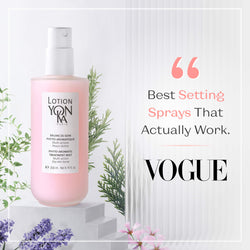
Lotion Yon-Ka PS is our iconic, alcohol-free mist specifically formulated for dry and sensitive skin. It features our signature Quintessence—a blend of lavender, geranium, rosemary, cypress, and thyme essential oils—to revitalize and soothe the skin. Mist generously over the face and neck, and while the skin is still slightly damp, move to the next step.
Step 3: Targeted Treatment with Serums and Elixirs
For skin that feels chronically parched, a moisturizer alone may not be enough. Serums are concentrated formulas designed to deliver specific active ingredients deep into the surface layers of the skin.
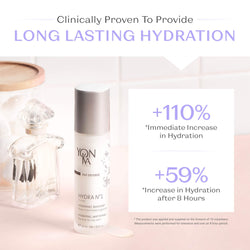
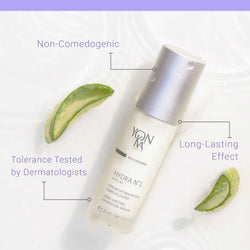
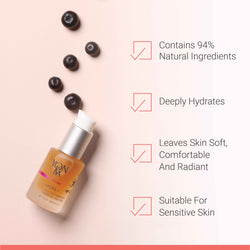
If your skin is severely dry and lacking oil, look for a lipid-restoring formula like Serum Omega. This oil-in-serum is rich in essential fatty acids that help to "repair the mortar" of your skin barrier. If your concern is primarily dehydration (lack of water), a serum rich in hyaluronic acid, such as Hydra N°1 Serum, will help to plump the appearance of the skin from within.
Step 4: Lock in Moisture
The final step in your daily routine is to apply a cream that acts as an occlusive, sealing in the hydration and protection you have just applied.
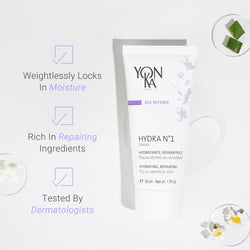
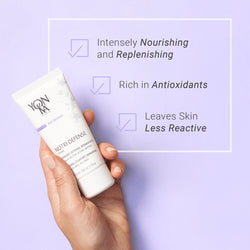
- For Intensive Hydration: Hydra N°1 Crème provides long-lasting moisture and comfort, leaving the skin looking soft and revitalized.
- For Protection: During the day, follow with a protective layer like Hydra N°1 Crème, which helps defend against environmental stressors and support barrier comfort.
Key Takeaway: Skincare for dry skin is about layering. Applying a mist, then a serum, then a cream while the skin is still slightly damp "traps" moisture more effectively than applying a single heavy cream to bone-dry skin.
Crucial Ingredients for Dry and Dehydrated Skin
When reading labels, look for ingredients that serve three functions: attracting water, softening the skin, and sealing in moisture.
| Ingredient Type | Function | Examples |
|---|---|---|
| Humectants | Attract water molecules to the skin | Hyaluronic acid, Glycerin, Aloe Vera |
| Emollients | Smooth and soften the surface of the skin | Squalane, Jojoba oil, Shea butter |
| Occlusives | Form a protective seal to prevent water loss | Beeswax, Ceramides, Plant oils |
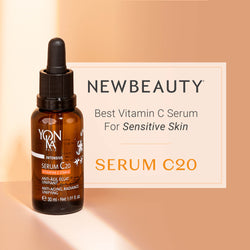
We prioritize these botanical powerhouses in our formulas because they offer high efficacy with a low risk of irritation. For a closer look at the signature complex behind many Yon-Ka formulas, visit our ingredients page. For instance, Serum C20 uses a stable form of Vitamin C and botanical oils to brighten and protect, but it is always formulated within a nourishing base to ensure even dry skin types can enjoy the benefits of antioxidants without dryness.
Why You Should Avoid Traditional Physical Scrubs
When your face feels flaky, it is tempting to reach for a gritty scrub to "buff away" the dryness. However, for dry skin, physical exfoliants can cause micro-tears and further compromise the skin barrier.
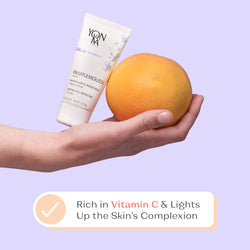
We recommend a more refined approach to exfoliation. The broader dry-skin ritual guide explains why gentler support is often a better fit than aggressive scrubbing. It uses citrus extracts to help dissolve dead skin cells, while carob and seaweed derivatives help to hydrate and soothe. This ensures the skin looks bright and smooth without the mechanical irritation of traditional scrubs.
The Role of Essential Oils and Phyto-Aromatics
Our heritage is rooted in the fusion of aromatherapy and phytotherapy. The use of pure essential oils does more than just provide a beautiful scent; it supports the skin’s natural functions.
The Quintessence, our heart and soul, is a 100% natural complex that provides a sense of wellbeing (aromachology) while acting as a catalyst for the other ingredients in your routine. Because essential oils are potent, we maintain a strict formulation charter to ensure safety and efficacy.
Note: When introducing products containing essential oils or any new active ingredient, we recommend a simple patch test. Apply a small amount to your inner forearm and wait 24 hours. While a slight, transient tingling can be a normal sign of botanical activity, persistent redness means you should reduce frequency or discontinue use.
Lifestyle Adjustments to Support Your Skincare Ritual
Your environment and daily habits play a significant role in how to improve dry skin face conditions. Even the best skincare products will struggle to keep up if the environment is working against them.
- Humidity Control: Use a humidifier in your bedroom, especially during the winter months. Aim for a humidity level around 50-60% to prevent the air from "stealing" moisture from your skin while you sleep.
- Water Intake: While drinking water doesn't directly hydrate the surface of the skin, overall hydration supports healthy cellular function.
- Dietary Fats: Incorporate healthy fats like avocado, walnuts, and flaxseeds into your diet. These provide the internal building blocks for your skin’s lipid barrier.
- Shorter, Cooler Showers: Limit your showers to 5-10 minutes and keep the water lukewarm. Steam may feel good, but it is a primary culprit for drying out facial skin.
When to See a Professional
While most cases of dryness can be improved through a consistent home ritual, there are times when professional intervention is necessary. If your skin is persistently red, painful, cracked, or if the dryness is accompanied by intense itching that interferes with sleep, it is time to consult a dermatologist. Conditions such as eczema, psoriasis, or rosacea require medical diagnosis and specialized treatment plans.
For those looking to take their results to the next level, visiting a Yon-Ka spa professional can provide deep-reaching benefits. Our trained estheticians can perform intensive hydrating treatments, such as the Le Grand Classique or specialized hydration facials, which utilize professional-grade concentrates and manual techniques to deeply revitalize the skin. You can find a nearby partner through our Spa Locator.
Evening Intensive Care: The Power of Masks
Nighttime is when your skin goes into "repair mode." You can amplify this natural process by incorporating a hydrating mask once or twice a week.
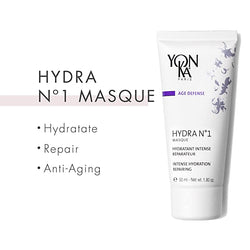
This is where Hydra N°1 Crème can be paired with targeted moisture support to help very dry or stressed skin feel more comfortable overnight. It can be applied in a thick layer for 10-15 minutes or, for a more intensive effect, applied in a thin layer and left on overnight. This allows the botanical extracts—including jojoba and vitamins A, C, and E—to support the skin's recovery while you sleep.
Myth: "If I have dry skin, I should never use oils if I am prone to occasional breakouts." Fact: Oily skin can be dehydrated, and dry skin can still experience clogged pores. The key is using non-comedogenic (pore-friendly) botanical oils rather than heavy mineral oils. Properly balanced plant oils like those in Serum Omega can actually help balance the skin’s natural oil production over time.
Conclusion
Improving the appearance of dry skin on the face is a journey of restoration rather than a quick fix. By respecting your skin's barrier, choosing gentle botanical formulations, and maintaining a consistent daily ritual, you can transform a parched complexion into one that is supple, luminous, and resilient. Remember to cleanse with care, mist for hydration, and seal in moisture with lipid-rich creams.
At Yon-Ka, our 70-year history is built on the belief that skincare is a moment of connection between nature and yourself. We invite you to savor your daily ritual and trust in the power of phyto-aromatic expertise. To find the perfect products for your unique needs, we encourage you to take our Skin Diagnosis quiz or explore our Hydra N°1 Serum and dry-skin ritual guide.
Bottom line: Consistent hydration and barrier protection are the foundations of ageless, healthy-looking skin.
FAQ
Why is my face so dry even when I moisturize?
If your skin remains dry despite moisturizing, you may be using a product that doesn't match your skin's needs, or you may be skipping the essential step of hydration (water). For many, the "dryness" is actually a damaged skin barrier that cannot hold onto the moisture you are applying. Ensure you are layering a humectant serum under an occlusive cream to trap moisture effectively.
Can I use retinol if I have dry skin?
Yes, but you must be cautious as retinol can be drying. To minimize irritation, look for formulas that include soothing botanicals or "buffer" your retinol by applying a moisturizer first. We recommend introducing actives slowly and focusing on a very hydrating ritual on the nights you are not using retinol to maintain balance.
Is hot water really that bad for dry skin?
Yes, hot water is one of the quickest ways to strip the skin of its natural oils (sebum). It can also cause vasodilation, which may increase redness in sensitive skin types. Always wash your face with lukewarm water and immediately follow with Lotion Yon-Ka PS to lock in hydration while the skin is still damp.
How often should I exfoliate dry skin?
For dry skin, less is often more. We recommend exfoliating no more than once a week using a gentle, grain-free product like Lait Nettoyant. Over-exfoliating can lead to further barrier damage, increased sensitivity, and even more dryness as the skin struggles to repair itself.