Table of Contents
- Introduction
- Understanding the Difference Between Dry and Dehydrated Skin
- The Science of the Skin Barrier
- Common Causes of Facial Dryness
- The Phyto-Aromatic Approach to Healing
- A Targeted Ritual for Dry Facial Skin
- Essential Ingredients to Look For
- Lifestyle Adjustments to Support Your Skin
- The Importance of Regular Exfoliation
- When to Seek Professional Guidance
- Conclusion
- FAQ
Introduction
Experiencing a face that feels tight, parched, or perpetually flaky can be more than just a cosmetic inconvenience; it can affect how you feel as you move through the world. When your skin lacks the essential moisture and oils it needs to remain supple, your complexion can appear dull and lose its natural radiance. At Yon-Ka Paris, we believe that restoring your skin's comfort is a journey of patience and botanical synergy. Healing dry skin is not about finding a single "miracle" fix, but rather about adopting a consistent, barrier-respecting ritual that nourishes the skin at a deeper level. This article covers the fundamental causes of facial dryness, the essential ingredients to look for, and a professional-grade routine designed to help you regain a soft, luminous, and healthy-looking glow.
Understanding the Difference Between Dry and Dehydrated Skin
Before you can effectively address the discomfort on your face, it is vital to distinguish between dry skin and dehydrated skin. While these terms are often used interchangeably, they represent two distinct physiological states that require different approaches.
Dry skin is a skin type characterized by a lack of oil. In this state, your sebaceous glands do not produce enough sebum (natural oils) to keep the skin lubricated and protected. Because the skin lacks these essential lipids, the barrier is often compromised, leading to a rough texture, visible flaking, and a constant feeling of tightness. This is typically a genetic predisposition, though it can be exacerbated by aging.
Dehydrated skin is a temporary skin condition caused by a lack of water. Even those with oily or combination skin can experience dehydration. It occurs when the water content within the skin cells is depleted, often due to environmental factors, diet, or lifestyle. Dehydrated skin might look "crepey" or show fine lines more prominently, but it may still feel oily underneath.
Quick Answer: To heal dry skin on the face, you must replenish both oil and water. A ritual focused on gentle cleansing, alcohol-free toning, and layering lipid-rich moisturizers with water-binding humectants like hyaluronic acid will support the appearance of a repaired skin barrier.
The Science of the Skin Barrier
To understand how to heal dry skin on the face, we must look at the stratum corneum, the outermost layer of the epidermis. This is often referred to as the "moisture barrier." Think of your skin cells as bricks and the lipids (fats) surrounding them as the mortar. When this "mortar" is healthy, it prevents moisture from evaporating—a process known as transepidermal water loss (TEWL)—and keeps external irritants out.
When your skin is dry, that mortar is thin or missing. This creates microscopic gaps in the barrier, allowing water to escape rapidly. This leads to the cycle of dryness, irritation, and sensitivity. Our goal is to provide the skin with "bio-mimetic" ingredients—botanical oils and extracts that mimic the skin’s natural composition—to fill those gaps and restore the barrier's integrity.
Common Causes of Facial Dryness
Identifying the source of your dryness is the first step toward relief. While some factors are internal, many are external and can be managed with a few mindful changes.
Environmental Stressors
Low humidity is one of the most common culprits. During the winter, cold air holds very little moisture. Indoors, heating systems further strip the air of humidity, creating an environment that literally "pulls" water out of your skin. Similarly, excessive sun exposure can damage the skin barrier and lead to chronic dryness and premature aging.
Harsh Cleansing Habits
Over-washing or using alkaline soaps can devastate dry skin. Many traditional cleansers contain harsh surfactants like sulfates that strip away the very oils your skin is struggling to produce. If your skin feels "squeaky clean" or tight immediately after washing, your cleanser is likely too aggressive. A gentle option like Lait Nettoyant can help keep cleansing comfortable.
The Impact of Aging
As we age, our body's natural production of sebum and hyaluronic acid begins to slow down. This biological shift means that skin that was once "normal" may become increasingly dry and thin over time. This is why a ritual that worked in your twenties may no longer be sufficient in your forties or fifties.
Hot Water Exposure
While a steaming hot shower might feel therapeutic, it is incredibly drying for the face. Hot water dissolves the skin’s natural protective oils, leaving the surface vulnerable and parched.
The Phyto-Aromatic Approach to Healing
At the heart of our philosophy is the belief that the most effective solutions are found in nature, refined by science. We utilize the power of four plant sciences—aromatherapy, aromachology, phytotherapy, and marine biology—to create formulas that do more than just sit on the surface.
Our signature Quintessence is a cornerstone of this approach. This exclusive complex of five essential oils—lavender, geranium, rosemary, cypress, and thyme—is integrated into many of our formulas. These oils are 100% natural and active, providing a sensory experience that calms the mind while the botanical actives work to revitalize the appearance of the skin. For dry skin, these ingredients help to stimulate and support the skin's natural functions without the use of harsh synthetics. You can learn more about this heritage on our ingredients page.
A Targeted Ritual for Dry Facial Skin
Healing dry skin requires a layered approach. By following a consistent routine, you provide the skin with a steady supply of nutrients and moisture.
Step 1: Gentle, Barrier-Respecting Cleansing
The foundation of your ritual should be a milky, non-foaming cleanser. Avoid anything that creates a heavy lather, as this often indicates the presence of drying surfactants.
Lait Nettoyant is our iconic cleansing milk, specifically designed to remove makeup and impurities while respecting the skin’s delicate hydrolipidic film. It leaves the skin feeling soft and supple rather than stripped. Always use lukewarm water and avoid rubbing the skin with a harsh washcloth; instead, use your fingertips in gentle, circular motions.
Step 2: Prepare and Hydrate with a Phyto-Aromatic Mist
Traditional toners often contain alcohol, which is a major irritant for dry skin. Instead, use a healing mist to rebalance the skin and prepare it for treatment.
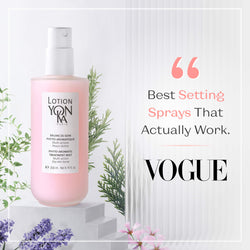
Lotion Yon-Ka PS (formulated for dry and sensitive skin) is more than just a toner. This alcohol-free mist is infused with our Quintessence and acts as a "liquid moisturizer." Spraying it onto the skin before applying your serum or cream helps those products penetrate more effectively, essentially locking the mist's hydration into the skin.
Step 3: Targeted Treatment with Serums and Elixirs
Serums are highly concentrated and designed to address specific concerns. For dry skin, you want a serum that provides both immediate relief and long-term barrier support.
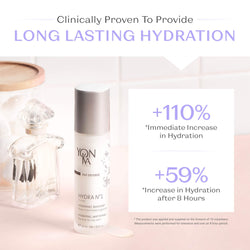
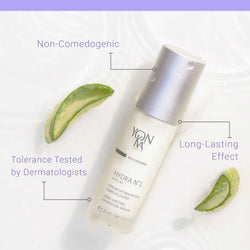
- Hydra n°1 Serum: This is a vital step for those experiencing dehydration. It contains two forms of hyaluronic acid to attract water into the skin, helping to smooth the appearance of fine lines caused by dryness.
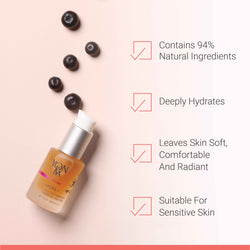
- Serum Omega: If your skin is truly dry (lacking oil), this lipid-restoring oil-in-serum is transformative. It uses omega-rich botanical oils to reinforce the skin barrier and provide deep nourishment.
Step 4: Intensive Moisturizing
Moisturizers act as the "seal" for your routine. They should contain a blend of humectants to hold water and emollients to smooth the skin's surface.
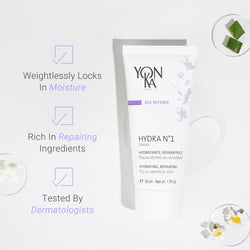
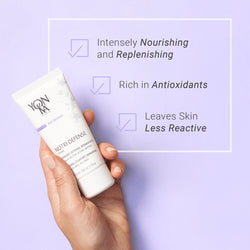
Hydra n°1 Crème is an exceptional choice for very dry skin. It is enriched with shea butter, hazelnut oil, and grape seed oil to provide intense lipid replenishment. For those who prefer a lighter texture during the day but still need deep hydration, Hydra n°1 Fluide offers a matte finish while still delivering significant moisture.
Step 5: Evening Repair and Rejuvenation
Nighttime is when your skin focuses on repair. Use this opportunity to apply richer formulas or "sleeping masks."
Glyconight 10% Masque can be used periodically to gently remove the buildup of dry, dead skin cells that can prevent moisturizers from absorbing. However, for nightly comfort, Élastine Nuit helps to support the skin's natural elasticity while providing the nourishment needed to wake up with a refreshed complexion.
Key Takeaway: Always apply your moisturizer while the skin is still slightly damp from your mist. This "traps" the moisture on the surface, significantly increasing the hydration levels of the epidermis.
Essential Ingredients to Look For
When reading ingredient labels, look for these powerhouse botanicals and science-backed actives known for their ability to support dry skin.
Hyaluronic Acid
This molecule is a "moisture magnet." It can hold up to 1,000 times its weight in water. In skincare, it helps to plump the appearance of the skin and create a reservoir of hydration. We use different molecular weights of hyaluronic acid in products like the Hydra n°1 range to ensure the skin is hydrated at multiple levels.
Vegetable Glycerin
A classic humectant that is incredibly effective at drawing moisture into the skin. It is gentle, non-irritating, and found in many of our foundational formulas to ensure long-lasting comfort.
Shea Butter and Plant Oils
Rich in fatty acids and vitamins, ingredients like shea butter, jojoba oil, and argan oil provide the "mortar" the skin barrier needs. These emollients fill in the rough spots on the skin's surface, making it feel silky and smooth.
Ceramides
These are lipids that occur naturally in the skin. Including them in your routine helps to "repair" the barrier, making the skin more resilient against environmental aggressors.
Note: When introducing new botanical products, we recommend a simple patch test. Apply a small amount to your inner forearm and wait 24 hours to ensure your skin welcomes the new ingredients.
Lifestyle Adjustments to Support Your Skin
Skincare is a holistic endeavor. What you do outside of your bathroom also impacts how your skin behaves.
- Invest in a Humidifier: Especially during winter months or if you live in a desert climate, a humidifier adds water back into the air, preventing your skin from becoming a source of moisture for the environment.
- Modify Your Shower Routine: Keep showers under 10 minutes and use lukewarm water. If your face feels hot or turns red, the water is too warm.
- Stay Hydrated from Within: While drinking water doesn't directly "moisturize" the skin in the way a cream does, chronic dehydration can affect your skin's overall health and ability to repair itself.
- Choose Soft Fabrics: If your skin is irritated and dry, avoid rough fabrics like wool near your face. Opt for silk or high-quality cotton pillowcases to reduce friction while you sleep.
The Importance of Regular Exfoliation
It may seem counterintuitive to exfoliate dry skin, but it is a necessary step. When skin is dry, dead skin cells can accumulate on the surface, creating a "shield" that prevents your expensive serums and creams from reaching the living layers of the skin.
The key is to avoid physical scrubs with jagged particles, which can cause micro-tears in an already fragile barrier. Instead, choose a grain-free exfoliator. Gommage Yon-Ka is a botanical peel that is gentle enough even for sensitive skin. It uses carob and lime extracts to gently lift away dead cells, leaving the skin smooth and ready to absorb hydration.
When to Seek Professional Guidance
While most facial dryness can be managed with a dedicated ritual and lifestyle changes, sometimes the skin needs professional intervention. If your skin is cracking, bleeding, or shows signs of persistent inflammation despite your best efforts, it is important to consult a physician or a dermatologist. Conditions like eczema, rosacea, or psoriasis require medical diagnosis and targeted treatments.
For those looking to take their hydration to the next level, a professional spa treatment can provide immediate, deep-reaching results. Our professional estheticians use specialized techniques and high-concentration professional formulas to "reset" the skin's moisture levels. You can find a nearby partner through our Spa Treatments page to experience a personalized consultation and treatment plan.
You can also take our Skin Diagnosis quiz if you want a more tailored starting point for dry or dehydrated skin.
| Skin Concern | Recommended Product Type | Yon-Ka Recommendation |
|---|---|---|
| Flaky Texture | Grain-free Exfoliator | Gommage Yon-Ka |
| Tightness/Dehydration | Hyaluronic Acid Serum | Hydra n°1 Serum |
| Chronic Dryness/Lipid Loss | Omega-rich Oil | Serum Omega |
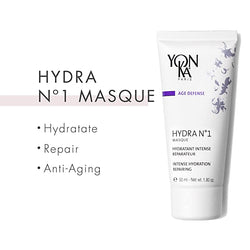
| Intense Repair (Mask) | Hydrating Mask | Hydra n°1 Masque |
Conclusion
Healing dry skin on your face is a journey rooted in consistency and the right botanical support. By moving away from "quick fixes" and toward a professional-inspired ritual that respects your skin's natural barrier, you can transform a parched complexion into one that looks and feels revitalized. Remember that your skin is a living organ that responds to the care you give it. Layering moisture, protecting your barrier, and choosing high-quality phyto-aromatic ingredients will lead to long-term comfort and radiance.
For 70 years, we have remained committed to the belief that skincare is a ritual worth savoring. Rooted in the power of plants and refined by pharmaceutical rigor, our formulas are designed to bring the expertise of the French spa into your home. If you are unsure where to begin your journey, we invite you to use the Product Matcher to find your perfect botanical match. At Yon-Ka Paris, we are honored to be part of your path toward healthier, more beautiful skin.
"The beauty of the skin is a reflection of the harmony within. Treat your skin with the kindness of plants, and it will return the favor with a timeless glow."
FAQ
How long does it take to heal dry skin on the face?
While you may feel immediate relief after applying a high-quality moisturizer, truly repairing the skin barrier usually takes about 28 to 30 days. This timeline aligns with your skin's natural cell turnover cycle, allowing new, healthy cells to reach the surface.
Can I use face oil if I have dry skin?
Yes, face oils are excellent for dry skin types as they provide the lipids your skin is failing to produce. It is best to apply an oil like Serum Omega over a hydrating mist or under a cream to ensure you are providing the skin with both oil and water-based moisture.
Why is my face still dry even though I moisturize daily?
If your face remains dry, you may be using a moisturizer that isn't rich enough, or you might have a buildup of dead skin cells preventing absorption. Ensure you are gently exfoliating and using a "complete" ritual that includes a hydrating mist and a serum before your cream.
Is hot water really that bad for dry skin?
Yes, hot water is one of the most common external causes of dryness because it strips away the natural sebum that protects your skin barrier. Switching to lukewarm water for all facial cleansing is one of the easiest and most effective ways to help your skin retain its natural moisture.