Table of Contents
- Introduction
- The Science of Surface Flakes
- Why Traditional Scrubs Can Be Counterproductive
- The Power of Grain-Free Exfoliation
- Chemical Exfoliation: AHAs and BHAs Explained
- The Role of Fruit Enzymes
- Building Your "Dry-Skin-Off" Ritual
- Seasonal Adjustments for Dry Skin
- The Importance of the Skin Barrier
- Professional Spa Treatments
- Essential Oil Safety and Efficacy
- Lifestyle Habits to Prevent Dryness
- Conclusion
- FAQ
Introduction
Waking up to a complexion that feels tight, looks dull, or shows visible flaking can be deeply frustrating, especially when your favorite foundation or moisturizer seems to only highlight the texture. That "ashy" or rough surface is often a sign that your skin’s natural renewal process has slowed down, leaving dead cells trapped on the surface.
At Yon-Ka Paris, we believe that achieving a smooth, luminous glow isn't about aggressive scrubbing, but rather a sophisticated balance of gentle exfoliation and deep, phyto-aromatic hydration. For skin that feels persistently parched or flaky, start by exploring our dry and dehydrated skin collection.
This article explores the biological causes of surface buildup and provides a professional roadmap for safely clearing away dullness to reveal the fresh, radiant skin beneath. By refining your ritual with targeted botanicals and mindful techniques, you can transform a parched complexion into one that feels supple and revitalized.
Quick Answer: To get dry skin off your face safely, use a grain-free exfoliator or a mild chemical peel (AHA) to dissolve dead cell bonds without irritation. Follow immediately with a hydrating mist and a lipid-rich moisturizer to repair the skin barrier and prevent future flaking.
The Science of Surface Flakes
To effectively address dry skin, it is essential to understand why it accumulates in the first place. Our skin is a living organ that undergoes a continuous cycle of renewal called desquamation. In a healthy cycle, new skin cells are born in the deepest layer of the epidermis and gradually migrate to the surface. By the time they reach the top, they are flat, dead cells that should naturally shed every 28 to 30 days.
However, several factors can disrupt this "exit strategy." When the skin is dehydrated, it lacks the enzymes necessary to break the "glue" (known as desmosomes) that holds these dead cells together. Instead of shedding invisibly, the cells clump together, creating the visible flakes and rough patches we recognize as dry skin.
For a broader view of exfoliating options, our face exfoliation collection is a natural next step.
Why Traditional Scrubs Can Be Counterproductive
When faced with a flaky forehead or a rough nose, the immediate instinct is often to reach for a gritty face scrub. While mechanical exfoliation can provide instant gratification, many over-the-counter scrubs contain jagged particles like crushed walnut shells or large salt crystals. For someone with a dry or compromised barrier, these can create "micro-tears" in the skin.
At Yon-Ka, we prioritize professional-grade methods that respect the skin's integrity. Instead of "tearing" the skin away, we focus on biological and gentle mechanical actions that lift dead cells without disturbing the delicate moisture barrier.
If you prefer a gentler route, Gommage Yon-Ka is a strong example of a grain-free exfoliator designed for weekly smoothing.
The Power of Grain-Free Exfoliation
For those wondering how to get the dry skin off your face without causing irritation, the answer often lies in grain-free, "gommage" style exfoliators. This is a classic French technique that bridges the gap between a mask and a physical exfoliant.
Gommage Yon-Ka is our iconic example of this method. This plant-based, grain-free gel relies on botanical extracts to gently lift dead skin cells. As the gel dries slightly, it is rolled off with the fingertips.
Because there are no abrasive beads, it is safe even for those with sensitive skin or visible redness. This method is particularly effective for dry skin because it doesn't rely on friction alone; it uses the chemistry of the botanical extracts to loosen the bonds of dead skin, making the physical removal incredibly soft and non-invasive.
Chemical Exfoliation: AHAs and BHAs Explained
If your dry skin feels particularly stubborn or "thickened," chemical exfoliants may be more appropriate. "Chemical" in this context refers to naturally derived acids that dissolve the intercellular glue holding dead cells to the surface.
Alpha Hydroxy Acids (AHAs)
AHAs, such as glycolic acid and lactic acid, are water-soluble acids derived from sugary fruits or milk. They are the gold standard for dry skin because they work primarily on the surface.
Beta Hydroxy Acids (BHAs)
Salicylic acid is the most well-known BHA. Unlike AHAs, BHAs are oil-soluble, allowing them to penetrate deep into the pores.
Polyhydroxy Acids (PHAs)
PHAs are the "next generation" of AHAs. They have larger molecular structures, which means they penetrate the skin more slowly and are much less likely to cause stinging or irritation.
For a more complete picture of acid-based smoothing, Glyconight 10% Masque is the Yon-Ka product to look at next.
Key Takeaway: Dry skin responds best to AHAs like lactic and glycolic acid, which smooth the surface and improve hydration levels simultaneously.
The Role of Fruit Enzymes
For those with very reactive skin who still need to clear away surface buildup, fruit enzymes offer a middle ground. Enzymes derived from pineapple or papaya work by "digesting" the protein that makes up the dead skin cells on the surface.
Unlike acids, which can change the pH of the skin, enzymes are often more pH-neutral and limit their activity strictly to the very top layer of the epidermis. This makes them a fantastic choice for a weekly "refresh" that leaves the skin feeling baby-soft without any risk of over-exfoliation.
Building Your "Dry-Skin-Off" Ritual
Removing dry skin is not a one-step process; it is a ritual that begins with preparation and ends with protection. Following a consistent sequence ensures that you aren't just removing the "bad" skin, but also supporting the "new" skin.
Step 1: Gentle Cleansing
Never exfoliate skin that hasn't been properly cleansed. Use a milk-based cleanser like Lait Nettoyant. This avoids stripping the skin's natural lipids before you even begin the exfoliation process.
Step 2: Phyto-Aromatic Preparation
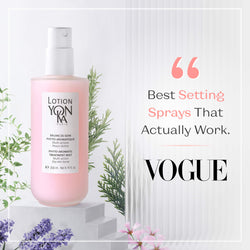
After cleansing, mist your face with Lotion Yon-Ka PS. This is not a traditional drying toner; it is a hydrating mist infused with Yon-Ka's signature botanical approach.
Step 3: Targeted Exfoliation
Apply your chosen exfoliator. If you are using a chemical peel like Glyconight 10% Masque, apply a thin layer before bed. If using a manual method like Gommage, perform the "rolling" technique once or twice a week.
Step 4: Intensive Rehydration
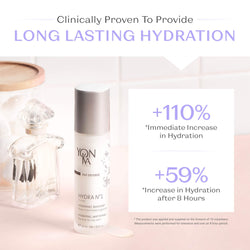
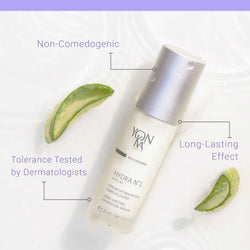
Once the dead skin is removed, the "fresh" skin underneath is highly receptive to active ingredients. This is the time to apply a high-potency serum. Hydra N°1 Serum uses hyaluronic acid to drench the skin in moisture.
Step 5: Lipid Restoration
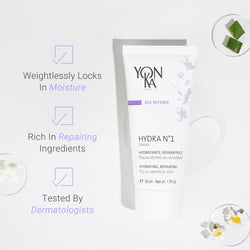
Finally, seal everything in with a rich cream. Hydra N°1 Crème or Serum Omega helps restore the skin’s comfort and barrier support.
Seasonal Adjustments for Dry Skin
The environment plays a massive role in how much dry skin accumulates on your face.
- Winter Strategy: Increase your use of nourishing boosters. A few drops of Booster Nutri + added to your daily moisturizer can provide an extra layer of nourishment during the coldest months.
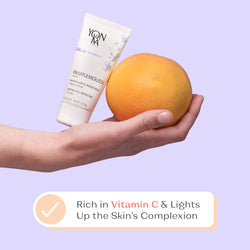
- Summer Strategy: Focus on brightening exfoliants like Serum C20, which uses Vitamin C to improve radiance while helping keep texture smooth.
The Importance of the Skin Barrier
It is tempting to think that if your skin is dry, you should exfoliate every day until the flakes are gone. This is a common mistake. Over-exfoliating can lead to a "shiny but tight" appearance, which is a tell-tale sign of a compromised barrier.
Your skin barrier is like a brick-and-mortar wall. The skin cells are the bricks, and the lipids are the mortar. If you remove too many "bricks" too quickly, the wall collapses. This leads to inflammation, which actually increases the rate of cell death and results in more dry skin.
If you want a moisturizer specifically designed for dry, dehydrated skin, browse our face moisturizers collection.
Professional Spa Treatments
Sometimes, at-home care isn't enough to tackle deep-seated dullness or extreme seasonal dryness. This is where professional expertise becomes invaluable.
Yon-Ka treatments often feature the "Le Grand Classique" or "Hydralessence" facials. To see a professional option built around deep hydration and renewal, explore our Hydralessence Treatment.
You can also use our Spa Locator to find a certified professional near you who can analyze your skin and recommend a tailored program.
Essential Oil Safety and Efficacy
Because our formulas are rooted in aromachology and phytotherapy, they contain potent essential oils. These oils do more than just provide a spa-like scent; they are active ingredients that support the skin's natural healing functions.
Yon-Ka’s ingredient philosophy is rooted in plant-based expertise, and you can read more on our ingredients page.
Note: When introducing a new product containing essential oils, we always recommend a patch test. Apply a small amount to your inner forearm and wait 24 hours to ensure no adverse reaction occurs.
Lifestyle Habits to Prevent Dryness
How you treat your body reflects on your face. To minimize the buildup of dead skin, consider these daily habits:
- Lukewarm is Best: Hot water strips the natural oils from your face.
- Humidify Your Space: If you live in a dry climate or use air conditioning/heating regularly, a humidifier in the bedroom can help reduce moisture loss.
- Stay Hydrated from Within: While drinking water isn't a cure for dry skin, staying hydrated supports overall cellular health.
- Sun Protection: UV damage is a primary cause of premature skin aging and dryness. Always follow your morning ritual with a broad-spectrum sunscreen.
If sun-related dehydration is a recurring issue, our anti-aging collection is a useful place to continue your search.
Conclusion
Getting the dry skin off your face is a journey of renewal that requires a gentle touch and a commitment to hydration. By moving away from harsh scrubs and embracing the sophisticated power of grain-free gommage and botanical acids, you can maintain a complexion that looks perpetually refreshed and luminous.
At Yon-Ka Paris, our heritage is dedicated to this delicate balance of nature and science, ensuring that every step of your ritual nourishes the skin while it refines. To learn more about the brand behind the ritual, visit our brand story.
- Start with a gentle cleanse and a phyto-aromatic mist to prepare the skin.
- Choose a grain-free exfoliator like Gommage Yon-Ka for weekly smoothing.
- Replenish the skin immediately with hyaluronic acid and essential lipids.
- Protect your results with daily sunscreen and moisture-locking habits.
If you are unsure which products are right for your specific level of dryness, we invite you to take our Skin Diagnosis quiz or use the Product Matcher on our website to find your perfect phyto-aromatic match.
FAQ
Is it better to peel or scrub dry skin off my face?
It is generally better to use a peel or a grain-free gommage rather than a physical scrub. Scrubs can be too abrasive for dry skin, potentially causing micro-tears and increasing inflammation, whereas AHAs gently dissolve the bonds of dead skin for a smoother, safer result.
How often should I remove dead skin from my face?
For most skin types, exfoliating 1 to 2 times per week is ideal. If your skin is extremely dry or sensitive, you may want to start with once a week. Over-exfoliating can damage your moisture barrier, leading to more flaking and sensitivity.
Why is my face still flaky even after I exfoliate?
This usually happens because the skin is severely dehydrated or the moisture barrier is compromised. If you exfoliate without properly "resealing" the skin with lipids and humectants, the new skin dries out quickly and begins to flake again almost immediately.
Can I use a washcloth to get dry skin off my face?
A soft, damp washcloth can be used for very gentle physical exfoliation, especially for those with sensitive skin. However, you must be careful not to rub too hard, as the friction can still cause irritation. Using a dedicated grain-free exfoliator like Gommage Yon-Ka is typically more effective and precise.