Table of Contents
- Introduction
- Understanding the Roots of Extreme Dryness
- The Professional Phyto-Aromatic Approach
- A Ritual for Restoring Comfort
- Essential Ingredients for Dry Skin Restoration
- Practical Lifestyle Changes to Support Your Skin
- Weekly Intensive Treatments
- Common Myths About Dry Skin
- When to Consult a Professional
- Conclusion
- FAQ
Introduction
Waking up to skin that feels two sizes too small is a frustrating experience. When your face feels tight, looks flaky, or appears dull, it is more than a cosmetic inconvenience—it is a signal that your skin’s protective barrier is struggling to retain its vital resources. At Yon-Ka Paris, we understand that "super dry" skin requires more than a heavy cream; it demands a dedicated ritual that respects the skin’s delicate ecology while replenishing lost lipids and moisture.
This article explores the physiological causes of extreme facial dryness and provides a professional roadmap for restoration. We will cover the essential differences between dryness and dehydration, the botanical ingredients that effectively support the skin barrier, and how to structure a phyto-aromatic routine that brings comfort back to your complexion. By shifting from aggressive treatments to a layered, nutrient-dense approach, you can support the appearance of soft, supple, and radiant skin.
Quick Answer: To get rid of super dry skin on the face, focus on a barrier-repair ritual that includes gentle, milk-based cleansing, a hydrating mist to enhance absorption, and a combination of water-binding humectants like hyaluronic acid and lipid-rich plant oils. Avoid hot water and harsh exfoliants, and always apply moisturizer to damp skin within minutes of washing.
Understanding the Roots of Extreme Dryness
Before addressing how to resolve the issue, it is vital to understand why the skin becomes "super dry" in the first place. Dryness is often a result of a compromised acid mantle—the thin, slightly acidic film on the skin’s surface that acts as a primary interface between you and the environment. When this barrier is disrupted, moisture evaporates more quickly, a process known as Transepidermal Water Loss (TEWL).
Dry vs. Dehydrated: The Crucial Distinction
It is a common misconception that dry and dehydrated are the same thing. However, treating them identically can lead to suboptimal results. Dry skin is a skin type characterized by a lack of oil (lipids). Your sebaceous glands simply do not produce enough sebum to keep the skin lubricated. This often results in a rough texture, visible flaking, and a lack of elasticity.
Dehydrated skin, on the other hand, is a temporary condition characterized by a lack of water. Even oily skin types can become dehydrated. Dehydration often manifests as "crepey" fine lines, a dull complexion, and a feeling of tightness despite the presence of surface oil. When your skin is "super dry," you are likely dealing with a combination of both: a lack of protective oils and a significant depletion of water within the epidermal layers.
Factors That Exacerbate Dryness
Several external and internal factors can push skin from "normal" to "extremely dry."
- Environmental Extremes: Cold winter air holds less moisture, while indoor heating systems further strip the air—and your skin—of humidity.
- The Aging Process: As we age, our skin naturally produces fewer lipids and its ability to hold onto water diminishes. The production of sebum often drops significantly after the age of 40.
- Aggressive Cleansing: Using high-pH soaps or foaming cleansers with harsh sulfates can strip the skin’s natural oils, leaving the barrier vulnerable.
- Hot Water: While a steaming shower feels relaxing, hot water dissolves the very fats that keep your skin supple.
The Professional Phyto-Aromatic Approach
We believe that the most effective way to address extreme dryness is through the fusion of aromatherapy, phytotherapy, and professional-grade formulation. Instead of relying on synthetic "quick fixes" that might temporarily mask dryness with heavy waxes, our approach focuses on teaching the skin to regain its balance using botanical actives.
The cornerstone of our formulas is the Quintessence, a proprietary blend of five essential oils: lavender, geranium, rosemary, cypress, and thyme. These ingredients are not just for scent; they are highly active botanicals that help to stabilize and revitalize the appearance of the skin. When treating super dry skin, these oils work in harmony with hydrating plant extracts and nourishing nut oils to provide a multi-dimensional solution.
A Ritual for Restoring Comfort
To get rid of super dry skin, you must move away from a "product-based" mindset and toward a "ritual-based" mindset. Consistency and the order of application are just as important as the ingredients themselves.
Step 1: Respectful Cleansing
The most common mistake people with dry skin make is over-cleansing or using the wrong formula. If your face feels tight immediately after washing, your cleanser is too aggressive.
For extremely dry skin, we recommend a milk-based cleanser like Lait Nettoyant. This formula acts as both a makeup remover and a gentle cleanser, maintaining the skin’s natural pH and lipid balance. Unlike foaming gels, a cleansing milk leaves a micro-fine protective veil on the skin, ensuring that the cleansing process does not contribute to further moisture loss.
Step 2: The Power of the Phyto-Aromatic Mist
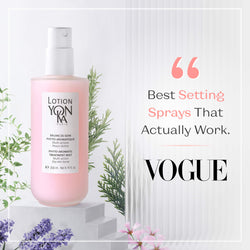
Toning is often overlooked, but for dry skin, it is a critical bridge between cleansing and treating. Many traditional toners contain alcohol, which is a major "don't" for dry skin. Instead, a botanical mist like Lotion Yon-Ka PS (specifically formulated for dry skin) uses solar-charged essential oils to soothe and prepare the skin.
Applying a mist while the skin is still slightly damp from cleansing creates a "humidity-rich" environment. This allows subsequent serums and creams to penetrate more deeply. Think of your skin like a dry sponge; a damp sponge absorbs liquid much more effectively than a bone-dry one.
Step 3: Layering Targeted Treatments
When the skin is "super dry," a single moisturizer is rarely enough. Layering a targeted serum or oil-in-serum provides the concentrated nutrients the skin needs to repair its appearance.
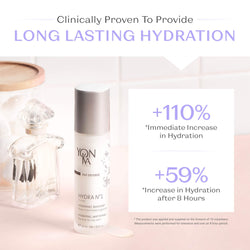
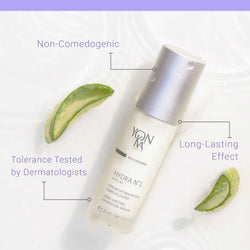
- For Dehydration: A serum rich in hyaluronic acid, such as Hydra N°1 Serum, is essential. Hyaluronic acid is a humectant—a substance that can hold up to 1,000 times its weight in water—pulling moisture into the skin cells.
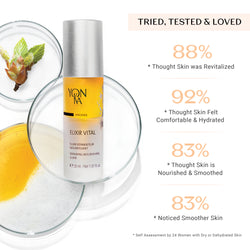
- For Lipid Depletion: If your skin feels rough and brittle, it needs healthy fats. Serum Omega or our Serums & Elixirs collection can help you build a more nourishing routine. These products utilize botanical oils to reinforce the skin’s natural barrier.
Step 4: Sealing in Moisture
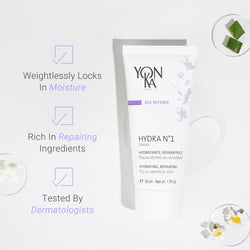
The final step in your daytime ritual should be a high-performance moisturizer that acts as a "seal." For intense dryness, Hydra N°1 Crème is designed to provide long-lasting comfort. It uses a combination of shea butter, hazelnut oil, and grape seed oil to prevent water from escaping throughout the day.
During the night, your skin enters a repair phase. This is the ideal time to use richer, more revitalizing formulas like Phyto 52 or other restorative night care that supports the skin’s natural renewal process while you sleep.
Key Takeaway: Treating super dry skin requires a "layering" technique. Start with a gentle milk cleanser, follow with a botanical mist on damp skin, apply a hydrating serum, and finish with a lipid-rich moisturizer to seal everything in.
Essential Ingredients for Dry Skin Restoration
When reading labels, look for ingredients that mimic the skin’s natural composition or provide intense, bio-available nourishment.
Humectants: The Water-Binders
These ingredients attract water from the atmosphere and the deeper layers of the dermis to the surface.
- Hyaluronic Acid: Provides immediate plumping and long-term hydration.
- Glycerin: A classic, reliable humectant that helps smooth the skin's appearance.
- Aloe Vera: Known for its soothing and hydrating properties, especially for irritated, dry patches.
Emollients: The Smoothers
Emollients fill the gaps between skin cells with lipids, making the skin feel soft and smooth.
- Shea Butter: Rich in fatty acids and vitamins, it provides an intensive barrier.
- Squalane: A plant-derived oil that mimics the skin’s natural sebum, making it highly compatible and non-greasy.
- Jojoba Oil: Technically a liquid wax, it is remarkably similar to human skin oils and helps balance the complexion.
Essential Oils: The Revitalizers
In our phyto-aromatic approach, essential oils provide more than just a sensorial experience.
- Lavender: Calms the look of redness often associated with extreme dryness.
- Rosemary: Provides a revitalizing effect to dull, sluggish skin.
- Geranium: Helps to balance and soothe the skin’s appearance.
Note: When introducing products with active essential oils, we always recommend a brief patch test on your inner forearm for 24 hours. Introduce one new product at a time to allow your skin to adjust to the potent botanical actives.
Practical Lifestyle Changes to Support Your Skin
Skincare products work best when supported by a lifestyle that prioritizes moisture. If you are struggling with super dry skin, consider these environmental and behavioral adjustments.
The Five-Minute Rule
Apply your skincare within five minutes of washing your face or stepping out of the shower. This is the "golden window" when your skin is still hydrated from the water, allowing your moisturizer to trap that moisture before it evaporates into the air.
Manage Your Environment
Central heating and air conditioning strip moisture from the air. Using a cool-mist humidifier in your bedroom at night can significantly reduce the amount of water your skin loses while you sleep. Aim for a humidity level of around 40-60%.
Temperature Control
It is tempting to use hot water, especially in cold weather, but it is one of the primary enemies of a healthy skin barrier. Wash your face with lukewarm water only. If you find it difficult to give up hot showers, keep your face out of the direct spray and save the facial cleansing step for the sink using cooler water.
Strategic Exfoliation
It is a myth that you should scrub away dry, flaky skin. Aggressive physical scrubs can create micro-tears in an already weakened barrier. Instead, use a gentle, grain-free exfoliator like Gommage Yon-Ka or explore our Face Exfoliators collection. This soft-peeling formula uses botanical extracts to gently lift away dead cells without friction, revealing a brighter appearance without irritation.
Weekly Intensive Treatments
Sometimes, daily moisturizing isn't enough to break the cycle of extreme dryness. Incorporating a weekly intensive treatment can provide a "recharge" for your skin.
The Sleeping Mask Technique
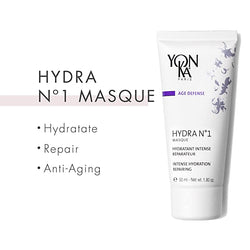
For a deeper infusion of moisture, use a product like Hydra N°1 Masque. While it can be used as a traditional 10-minute mask, those with super dry skin will benefit most from applying a thin layer and leaving it on overnight. This allows the active ingredients to work alongside the skin's nightly repair cycle.
If you want more guidance on choosing the right treatment, our What to Use for Dry Skin on Face guide breaks down the best options for dry, thirsty skin.
Gentle Overnight Peels
If your dryness is accompanied by significant dullness, a gentle glycolic acid treatment like Glyconight 10% Masque can help. By encouraging cell turnover overnight, it helps hydrated cells reach the surface more quickly. However, only use this once your barrier has stabilized, and always follow with sun protection the next day.
Common Myths About Dry Skin
There is a significant amount of misinformation regarding the best way to treat a parched complexion. Let's clarify some common misconceptions.
Myth: Drinking more water will cure dry skin. Fact: While systemic hydration is vital for overall health, there is little evidence that drinking extra water directly hydrates the outermost layer of the skin. Topical application of humectants and emollients is far more effective for addressing surface dryness.
Myth: Face oils are the only thing you need for dry skin. Fact: Oils provide essential lipids (emollients), but they do not provide water (hydration). For "super dry" skin, you need a combination of a water-based serum and an oil-based cream or booster to address both dehydration and dryness.
Myth: You don't need to moisturize oily skin. Fact: Even oily skin can become dehydrated and "tight." If you strip oily skin of moisture, it may overcompensate by producing even more oil. Every skin type needs a balanced approach to hydration.
When to Consult a Professional
While most cases of dry skin can be managed with a consistent, professional-grade routine, some situations require medical attention. If your skin is persistently red, weeping, extremely itchy, or if the dryness is accompanied by a rash that does not respond to over-the-counter care, it is time to consult a dermatologist. Conditions like eczema, psoriasis, or seborrheic dermatitis require a formal diagnosis and sometimes prescription-strength intervention.
For those looking for a "next-level" boost in hydration, we recommend visiting a certified professional. Our Hydralessence treatment is designed to provide deep, professional-level infusion of botanical actives.
Conclusion
Getting rid of super dry skin on the face is not about finding a single "miracle" product, but about embracing a ritual that respects and reinforces the skin's natural defenses. By understanding the difference between oil and water needs, avoiding harsh environmental triggers, and layering high-quality botanical formulas, you can restore your skin's natural glow and comfort.
At Yon-Ka Paris, we believe that skincare is a moment of wellness, a daily ritual that connects the power of nature with the rigor of science. Our 70-year heritage in phyto-aromatic care ensures that every drop of our Quintessence supports your skin's journey toward health and vitality.
If you are unsure which products are right for your specific needs, we invite you to take our Skin Diagnosis quiz or use the Product Matcher on our website.
Bottom line: Consistent layering of humectants and emollients, combined with gentle cleansing and environmental protection, is the most effective path to lasting skin comfort.
FAQ
Can I use hot water to wash my face if it's very dry?
No, hot water should be avoided as it strips the skin of its essential natural oils and lipids. This can weaken the skin barrier and lead to increased dryness and sensitivity. Instead, always use lukewarm water and gently pat your skin dry with a soft towel rather than rubbing it.
How often should I exfoliate if my skin is flaking?
When your skin is "super dry," you should limit exfoliation to once a week or once every two times a month, depending on your sensitivity. Avoid harsh physical scrubs with large grains, which can cause irritation. Instead, choose a gentle, grain-free formula like Gommage Yon-Ka to dissolve dead skin cells without friction.
Should I apply moisturizer to dry or damp skin?
You should always apply your moisturizer to slightly damp skin. This helps "trap" the moisture on the surface of your skin before it has a chance to evaporate. For the best results, apply your mist and then your serum and cream within a few minutes of cleansing your face.
Is face oil better than cream for extremely dry skin?
Neither is inherently "better"; rather, they serve different purposes. Face oils provide essential lipids to soften the skin, while creams often contain a mix of water and oil to provide both hydration and protection. For extremely dry skin, the best approach is often to mix a few drops of a nourishing oil booster into your favorite cream, or compare options in our Face Care collection.