Table of Contents
- Introduction
- Understanding the Difference Between Dry and Dehydrated Skin
- Common Culprits Behind Severe Facial Dryness
- The Yon-Ka Phyto-Aromatic Ritual for Severe Dryness
- The Science of the Quintessence
- Essential Ingredients to Look For
- Professional Solutions for Stubborn Dryness
- Lifestyle Habits to Support Hydrated Skin
- When to See a Dermatologist
- Conclusion
- FAQ
Introduction
Waking up to a face that feels tight, looks flaky, and lacks its natural luster can be more than just a cosmetic inconvenience; it is often a sign that your skin barrier is in distress. When your skin loses its ability to retain moisture and lipids, the resulting roughness and sensitivity can affect your comfort and confidence throughout the day. At Yon-Ka Paris, we believe that addressing severe dryness requires more than a quick fix—it demands a thoughtful, phyto-aromatic ritual that respects the skin’s delicate ecosystem while delivering intensive nourishment. This article explores the root causes of extreme facial dryness and outlines a professional-grade approach to restoring a supple, radiant complexion. By understanding the synergy between botanical actives and skin physiology, you can transition from persistent flakiness to a resilient, hydrated glow.
Quick Answer: To get rid of severe dry skin on the face, you must repair the skin’s moisture barrier using a combination of humectants (like hyaluronic acid) to draw in water and emollients (like botanical oils) to lock in lipids. A consistent ritual involving gentle, non-foaming cleansing, a soothing aromatic mist, and lipid-rich treatments will gradually restore smoothness and comfort.
Understanding the Difference Between Dry and Dehydrated Skin
Before embarking on a journey to heal your skin, it is crucial to distinguish between two often-confused conditions: dry skin and dehydrated skin. While they may feel similar, their causes and treatments are distinct.
Dry skin is a skin type characterized by a lack of oil (lipids). If you have a dry skin type, your sebaceous glands do not produce enough natural sebum to keep the skin lubricated. This often results in a permanent feeling of tightness, small pores, and a tendency toward premature fine lines. Severe dryness occurs when this lack of oil leads to a compromised barrier, causing the skin to become rough, scaly, or even cracked.
Dehydrated skin, on the other hand, is a temporary condition caused by a lack of water. Even oily skin types can become dehydrated. When skin is dehydrated, it may look dull, show "crinkle" lines when pinched, and feel tight despite having surface oil. Severe cases often involve both a lack of oil and a lack of water, meaning your ritual must address both deficiencies simultaneously.
Key Takeaway: Severe facial dryness is usually a "double threat" where the skin lacks both the natural oils needed to seal the barrier and the water content required for cellular health.
Common Culprits Behind Severe Facial Dryness
Identifying why your skin has become severely dry is the first step toward a solution. Often, it is a combination of internal and external factors that strip away the skin’s protective "acid mantle"—a thin, slightly acidic film on the skin’s surface that acts as a barrier to bacteria and moisture loss.
Environmental Stressors
The environment is perhaps the most aggressive thief of skin moisture. Cold, winter air holds very little humidity, which literally pulls water out of your skin through a process called trans-epidermal water loss (TEWL). Conversely, indoor heating systems create a parched atmosphere that further exacerbates the problem. In the summer, excessive UV exposure can damage the skin’s lipid barrier, leading to long-term dryness and thickening of the skin’s outer layer.
Harsh Cleansing Habits
Many people unknowingly contribute to their own skin dryness by using products that are too "efficient." Foaming cleansers often contain sodium lauryl sulfate (SLS), which can strip away the essential lipids your skin needs to stay soft. Similarly, washing your face with hot water may feel relaxing, but it dissolves the natural oils that keep your skin barrier intact. A gentler starting point is a milk cleanser like Lait Nettoyant.
The Impact of Aging
As we age, our skin naturally undergoes physiological changes. Around age 40, sebum production begins to drop significantly. The skin also becomes thinner and produces less hyaluronic acid, a natural sugar molecule that can hold up to 1,000 times its weight in water. This biological shift makes the skin more prone to severe dryness and requires a more lipid-rich approach to skincare. If you want to explore Yon-Ka’s hydration-focused lineup, start with our moisturizers.
Over-Exfoliation
When you see flakes, the instinct is often to scrub them away. However, aggressive mechanical scrubs or high-strength chemical peels can create micro-tears in an already weakened barrier. This leads to a cycle of irritation where the skin becomes even drier and more sensitive as it struggles to repair itself.
The Yon-Ka Phyto-Aromatic Ritual for Severe Dryness
At the heart of our philosophy is the belief that skincare is a ritual of wellness. We do not believe in "hacks" or overnight miracles; instead, we prioritize consistent, layered steps that use the power of plants to heal. For those struggling with severe dryness, we recommend a routine that focuses on restoration and protection. To personalize that ritual, you can also take our Skin Diagnosis quiz.
Step 1: Gentle, Barrier-Respecting Cleansing
When the skin is severely dry, the goal of cleansing is to remove impurities without disturbing the lipid balance. We recommend a milk-based cleanser like Lait Nettoyant. This velvety formula cleanses while maintaining the skin’s natural pH.
Pro-tip: Apply your cleansing milk with your fingertips using gentle, circular motions, then rinse with lukewarm—never hot—water. This prevents the thermal shock that can further dehydrate the cells.
Step 2: Prepare and Hydrate with a Phyto-Aromatic Mist
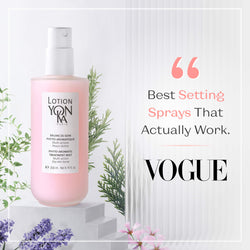
Traditional toners can be drying if they contain alcohol. Instead, use a botanical mist like Lotion Yon-Ka. This is not just "water"; it is an iconic healing mist infused with our signature Quintessence—a blend of lavender, geranium, rosemary, cypress, and thyme essential oils. To learn more about what shapes these formulas, visit our formulas.
This step is vital because damp skin is more permeable than dry skin. By misting before applying your serums and creams, you "prime" the skin, allowing the subsequent active ingredients to penetrate deeper and work more effectively.
Step 3: Targeted Treatment with Lipid-Restoring Serums
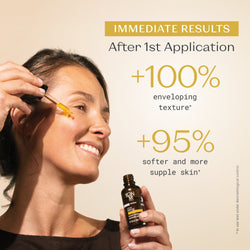
For severe dryness, a standard moisturizer is often not enough. You need a concentrated "booster" or serum to deliver essential fatty acids. Serum Omega is specifically designed for skin in distress. Rich in Omega 3, 6, and 9 from botanical oils like sea buckthorn and Inca inchi, it helps to rebuild the intercellular "cement" that holds skin cells together. You can find it in our serums.
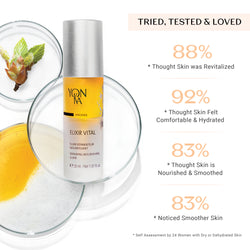
If your skin feels particularly dull or malnourished, you might also consider the Nutri+ Booster. This oil-based elixir can be mixed directly into your cream to provide an extra layer of antioxidant protection and nourishment. If you want to understand the philosophy behind these ingredients, explore our ingredients.
Step 4: Intensive Moisturizing
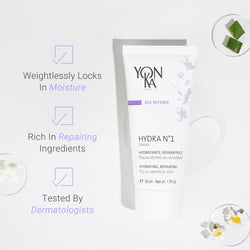
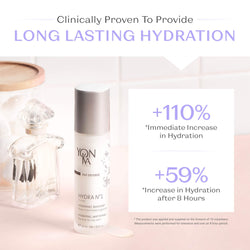
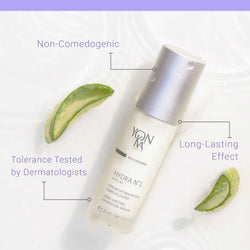
The final layer of your ritual should be a high-performance cream that provides long-lasting comfort. For severe dryness, we recommend the Hydra n°1 Crème. This formula features a high concentration of hyaluronic acid to drench the skin in moisture, paired with shea butter and hazelnut oil to prevent that moisture from evaporating.
Note: When introducing a new product with high concentrations of essential oils or botanical actives, we recommend a patch test. Apply a small amount to your inner forearm and wait 24 hours to ensure your skin welcomes the formula.
The Science of the Quintessence
Our approach is rooted in the synergy of four plant sciences: Aromatherapy, Phytotherapy, Aromachology, and Marine Biology. The cornerstone of nearly all our formulas is the Quintessence. This 100% natural and active complex does more than just provide a beautiful scent; it offers functional benefits for dry skin:
- Lavender: Known for its soothing and regenerating properties.
- Geranium: Helps to balance and revitalize the appearance of the skin.
- Rosemary: Provides detoxifying and firming benefits.
- Cypress: Supports circulation and helps tone the skin.
- Thyme: Offers purifying and antiseptic qualities.
For someone with severe dryness, this complex helps to calm the redness and irritation that often accompany a broken skin barrier, while the aromatic benefits support a sense of well-being. To see how Yon-Ka puts this philosophy into practice, read more about our brand story.
Essential Ingredients to Look For
When reading labels to combat severe dryness, certain ingredients stand out for their ability to repair and protect.
Humectants: The Water Magnets
Humectants are ingredients that attract water from the atmosphere or the deeper layers of the skin into the epidermis.
- Hyaluronic Acid: As mentioned, this is the gold standard for hydration.
- Glycerin: A simple but powerful ingredient that helps maintain the skin’s water balance.
- Aloe Vera: Provides an immediate cooling and hydrating effect.
Emollients: The Smoothers
Emollients fill the gaps between skin cells with lipids, making the skin feel soft and smooth.
- Shea Butter: A rich fat derived from the African shea tree, prized for its intensive nourishing properties.
- Squalane: A plant-derived oil (often from olives) that mimics the skin’s natural sebum.
- Jojoba Oil: Unique because its chemical structure is very similar to human skin oil, making it highly compatible and easily absorbed.
Occlusives: The Shield
Occlusives create a physical barrier on the skin's surface to prevent water loss. While some are synthetic (like petroleum jelly), we prefer botanical versions like beeswax or thick vegetable butters that allow the skin to "breathe" while providing a protective seal.
Myth: "Oils are all you need for dry skin." Fact: Oils provide lipids (fats), but they do not provide water. To truly heal severe dryness, you must use a combination of water-binding humectants and oil-rich emollients.
Professional Solutions for Stubborn Dryness
Sometimes, home care needs a professional "reset." Severe dryness can lead to a buildup of dead skin cells that prevents your products from soaking in. In a professional spa setting, an aesthetician can perform specialized treatments that go deeper than home products.
A treatment like the Hydralessence Facial is designed specifically to drench the skin in moisture using professional-strength concentrates and specialized massage techniques. This helps to soften the "stratum corneum" (the outermost layer of skin), allowing hydration to reach the thirsty cells beneath. We invite you to find a Yon-Ka spa near you to experience these results firsthand.
If you are curious about in-spa care, you can also explore Yon-Ka Treatments for a closer look at professional options.
Lifestyle Habits to Support Hydrated Skin
While your skincare ritual is the foundation, your daily habits can either support or undermine your efforts to get rid of severe dry skin.
Humidity Management
If you live in a dry climate or use central heating, invest in a cool-mist humidifier. Placing one in your bedroom can significantly reduce the amount of moisture your skin loses overnight, leaving you with a more comfortable complexion in the morning.
Temperature Control
We cannot emphasize this enough: avoid hot water. When washing your face or showering, use lukewarm water. If your skin turns red during a shower, the water is too hot. Additionally, when drying your face, gently pat the skin with a soft towel rather than rubbing it, which can cause friction and irritation.
Internal Hydration and Nutrition
While drinking water won't "cure" dry skin (which is a lipid issue), chronic dehydration can certainly make the skin look more sallow and less plump. Focus on a diet rich in healthy fats, such as walnuts, flaxseeds, and fatty fish. These provide the building blocks for your skin’s natural lipid barrier from the inside out.
Sun Protection Every Day
Sun damage is a major cause of barrier degradation. Even if your skin is dry and flaky, you must apply a broad-spectrum sunscreen daily. Look for "moisturizing" sunscreens that include ingredients like vitamin E or glycerin to ensure your skin stays protected and hydrated. Yon-Ka’s wider care philosophy is reflected throughout our values.
When to See a Dermatologist
While most cases of severe facial dryness can be managed with high-quality botanical skincare and lifestyle changes, some situations require medical attention. If you experience the following, please consult a dermatologist or physician:
- Persistent Redness and Swelling: This could indicate an underlying condition like rosacea or contact dermatitis.
- Extreme Itching: If the dryness is so itchy that it disrupts your sleep, it may be eczema (atopic dermatitis).
- Cracking or Bleeding: Skin that is so dry it breaks is vulnerable to infection and may need prescription-strength ointments.
- Scaly Patches: Thick, silvery scales can sometimes be a sign of psoriasis, which requires a specific medical treatment plan.
Skincare products are designed to support the appearance and health of the skin, but they do not replace medical diagnosis or treatment for chronic skin diseases.
Conclusion
Getting rid of severe dry skin on the face is a journey of restoration. By moving away from harsh, stripping habits and embracing a ritual centered on lipid-rich botanicals and deep hydration, you can repair your skin’s natural shield. At Yon-Ka, we believe in the power of professional-grade formulas like Serum Omega and Hydra n°1 Crème to transform the skin’s texture and comfort. Remember, the best results come from consistency and a deep respect for your skin’s unique needs. If you are unsure which products are right for your specific concerns, we encourage you to use our Skin Diagnosis tool or the Product Matcher on our website to find your perfect fit. For over 70 years, Yon-Ka Paris has remained dedicated to the belief that every person deserves a skincare ritual that is as effective as it is sensorial—a moment of French phyto-aromatic luxury that truly delivers.
"The secret to lasting skin health is not a single miracle ingredient, but a balanced ritual that honors the skin’s natural biology through the wisdom of nature."
FAQ
How long does it take for severe dry skin on the face to heal?
With a consistent ritual of gentle cleansing and intensive moisturizing, you may begin to feel more comfort within a few days. However, it typically takes a full skin cell turnover cycle—about 28 to 30 days—to see a significant improvement in the visible texture and resilience of the skin. Consistency is the most important factor in long-term repair.
Should I exfoliate my face if it is severely dry and flaky?
If your skin is severely dry and irritated, you should avoid mechanical scrubs or strong acid peels, which can worsen the damage. Instead, use a very gentle, grain-free exfoliator like Gommage Yon-Ka once or twice a week. This "peel-off" botanical cream removes dead skin cells without friction, allowing your hydrating serums and creams to penetrate better without causing further irritation.
Is it better to use an oil or a cream for extreme dryness?
For the best results, you should use both. An oil like Serum Omega provides the essential fatty acids needed to repair the skin barrier, while a cream like Hydra n°1 Creme provides the water-based hydration and occlusive protection to lock everything in. Layering an oil under your cream—or mixing a few drops of a booster into your moisturizer—is the most effective way to address severe dryness.
Can severe dry skin be caused by my makeup?
Yes, certain types of makeup, particularly matte foundations and powders, can absorb the skin's natural oils and make dryness more apparent. If you have severe dry skin, look for "dewy" or cream-based makeup formulas that contain hydrating ingredients like hyaluronic acid or vitamin E. Always ensure you are applying a rich moisturizer or a "blurring" fluid like Nude Perfect Fluide before your makeup to create a protective barrier.