Table of Contents
- Introduction
- Understanding the Root Causes of Dry Face Skin
- Dry Skin vs. Dehydrated Skin: What Is the Difference?
- The Yon-Ka Phyto-Aromatic Ritual for Dry Skin
- Essential Ingredients for Restoring Moisture
- How to Exfoliate Dry Skin Without Irritation
- Lifestyle Adjustments for Lasting Hydration
- Advanced Care: Masks and Professional Treatments
- Common Pitfalls to Avoid
- Summary of the Ideal Morning and Night Ritual
- Conclusion
- FAQ
Introduction
Few things are as frustrating as catching your reflection and seeing dull, flaky patches, or feeling that uncomfortable tightness that pulls across your cheeks every time you smile. Dry skin is more than a cosmetic inconvenience; it is a signal from your skin’s barrier that it is losing its vital defenses. At Yon-Ka Paris, we believe that addressing dryness requires more than a temporary fix—it requires a transition from "quick hacks" to a dedicated, sensorial ritual that respects the skin’s natural physiology.
In this article, we will explore the underlying causes of facial dryness, the critical difference between lacking oil and lacking water, and how to build a botanical-based routine that restores lasting suppleness. By understanding how to support your skin with professional-grade phyto-aromatic care, you can transform a parched complexion into one that looks luminous and feels deeply comforted.
Understanding the Root Causes of Dry Face Skin
Before you can effectively treat dry skin, you must understand why it happens. The skin’s outermost layer, the stratum corneum, acts as a protective shield. When this shield is compromised, moisture escapes through a process called transepidermal water loss (TEWL), and external irritants can more easily penetrate the skin.
The Impact of Environmental Factors
Environmental stressors are often the primary culprits. In the winter, cold outdoor air holds very little moisture, while indoor heating systems create a parched environment that leeches hydration from your face. Conversely, in the summer, excessive sun exposure can damage the moisture barrier and lead to a rough, leathery texture. Windburn is another factor, as it physically strips away the thin layer of protective oils on the skin's surface.
Biological Aging and Sebum Production
As we age, our skin naturally undergoes changes in its oil production. Sebum, the natural oil produced by our sebaceous glands, is essential for keeping the skin lubricated and sealed. Starting in our 40s, sebum production begins to decline significantly. This biological shift means that skin that was once "normal" or even "oily" can become chronically dry, requiring a more lipid-rich approach to skincare.
Harsh Cleansing Habits
Often, the products we use to "cleanse" are actually the ones causing the most damage. Many traditional foaming cleansers contain harsh sulfates that strip away the lipid mantle. Furthermore, washing the face with hot water can dissolve the skin’s natural protective fats, leaving the face feeling "squeaky clean"—a sensation that actually indicates the skin is dangerously dehydrated and vulnerable.
Dry Skin vs. Dehydrated Skin: What Is the Difference?
One of the most common mistakes in skincare is treating dry skin and dehydrated skin as the same issue. While they may feel similar, they require different solutions.
Quick Answer: Dry skin is a skin type that lacks oil (lipids), while dehydrated skin is a temporary condition that lacks water. To treat dryness, you need nourishing oils; to treat dehydration, you need moisture-binding humectants.
Dry Skin (Lack of Oil)
If your skin is naturally dry, it lacks the lipids necessary to retain moisture. This skin type often has very small pores, a matte appearance, and a tendency toward flakiness or redness. It requires "nutrition" in the form of fatty acids and plant-based oils to rebuild the barrier.
Dehydrated Skin (Lack of Water)
Dehydration can happen to any skin type, including oily skin. It occurs when there isn't enough water in the upper layers of the skin. This often manifests as fine lines (dehydration lines), a "crinkled" appearance when the skin is gently pinched, and a dull, lackluster tone. Dehydrated skin needs "hydration" through ingredients like hyaluronic acid and aloe vera.
Key Takeaway: Most people experiencing a parched complexion are suffering from a combination of both dryness and dehydration. An effective ritual must address both the lack of oil and the lack of water to restore a healthy appearance.
The Yon-Ka Phyto-Aromatic Ritual for Dry Skin
Getting rid of dry skin is not about finding a single "miracle" cream; it is about a consistent, layered approach. Our professional heritage has shown us that the skin responds best to a sequence of products that work in harmony.
Step 1: Gentle, Barrier-Respecting Cleansing
The first rule of treating dry skin is to stop stripping it. Instead of foaming gels, opt for a creamy milk cleanser. Our Lait Nettoyant is a professional-grade cleansing milk that removes makeup and impurities while maintaining the skin’s hydro-lipid film. It contains plant-based cleansing agents that leave the skin feeling soft and refreshed rather than tight.
Step 2: Preparing with a Phyto-Aromatic Mist
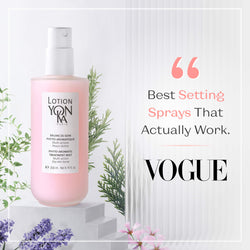
After cleansing, never leave your skin bare and dry. Applying a mist immediately helps to "dampen" the skin, which significantly improves the absorption of serums and creams. Lotion Yon-Ka PS is much more than a toner. It is a healing mist infused with our signature Quintessence—a blend of lavender, geranium, rosemary, cypress, and thyme essential oils. This step provides an immediate boost of hydration and rebalances the skin.
Step 3: Targeted Treatment with Boosters and Serums
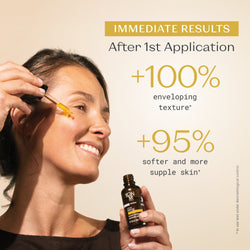
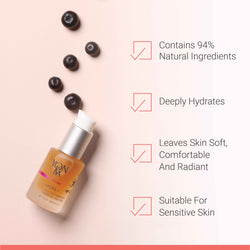
When the skin is severely dry, it needs a concentrated dose of nutrients. For those lacking oil, adding a lipid-replenishing booster like Nutri+ Booster can be transformative. This oil-based elixir is rich in wheat germ oil and vitamins E and F, designed to nourish and revitalize the appearance of the skin.
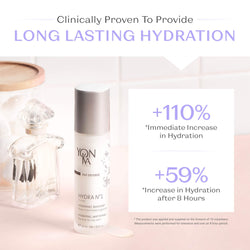
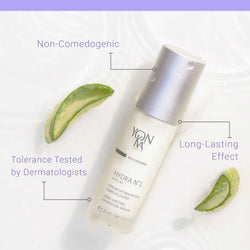
If dehydration is the primary concern, Hydra N°1 Serum provides long-lasting hydration. It uses two types of hyaluronic acid—a high molecular weight version to smooth the surface and a low molecular weight version to provide deeper moisture.
Step 4: Moisturizing and Sealing
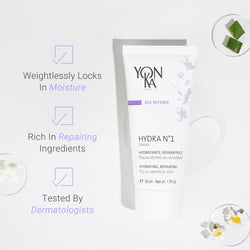
The final step is to apply a cream that locks everything in. For intense dryness, Hydra N°1 Crème provides a comforting "cocoon" effect. It utilizes repairing ingredients like shea butter and grape seed oil to strengthen the barrier while essential vitamins help protect against environmental aggression.
Note: When introducing any new botanical product, we recommend a simple patch test. Apply a small amount to your inner forearm and wait 24 hours to ensure your skin welcomes the active essential oils.
Essential Ingredients for Restoring Moisture
When reading skincare labels to address dryness, look for these key categories of ingredients. Each serves a specific purpose in the health of your skin barrier. You can also explore our ingredients to better understand the botanicals used in Yon-Ka formulas.
Humectants: The Water-Binders
Humectants are ingredients that attract water from the atmosphere and the deeper layers of the skin into the epidermis.
- Hyaluronic Acid: A gold standard ingredient that can hold up to 1,000 times its weight in water.
- Glycerin: A classic, effective humectant that helps smooth the skin’s appearance.
- Aloe Vera: Provides soothing hydration, perfect for dry skin that is also sensitive.
Emollients: The Smoothers
Emollients fill in the microscopic gaps between skin cells, creating a smooth surface and soft texture.
- Squalane: A plant-derived oil that mimics the skin's natural sebum, making it highly compatible and non-greasy.
- Shea Butter: A rich, nourishing butter that is excellent for very dry or mature skin.
- Jojoba Oil: Known for its ability to balance the skin and provide deep nutrition.
Occlusives: The Sealants
Occlusives create a physical barrier on top of the skin to prevent water from evaporating. While some synthetic occlusives like petroleum jelly are popular, at Yon-Ka, we prefer botanical waxes and high-quality plant oils that allow the skin to "breathe" while still providing protection. Serum Omega is an excellent example, using omega-3, 6, and 9 fatty acids to repair and seal the skin surface.
How to Exfoliate Dry Skin Without Irritation
A common mistake people make when they see flaking is to reach for a harsh scrub. This often backfires, creating micro-tears in an already fragile barrier and leading to further redness and dryness. However, you do need to remove dead skin cells to allow your moisturizers to penetrate effectively.
The solution is "grain-free" exfoliation. Gommage Yon-Ka is a botanical peel that uses no abrasive beads. Instead, it is a four-in-one gel that you apply in a thin layer and then "roll" off with your fingertips. This gentle mechanical action removes dead cells and brightens the appearance of the skin without any irritation. It is so gentle it can even be used on the delicate eyelid area.
Myth: "Exfoliating dry skin will only make it more dry." Fact: Gentle exfoliation is essential for dry skin. By removing the "barrier" of dead skin cells, your hydrating serums and creams can actually reach the living layers of the skin where they are needed most.
Lifestyle Adjustments for Lasting Hydration
Skincare products are only one part of the equation. To truly get rid of dry face skin, you must look at your daily habits.
Master the Water Temperature
It may feel relaxing, but hot water is a thief of moisture. When washing your face, always use lukewarm or even cool water. This preserves the natural oils that keep your skin supple. After washing, pat your skin dry with a soft towel—never rub.
Use a Humidifier
If you live in a dry climate or spend a lot of time in air-conditioned or heated rooms, the air around you is constantly pulling moisture from your skin. Placing a humidifier in your bedroom can significantly improve your skin's moisture levels overnight. Aim for a humidity level of around 50-60%.
Hydrate from Within
While drinking water won't "cure" a dry skin type, chronic dehydration of the body will eventually show on your face. Ensure you are consuming adequate fluids and eating foods rich in healthy fats, such as avocados, walnuts, and flaxseeds, which provide the building blocks for your skin’s lipid barrier.
Advanced Care: Masks and Professional Treatments
For those days when your skin feels particularly parched, a daily moisturizer might not be enough. This is when "slugging" or intensive masking comes into play. Explore our masks collection for more targeted support.
The Power of Overnight Masks
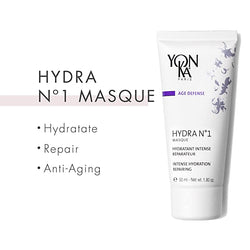
Hydra N°1 Masque is a deep-repair treatment designed for skin that is stressed or extremely dehydrated. You can apply a thick layer for 10-15 minutes and then tissue off the excess, or for an intensive treatment, apply a thin layer before bed and leave it on overnight. This allows the active botanicals to work with your skin’s natural nighttime repair cycle.
Seeking Professional Expertise
Sometimes, the skin barrier is so compromised that home care needs a professional boost. We suggest visiting a local spa to experience a professional treatment tailored to your specific needs. A trained esthetician can use specialized techniques and high-concentration professional formulas to "reset" your hydration levels. You can also learn more about Yon-Ka treatments as part of a more personalized routine.
If you are unsure which products are right for your specific level of dryness, our Skin Diagnosis quiz or Product Matcher can help you narrow down the perfect botanical ritual for your unique complexion.
Common Pitfalls to Avoid
When you are desperate to soothe dry skin, it is easy to fall for common skincare traps.
- Over-reliance on "miracle" oils: Oils are great for dry skin, but they do not contain water. If your skin is dehydrated, applying oil alone will just seal in the "dryness." You must use a humectant (like a mist or serum) first.
- Using products with drying alcohols: Look out for "Alcohol Denat" or "Isopropyl Alcohol" in your toners and treatments. These can flash-dry the skin and cause long-term barrier damage.
- Ignoring sun protection: Sun damage is a major cause of a weakened skin barrier. Even if your skin is dry, you need a daily SPF. Look for cream-based sunscreens that provide a moisturizing base.
Summary of the Ideal Morning and Night Ritual
Morning Ritual:
- Cleanse with a milky cleanser (Lait Nettoyant).
- Mist with a phyto-aromatic toner (Lotion Yon-Ka PS).
- Apply a hydrating serum (Hydra N°1 Serum).
- Lock in moisture with a day cream (Hydra N°1 Crème) and follow with SPF.
Evening Ritual:
- Double cleanse to remove makeup and pollutants.
- Mist generously.
- Apply a lipid-rich booster (Nutri+ Booster) or a repairing oil (Serum Omega).
- Finish with a nourishing night cream or an overnight mask twice a week.
Conclusion
Getting rid of dry skin on your face is a journey of consistency and respect for your skin's biology. By moving away from harsh chemicals and embracing a phyto-aromatic ritual, you are not just masking the dryness—you are empowering your skin to retain its own moisture and vitality.
- Prioritize gentle, milk-based cleansing.
- Layer hydration using mists, serums, and creams.
- Avoid hot water and harsh mechanical scrubs.
- Support your barrier with botanical oils and high-quality humectants.
At Yon-Ka Paris, our mission for over 70 years has been to harmonize the power of nature with scientific efficacy. We believe that your skincare routine should be a moment of wellness, a ritual that provides both visible results and a deep sense of botanical serenity. Explore our specialized dry and dehydrated skin offerings to begin your transformation.
FAQ
Why is my face so dry even when I moisturize?
If you are moisturizing but still feel dry, you may be using a cream that is too light or lacks the specific lipids your barrier needs. Additionally, if you aren't exfoliating gently, your moisturizer may just be sitting on top of a layer of dead skin cells. Ensure you are also applying your moisturizer to damp skin to help "trap" that hydration.
Can I get rid of dry skin overnight?
While you can significantly improve the appearance and comfort of dry skin overnight with an intensive treatment like Hydra N°1 Masque, truly "getting rid" of a dry skin type requires consistent care. It takes time for the skin barrier to repair itself and for the cells to reach a healthy state of balance.
Is facial oil or cream better for dry skin?
Ideally, you should use both. A cream provides both water and oil, while a facial oil (like our Nutri+ Booster) provides a concentrated dose of lipids. For the best results, mix a few drops of oil into your cream or apply the oil over your serum but under your moisturizer to give your skin a comprehensive "nutritional" boost.
When should I see a dermatologist about my dry skin?
If your skin is persistently red, cracking, bleeding, or if you notice "wet" or crusty patches, you should consult a physician or dermatologist. These can be signs of underlying conditions like eczema, seborrheic dermatitis, or a skin infection that requires medical-grade treatment rather than cosmetic skincare.