Table of Contents
- Introduction
- Understanding Dry Textured Skin
- The Leading Causes of Uneven Facial Texture
- The Yon-Ka Phyto-Aromatic Approach to Smoothing
- A Step-by-Step Ritual to Refine and Smooth
- Key Ingredients to Look For
- Advanced Tips for Lasting Smoothness
- Addressing Texture in Specific Areas
- Why Sun Protection is Non-Negotiable
- Conclusion
- FAQ
Introduction
There is a distinct, tactile satisfaction in a skincare ritual that leaves your complexion feeling as smooth as silk. However, many of us have experienced that frustrating moment when, despite our best efforts, the skin feels more like fine-grit sandpaper—patchy, uneven, and stubbornly rough. Dry, textured skin on the face is a common concern that can dull your natural radiance and make makeup application a challenge, but it is a concern that can be beautifully managed with the right botanical approach.
At Yon-Ka Paris, we believe that skin texture is a reflection of the skin’s internal harmony and its relationship with the environment, shaped by our 70-year phyto-aromatic skincare heritage. Whether your roughness is caused by a build-up of dead cells, a lack of essential lipids, or environmental stressors, the solution lies in a balanced ritual that nourishes while it refines. This guide will explore the biological causes of uneven texture, the specific botanical ingredients that resurface the skin without irritation, and the professional-grade steps you can take at home to restore a supple, glowing appearance.
Quick Answer: To get rid of dry textured skin, you must combine non-abrasive exfoliation to remove dead cell buildup with deep hydration to repair the moisture barrier. Using a grain-free peel like Gommage Yon-Ka followed by a hyaluronic acid-rich moisturizer such as Hydra n°1 Crème helps smooth the skin surface while plumping it from within.
Understanding Dry Textured Skin
Before we can address how to get rid of dry textured skin on the face, we must first understand what "texture" actually represents in dermatological terms. Healthy skin naturally undergoes a process called desquamation, where old cells shed to make way for new, fresh ones. When this process slows down or is interrupted, those dead cells cling to the surface, creating an uneven "landscape" that we perceive as roughness.
How to Identify It Dry textured skin often presents as a combination of several visible and tactile signs. You may notice rough patches on the cheeks or forehead that feel scratchy or uneven to the touch. Fine flaking or visible scales of skin may become more apparent when applying foundation, which often "clings" to these dry areas. Additionally, the skin may appear dull because an uneven surface scatters light rather than bouncing it back, and pores may seem more prominent because the skin lacks the hydration needed to remain "plump."
Texture vs. Congestion It is important to distinguish between dry texture and "congested" texture. While acne involve inflammation and sebum blockages, dry texture is primarily a barrier and hydration issue. If your skin feels rough but isn’t necessarily breaking out in red, painful spots, you are likely dealing with a combination of dehydration and an accumulation of surface debris. Skin texture is rarely a permanent condition; it is usually a temporary state caused by a compromised skin barrier or a sluggish cellular renewal cycle.
The Leading Causes of Uneven Facial Texture
To effectively smooth the skin, we must look at why these rough patches formed in the first place. Several internal and external factors contribute to the "bumpy" feel we often associate with dryness.
1. Dehydration and Lipid Depletion
There is a difference between "dry" skin (which lacks oil) and "dehydrated" skin (which lacks water). However, both contribute to texture. When the skin’s acid mantle—the protective film on the surface—is weakened, moisture escapes through a process called Transepidermal Water Loss (TEWL). Without enough water or oil, skin cells become "brittle" and do not shed properly, leading to a build-up of rough material.
2. Slowed Cellular Turnover
As we age, our skin’s natural renewal process slows down. In our 20s, cells might renew every 28 days; by our 40s and 50s, this can take 45 days or longer. This lag time allows dead cells to accumulate on the surface, creating a leathery or dull texture that hides the fresh skin beneath. This is often why "mature" skin begins to look more textured even if breakouts are a thing of the past.
3. Environmental Aggressors
Our skin faces a variety of challenges, from harsh winds and central heating to urban pollution. Pollution particles can settle into the skin, causing oxidative stress that breaks down collagen and elastin. This "micro-damage" disrupts the skin's surface, making it feel less firm and more uneven.
4. UV Damage
Sun exposure is a major contributor to "leathery" skin texture. UV rays damage the DNA of skin cells and degrade the proteins that keep skin smooth. Over time, this results in solar keratosis (rough, scaly patches) and a general loss of the "plump" quality associated with healthy skin. Consistent protection is the only way to prevent this specific type of texture from worsening.
Key Takeaway: Rough skin texture is primarily caused by an accumulation of dead skin cells that fail to shed properly due to age, dehydration, or environmental damage.
The Yon-Ka Phyto-Aromatic Approach to Smoothing
At the heart of our philosophy is the belief that skincare should be a sensorial experience that delivers visible results. To treat dry, textured skin, we don't rely on harsh physical scrubs that can cause micro-tears in the skin barrier. Instead, we utilize the synergy of aromatherapy and phytotherapy.
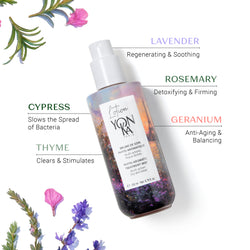
Our signature Quintessence—a unique blend of Lavender, Geranium, Rosemary, Cypress, and Thyme essential oils—is the foundation of our formulas. For textured skin, these oils provide more than just a beautiful scent; they offer purifying, soothing, and revitalizing properties that help to balance the skin's ecosystem. When the skin is balanced and calm, it is much more efficient at renewing its own surface.
Note: Because our formulas contain active essential oils, we always recommend a simple patch test for those with particularly reactive skin. Apply a small amount of product to your inner forearm and wait 24 hours. A slight, transient tingling can be a sign of the botanicals at work, but persistent redness means you should reduce frequency or consult a professional.
A Step-by-Step Ritual to Refine and Smooth
To truly get rid of dry textured skin, you need a consistent ritual that respects the skin barrier while gently encouraging renewal. Here is how to structure your daily and weekly routine.
Step 1: Gentle, Barrier-Respecting Cleansing
The biggest mistake people with textured skin make is "scrubbing" the face with harsh, foaming cleansers. This further damages the barrier and increases roughness. Instead, use a creamy, nourishing cleanser like Lait Nettoyant. This milk cleanser removes impurities and makeup while maintaining the skin’s natural oils. Use your fingertips in gentle, circular motions—this mechanical action is often enough to begin the smoothing process without irritation.
Step 2: The Essential Mist
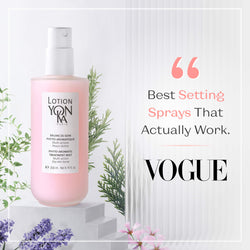
After cleansing, saturate your skin with Lotion Yon-Ka. This is not a traditional "toner" that strips the skin; it is a phyto-aromatic healing water. It hydrates the skin and ensures that the serums and creams you apply next are absorbed deeply. Damp skin is more permeable than dry skin, making this step crucial for smoothing texture.
Step 3: Targeted Exfoliation (The Game Changer)
This is the most critical step for addressing texture. For dry skin, we recommend avoiding "grainy" scrubs that can scratch the skin surface. Instead, use Gommage Yon-Ka. This is a botanical "peel" that contains no abrasive particles. You apply a thick layer, let it sit for a few minutes, and then gently "buff" it away with your fingertips. It lifts dead skin cells like a magnet, leaving the surface incredibly soft and polished.
Step 4: Intensive Hydration and Repair
To smooth texture, you must "re-plump" the skin cells from within.
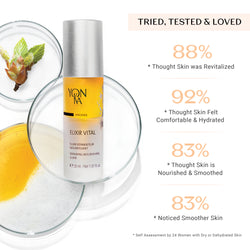
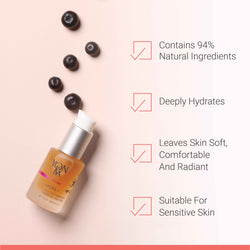
- The Serum: Introduce a serum that provides deep moisture. For those with extremely dry, depleted skin, Serum Omega is an oil-in-serum designed to restore the vital lipids that keep the skin surface smooth.
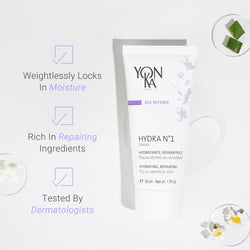
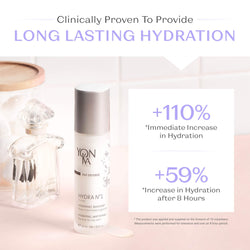
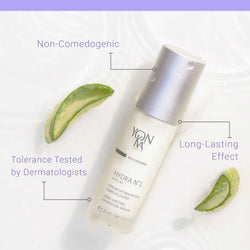
- The Moisturizer: Follow with a rich cream like Hydra n°1 Crème. It contains hyaluronic acid to hold moisture and shea butter to smooth the surface texture.
Step 5: Overnight Renewal
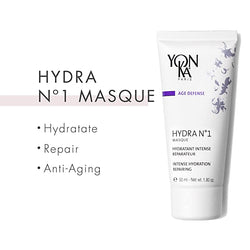
While you sleep, your skin goes into "repair mode." This is the best time to use active ingredients. Hydrating No. 1 Masque is a nighttime hydrating mask that helps refine the feel of skin while supporting comfort overnight. Because it is formulated with our soothing botanicals, it provides the "glow" of a treatment mask without the typical redness.
Myth: "I need to scrub my face hard to get rid of the rough patches." Fact: Over-scrubbing creates micro-tears and causes the skin to thicken in self-defense, actually making texture worse. Gentle, chemical or enzymatic exfoliation is far more effective.
Key Ingredients to Look For
When reading ingredient labels to address how to get rid of dry textured skin on the face, look for these "texture-smoothing" heroes that we prioritize in our formulations.
Alpha Hydroxy Acids (AHAs)
AHAs like Glycolic Acid and Lactic Acid are water-soluble acids that dissolve the "glue" holding dead skin cells together. By removing this top layer, they reveal the smoother, more radiant skin underneath. Lactic acid is particularly good for dry skin because it is also a humectant, meaning it helps the skin hold onto water. You can find these benefits in our Hydrating No. 1 Masque.
Hyaluronic Acid
This molecule is a "moisture magnet," capable of holding 1,000 times its weight in water. When skin is dehydrated, it looks "deflated" and rough. Hyaluronic acid, featured in our face moisturizers, plumps the skin from the inside out, which physically pushes out the look of fine lines and texture bumps.
Vitamin C
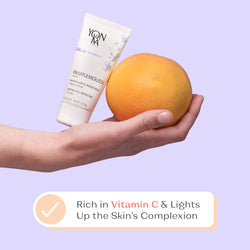
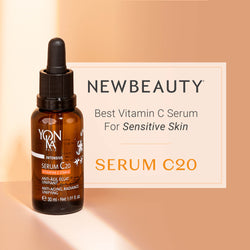
Vitamin C is a powerful antioxidant that supports collagen production. Texture is often caused by a loss of firmness; when the skin's structural support weakens, the surface becomes uneven. Our Serum C20 uses a stable form of Vitamin C to brighten the appearance of the skin and smooth the look of its surface.
Essential Fatty Acids (Omegas)
Skin that lacks oil (dry skin) often feels "leathery." Omegas 3, 6, and 9 are essential for repairing the lipid barrier. When the barrier is intact, the skin looks smooth and reflects light beautifully. Our Serum Omega is specifically formulated to deliver these lipids to compromised skin.
Advanced Tips for Lasting Smoothness
Beyond your daily products, how you apply them and how you live your life can impact your skin's texture.
The "Damp Skin" Rule Never apply moisturizer to bone-dry skin. When you apply your cream or serum to skin that is still damp from Lotion Yon-Ka, you trap that extra moisture in the upper layers of the epidermis. This immediately softens the appearance of dry texture.
Temperature Matters Hot water is one of the primary enemies of smooth skin. It strips away the natural oils that keep your skin supple. When cleansing, always use lukewarm water. This preserves the hydrolipidic film and prevents the "tight" feeling that leads to flakiness.
Consistency Trumps Intensity It is better to use a gentle exfoliator twice a week than a strong chemical peel once a month. Skincare is a marathon, not a sprint. By consistently supporting your skin’s natural renewal process, you prevent the build-up of dead cells before they can create a rough texture.
The Professional Touch Sometimes, home care needs a boost from a professional. Our heritage is rooted in the treatment room, and a professional facial can provide a level of deep exfoliation and hydration that is difficult to achieve alone. An esthetician can analyze your skin and use professional-grade versions of products like Gommage Yon-Ka to reset your texture. You can find a certified partner near you using our Spa Locator.
Bottom line: A combination of non-abrasive exfoliation, high-performance humectants like hyaluronic acid, and barrier-repairing lipids is the most effective way to transform rough, dry skin into a smooth, radiant complexion.
Addressing Texture in Specific Areas
Dry textured skin doesn't always affect the entire face equally. Different zones often require slightly different approaches.
The Forehead and "Orange Peel" Texture
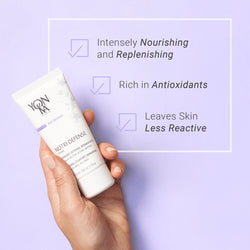
The forehead is often where we first notice an "orange peel" texture—enlarged pores and a slightly thickened look to the skin. This is frequently a result of sun damage combined with dehydration. Using Vital Defense during the day provides the antioxidant protection needed to prevent this environmental aging, while its hydrating properties help smooth the surface.
Roughness Around the Nose and Chin
These areas are prone to a "bumpy" texture that isn't quite acne but feels like small, hard seeds under the skin. This is often "milia" or simple congestion. Gentle, regular use of Gommage Yon-Ka is perfect for these delicate areas, as it lifts the debris without the irritation that could lead to more redness.
The Eye Contour
The skin around the eyes is significantly thinner and lacks oil glands, making it the first place to show "crepey" texture. A targeted treatment like Phyto-Contour uses rosemary to depuff and smooth the appearance of this delicate skin, helping to eliminate that dry, crinkled look.
Why Sun Protection is Non-Negotiable
If you are working to get rid of textured skin, you must protect the "new" skin you are revealing. Exfoliants like glycolic acid can make your skin more sensitive to the sun. Furthermore, UV rays are the primary cause of the collagen breakdown that leads to permanent texture changes.
Applying a broad-spectrum SPF every morning is the most important "anti-texture" step you can take. It prevents the scaly, rough patches associated with sun damage and ensures that your smoothing treatments can actually do their job. Think of sunscreen as the final protective "seal" on your skincare ritual.
Conclusion
Getting rid of dry textured skin on the face is a journey that requires patience, the right botanical tools, and a commitment to the ritual. By moving away from harsh, abrasive methods and embracing the phyto-aromatic power of plants, you can support your skin's natural ability to renew and heal.
- Prioritize gentle, milk-based cleansing to protect your barrier.
- Incorporate grain-free exfoliation to polish the skin surface safely.
- Layer hydration with mists, serums, and rich creams.
- Protect your results with daily sun care.
At Yon-Ka Paris, we believe that every person deserves a complexion that feels comfortable and looks radiant. Our 70 years of expertise in French laboratories have taught us that the most effective solutions are those that work in harmony with the skin, not against it. If you are unsure which specific products are right for your unique texture concerns, we invite you to take our Skin Diagnosis quiz or use our Product Matcher tool on our website.
"Skincare is not just a routine; it is a ritual of self-care that connects us to the power of nature and the wisdom of our own bodies."
Take the first step toward a smoother complexion today by exploring our face moisturizers or our face mists, and discover the transformative power of a truly botanical ritual.
FAQ
How long does it take to see results when treating textured skin?
While you may notice an immediate softness after using a product like Gommage Yon-Ka, significant changes in skin texture usually take 28 to 45 days. This timeline aligns with your skin's natural cellular turnover cycle, as it takes time for new, smoother cells to reach the surface. Consistency in your morning and evening ritual is the key to seeing lasting improvement.
Can I use a chemical exfoliator if I have very dry skin?
Yes, and in many cases, it is preferred over physical scrubs. AHAs like Lactic Acid are excellent for dry skin because they exfoliate while also acting as humectants to draw in moisture. However, it is important to start slowly—perhaps once or twice a week—and always follow with a nourishing moisturizer like Hydra n°1 Crème to support the skin barrier.
Why does my skin look more textured after I apply makeup?
Makeup, especially matte foundations and powders, tends to settle into dry patches and "magnify" uneven texture. This is a sign that the skin underneath is dehydrated or has a build-up of dead cells. To fix this, focus on a hydrating prep routine using Lotion Yon-Ka and a primer-like fluid such as Nude Perfect Fluide to blur imperfections and smooth the surface before applying color.
Is it possible to completely get rid of pores?
It is a common myth that pores can be "erased" or "closed." Pores are a necessary part of your skin’s anatomy, allowing oil and sweat to reach the surface. However, you can significantly reduce their appearance by keeping them clear of debris with regular exfoliation and by keeping the surrounding skin hydrated and firm, which prevents pores from looking "stretched" or deep.