Table of Contents
- Introduction
- The Science of Sun-Induced Dryness
- The Essential Rule: Resist the Urge to Peel
- Cooling and Calming the Initial Heat
- Rebuilding the Moisture Barrier with Intention
- A Gentle Ritual for Sun-Damaged Faces
- Ingredients to Look For and Those to Avoid
- The Importance of Internal Hydration
- When to Seek Professional Advice
- Preventing the Cycle: Protection as a Ritual
- Summary of the Healing Timeline
- Maintaining the Glow Post-Healing
- Conclusion
- FAQ
Introduction
Finding your skin tight, parched, and beginning to flake after a long afternoon outdoors is a common yet uncomfortable experience. While a sun-kissed look is often sought after, the reality of dry, sunburned skin on the face is often a state of inflammation and barrier disruption. At Yon-Ka Paris, we believe that restoring sun-damaged skin requires a delicate, ritualistic approach that prioritizes hydration and biological repair over quick fixes. Managing this condition involves more than just a single application of lotion; it requires a deep understanding of how to soothe heat and replenish the skin's essential moisture. This article covers the science behind why your skin dries out after sun exposure and the best botanical steps to restore a calm, radiant complexion. We will focus on how to support your skin’s natural healing process while avoiding common mistakes that can lead to further irritation.
The Science of Sun-Induced Dryness
When the face is exposed to excessive ultraviolet (UV) radiation, the skin undergoes a series of protective and reactive changes. A sunburn is effectively a radiation burn that triggers an inflammatory response in the epidermal layers. This inflammation causes blood vessels to dilate—creating that characteristic redness—and leads to a significant loss of transepidermal water.
Water evaporates from the skin at a much higher rate when the moisture barrier is compromised by UV rays. This leads to the characteristic "tight" feeling and the visible dryness that often precedes peeling. On a cellular level, your body is also working to identify and eliminate cells that have sustained DNA damage from the sun. This programmed cell death, or apoptosis, is what eventually leads to the flaking and peeling of the skin as it attempts to renew itself.
Because the skin on the face is thinner and more delicate than the skin on the rest of the body, the dryness can feel more acute. The face is also constantly exposed to the elements, meaning it needs specialized care to recover its suppleness and strength. Recognizing that this dryness is a signal of a damaged barrier is the first step in treating it correctly.
The Essential Rule: Resist the Urge to Peel
One of the most important things to remember when learning how to get rid of dry sunburned skin on face is to let the process happen naturally. As the skin becomes extremely dry, it may begin to lift in small flakes or larger patches. The temptation to "help" it along by peeling or scrubbing can be overwhelming, but this is a critical mistake.
Key Takeaway: Peeling skin serves as a temporary biological bandage. It protects the new, vulnerable skin forming underneath that is not yet ready to be exposed to the air or environment.
When you manually remove peeling skin, you expose raw, underdeveloped tissue. This can lead to increased pain, prolonged redness, and even a higher risk of infection or permanent hyperpigmentation (dark spots). The goal should be to keep the dead skin as soft and hydrated as possible until it sloughs off naturally during your regular, gentle cleansing routine.
Cooling and Calming the Initial Heat
Before you can address the long-term dryness, you must address the immediate heat trapped in the tissue. Think of this as "putting out the fire" before you start rebuilding the house. Applying heat-trapping substances too early can actually worsen the damage.
Cool Compresses and Water Temperature
The first step is to lower the temperature of the skin. Using a clean, soft cloth soaked in cool (not icy) water can provide immediate relief. Apply the compress to the face for 10 to 15 minutes several times a day. Avoid using ice cubes directly on the skin, as the extreme cold can cause further shock to the already damaged cells. When showering, keep the water temperature lukewarm or cool. Hot water further strips the skin of its natural oils, which are already in short supply.
Phyto-Aromatic Mists
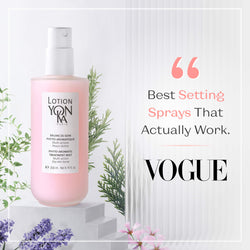
Using a botanical mist is an excellent way to introduce hydration and calming agents without having to touch or rub the face. A product like Lotion Yon-Ka, which contains our signature Quintessence, is ideal for this stage. The lavender and geranium essential oils within the mist work to soothe the appearance of redness and provide a sensorial sense of relief.
Quick Answer: To get rid of dry, sunburned skin on your face, focus on intense hydration and barrier repair. Use gentle, non-foaming cleansers, apply cooling mists, and seal in moisture with lipid-rich creams containing hyaluronic acid or ceramides, while strictly avoiding any manual peeling or exfoliation.
Rebuilding the Moisture Barrier with Intention
Once the initial heat has dissipated, the focus shifts entirely to lipid restoration and deep hydration. Dryness after a sunburn is a sign that the skin's lipid barrier—the "mortar" between your skin cell "bricks"—has been compromised.
The Role of Hyaluronic Acid
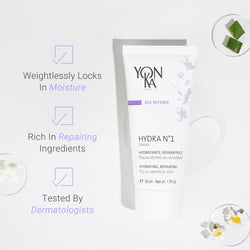
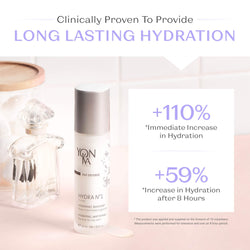
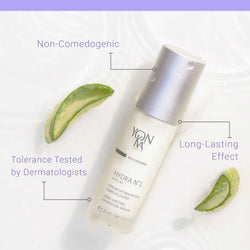
Hyaluronic acid is a humectant, a substance that can hold up to 1,000 times its weight in water. For sun-dried skin, it is a vital ingredient. It helps to pull moisture into the deeper layers of the epidermis, plumping the skin and reducing the appearance of fine lines caused by dehydration. Our Hydra n°1 range is specifically formulated to address this need, utilizing different molecular weights of hyaluronic acid to ensure the skin is hydrated at every level.
Lipid-Restoring Oils
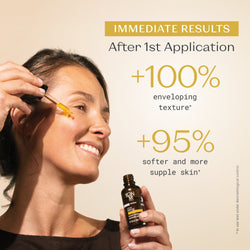
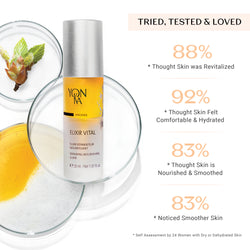
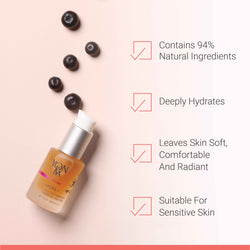
Hydration alone is not enough if the moisture evaporates immediately. To prevent this, you must "seal" the skin with healthy fats. Ingredients like jojoba oil, sacha inchi oil, or shea butter mimic the skin's natural sebum. A product like Serum Omega can be particularly beneficial during the recovery phase. This oil-in-serum helps to restore the skin's flexibility and comfort, preventing that brittle, "parchment-paper" texture that often follows a burn.
A Gentle Ritual for Sun-Damaged Faces
When your skin is in a fragile state, the way you apply products is just as important as the products themselves. You should move away from any aggressive techniques and embrace a slow, ritualistic approach.
Step 1: Barrier-Respecting Cleansing
Avoid foaming cleansers or soaps that contain harsh sulfates (SLS). These can further dry out the skin. Instead, use a creamy, milk-based cleanser like Lait Nettoyant. Apply it with clean fingertips using very light, circular motions. Do not use a washcloth or a brush, as the friction can trigger premature peeling. Rinse with lukewarm water and pat—never rub—the skin dry with a soft towel.
Step 2: Prepare with a Healing Mist
While the skin is still slightly damp, mist the face with a phyto-aromatic toner. This prepares the skin to better absorb the treatments that follow. The dampness helps humectants like hyaluronic acid lock in more water.
Step 3: Targeted Repair
Apply a concentrated hydrating serum or a lipid-rich booster. If the dryness is severe, you might use a nourishing oil treatment to give the skin extra comfort during recovery.
Step 4: Intensive Moisturizing
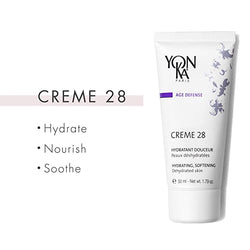
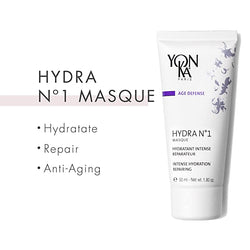
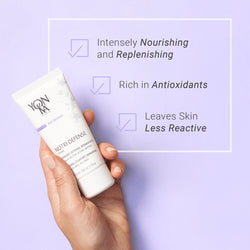
Apply a thick, comforting cream. For sun-exposed skin, Hydra n°1 Creme is a staple. It provides long-lasting hydration and helps the skin look smoother and more resilient. If your skin feels particularly "thirsty" at night, you can apply a thicker layer of Hydra n°1 Masque and leave it on overnight as an intensive repairing treatment.
Ingredients to Look For and Those to Avoid
Knowing how to read a label is essential when your skin is sensitized. Some ingredients that are perfectly fine for healthy skin can be disastrous for a sunburned face.
Look For:
- Aloe Vera: Known for its cooling properties and ability to help skin retain moisture.
- Allantoin: A soothing agent that helps promote skin softness and comfort.
- Ceramides: Crucial lipids that help rebuild the protective barrier.
- Plant Glycerin: A classic humectant that provides a reliable moisture draw.
- Vitamin E (Tocopherol): A powerful antioxidant that helps neutralize free radicals generated by UV exposure.
Avoid:
- Alcohol (Ethanol/Isopropyl): Found in many toners, it can be extremely drying and irritating.
- Retinoids and AHAs/BHAs: While excellent for anti-aging and acne, ingredients like retinol or glycolic acid are too aggressive for sun-damaged skin. Suspend their use until the skin is fully healed.
- Heavy Fragrances: Synthetic perfumes can trigger stinging or allergic reactions on a compromised barrier.
- Petroleum Jelly (on fresh burns): While good for late-stage healing, petroleum can trap heat if applied too early, potentially worsening the "cook" of the burn.
Myth: "I should scrub off the peeling skin to help my moisturizer sink in better." Fact: Scrubbing or exfoliating sunburned skin causes micro-tears and exposes immature skin to the environment. This increases the risk of scarring and infection. Moisture sinks in best when applied to a calm, intact (even if flaking) surface.
The Importance of Internal Hydration
Skincare isn't just about what you apply topically. A sunburn effectively draws fluid to the skin's surface and away from the rest of the body. This systemic dehydration can slow down the skin's ability to repair itself.
When dealing with dry sunburned skin on the face, it is essential to increase your water intake. Eating water-rich foods like cucumbers, watermelon, and celery can also provide the electrolytes and hydration your body needs to fuel cellular repair. Avoid excessive caffeine or alcohol during the first few days of healing, as these are diuretics that can further deplete your body’s water reserves.
When to Seek Professional Advice
While most cases of dry, sun-exposed skin can be managed with a dedicated home ritual, some situations require the expertise of a professional. If you notice any of the following, it is best to consult a physician or a dermatologist:
- Severe blistering over a large portion of the face.
- Fever, chills, or extreme nausea (signs of sun poisoning).
- Persistent swelling that does not go away after 24 hours.
- Signs of infection, such as yellow crusting or pus.
- A burn that does not show signs of improvement after a week.
For those whose skin has healed but remains dull or dehydrated, a professional spa treatment can be the perfect way to reset. A Yon-Ka trained esthetician can perform specialized deep-hydration treatments using professional-grade products that aren't available for home use. You can find a nearby partner through our Spa Locator to experience the full power of our phyto-aromatic expertise.
Preventing the Cycle: Protection as a Ritual
The best way to "get rid" of sun-damaged skin is to prevent the damage from occurring in the first place. This doesn't mean avoiding the sun entirely, but rather treating sun protection as a non-negotiable part of your daily ritual.
Sunscreen should be applied every single morning, regardless of the weather. UV rays can penetrate clouds and glass, leading to "silent" damage and cumulative dryness. Vital Defense provides antioxidant protection against environmental stressors and pollution, which can exacerbate the drying effects of the sun.
Choose a broad-spectrum sunscreen with an SPF of at least 30. If you have been burned, remember that your new skin is incredibly sensitive to further UV damage. For at least two weeks after the peeling has stopped, be extra vigilant with hats, shade, and frequent sunscreen reapplication.
Summary of the Healing Timeline
Recovery is a journey, not a destination. Your skin follows a specific biological clock when healing from UV damage.
| Phase | Duration | Focus | Key Yon-Ka Product |
|---|---|---|---|
| Initial Heat | 0–24 Hours | Cooling, reducing inflammation, hydration. | Lotion Yon-Ka |
| Intense Dryness | 1–3 Days | Barrier support, humectants, stopping water loss. | Hydra n°1 Creme |
| Peeling Phase | 3–7 Days | Gentle cleansing, no picking, lipid restoration. | Serum Omega |
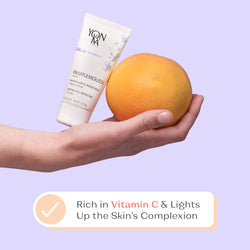
| Recovery | 7+ Days | Antioxidants, strengthening, future protection. | Serum Vitamine C 20% |
Maintaining the Glow Post-Healing
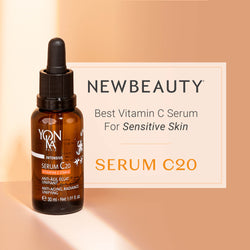
Once the dryness has subsided and your skin feels comfortable again, you can slowly reintroduce your regular active ingredients. This is the time to focus on evening out the skin tone and brightening the appearance of any sun-induced dullness. Serum Vitamine C 20%, featuring a stable form of Vitamin C, is excellent for this phase, as it helps to boost radiance and support collagen health.
Regular, gentle exfoliation can also be resumed once the skin is no longer sensitive. Gommage Yon-Ka is a unique, grain-free exfoliator that is perfect for post-burn recovery because it uses botanical enzymes to lift away dead skin cells without the need for harsh scrubbing. This ensures that your skin stays smooth and glowing without compromising the barrier you just worked so hard to rebuild.
Conclusion
Restoring dry sunburned skin on the face is an act of patience and botanical care. By prioritizing cooling mists, lipid-rich moisturizers, and a "hands-off" approach to peeling, you allow your skin to heal in a way that preserves its long-term health and beauty. The foundation of a resilient complexion lies in consistent, barrier-respecting habits that bridge the gap between science and nature. At Yon-Ka Paris, we remain dedicated to the idea that skincare should be a therapeutic experience—one that honors the skin’s natural intelligence while providing the advanced phyto-aromatic support it needs to thrive.
Bottom line: Focus on "flooding" the skin with moisture and "sealing" it with lipids. Let the peeling happen on its own timeline, and your skin will return to its natural, healthy state more quickly and with less irritation.
If you are unsure which products are best for your specific skin type during this recovery phase, we invite you to use our website’s personalized product tools. Embracing a personalized ritual is the most effective way to ensure your skin receives exactly what it needs to glow from within.
FAQ
How long does it take for a sunburned face to stop peeling?
Peeling typically begins about three days after the initial burn and can last anywhere from four to seven days. The exact duration depends on the severity of the UV damage and how well the skin is kept hydrated. Consistent moisturizing can help the flakes slough off more discreetly and support the comfort of the skin during this transition.
Can I put makeup on my dry, peeling sunburn?
It is best to avoid heavy foundations or powders while your skin is peeling, as these often cling to dry patches and make the peeling more visible. If you must wear makeup, choose a hydrating, liquid formula and apply it very gently with a damp sponge. Avoid any products with high alcohol content or strong fragrances, which can cause stinging on the compromised barrier.
Is it okay to use a face scrub to get rid of the flakes?
No, you should strictly avoid manual scrubs or any form of mechanical exfoliation while your skin is sun-damaged or peeling. Scrubbing can pull off skin that is still attached to living tissue, leading to raw spots, increased redness, and potential scarring. Wait until your skin is no longer sensitive and the peeling has stopped naturally before reintroducing a gentle exfoliator like Gommage Yon-Ka.
Should I use a lotion or a cream for sunburned skin?
For dry, sunburned skin on the face, a thick cream or a lipid-rich serum is generally better than a thin lotion. Lotions often have a higher water-to-oil ratio and may evaporate quickly, whereas creams and ointments provide a more robust seal to prevent transepidermal water loss. Look for "barrier-repair" or "intensive hydration" labels to ensure the product has the necessary richness to support the healing process.