Table of Contents
- Introduction
- Understanding the Anatomy of a Facial Scab
- Why Dry Skin is Prone to Cracking and Scabbing
- The Professional Secret: Moist Healing vs. Air Drying
- A Gentle Phyto-Aromatic Ritual for Healing
- Why You Must Resist the Urge to Pick
- Long-Term Strategies for Prevention
- When to Consult a Dermatologist
- Conclusion
- FAQ
Introduction
There is a particular kind of frustration that occurs when a perfectly balanced complexion is suddenly interrupted by a dry, crusty scab. Whether it stems from a seasonal flare-up of dehydration, a blemish handled too firmly, or a simple accidental scratch, a facial scab can feel like a glaring imperfection. However, at Yon-Ka Paris, we view these marks not as flaws to be hidden, but as a sophisticated biological process where your skin is working overtime to repair its protective barrier.
This article explores the professional methods for supporting the skin's regenerative cycle, the science behind "moist healing," and the botanical tools needed to restore your glow. We will cover the primary causes of scabbing, why dry skin is particularly vulnerable, and how to build a gentle, phyto-aromatic ritual that encourages the appearance of smooth, healthy skin. The key to successfully managing facial scabs is to transition from a "fix-it" mindset to a "supportive" one, prioritizing hydration and protection over aggressive intervention.
Quick Answer: To get rid of dry skin scabs on the face, maintain a "moist healing" environment by applying gentle, lipid-rich moisturizers and avoiding the urge to pick. Keeping the area hydrated prevents the scab from becoming brittle and cracking, allowing the new skin underneath to heal more quickly and with a lower risk of visible scarring.
Understanding the Anatomy of a Facial Scab
To address a scab effectively, we must first understand its purpose. When the skin’s integrity is compromised, the body immediately begins a multi-stage repair mission. Blood components called platelets cluster together to form a clot, which eventually dries and hardens into a protective crust.
This crust acts as a biological "bandage." Beneath this shield, the body is busy clearing away debris and generating new tissue. If a scab is removed prematurely, this entire process is reset. The delicate new skin cells are exposed to the elements before they are ready, which can lead to a longer healing time, increased redness, and a higher likelihood of post-inflammatory hyperpigmentation.
Why Dry Skin is Prone to Cracking and Scabbing
Not all scabs are the result of an obvious injury. For those with a dry or sensitive skin type, scabs can appear almost spontaneously due to a compromised moisture barrier.
- The Barrier Function: Your skin’s outermost layer, the stratum corneum, is often compared to a brick wall. The skin cells are the bricks, and lipids (natural oils) are the mortar. When this mortar is depleted due to genetics, cold weather, or harsh products, the "wall" becomes unstable.
- Transepidermal Water Loss (TEWL): When the barrier is weak, moisture evaporates quickly. This leaves the skin brittle and inelastic.
- Micro-Fissures: Brittle skin cannot cope with the daily movements of the face. A simple smile or a cold wind can cause the surface to "snap," creating tiny fissures that the body then covers with a scab.
Key Takeaway: Scabbing on dry skin is often a sign of extreme dehydration and a lack of protective lipids, meaning your primary goal should be restoring the skin's "mortar" to prevent future cracks.
The Professional Secret: Moist Healing vs. Air Drying
For decades, the common myth was that scabs should be left to "breathe" and dry out. Modern professional skincare science and dermatological research have proven the opposite. Wounds, including facial scabs caused by dryness or acne, heal significantly faster and with less scarring when they are kept in a moist environment.
When a scab becomes too dry, it turns hard and inflexible. This makes it prone to cracking every time you move your facial muscles, which re-injures the delicate tissue underneath. By keeping the area moisturized, the scab remains soft and pliable. This allows the new skin cells to migrate across the wound more easily, resulting in a smoother recovery and a more comfortable experience.
A Gentle Phyto-Aromatic Ritual for Healing
Managing a facial scab requires a departure from aggressive exfoliation or high-strength actives. Instead, the focus shifts to a ritual that respects the skin’s current vulnerability.
Step 1: Barrier-Respecting Cleansing
The first rule of managing scabs is to avoid further trauma. Traditional foaming cleansers often contain harsh surfactants that can strip the skin and make a scab more brittle. Use a creamy, soap-free cleanser like Lait Nettoyant. This gentle milk cleanser removes impurities while respecting the skin's natural pH and lipid balance.
When cleansing, use lukewarm water—hot water can increase inflammation—and apply the product with your ring finger using very light, circular motions. Never scrub the area where the scab is located; simply let the milk dissolve debris and rinse gently.
Step 2: The Power of the Phyto-Aromatic Mist
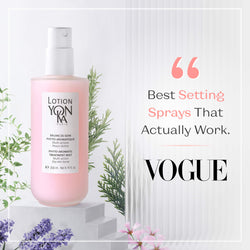
After cleansing, the skin needs to be prepared to receive hydration. Our signature Lotion Yon-Ka PS is a foundational step in any healing ritual. This alcohol-free mist is infused with our exclusive Quintessence—an aromatic complex of lavender, geranium, rosemary, cypress, and thyme.
Lavender is particularly beneficial here for its soothing properties, while rosemary helps to revitalize the appearance of the skin. Misting the face before applying moisturizer helps to dampen the surface, which significantly improves the absorption of subsequent products.
Step 3: Targeted Hydration and Lipid Support
To implement the "moist healing" method, you need a product that provides both deep hydration and a protective seal.
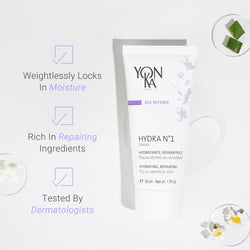
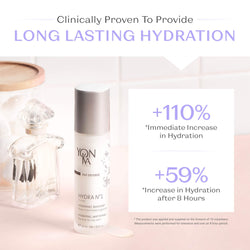
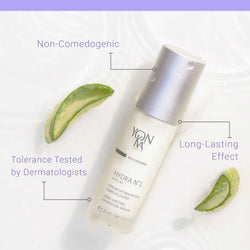
- For General Dryness: Use Hydra N°1 Crème. This intensive moisturizer contains hyaluronic acid and shea butter to repair the appearance of the skin barrier and lock in moisture.
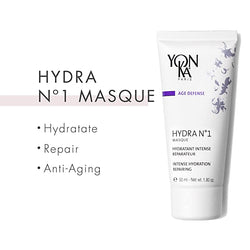
- For Localized Scabbing: If you have a specific, stubborn scab, applying a slightly thicker layer of Hydra N°1 Masque as a "spot treatment" overnight can provide a soothing cushion that prevents the scab from drying out.
- For Cracked Skin: If your skin is so dry it is physically cracking, it needs lipids. Our Nutri + Booster is an oil-based concentrate rich in wheat germ oil and vitamins E and F. Mixing a few drops into your cream provides the essential "mortar" the skin barrier is missing.
Step 4: Environmental Protection
New skin is incredibly sensitive to ultraviolet (UV) light. If a scab falls off to reveal pink or pale new skin, that area is at high risk for "sun spots" or permanent discoloration if left unprotected.
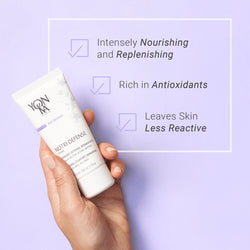
Even if you are staying indoors, UV rays can penetrate windows and affect healing tissue. Using Vital Defense during the day provides antioxidant protection against environmental pollutants. For direct sun exposure, always follow with a dedicated high-SPF sunscreen to ensure the healing mark doesn't turn into a permanent dark spot.
Why You Must Resist the Urge to Pick
It is the most common advice for a reason: do not pick the scab. When a scab begins to heal, it often itches. This sensation is caused by the release of histamines as part of the inflammatory response and the physical contraction of the wound as it closes.
However, picking a scab is the primary cause of facial scarring. When you pull a scab away, you often take the top layer of the "new" skin with it. This forces the body to start the repair process from scratch, often leading to a deeper wound and potential collagen damage.
Myth: Picking a scab helps it "clear up" faster.
Fact: Picking resets the healing clock, increases the risk of infection, and makes permanent scarring much more likely.
If the itching becomes unbearable, try a cold compress. Wrap a clean, soft cloth around a cold gel pack and press it gently against the area for a few minutes. This numbs the nerve endings and reduces the desire to scratch without damaging the tissue.
Long-Term Strategies for Prevention
While you can't always prevent an accidental scratch, you can make your skin more resilient so it is less likely to crack and scab in the first place.
- Maintain Humidity: Use a humidifier in your bedroom during the winter months. Central heating strips the air of moisture, which in turn strips your skin.
- Layer Your Hydration: Don't rely on just one thick cream. Use a hydrating mist, a serum, and then a moisturizer to provide different "weights" of moisture to the various layers of the skin.
- Avoid Harsh Exfoliants: When skin is dry, skip the gritty scrubs and high-percentage acids. Instead, use a gentle, grain-free exfoliator like Gommage Yon-Ka, which uses carob and lime essential oil to clarify the skin without friction.
- Hydrate from Within: While topical products are essential, staying hydrated by drinking water and consuming healthy fats (like avocados, walnuts, and flaxseeds) supports the skin’s natural lipid production.
When to Consult a Dermatologist
Most facial scabs caused by dryness or minor acne will heal within seven to ten days with proper care. However, there are times when professional medical advice is necessary. You should consult a physician or a dermatologist if:
- The scab shows signs of infection (spreading redness, warmth, swelling, or yellow discharge).
- The scab does not show any signs of healing after two weeks.
- The scabbing is persistent and accompanied by extreme itching or pain, which may indicate a condition like eczema, psoriasis, or seborrheic dermatitis.
- The scab appears on a suspicious-looking mole or a patch of skin that frequently bleeds and won't stay healed.
Note: While essential oils are powerful botanical allies, always perform a patch test on your inner forearm when introducing a new product to sensitized skin. Introduce one product at a time to ensure your skin responds positively.
Conclusion
Healing a dry skin scab on the face is a lesson in patience and gentle care. By shifting away from the old-fashioned "dry healing" method and embracing a moisture-rich, phyto-aromatic ritual, you allow your skin to perform its natural regenerative magic without interference. At Yon-Ka Paris, we believe that every step in your skincare routine should be an opportunity for wellness and restoration. Our 70-year heritage in professional spa expertise ensures that our formulas, rooted in the power of the Quintessence and pharmaceutical-grade botanical science, provide the deep nourishment your skin needs during its most vulnerable moments.
If you are unsure which products are best suited for your current skin concerns, we invite you to take our Dry & Dehydrated Skin collection or explore the Anti-Aging collection on our website. You can also learn more about our ingredients and our formulation philosophy to see how Yon-Ka builds its botanical care. Remember that consistent, barrier-respecting care is the most effective way to transition from a state of irritation to a complexion that looks and feels truly radiant.
FAQ
How long does it take for a facial scab to fall off naturally?
On average, a facial scab will take anywhere from 7 to 14 days to heal and fall off on its own. This timeline depends on the depth of the initial wound, your overall skin health, and how well you maintain a moist healing environment.
Can I cover a facial scab with makeup?
It is best to let a scab heal without makeup for the first few days. If you must use concealer, ensure the area is well-moisturized first with a product like Hydra N°1 Crème to prevent the makeup from clinging to dry flakes, and use a clean brush or sponge to avoid introducing bacteria.
Why is my dry skin scab so itchy?
Itching is a natural part of the healing process caused by the release of histamines and the physical contraction of the skin as new fibers form. To soothe the itch without picking, apply a cold compress or a drop of a calming booster like Nutri + Booster.
Will a scab on my face leave a permanent scar?
Most superficial scabs caused by dryness or minor blemishes will not leave a permanent scar if they are left to fall off naturally. However, picking the scab or exposing the new, pink skin to the sun without protection increases the risk of long-term marks or hyperpigmentation.
For more advanced skin recovery support, the Hydralessence Treatment is a professional option designed to soothe dry, dehydrated, and irritated skin.