Table of Contents
- Introduction
- Understanding the Difference Between Dry and Dehydrated Skin
- Common Culprits Behind Facial Dryness
- The Professional Phyto-Aromatic Ritual
- Essential Ingredients for a Supple Complexion
- Advanced Strategies for Stubborn Dryness
- Lifestyle Adjustments to Support Your Skin
- When to See a Professional
- Developing Your Signature Routine
- Conclusion
- FAQ
Introduction
Waking up to a complexion that feels tight, looks flaky, or lacks its usual luminosity can be a frustrating way to start the day. When your face feels more like parchment than silk, the natural instinct is to reach for the thickest cream available. However, truly addressing dry skin requires more than just a heavy moisturizer; it requires a shift from a "quick fix" mindset to a consistent, botanical ritual. At Yon-Ka Paris, we believe that restoring the appearance of healthy, supple skin is an art form rooted in both pharmaceutical rigor and the healing power of plants. If you want to learn more about that approach, start with our ingredient philosophy. This article will explore the physiological causes of dryness, the essential ingredients your skin is craving, and the professional steps you can take to achieve a soft, radiant glow.
Understanding the Difference Between Dry and Dehydrated Skin
Before you can effectively address the appearance of dryness, you must identify what your skin is actually lacking. While the terms are often used interchangeably, they represent two distinct physiological states that require different ritualistic approaches.
Dry Skin: A Lack of Oil
Dry skin is a skin type, often determined by genetics or the natural aging process. If you have dry skin, your sebaceous glands are not producing enough sebum, the natural oil that keeps the skin’s surface lubricated and sealed. Without this lipid barrier, the skin becomes rough, loses its elasticity, and may develop fine lines more quickly. For a full assortment of targeted options, explore our Dry & Dehydrated Skin collection.
Dehydrated Skin: A Lack of Water
Dehydrated skin is a temporary condition that can affect any skin type, including oily skin. It occurs when there is an insufficient amount of water in the stratum corneum (the outermost layer of the epidermis). This often manifests as a "crepey" texture or a feeling of tightness immediately after cleansing. Dehydration is frequently caused by external factors like weather, air conditioning, or using harsh, stripping cleansers.
The Role of the Skin Barrier
Regardless of whether your skin is dry or dehydrated, the root of the visible problem is often a compromised skin barrier. Think of your skin barrier as a brick-and-mortar structure where the "bricks" are your skin cells and the "mortar" is a complex blend of lipids. When this mortar is depleted, moisture evaporates into the air—a process known as transepidermal water loss (TEWL)—and irritants can more easily penetrate the skin. For a deeper look at the difference between dry and dehydrated skin, read our Dry vs. Dehydrated Skin guide.
Quick Answer: To get rid of dry skin on the face, you must restore the skin's protective lipid barrier while simultaneously infusing the deeper layers with moisture. This is achieved through a consistent ritual of gentle cleansing, phyto-aromatic toning, and layering lipid-rich serums with high-performance moisturizers.
Common Culprits Behind Facial Dryness
Understanding why your skin is behaving this way is the first step toward reclaiming its radiance. Several environmental and lifestyle factors contribute to the depletion of your skin’s natural resources.
- Aggressive Cleansing: Using traditional bar soaps or foaming cleansers with high sulfate content can strip away the essential oils your skin needs to stay resilient.
- Temperature Extremes: Central heating in the winter and air conditioning in the summer both strip moisture from the air, and subsequently, from your face.
- Hot Water Habits: While a steaming hot shower may feel relaxing, it can melt away the protective lipids on the surface of your skin, leaving it vulnerable and parched.
- The Aging Process: As we age, sebum production naturally decreases, and the skin’s ability to retain moisture diminishes. This is why a ritual that worked in your twenties may no longer suffice in your forties or fifties.
- Over-Exfoliation: Using harsh physical scrubs or high-strength acids too frequently can create micro-tears and disrupt the acid mantle, leading to chronic dryness and sensitivity.
The Professional Phyto-Aromatic Ritual
At the heart of our philosophy is the belief that skincare should be a moment of wellness, not a chore. We approach dry skin through a layered, professional methodology that mimics the experience of a world-class spa treatment at home. For a closer look at the cleanser designed for this kind of ritual, discover Lait Nettoyant.
Step 1: Gentle, Barrier-Respecting Cleansing
The goal of cleansing dry skin is to remove impurities without disturbing the delicate hydro-lipidic film. Avoid "squeaky clean" sensations, which are usually a sign of over-stripping. Our Lait Nettoyant is a cult-favorite cleansing milk specifically designed for this purpose. Its creamy texture lifts away makeup and pollution while leaving the skin feeling nourished and calm.
Step 2: Prepare with a Botanical Mist
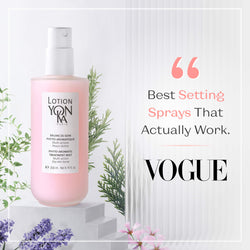
In the French skincare tradition, the misting step is non-negotiable. Using a phyto-aromatic toner like Lotion Yon-Ka PS (specifically formulated for dry skin) does more than just refresh. It saturates the skin with our signature Quintessence—a blend of lavender, geranium, rosemary, cypress, and thyme—to balance and prepare the epidermis for the treatments to follow. Applying your next products to slightly damp skin significantly enhances their absorption. You can explore the formula in our Lotion Yon-Ka PS collection page.
Step 3: Targeted Treatment with Lipids and Hydrators
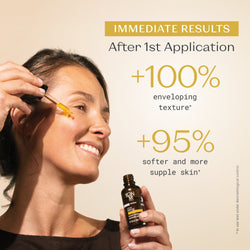
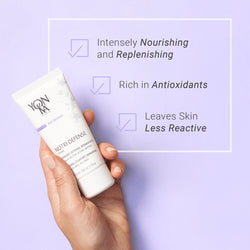
This is where you address the specific deficiency of your skin. For deep dryness, an oil-based serum or booster is essential. Serum Omega is an exceptional choice, as it is rich in essential fatty acids that mimic the skin’s natural sebum. If your primary concern is the fine lines associated with dehydration, a booster like Nutri + can be mixed directly into your moisturizer to provide an extra surge of antioxidant protection and nourishment.
Step 4: Seal and Protect
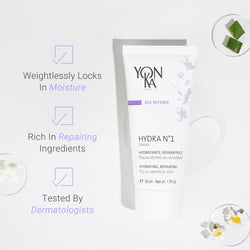
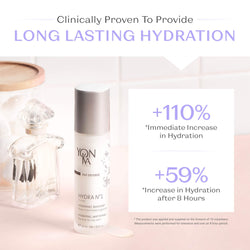
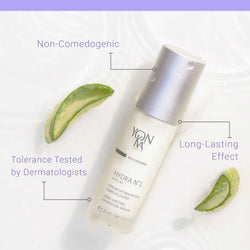
The final step is to lock in all the previous layers with a high-performance moisturizer. For intense dryness, Hydra n°1 Crème provides long-lasting hydration and comfort. It utilizes both high and low molecular weight hyaluronic acid to address moisture at different levels of the skin, along with shea butter to provide a protective seal. You can view the product here: Hydra N°1 Crème.
Key Takeaway: Effective treatment for dry skin isn't about one single product; it's about a consistent ritual that cleanses without stripping, hydrates with botanical mists, and seals with lipid-rich emollients.
Essential Ingredients for a Supple Complexion
When reading labels, look for ingredients that serve three functions: humectants (to draw water in), emollients (to smooth the surface), and occlusives (to prevent water loss).
Hyaluronic Acid: The Moisture Magnet
This molecule can hold up to 1,000 times its weight in water. In our formulations, such as the Hydra n°1 collection, we use varied molecular weights. Larger molecules sit on the surface to smooth and plump the appearance of fine lines, while smaller molecules provide deeper hydration.
Essential Fatty Acids and Plant Oils
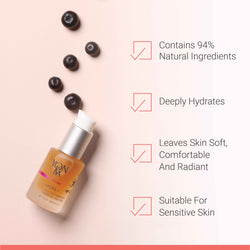
Ingredients like grape seed oil, hazelnut oil, and shea butter are rich in Omega-3, 6, and 9. These are crucial for repairing the "mortar" between your skin cells. Our Serum Omega relies on these botanical lipids to restore the look of skin that has been thinned or sensitized by dryness.
The Power of the Quintessence
Our exclusive Quintessence complex is the cornerstone of our brand. Beyond its exquisite aroma, these five essential oils work synergistically to stabilize the skin. Lavender provides soothing properties, while rosemary and thyme help to revitalize the skin’s appearance. This aromachological approach ensures that while you are treating your skin, you are also providing a sense of calm to your nervous system. To learn more about the ingredients behind this philosophy, visit Our Ingredients.
Note: When introducing products containing essential oils, we always recommend a patch test on your inner forearm for 24 hours. Introduce one new product at a time to allow your skin to adjust to the active botanical ingredients. A slight, brief tingling sensation can be normal, but persistent redness means you should reduce frequency or consult a professional.
Advanced Strategies for Stubborn Dryness
Sometimes, a daily moisturizer isn't enough to combat seasonal shifts or chronic flakiness. In these instances, you can elevate your ritual with professional-grade techniques.
The Overnight "Sleeping Mask"
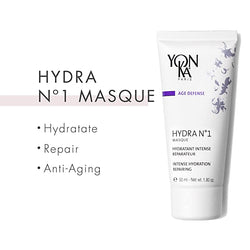
Nighttime is when the skin focuses on repair. Using a dedicated hydrating mask like Hydra n°1 Masque as an overnight treatment can transform the appearance of your skin by morning. This allows the active ingredients to work undisturbed by environmental stressors or makeup.
Gentle Surface Renewal
It may seem counterintuitive to exfoliate dry skin, but removing dead, flaky cells is necessary so your moisturizers can actually penetrate. However, you must avoid harsh grains. Gommage Yon-Ka is a grain-free, botanical peel that gently lifts away dead skin using carob and citrus extracts. It is so gentle it can even be used on the delicate eye area and is an essential tool for maintaining a smooth texture without irritation. Explore it here: Gommage Yon-Ka.
The Role of Glycolic Acid
For more mature dry skin that appears dull, a gentle acid can help stimulate surface renewal. Our Glyconight 10% Masque uses a clean-label glycolic acid to refine the skin's texture overnight. Because it is formulated with soothing botanicals, it provides the benefits of a chemical peel without the typical drying side effects. View the product here: Glyconight 10% Masque.
Lifestyle Adjustments to Support Your Skin
What you do outside of your skincare ritual is just as important as what you apply to your face. Consistency in your environment and habits will prevent dry skin from returning.
- Invest in a Humidifier: Especially in the bedroom, a humidifier adds much-needed moisture back into the air, preventing your skin from drying out while you sleep.
- Adjust Your Water Temperature: Practice the "lukewarm rule." Ensure the water touching your face is closer to room temperature than hot.
- Strategic Hydration: While drinking water is essential for overall health, "eating" your water through moisture-rich foods like cucumbers, celery, and healthy fats (avocados, walnuts) provides the building blocks for healthy skin lipids.
- Silk Pillowcases: Unlike cotton, which can absorb the oils and creams you've just applied to your face, silk or satin allow your skin to retain its moisture throughout the night.
When to See a Professional
While most cases of dry facial skin can be managed with a high-quality botanical ritual, some conditions require medical intervention. If your skin is persistently red, painful, weeping, or if you suspect you may have a condition like eczema, rosacea, or psoriasis, it is important to consult a dermatologist or physician. These medical conditions often require prescription treatments that complement your cosmetic routine.
For those looking to take their results to the next level, visiting a Yon-Ka partner spa is an excellent option. A professional esthetician can perform deep-infusion treatments and provide a personalized skin analysis that goes beyond what is possible at home. You can use our Spa Locator to find a certified professional in your area.
Developing Your Signature Routine
Finding the perfect balance for your skin is a journey. We recommend starting with a foundation of the "Essentials" and then adding "Boosters" as your skin’s needs change with the seasons.
A Sample Morning Sequence
- Cleanse: Gently massage Lait Nettoyant onto dry skin and rinse with lukewarm water.
- Mist: Spray Lotion Yon-Ka PS generously and pat in.
- Treat: Apply two pumps of Serum Omega to provide a lipid shield.
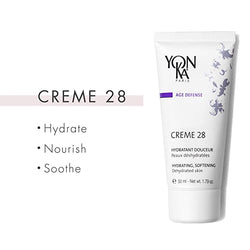
- Moisturize: Apply Hydra n°1 Crème to the face and neck.
- Protect: Follow with a broad-spectrum SPF to prevent UV-induced dryness.
A Sample Evening Sequence
- Double Cleanse: Use Lait Nettoyant twice if you are wearing heavy makeup or sunscreen.
- Mist: Satiate the skin with Lotion Yon-Ka.
- Treat: Apply an eye treatment like Phyto-Contour to address puffiness and dryness around the lids.
- Repair: Apply Elastine Nuit for early signs of aging or Time Resist Nuit for deeper wrinkles.
- Extra Credit: Twice a week, swap your night cream for the Hydra n°1 Masque.
Bottom line: Dry skin is a signal that your barrier is thirsty for lipids and water. By honoring the skin's natural physiology and using professional-grade botanical formulas, you can restore its natural comfort and glow.
Conclusion
Getting rid of dry skin on the face is not a matter of finding a "miracle" ingredient, but rather about cultivating a respectful, consistent ritual. By understanding the distinction between dryness and dehydration, choosing barrier-supporting ingredients like hyaluronic acid and plant-based omegas, and avoiding common irritants, you can transform a parched complexion into one that feels resilient and radiant. If you want to keep exploring Yon-Ka’s approach, read more about our skin-focused formulations.
- Prioritize gentle, milk-based cleansers over foaming soaps.
- Never skip the misting step to ensure your treatments can penetrate deeply.
- Layer your hydration, starting with water-based serums and ending with lipid-rich creams.
- Protect your progress by managing your environment and wearing daily sun protection.
If you are unsure which specific products are right for your unique skin profile, we invite you to take our Skin Diagnosis quiz or use the Product Matcher tool on our website. At Yon-Ka Paris, our mission is to provide you with the professional tools and botanical expertise to make every day a spa-like experience for your skin. We remain committed to the belief that true beauty is found in the harmony of nature and science, a philosophy we have championed for over 70 years.
FAQ
Why is my face still dry even though I moisturize every day?
It is likely that your moisturizer is only sitting on the surface or that you are lacking the "oil" component of your barrier. If you are only using a water-based cream, try adding a lipid-rich serum like Serum Omega to seal that moisture in. Additionally, ensure you are gently exfoliating with Gommage Yon-Ka so your moisturizer isn't just sitting on top of dead skin cells.
Can I use hot water to wash my face if I have dry skin?
We strongly recommend against using hot water, as it can strip away the natural oils and lipids that make up your protective skin barrier. Use lukewarm water instead, which is much gentler on sensitive, dry complexions. Always pat your skin dry with a soft towel rather than rubbing it, which can cause further irritation.
Is it okay to exfoliate if my skin is flaking?
Yes, but you must be very careful with the method. Avoid physical scrubs with jagged particles, as these can damage the skin. Instead, use a professional, grain-free exfoliator like Gommage Yon-Ka, which uses botanical extracts to gently dissolve the bonds of dead skin cells without friction, allowing your hydrating products to work more effectively.
How long does it take to see results when treating dry skin?
While you may feel an immediate sense of comfort after one application of a product like Hydra n°1 Crème, structural changes to the skin barrier typically take 28 to 30 days. This is the average time it takes for a full cycle of skin cell turnover. Consistency with your ritual is the most important factor in seeing long-term improvements in the appearance of your skin.