Table of Contents
- Introduction
- Understanding Why Your Face Is Peeling
- Common Triggers for Facial Flakiness
- The Professional Botanical Approach to Healing
- How to Safely Exfoliate Peeling Skin
- Targeted Treatments for Barrier Repair
- Managing Peeling in Specific Areas
- Myth vs. Fact: Dealing with Dryness
- Creating Your Recovery Ritual
- When to Seek Professional Advice
- Lifestyle Adjustments to Prevent Future Peeling
- The Science of Phyto-Aromatic Care
- Conclusion
- FAQ
Introduction
Waking up to find fine, flaky patches across your cheeks or chin can be a discouraging start to the day. Whether it appears as a dusting of white scales or feels like a rough, tight texture that catches on your clothing, peeling skin is a clear signal that your moisture barrier is under stress. At Yon-Ka Paris, we believe that addressing flakiness requires more than just a heavy cream; it demands a mindful ritual that restores balance and replenishes the skin’s vital resources.
In this article, we will explore the environmental and biological triggers behind facial peeling and provide a botanical roadmap for recovery. From gentle exfoliation techniques to deep lipid restoration, we will detail how to soothe irritation and restore a smooth, radiant complexion. By understanding the synergy between professional-grade ingredients and consistent care, you can transform dry, peeling skin back into a healthy, hydrated canvas.
Quick Answer: To get rid of dry peeling skin on your face, immediately pause all harsh actives like retinoids and acids. Switch to a gentle milk cleanser, apply a hydrating mist to damp skin, and use a lipid-rich moisturizer containing hyaluronic acid or omega fatty acids to repair the skin barrier.
Understanding Why Your Face Is Peeling
Peeling is the skin’s way of shedding damaged or dead cells at an accelerated rate. Under normal circumstances, your skin undergoes a natural renewal process where cells transition from the deeper layers to the surface, eventually falling away invisibly. However, when the skin’s protective barrier—often called the acid mantle or moisture barrier—is compromised, this process becomes visible and often uncomfortable.
A healthy barrier is composed of lipids, ceramides, and fatty acids that act as the "mortar" between your skin cell "bricks." When this mortar is depleted, moisture escapes (a process known as transepidermal water loss), and environmental irritants can penetrate more easily. The result is skin that feels brittle, looks dull, and eventually begins to lift and flake away in patches.
Dry Skin vs. Dehydrated Skin
It is essential to distinguish between dry and dehydrated skin when addressing peeling. Dry skin is a skin type characterized by a lack of oil (sebum) production. Because these individuals naturally produce fewer lipids, their barrier is inherently more fragile and prone to chronic flakiness.
Dehydrated skin, on the other hand, is a temporary condition where the skin lacks water. Even oily skin types can become dehydrated due to factors like air conditioning, caffeine intake, or harsh weather. Dehydration often manifests as "crepey" fine lines and a tight feeling, which can lead to peeling if left unaddressed. Recognizing whether your skin needs oil, water, or both is the first step in choosing the right ritual.
Common Triggers for Facial Flakiness
Before you can effectively treat peeling, you must identify what is causing the disruption. While many factors can contribute, most cases of facial peeling fall into a few primary categories.
Environmental Stressors
The world around us can be quite harsh on the delicate skin of the face. Cold winter air holds very little moisture, and indoor heating systems further strip the humidity from our environments. This "double-hit" of dryness can leave the skin parched and prone to cracking. Similarly, excessive sun exposure causes UV damage that kills surface cells, leading to the classic "sunburn peel" as the body tries to rid itself of damaged DNA.
Harsh Skincare Ingredients
In our quest for a "glass skin" glow, many of us over-exfoliate. Using high percentages of Alpha Hydroxy Acids (AHAs), Beta Hydroxy Acids (BHAs), or strong retinoids too frequently can dissolve the "glue" holding your skin cells together too quickly. This leaves the underlying skin raw and unprotected. Furthermore, many conventional cleansers use Sodium Lauryl Sulfate (SLS) or drying alcohols that strip away the natural oils your skin needs to stay supple.
Water Temperature and Routine Habits
While a steaming hot shower might feel therapeutic, hot water is a primary culprit for barrier damage. It effectively "melts" the beneficial fats in your skin, leaving it vulnerable. Additionally, rubbing the face vigorously with a rough towel after washing can physically snag on micro-flakes, turning a small patch of dryness into a larger area of irritation.
Key Takeaway: Peeling is almost always a sign of a compromised moisture barrier. Addressing it requires removing irritants, lowering water temperature, and focusing on lipid-restoring ingredients rather than simply scrubbing the flakes away.
The Professional Botanical Approach to Healing
At Yon-Ka, our heritage is rooted in the professional spa environment, where we have spent seven decades refining the art of phyto-aromatic care. When the skin is peeling, it is in a state of "crisis." The goal is to calm inflammation while providing the building blocks for barrier repair.
Gentle, Barrier-Respecting Cleansing
The most common mistake people make when they see peeling is trying to "wash it away" with a strong cleanser. This only exacerbates the problem. Instead, you should use a formula that cleanses while adding moisture back into the skin.
Our Lait Nettoyant is a gentle cleansing milk that is specifically designed to respect the skin’s pH and lipid balance. It removes impurities and makeup without the use of harsh surfactants. By using a milk-based cleanser, you ensure that the skin remains soft and calm from the very first step of your ritual.
The Power of the Phyto-Aromatic Mist
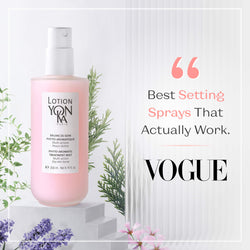
After cleansing, the skin is most receptive to hydration. Traditional toners often contain alcohol, which is the last thing peeling skin needs. Instead, we recommend a phyto-aromatic mist like Lotion Yon-Ka PS.
This signature mist is infused with our Quintessence—an exclusive complex of lavender, geranium, rosemary, cypress, and thyme essential oils. It does more than just refresh; it helps to prep the skin, allowing subsequent serums and creams to penetrate more deeply. For those with dry, peeling skin, Lotion Yon-Ka PS provides an immediate soothing effect and starts the hydration process early in the routine.
How to Safely Exfoliate Peeling Skin
It is tempting to reach for a face scrub to "buff" away the visible flakes. However, when skin is peeling, the barrier is already thin. Physical scrubs with jagged particles (like crushed shells or sugar) can create micro-tears, leading to more inflammation and potential infection.
The Grain-Free Difference
The solution is a professional-grade, grain-free exfoliator. Gommage Yon-Ka is a botanical "peel" that uses carob and citrus extracts to gently lift away dead skin cells without any abrasive friction.
How to use it for peeling skin:
- Apply a thin layer to the face and neck after cleansing.
- Let it sit for 1–2 minutes (it should remain slightly damp).
- Using your fingertips, very gently "roll" the product off. The dead skin cells will lift away in small, soft particles.
- If the skin is very sensitive or irritated, you can simply rinse it off with lukewarm water without the rolling motion.
This method allows you to remove the unsightly flakes that interfere with makeup application while keeping the healthy, underlying skin completely intact.
Targeted Treatments for Barrier Repair
Once the surface flakes are addressed, you must provide the skin with the "nutrients" it needs to rebuild its defenses. This is where high-performance serums and boosters become essential.
Deep Hydration with Hyaluronic Acid
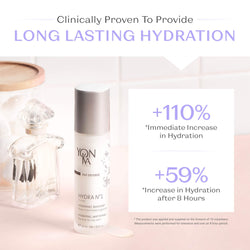
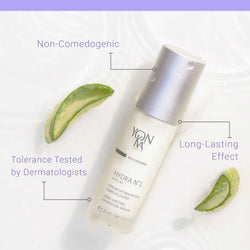
Hyaluronic acid is a powerhouse molecule capable of holding up to 1,000 times its weight in water. For dehydrated peeling skin, our Hydra N°1 Serum provides a long-lasting infusion of hydration. It utilizes different molecular weights of hyaluronic acid to reach various layers of the skin, ensuring that moisture is locked in from the inside out.
Lipid Restoration with Omega Fatty Acids
If your skin is peeling because it is naturally dry (lacking oil), you need more than just water; you need lipids. Omega fatty acids (3, 6, and 9) are vital for maintaining the structural integrity of the skin.
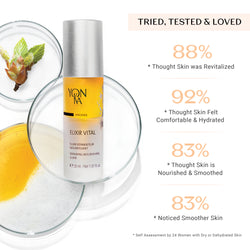
Our Serum Omega is an oil-in-serum specifically formulated to rescue skin in distress. It contains cold-pressed botanical oils that mimic the skin’s natural sebum. Adding a few drops of this, or our Nutri + Booster, into your daily moisturizer can provide the extra "cushion" your skin needs to stop peeling and start healing.
Note: When introducing a new botanical product, we always recommend a quick patch test on your inner forearm for 24 hours. While our ingredients are chosen for their gentleness and efficacy, every skin is unique. Introducing one new product at a time allows you to monitor how your skin responds to these active botanicals.
Managing Peeling in Specific Areas
Sometimes, peeling is localized to specific parts of the face, such as around the nose or eyes. These areas require a more tailored approach due to their unique anatomy.
Around the Nose and Mouth
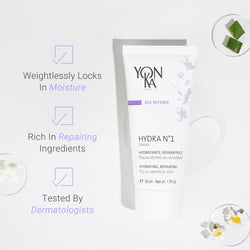
The skin around the nose is often subject to friction (from tissues during a cold) or can be a site for seborrheic dermatitis (flakiness caused by an imbalance in skin yeast). If the peeling is persistent and accompanied by redness in the creases of the nose, it is best to consult a dermatologist. For standard dryness in this area, applying a thicker layer of Hydra N°1 Crème at night can act as a "bandage" to restore the area.
The Delicate Eye Area
The skin around the eyes is the thinnest on the entire body and lacks the oil glands found elsewhere on the face. This makes it highly susceptible to fine, crepey peeling.
Our Phyto-Contour eye cream is a favorite in professional treatment rooms for its ability to depuff and revitalize. To address dryness specifically, ensure you are applying your hydrating serum all the way up to the orbital bone and sealing it with an eye-specific moisturizer. This prevents the "parched" look that often leads to flaky eyelids.
Myth vs. Fact: Dealing with Dryness
Myth: You should use a washcloth to scrub off flakes while you wash your face. Fact: Mechanical friction from a washcloth can damage the newly forming skin underneath the flakes. It is better to use a grain-free exfoliator like Gommage Yon-Ka or simply let the flakes fall away naturally as the skin heals.
Myth: Drinking more water will immediately stop your face from peeling. Fact: While hydration is important for overall health, "internal" water takes a long time to reach the skin's surface. Topical hydration and barrier-repairing creams are much more effective at stopping visible peeling in the short term.
Myth: Peeling skin needs the thickest, greasiest cream possible. Fact: Not necessarily. If your skin is dehydrated (lacking water), a greasy oil won't help if there is no moisture underneath it. You need a combination of humectants (like hyaluronic acid) to draw water in and occlusives (like plant butters) to seal it there.
Creating Your Recovery Ritual
To get rid of peeling skin, consistency is more important than intensity. A simple, four-step ritual performed twice daily will yield better results than a single aggressive treatment.
The Morning Ritual: Protect and Hydrate
- Cleanse: Use Lait Nettoyant. Massage it in with light, circular motions and rinse with lukewarm water.
- Mist: Spritz Lotion Yon-Ka PS over the face. While the skin is still damp, move to the next step.
- Treat: Apply two pumps of Hydra N°1 Serum.
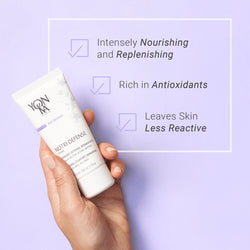
- Moisturize & Protect: Apply Vital Defense Mist. This antioxidant-rich mist helps protect the skin from environmental stressors that can worsen flakiness.
The Evening Ritual: Repair and Replenish
- Double Cleanse: If you wear makeup or sunscreen, cleanse twice with Lait Nettoyant to ensure all residue is removed without stripping the skin.
- Exfoliate (Weekly): Use Gommage Yon-Ka once or twice a week to manage visible flakes.
- Mist: Saturate the skin with Lotion Yon-Ka PS.
- Intensive Treatment: Apply Serum Omega or mix a few drops of Nutri + Booster into your night cream.
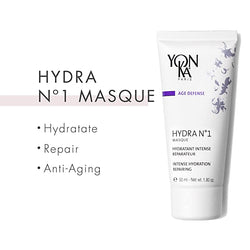
- Night Moisturizer: Apply a generous layer of Hydra N°1 Crème. For an extra boost, you can apply Hydra N°1 Masque and leave it on overnight as a sleeping mask.
When to Seek Professional Advice
While most cases of peeling skin are due to environmental factors or skincare habits, persistent flakiness can sometimes indicate an underlying medical condition.
If you experience any of the following, we recommend consulting a dermatologist:
- Peeling accompanied by intense itching or burning.
- Yellowish crusting or oozing (which may indicate a bacterial infection).
- Scaly patches that do not respond to moisturizing after two weeks.
- Peeling that occurs alongside a fever or widespread rash.
- Persistent redness and "butterfly" shaped scaling across the cheeks and nose.
Professional estheticians can also provide immense relief. A professional Yon-Ka treatment at a local spa often includes intensive hydration steps and professional-only masks that provide a level of repair that is difficult to achieve at home. You can find a certified partner near you using our Spa Locator.
Lifestyle Adjustments to Prevent Future Peeling
Skincare is only one piece of the puzzle. To keep your skin from peeling in the long term, consider these simple environmental adjustments:
- Invest in a Humidifier: Running a humidifier in your bedroom at night can help maintain an ideal moisture level in the air (between 40% and 60%), preventing the air from "stealing" moisture from your skin while you sleep.
- Lower the Temp: Switch from hot showers to lukewarm ones. Your skin's barrier will thank you.
- Sun Protection: UV damage is a silent catalyst for peeling. Wear a broad-spectrum SPF every day, even when it is cloudy or cold outside.
- Stay Hydrated and Nourished: While not an overnight fix, a diet rich in healthy fats (like walnuts, flaxseeds, and fatty fish) provides the building blocks your body needs to produce high-quality sebum.
The Science of Phyto-Aromatic Care
Our approach at Yon-Ka is unique because we combine the therapeutic power of plants with pharmaceutical-grade rigor. The Quintessence at the heart of our formulas isn't just for the scent; it's a precisely balanced complex designed to stabilize the skin. Lavender provides soothing properties, while rosemary and thyme offer purifying benefits. Cypress and geranium help to support the skin's natural tone and resilience.
When you use our products, you aren't just applying a cream; you are engaging in a 70-year tradition of French skincare expertise. This "phyto-aromatic" synergy helps to lower the skin's stress levels, which is often a hidden factor in chronic dryness and peeling. By calming the mind and the skin simultaneously, we create an environment where healing can happen naturally.
Bottom line: Healing peeling skin is about a return to gentleness. Stop the "scrubbing" mentality and replace it with a "replenishing" ritual that focuses on pH balance, deep hydration, and lipid restoration.
Conclusion
Getting rid of dry, peeling skin on the face is a journey that requires patience and the right botanical tools. By stepping away from harsh chemicals and embracing a ritual-based approach, you can restore your skin's natural barrier and reveal the smooth, glowing complexion hidden beneath the flakes. Remember that your skin is a living organ that responds best to consistent, nurturing care.
- Gentle Cleansing: Always start with a milk-based cleanser to preserve lipids.
- Damp Application: Apply serums and mists to damp skin to trap extra moisture.
- Grain-Free Exfoliation: Avoid scrubs and use botanical gommage to remove flakes safely.
- Barrier Support: Prioritize omegas and hyaluronic acid for long-term repair.
At Yon-Ka Paris, we remain committed to the belief that skincare should be a moment of wellness, grounded in 70 years of phyto-aromatic innovation. Our mission is to provide you with the professional-grade solutions needed to navigate every skin concern with confidence. If you are unsure which products are best for your unique needs, we invite you to take our Skin Diagnosis quiz or use the Product Matcher on our website to find your perfect botanical match.
"Skincare is not just a routine; it is a ritual of self-care that begins with respecting the skin's natural wisdom and ends with a radiant sense of wellbeing."
FAQ
Can I use a face scrub to get rid of peeling skin?
We recommend avoiding physical scrubs with grains or beads, as they can cause micro-tears and further irritate the compromised barrier. Instead, use a grain-free exfoliator like Gommage Yon-Ka, which gently dissolves the bonds of dead skin cells without the need for abrasive friction.
How long does it take for facial peeling to stop?
If the peeling is caused by a mild environmental factor or a new product, it typically resolves within 3 to 7 days once you switch to a gentle, hydrating ritual. For deeper barrier damage, it may take a full skin cycle—roughly 28 days—to see a complete return to a smooth, healthy texture.
Should I pull off the skin that is already peeling?
You should never manually pull or "peel" the skin off your face, as this can pull away cells that are not yet ready to shed, leading to raw spots, scarring, or hyperpigmentation. It is better to use a hydrating mask like Hydra n°1 Masque to soften the flakes and let them fall away naturally during your regular cleansing.
Why is my skin peeling even though I use a heavy moisturizer?
If you are applying a heavy, oil-based cream to skin that is dehydrated (lacking water), the oil will simply sit on top and won't fix the underlying issue. You likely need a humectant serum containing hyaluronic acid to draw water into the skin before sealing it in with your moisturizing cream.