Table of Contents
- Introduction
- The Science of the Shed: Why Your Face Flakes
- How to Get Dry Flaky Skin Off Face Safely
- The Phyto-Aromatic Ritual for Flake-Free Skin
- Key Ingredients for Repairing the Moisture Barrier
- Habits That Exacerbate Flaky Skin
- Seasonal Adjustments for Persistent Flakiness
- Professional Care for Deep Renewal
- Conclusion
- FAQ
Introduction
There is a specific kind of frustration that comes with catching your reflection in the afternoon and noticing small, persistent flakes around your nose or cheeks. Whether it is a seasonal shift, a reaction to a new environment, or simply a sign that your skin is struggling to keep up with its natural renewal process, flaky skin can feel uncomfortable and look uneven under makeup. At Yon-Ka Paris, we believe that addressing flakiness is not about aggressive scrubbing, but rather about supporting the skin’s delicate ecosystem through a combination of gentle exfoliation and profound hydration.
This guide will explore the biological reasons behind flakiness, the most effective phyto-aromatic methods to remove dead skin cells safely, and the ritualistic steps you can take to prevent their return. By understanding the balance between exfoliation and barrier repair, you can transform a rough, dull texture into a soft, luminous glow. We will provide a step-by-step approach to restoring your skin's vitality using time-tested botanical science.
Quick Answer: To get dry flaky skin off your face, use a grain-free, enzymatic exfoliator like Gommage Yon-Ka to lift dead cells without irritation. Follow immediately with a hydrating mist and a moisturizer that supports the skin barrier to help prevent future flaking.
The Science of the Shed: Why Your Face Flakes
To understand how to get dry flaky skin off your face, we must first look at how the skin functions. Our skin is in a constant state of renewal, a process called desquamation. In a healthy cycle, new skin cells are born in the deeper layers and travel to the surface over approximately 28 to 30 days. Once they reach the top, these cells should naturally detach and fall away, making room for the fresh, hydrated cells beneath.
When this cycle is disrupted, dead skin cells cling to the surface. They pile up, lose their moisture, and become visible as flakes. This disruption is often caused by a compromised moisture barrier—the outermost layer of the skin composed of lipids and skin cells. When this barrier is weakened, moisture evaporates, leaving the surface brittle and prone to peeling.
Dry Skin vs. Dehydrated Skin
It is a common misconception that all flaky skin is dry. In the world of professional skincare, we distinguish between dry skin, a skin type lacking oil, and dehydrated skin, a temporary condition lacking water.
- Dry Skin: Naturally produces less sebum. This lack of oil means the skin lacks the support that helps the barrier stay intact. It often feels rough and tight all over.
- Dehydrated Skin: Can affect any skin type, including oily skin. It is caused by external factors like weather, air conditioning, or harsh products. Flakes from dehydration often look like fine, crepey lines.
Identifying which one you are experiencing helps determine how to treat it. Dry skin needs lipid-replenishing oils, while dehydrated skin needs water-binding humectants.
How to Get Dry Flaky Skin Off Face Safely
The instinct when seeing flakes is often to scrub them away. However, aggressive physical exfoliation can cause micro-tears in the skin, leading to further inflammation and even more flaking. Instead, we recommend a more sophisticated, French-inspired approach to exfoliation.
The Gentle Power of Enzymatic Exfoliation
Enzymatic exfoliation is a professional favorite because it mimics the skin’s natural shedding process. Instead of using jagged particles to tear away dead skin, enzymes gently dissolve the proteins that act as the glue holding dead cells to the surface.
Our iconic Gommage Yon-Ka is a prime example of this soft-peel method. It is a 4-in-1 botanical scrub that contains no abrasive grains. You apply it as a thin layer, allow it to work for a few moments, and then gently buff it away with your fingertips. This method lifts away every trace of flakiness while simultaneously hydrating and soothing the skin.
When to Use Chemical Exfoliants
Chemical exfoliants, such as Alpha Hydroxy Acids and Beta Hydroxy Acids, use mild acids to lower the skin's pH and dissolve cellular buildup.
- AHAs: These are water-soluble and excellent for surface-level flakiness.
- BHAs: These are oil-soluble and better for those with combination skin where flaking occurs alongside clogged pores.
For a deeper renewal step, products like Serum Vitamine C 20% can support a brighter-looking complexion while fitting into a more advanced routine.
The Risk of Physical Scrubs
While some manual scrubs are safe, many over-the-counter options contain crushed walnut shells, apricot kernels, or large salt crystals. These are too harsh for the delicate skin of the face. If you must use a physical scrub, ensure the beads are perfectly spherical and suspended in a rich, moisturizing base. However, for those already experiencing flaking, we advise moving toward enzymatic or gentle chemical options to avoid aggravating the skin barrier.
The Phyto-Aromatic Ritual for Flake-Free Skin
Addressing flakes is not a one-time event; it requires a consistent ritual that respects the skin’s physiology. By layering products correctly, you ensure that dead skin is removed and the new skin beneath is immediately protected.
Step 1: Gentle, Barrier-Respecting Cleansing
If you have flakes, your cleanser should never leave your skin feeling squeaky clean, which is a sign of a stripped barrier. Use a milk-based cleanser like Lait Nettoyant. This botanical cleansing milk removes impurities and makeup while maintaining the skin’s comfort. Its creamy texture helps to soften flakes even before you reach the exfoliation step.
Step 2: Prepare with a Phyto-Aromatic Mist
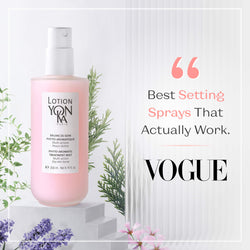
After cleansing, the skin needs to be rehydrated and prepared for treatments. Lotion Yon-Ka PS is a refreshing, invigorating toning mist for dry skin that helps prep the complexion before serum and cream.
Step 3: Target with Specialized Serums
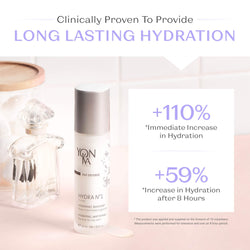
Once the dead skin is cleared, you must feed the new cells. If your skin feels parched and tight, look for a serum rich in hyaluronic acid. Hydra N°1 Serum is designed to comfort dry, dehydrated skin and help restore moisture.
Step 4: Moisturize and Seal
The final step is to apply a moisturizer that provides a protective seal. For intense flaking, a rich cream that supports hydration is an essential ally. Apply your moisturizer to slightly damp skin so it can help trap water underneath the cream.
Key Ingredients for Repairing the Moisture Barrier
To keep flakes away for good, your skincare wardrobe should include ingredients that mimic and support the skin’s natural lipids.
- Hyaluronic Acid: A powerful humectant that helps the skin look plumper and more hydrated.
- The Yon-Ka Quintessence: This core blend of five essential oils provides more than just a beautiful scent. Learn more on our ingredients page.
- Vegetal Glycerin: A classic but highly effective ingredient that draws water into the skin’s outer layer.
- Omega Fatty Acids: Found in plant oils, these help reinforce the skin’s lipid layer. Serum Omega is a nourishing option when skin feels especially dry or wind-burned.
Habits That Exacerbate Flaky Skin
Sometimes, how we live is just as impactful as what we put on our skin. If you are struggling with how to get dry flaky skin off your face, consider if these common habits are working against you.
Excessive Heat
Hot water is one of the fastest ways to strip the skin of its natural oils. While a steaming shower feels wonderful in the winter, it can leave your face parched and peeling. Always wash your face with lukewarm or cool water. Similarly, sitting too close to a fireplace or a space heater can rapidly dehydrate the skin.
Picking and Peeling
It is incredibly tempting to peel off a loose flake of skin, but this is a mistake. When you pull at a flake, you often take live skin cells with it that are not ready to shed. This creates a small wound, leading to redness, potential scarring, and more flaking as the skin tries to heal the trauma. Let your exfoliator do the work of lifting the cells gently.
Over-using Retinoids or Acne Treatments
Powerful actives like retinol and benzoyl peroxide are fantastic for aging and acne, but they can cause significant peeling if introduced too quickly. If your skin is flaking from a treatment, reduce the frequency of application and increase your use of barrier-supporting care.
Note: When introducing any new active product or an essential-oil-rich formula, we recommend a patch test on your inner forearm for 24 hours. Introduce only one new product at a time to monitor how your skin responds.
Seasonal Adjustments for Persistent Flakiness
Our skin’s needs change with the calendar. A routine that works in the humid summer may not be enough to prevent flaking in the dry winter.
Winter Protection
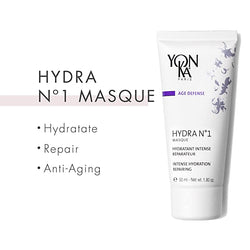
In the winter, the combination of cold outdoor air and dry indoor heating creates a moisture vacuum. This is the most common time for facial flaking. Switch to richer textures and consider adding an overnight mask. Hydra N°1 Masque can be applied in a thin layer and left on overnight as a rejuvenating bath for the skin.
Summer Hydration
Summer flakiness is often the result of sun damage or chlorine from pools. UV rays can damage the skin’s moisture barrier, leading to peeling even if you do not have a visible burn. Always use a broad-spectrum SPF and rinse your face immediately after swimming to remove drying chemicals. Vital Defense Mist is a lightweight option for repeated layering when the skin needs a fresh, protective feel.
Professional Care for Deep Renewal
While home rituals are the foundation of healthy skin, professional treatments can provide a level of exfoliation and hydration that is difficult to achieve alone. A professional esthetician can use high-concentration botanical peels and specialized massage techniques to lift away stubborn flakiness and reset your moisture levels.
If you find that home treatments are not enough to manage your skin’s texture, use our Spa Locator to find a Yon-Ka partner professional near you. A treatment like our “Le Grand Classique” provides a deep-cleaning, healing, and relaxing experience that addresses the root causes of flakiness.
Bottom line: Flaky skin is a sign that your skin’s natural exfoliation and hydration systems are out of balance. By using gentle, grain-free exfoliators and deeply hydrating botanical creams, you can safely remove flakes and restore a smooth, healthy appearance.
Conclusion
Managing dry, flaky skin on the face requires a shift in perspective—from scrubbing to supporting. By replacing harsh physical exfoliants with gentle formulas like Gommage Yon-Ka and prioritizing barrier-supporting ingredients like hyaluronic acid and the Quintessence, you can achieve lasting smoothness without irritation. Remember that consistency is key; a dedicated ritual of cleansing, toning, and moisturizing will protect your skin from the environmental and internal factors that cause flakiness.
At Yon-Ka Paris, our mission is to provide your skin with the botanical strength it needs to thrive. We believe that every skincare moment should be a sensory experience that delivers professional results. If you are unsure which products are right for your specific skin type, we invite you to take our Skin Diagnosis quiz or use the Product Matcher on our website. Embracing the power of plants and 70 years of phyto-aromatic expertise is the first step toward a complexion that feels as good as it looks.
FAQ
Can I use a washcloth to scrub off flakes?
While a soft washcloth can provide very mild physical exfoliation, it is easy to apply too much pressure and irritate the skin. It is much safer and more effective to use an enzymatic exfoliant that dissolves the bonds between dead cells without the need for mechanical friction.
Why does my skin still flake even after I moisturize?
If you are moisturizing but still seeing flakes, you may be applying cream over a layer of dead skin cells that are blocking absorption. You must gently exfoliate first to remove the barrier of dead cells so your moisturizer can actually reach and hydrate the new skin beneath. If you need a simple starting point, try Lotion Yon-Ka PS before your cream.
Is it okay to exfoliate every day if my skin is very flaky?
No, exfoliating every day can lead to over-exfoliation, which further damages the skin barrier and causes more flaking and sensitivity. For most skin types, exfoliating two to three times a week is sufficient to keep the skin smooth without causing irritation.
Should I see a doctor for flaky skin?
Most cases of flakiness are due to dryness or dehydration and can be managed with proper skincare. However, if your flaking is accompanied by persistent redness, intense itching, weeping, or thick silvery scales, you should consult a dermatologist to rule out conditions like eczema, psoriasis, or seborrheic dermatitis.