Table of Contents
- Introduction
- The Science of Skin Renewal: Why Dead Skin Accumulates
- Identifying Your Skin Type Before Exfoliating
- The Two Pillars of Exfoliation: Chemical vs. Physical
- The Yon-Ka Phyto-Aromatic Approach to Smoothing
- Building a Ritual for Smooth Skin
- Common Mistakes When Dealing With Flaky Skin
- Essential Oil Safety and Best Practices
- The Role of Professional Spa Treatments
- Why Quality Matters in Plant-Based Skincare
- Conclusion
- FAQ
Introduction
Waking up to a complexion that feels rough, looks dull, or causes makeup to pill can be frustrating. That "dusty" appearance or the presence of visible flakes often indicates a buildup of surface cells that haven't quite made their exit. At Yon-Ka Paris, we view this not as a flaw, but as a signal that your skin’s natural renewal process needs a gentle, aromatic nudge. While the body naturally sheds millions of cells daily, environmental stressors, age, and dehydration can cause them to linger. Learning how to get dry dead skin off the face is about more than just scrubbing; it is about restoring the skin's natural rhythm through sophisticated phyto-aromatic care. This article will explore the biological causes of buildup, the safest exfoliation methods for every skin type, and how to refine your ritual for lasting radiance.
Quick Answer: To safely remove dry dead skin, use a combination of gentle enzymatic exfoliation and barrier-supporting hydration. Avoid harsh physical scrubs with jagged particles, and instead opt for grain-free formulas or mild alpha-hydroxy acids (AHAs) that dissolve the bonds between dead cells without causing micro-tears.
The Science of Skin Renewal: Why Dead Skin Accumulates
The human skin is a dynamic, self-renewing organ. In a process known as desquamation, new skin cells are born in the deepest layer of the epidermis and journey toward the surface. By the time they reach the top, they have flattened and lost their nuclei, becoming the protective "bricks" of your skin barrier. Ideally, these cells shed invisibly every 28 to 40 days to make room for fresh ones.
However, this cycle can be easily disrupted. As we age, the cellular "glue" (desmosomes) holding these dead cells together becomes more stubborn, and the signal to shed slows down. External factors like dry indoor heating, cold winter air, and UV exposure can dehydrate the surface, causing cells to clump together rather than fall away. This results in the visible flakiness and rough texture many people struggle to manage.
When dead skin accumulates, it does more than just look dull. It creates a physical barrier that prevents your expensive serums and moisturizers from penetrating. Essentially, you are hydrating a layer of cells that are already "dead," which is why your skin might still feel tight despite using heavy creams.
Identifying Your Skin Type Before Exfoliating
Before reaching for an exfoliant, it is vital to recognize that not all skin handles "removal" the same way. The method you choose must respect your skin’s unique temperament to avoid redness or a compromised barrier.
Dry and Dehydrated Skin
Dry skin lacks oil (sebum), while dehydrated skin lacks water. Both types often experience flakiness. For these individuals, harsh mechanical scrubbing is often the enemy. It can create micro-fissures that allow moisture to escape even faster. A hydrating, enzymatic approach is often best to soften the skin while removing debris. For a closer look at this concern, explore our Dry & Dehydrated Skin collection.
Oily and Blemish-Prone Skin
Oily skin produces excess sebum, which can act like a "trap" for dead skin cells. This mixture often leads to clogged pores and congestion. These skin types can typically handle slightly more frequent exfoliation, often benefiting from oil-soluble ingredients that can dive deep into the pores.
Sensitive and Reactive Skin
If your skin turns red at the mere thought of a scrub, you likely have a thinner or more reactive barrier. At Yon-Ka, we prioritize "soft" chemistry for these types, utilizing botanicals that soothe while they refine, ensuring the skin feels comforted rather than attacked. If this sounds familiar, our Sensitive Skin & Redness collection is a helpful next step.
Combination Skin
Most people fall into this category, with an oily T-zone (forehead, nose, chin) and drier cheeks. This requires a "multimasking" approach to exfoliation—perhaps a stronger treatment on the nose and a gentler, more hydrating one on the cheeks.
The Two Pillars of Exfoliation: Chemical vs. Physical
There are two primary ways to address dead skin buildup. Understanding the difference is key to choosing the right tool for your personal ritual.
Chemical Exfoliation: The Power of Dissolving
Chemical exfoliation doesn't involve "scrubbing" at all. Instead, it uses acids or enzymes to dissolve the protein bonds that keep dead skin cells attached to the surface.
- Alpha-Hydroxy Acids (AHAs): Ingredients like glycolic acid and lactic acid are water-soluble. They work on the skin's surface to improve texture and tone. Lactic acid is particularly beloved in our French laboratories for its ability to hydrate while it exfoliates.
- Beta-Hydroxy Acids (BHAs): Salicylic acid is the most common BHA. Because it is oil-soluble, it can penetrate into the pore itself to clear out dead skin and sebum, making it excellent for those with blackheads or occasional breakouts.
- Enzymes: Derived from fruits like pineapple (bromelain) or papaya (papain), enzymes are the gentlest form of chemical exfoliation. They "digest" the dead protein of the surface cells without affecting the healthy living cells underneath.
Physical Exfoliation: The Manual Approach
This involves physically lifting the skin cells away using a tool or a textured substance.
- The Risks of Scrubs: Many mass-market scrubs use crushed nutshells or seeds. These particles have jagged edges that can cause micro-tears in the skin, leading to long-term sensitivity and inflammation.
- Gentle Alternatives: A soft, damp washcloth or a professional-grade silicone brush can provide gentle physical stimulation. However, the most sophisticated physical exfoliation involves "peeling" formulas that use soft botanical fibers to lift away debris without abrasion. If you prefer this approach, start with our Face Exfoliators selection.
The Yon-Ka Phyto-Aromatic Approach to Smoothing
We believe that exfoliation should be a sensorial experience that respects the skin’s integrity. Our heritage in professional spa treatments has taught us that "more" is not always "better" when it comes to acids and scrubs.
The foundation of our smoothing products is the Quintessence—our exclusive complex of lavender, geranium, rosemary, cypress, and thyme. These essential oils provide more than just a beautiful scent; they help to purify and revitalize the appearance of the skin, making the exfoliation process more effective. To learn more about the philosophy behind this approach, visit Our Ingredients.
For those wondering how to get dry dead skin off the face without the irritation of grains, we often recommend a "gommage" style exfoliant. Gommage Yon-Ka is a unique, grain-free, 4-in-1 botanical "peel." It uses carob and citrus extracts to gently hydrate and lift dead skin. You apply it as a thin layer, let it set slightly, and then use your fingertips to "roll" the product off. As the cream rolls away, it takes the dead skin with it, leaving the face looking bright and feeling incredibly soft.
Building a Ritual for Smooth Skin
Removing dead skin isn't a one-time event; it is a consistent practice. Here is how to weave it into a professional-level home ritual.
Step 1: Respectful Cleansing
Never exfoliate on top of makeup or daily grime. Start with a gentle cleanser like Lait Nettoyant. This cleansing milk maintains the skin's pH and lipid balance, ensuring that the skin is prepped but not stripped before you begin your exfoliation step.
Step 2: The Phyto-Aromatic Mist
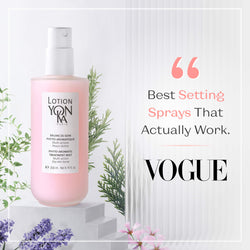
After cleansing, mist your face with Lotion Yon-Ka. This alcohol-free toner is the "DNA" of our brand. It hydrates and optimizes the skin, making it more receptive to the exfoliating agents. Exfoliating slightly damp skin often allows for a more even application. You can also read more about this icon in our Product Spotlight: Lotion Yon-Ka.
Step 3: Targeted Exfoliation
This is where you choose your "remover."
- For a Weekly Glow: Use Gommage Yon-Ka once or twice a week. It is gentle enough even for the eyelids and neck, areas often neglected but prone to dryness.
- For Intensive Overnight Renewal: If you prefer a chemical approach, Glyconight 10% Masque can be used. This high-concentration glycolic acid mask works while you sleep to refine the appearance of wrinkles and skin texture, revealing a fresh glow by morning. If you want a broader selection, browse our Masks collection.
Step 4: Replenishing Moisture
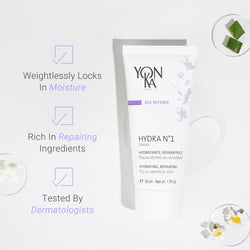
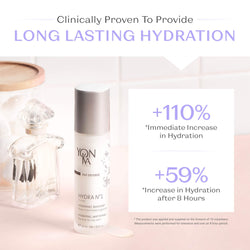
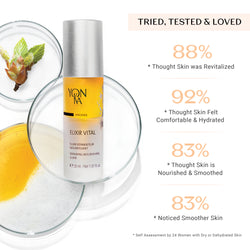
Once the dead skin is removed, your fresh "new" skin is highly absorbent but also vulnerable. It is critical to seal it immediately. Use a deeply hydrating treatment like Hydra N°1 Creme or Serum Omega. This ensures that the newly revealed cells stay plump and protected, preventing the cycle of dryness from starting all over again. For more options, explore our Moisturizers collection or Serums & Elixirs.
Key Takeaway: Exfoliation is a two-part process: removing the old and protecting the new. Without immediate hydration and sun protection, exfoliation can lead to increased dryness and sensitivity.
Common Mistakes When Dealing With Flaky Skin
In the quest for smooth skin, it is easy to overdo it. Here are the most common pitfalls to avoid:
Mistake 1: Scrubbing Active Breakouts If you have inflamed acne, physical scrubbing can spread bacteria and cause further irritation. Stick to gentle BHAs or enzymes.
Mistake 2: Over-Exfoliating Exfoliating every day can strip the moisture barrier, leading to "over-processed" skin that looks shiny but feels tight and sensitive. For most, 1–3 times a week is the "sweet spot."
Mistake 3: Forgetting the Sunscreen Freshly exfoliated skin is more susceptible to UV damage. Always follow your morning ritual with a broad-spectrum SPF to protect your investment and prevent dark spots. If discoloration is already a concern, our Dark Spots collection can help guide your next step.
Mistake 4: Using Body Scrubs on the Face The skin on your face is significantly thinner than the skin on your legs or elbows. Never use a body scrub—which often contains coarse salt or sugar—on your delicate facial tissue. For exfoliation beyond the face, look at our Body Scrubs & Exfoliants.
Essential Oil Safety and Best Practices
Because our formulas are highly active and enriched with 100% pure essential oils, we always recommend a mindful approach to new products.
- The Patch Test: When introducing a new active like glycolic acid or a concentrated essential oil blend, apply a small amount to your inner forearm. Wait 24 hours to ensure your skin welcomes the ingredients.
- The "Slow and Steady" Rule: Introduce one new exfoliating product at a time. This allows you to accurately monitor how your skin responds.
- Sensory Cues: A slight, brief tingling can be normal with active botanical ingredients. However, if you experience persistent redness, stinging, or heat, rinse the product off with cool water and reduce the frequency of use.
The Role of Professional Spa Treatments
While a home ritual is essential, there is no substitute for the expertise of a licensed esthetician. Professional treatments often use higher concentrations of actives or specialized tools like dermaplaning or microdermabrasion in a controlled environment.
In a Yon-Ka professional treatment, an esthetician can perform a deep "le gommage" or a professional peel that targets your specific concerns—be it dark spots, fine lines, or stubborn congestion. If you feel your skin has hit a plateau, we encourage you to use our Spa Locator to find a professional who can provide a deeper level of skin renewal, or explore Spa Treatments for a closer look at what’s available.
Why Quality Matters in Plant-Based Skincare
Not all botanical skincare is created equal. At Yon-Ka, our formulas are the result of over 70 years of pharmaceutical rigor and phyto-aromatic expertise. We use over 130 land and sea plants, prioritizing organic and vegan ingredients whenever possible. To see how that approach shapes our skincare, visit Our Story.
Our 100% French production ensures that every bottle of Gommage Yon-Ka or Glyconight 10% Masque meets the highest standards of safety and efficacy. By excluding parabens, SLS, and known endocrine disruptors, we provide a path to smooth skin that honors your overall well-being.
Conclusion
Getting dry dead skin off your face is a journey of refining and replenishing. By moving away from harsh, abrasive methods and embracing the sophisticated power of enzymes, AHAs, and botanical "peels," you can maintain a complexion that looks vibrant and feels healthy. Remember that consistency is your greatest ally; a dedicated weekly ritual will always outperform a sporadic, aggressive treatment.
For those who are unsure where to begin their journey toward smoother skin, we invite you to take our Skin Diagnosis quiz or use our Product Matcher. These tools help translate your unique concerns into a personalized phyto-aromatic program.
At Yon-Ka Paris, we remain committed to the belief that skincare is a ritual worth savoring. Rooted in the power of nature and 70 years of French expertise, our mission is to help you achieve not just a glow, but a lasting sense of skin health and harmony.
Key Takeaway: The most effective way to remove dead skin is through "grain-free" methods that preserve the skin's moisture barrier while stimulating cellular turnover.
FAQ
How often should I remove dead skin from my face?
For most skin types, exfoliating one to three times per week is ideal. If you have very sensitive skin, once a week with a gentle enzymatic formula like Gommage Yon-Ka is usually sufficient, while those with oily skin may benefit from up to three sessions a week using a BHA or a refining mask. If you want a more personalized path, the Dry & Dehydrated Skin collection can help you narrow it down.
Can I use a washcloth to get dead skin off?
A soft, clean washcloth can be a gentle way to physically exfoliate, but you must be careful not to rub too hard. Always use lukewarm water and follow up immediately with a hydrating toner and moisturizer to soothe the skin and prevent the barrier from becoming compromised.
Why does my skin look flaky even after I exfoliate?
This often happens because the skin is dehydrated rather than just "dry." If you remove the dead skin but don't replenish the moisture underneath, the new cells will quickly dry out and flake again. Ensure you are using a high-quality moisturizer like Hydra N°1 Creme after every exfoliation session.
Is it better to exfoliate in the morning or at night?
Exfoliating at night is generally preferred because it allows your skin to recover and regenerate while you sleep. Furthermore, many exfoliating acids make the skin more sensitive to the sun, so applying them in the evening reduces the risk of UV-induced irritation, provided you apply SPF the following morning. If you’d like a treatment-focused approach, explore our Fine Lines, Wrinkles & Firmness collection.