Table of Contents
- Introduction
- Understanding the "Skin Burn": Why Your Face Is Reacting
- Immediate "First Aid" for Burning Skin
- The Science of Phyto-Aromatic Relief
- A Targeted Ritual to Fix Dry Burning Skin
- Ingredients to Look For and Those to Avoid
- Lifestyle Adjustments for Barrier Health
- When to Consult a Professional
- Long-Term Maintenance: Preventing the Return of the Burn
- Conclusion
- FAQ
Introduction
The sensation of dry, burning skin on your face is more than just a discomfort; it is an urgent plea for help from your skin barrier. Whether it is triggered by the biting chill of winter air, the drying effects of central heating, or a reaction to an aggressive new skincare product, that prickly, stinging heat can make even the simplest routine feel like a challenge. At Yon-Ka Paris, we understand that finding relief requires a delicate balance of soothing botanical care and scientifically backed barrier repair.
In this guide, we will explore the root causes of why skin reacts with a burning sensation and provide a professional, ritual-based approach to restoring comfort and suppleness. We will discuss the specific ingredients that quench dehydration and the botanical elixirs that calm the appearance of irritation. Our goal is to help you transform a reactive complexion into one that feels resilient and cocooned in moisture.
For a focused starting point, explore our Dry & Dehydrated Skin collection.
Quick Answer: Fixing dry burning skin requires an immediate halt to all "active" ingredients—such as retinoids or exfoliating acids—and a focus on barrier repair. Switch to a gentle, milk-based cleanser, mist with a soothing phyto-aromatic toner, and apply a lipid-rich serum followed by an intensive moisturizer to replenish the skin's protective shield and lock in hydration.
Understanding the "Skin Burn": Why Your Face Is Reacting
When your skin feels like it is burning, it is typically a sign that your acid mantle—the skin’s natural protective barrier—has been compromised. This barrier is a complex film made of lipids, ceramides, and natural oils that sit on the surface of the epidermis. Its primary job is to act as a shield, keeping vital moisture inside while blocking environmental irritants and pollutants from entering.
When this shield is weakened, you experience transepidermal water loss (TEWL). This is a process where the water inside your skin evaporates into the air, leaving the deeper layers parched and vulnerable. As the skin dries out, micro-cracks can form in the surface. When the air or skincare products reach the exposed nerves beneath these cracks, the result is that telltale burning or stinging sensation.
The Impact of Environmental Stressors
Living in a climate with extreme seasonal shifts often leads to skin distress. In the winter, low humidity levels and freezing winds strip the skin of its natural moisture. When you step inside a heated building, the dry, warm air continues the dehydration process. This "thermal shock" can leave the face feeling tight, scaly, and highly reactive.
The Over-Exfoliation Trap
In the modern pursuit of a "glow," many people inadvertently damage their skin by over-using active ingredients. Alpha hydroxy acids (AHAs), beta hydroxy acids (BHAs), and retinols are powerful tools for skin renewal, but when used too frequently or in too high a concentration, they can thin the protective layer of the skin. If your face burns when you apply even a basic moisturizer, it is often a sign that you have stripped away your natural defenses.
Biological and Internal Factors
As we age, our skin naturally produces fewer lipids and less sebum. This makes mature skin inherently more susceptible to dryness and sensitivity. Hormonal shifts, such as those occurring during menopause or pregnancy, can also influence how well the skin retains water. Without sufficient natural oils to lubricate the surface, the skin loses its flexibility and becomes more prone to the appearance of redness and irritation.
Immediate "First Aid" for Burning Skin
If your skin is currently in a state of distress, the first step is to simplify. Think of this as a "skincare fast." You must remove anything that could potentially further irritate the barrier and focus entirely on calming the appearance of inflammation.
- Stop All Actives: Immediately pause the use of any exfoliating acids, vitamin C serums, and retinoids. Give your skin at least seven to ten days to focus on repair.
- Lower the Temperature: Wash your face with lukewarm or even cool water. Hot water dissolves the precious lipids that remain on your skin, worsening the burn.
- Gentle Drying: Never rub your face with a towel. Instead, gently blot the skin dry with a soft, clean cloth.
- Skip the Tools: Avoid using facial brushes, loofahs, or even rough washcloths until the burning sensation has completely subsided.
To support this reset, start with a gentle cleanser like Lait Nettoyant.
Note: When introducing new botanical products to a sensitive or burning face, always perform a patch test on your inner forearm. Wait 24 hours to ensure your skin welcomes the active plant extracts before applying them to your face.
The Science of Phyto-Aromatic Relief
Our approach to skin health is rooted in phytotherapy (the use of plant extracts) and aromatherapy (the use of essential oils). For dry, burning skin, these two sciences work in harmony to provide both physical repair and a sensorial calming effect.
At the heart of our formulations is the Quintessence. This exclusive complex is a blend of five essential oils: lavender, geranium, rosemary, cypress, and thyme. Each oil is chosen for its specific properties. Lavender, for instance, is renowned for its ability to soothe the appearance of skin irritation and promote a sense of calm. When these oils are combined in precise, professional concentrations, they support the skin’s natural healing environment without the harshness of synthetic substitutes.
To learn more about the philosophy behind these formulas, visit Our Formulas.
A Targeted Ritual to Fix Dry Burning Skin
To fix dry skin that burns, you cannot rely on a single product. You need a layered ritual that addresses both the lack of oil (dryness) and the lack of water (dehydration).
Step 1: Gentle, Barrier-Respecting Cleansing
The goal of cleansing during a flare-up is to remove impurities without disturbing the hydro-lipidic film. Avoid foaming cleansers or gels that contain Sodium Lauryl Sulfate (SLS), as these can be too stripping.
Instead, reach for a milk-based cleanser like Lait Nettoyant. This silky cleansing milk is designed to respect the skin's natural balance. It uses plant-based cleansing agents to lift away makeup and pollution while leaving a soft, protective veil of moisture on the skin.
Step 2: The Foundation of Hydration
Once the skin is clean, it is essential to re-acidify the surface and provide an immediate dose of botanical goodness. Lotion Yon-Ka PS is our iconic phyto-aromatic mist formulated specifically for dry and sensitive skin.
Unlike traditional toners that can be drying, this "healing water" is alcohol-free and infused with the Quintessence and vegetable glycerin. It quenches the skin’s thirst and prepares the epidermis to better absorb the serums and creams that follow. Misting the face provides an instant cooling sensation that helps quiet the burning feeling.
Step 3: Lipid Replenishment (The Oil Fix)
If your skin is burning, it likely lacks the "glue" (lipids) that holds skin cells together. Serum Omega is a powerhouse for this specific concern. This oil-in-serum is rich in omega 3, 6, and 9 fatty acids derived from botanical sources like sacha inchi oil and pomegranate. By applying these lipids, you are essentially "patching" the holes in your skin barrier, which prevents further water loss and stops the sting of environmental exposure.
Step 4: Intensive Moisture (The Water Fix)
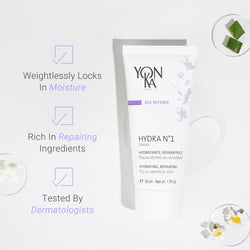
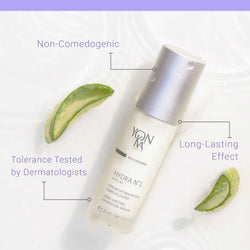
While oils repair the barrier, you still need to infuse the skin with water. Hydra n°1 Crème is an intensive repair cream designed for dehydrated, sensitive skin. It utilizes two molecular weights of hyaluronic acid. The high-molecular-weight version sits on the surface to smooth and protect, while the low-molecular-weight version works deeper to plump the appearance of the skin.
Key Takeaway: To fix burning skin, you must address both oil and water. Use a lipid-rich serum to repair the barrier and a hyaluronic acid-based cream to rehydrate the deeper layers.
Ingredients to Look For and Those to Avoid
When your skin is reactive, reading the ingredient label becomes a critical skill. You want to look for ingredients that mimic the skin’s natural composition.
Ingredients to Embrace
- Hyaluronic Acid: A humectant that can hold up to 1,000 times its weight in water. It is essential for pulling moisture into the skin.
- Squalane: A plant-derived lipid that mimics the skin's natural sebum, providing excellent emollient properties without feeling heavy.
- Shea Butter: A rich source of fatty acids that creates a protective "cocoon" over dry, chapped areas.
- Ceramides: These are natural fats that make up over 50% of your skin barrier. Replenishing them is key to ending the burning sensation.
- Aloe Vera: Known for its cooling and soothing properties, it is excellent for immediate relief.
Ingredients to Avoid
- Denatured Alcohol: Often found in toners, it can dissolve the skin’s protective oils.
- Synthetic Fragrance: One of the most common triggers for skin sensitivity and burning.
- Harsh Sulfates: Ingredients like SLS can be too aggressive for a compromised barrier.
- High-Strength Acids: Glycolic or salicylic acids should be avoided until the skin is fully healed.
For a closer look at the ingredients behind our phyto-aromatic approach, see Our Ingredients.
Myth: "Essential oils always irritate sensitive skin." Fact: While pure, undiluted essential oils can be irritating, professional phyto-aromatic formulas (like those at Yon-Ka) use precise, pharmaceutical-grade concentrations. When correctly balanced, botanical oils like lavender and geranium are highly effective at soothing the appearance of reactive skin.
Lifestyle Adjustments for Barrier Health
Fixing dry burning skin isn't just about what you put on your face; it’s also about the environment you live in. Small changes to your daily habits can significantly speed up the recovery of your skin barrier.
- Invest in a Humidifier: If you live in a dry climate or use central heating, a humidifier adds moisture back into the air. This reduces the amount of water your skin loses to the atmosphere while you sleep.
- Stay Hydrated from Within: While drinking water doesn't directly moisturize the surface of your skin, overall hydration supports the health of all your cells, including those in the dermis.
- Protect Against the Elements: In cold weather, wear a scarf that can be pulled up over your face to block the wind. In the sun, always wear a mineral-based sunscreen, as UV damage further weakens the barrier.
- Laundry Care: Use fragrance-free, hypoallergenic detergents. Sometimes the burning on your face (especially near the cheeks) can be caused by residual chemicals on your pillowcase.
When to Consult a Professional
While most cases of dry burning skin can be managed with a dedicated phyto-aromatic ritual, there are times when professional intervention is necessary. If your skin is persistently red, shows signs of swelling, or has yellow crusting, you should consult a physician or a dermatologist.
For those who simply cannot get their dryness under control, a professional spa treatment can offer a much-needed reset. Many Yon-Ka Paris treatments were born in the professional treatment room to address extreme sensitivity and dehydration. A trained aesthetician can use tools like the Lucas Championnière—a unique device that creates a very fine, lukewarm aromatic mist—to infuse the skin with moisture without any mechanical irritation. You can use our Spa Treatments page to learn more, or find a Yon-Ka spa near you.
If you are unsure what your skin needs, take our Skin Diagnosis quiz.
Long-Term Maintenance: Preventing the Return of the Burn
Once your skin feels calm and the burning has subsided, the goal shifts to maintenance. You don't want to revert to the same habits that caused the distress in the first place.
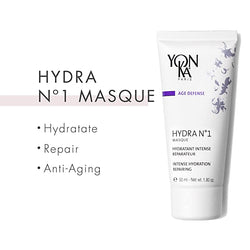
The Weekly Masking Ritual Incorporate an overnight hydrating mask, such as Hydra n°1 Masque, into your weekly routine. Applying a thin layer before bed once or twice a week provides a sustained release of vitamins A, C, and E, alongside high concentrations of hyaluronic acid. This acts as a "safety net" for your skin, ensuring it stays well-hydrated even during stressful weeks. You can also browse more options in our Face Masks collection.
Introducing Actives Gradually When you are ready to reintroduce exfoliating products, start slowly. Instead of a harsh scrub, consider a grain-free exfoliator like Gommage Yon-Ka. This professional-strength peel uses carob and lime essential oil to gently lift away dead skin cells without the need for abrasive rubbing or stinging acids. It is the perfect way to maintain a glow while respecting a delicate barrier. For more texture-refining options, explore our Exfoliators collection.
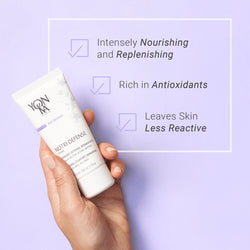
Seasonal Shifts Switch your moisturizer as the seasons change. You might use a lighter fluid in the humid summer months, but as soon as the leaves turn, transition to a richer cream like Nutri-Defense or Hydra n°1 Crème to provide the extra protection needed against the cold. If your skin is especially reactive, our Sensitive Skin & Redness collection is a helpful place to compare options.
Key Takeaway: Consistency is the enemy of sensitivity. A steady, gentle ritual is far more effective for long-term skin health than chasing "miracle" results with aggressive products.
Conclusion
Fixing dry burning skin on the face is a journey of restoration and respect. By understanding that the burning sensation is a call for barrier repair, you can move away from irritation and toward a state of lasting comfort. At Yon-Ka Paris, we believe that the power of nature, combined with 70 years of phyto-aromatic expertise, offers the most profound path to skin resilience.
Remember to listen to your skin’s signals, prioritize gentle cleansing, and never skip the essential step of lipid replenishment. Your skincare routine is more than just a set of products; it is a ritual worth savoring—one that honors your skin's heritage and its future.
If you want a more personalized starting point, use the Product Matcher or browse About Us to learn more about our heritage.
- Stop all active irritants immediately.
- Replenish both water and lipids with a layered ritual.
- Protect your skin from environmental stressors like wind and dry air.
- Perform a patch test before introducing new botanical formulas.
Embracing the power of plants today will help you achieve the supple, radiant, and comfortable complexion you deserve.
"True beauty is found in the balance between professional efficacy and the gentle wisdom of nature."
FAQ
Why does my face burn when I apply a simple moisturizer?
This typically occurs because your skin barrier is compromised, allowing the ingredients in the moisturizer to reach the sensitive nerves beneath the surface. When the protective shield of lipids is broken, even benign ingredients can cause a stinging sensation. To fix this, focus on repairing the barrier with a lipid-rich serum like Serum Omega before applying your cream.
How long does it take to fix a compromised skin barrier?
While you may feel immediate relief from using soothing products like Lotion Yon-Ka PS, a full barrier repair usually takes between 14 to 28 days. This is the typical timeframe for a full skin cell turnover cycle. During this period, it is crucial to remain consistent with your gentle ritual and avoid all harsh exfoliants or "active" ingredients.
Should I exfoliate my face if it is dry and burning?
No, you should never use physical scrubs or chemical acids while your skin is in a state of "burning." While it may be tempting to "scrub away" flaky skin, this will only further damage the barrier and worsen the irritation. Instead, focus on hydration and lipid repair; once the barrier is healthy, the flakes will naturally resolve.
Can central heating cause my skin to burn?
Yes, central heating significantly lowers indoor humidity, which can lead to rapid transepidermal water loss (TEWL). As your skin loses moisture to the dry air, it becomes brittle and reactive, leading to a burning sensation. Using a humidifier in your home and applying an occlusive moisturizer like Hydra n°1 Crème can help protect your skin from this environmental stress.