Table of Contents
- Introduction
- Understanding the Nature of Oily Skin
- The Pitfall of Over-Cleansing
- The Core Phyto-Aromatic Ritual for Oily Skin
- Key Botanical Ingredients for Sebum Control
- Weekly Treatments: The Deep Cleanse
- Lifestyle and Environmental Factors
- Professional Care for Lasting Balance
- Building Your Personalized Routine
- Conclusion
- FAQ
Introduction
Waking up to a complexion that feels heavy or seeing a persistent midday shine can feel like a constant battle against your own biology. For many, the instinct is to fight back with harsh soaps and aggressive scrubs, hoping to "strip" the oil away. However, learning how to deal with oily face skin requires a shift in perspective—from one of conflict to one of balance. At Yon-Ka Paris, we believe that oily skin isn’t a flaw to be erased, but a skin type that requires specific botanical harmony to reach its most radiant state. By understanding why your skin produces excess sebum and adopting a ritual that respects your skin barrier, you can transform a greasy appearance into a healthy, sophisticated glow. This post explores the science of oil production, the essential ingredients for regulation, and the steps to build a sustainable phyto-aromatic routine.
Understanding the Nature of Oily Skin
To manage oil effectively, we must first understand what it is and why it exists. Sebum, the oily substance produced by your sebaceous glands, is actually a vital part of your skin’s health. It consists of lipids that lubricate the skin, lock in moisture, and provide a protective shield against environmental stressors.
The Role of the Sebaceous Glands Sebaceous glands are located all over the body but are most concentrated on the face and scalp. When these glands become overactive, they produce more sebum than the skin needs to remain supple. This excess oil can collect in pores, leading to a shiny appearance, a heavy skin feel, and occasionally, the appearance of congestion or enlarged pores.
Why Is My Skin So Oily? Several factors contribute to an overproduction of oil. Genetics play a significant role; if your parents had oily skin, you likely will too. Hormonal fluctuations are another major driver, which is why oiliness often increases during puberty, pregnancy, or periods of high stress. Environmental factors, such as high humidity or heat, can also trigger the glands to work overtime.
Quick Answer: Dealing with oily face skin requires a "less is more" approach that focuses on gentle purification and consistent hydration. Avoid harsh, stripping products that can trigger a rebound effect of even more oil production, and instead use botanical ingredients like cypress and rosemary to balance the skin's appearance.
The Pitfall of Over-Cleansing
The most common mistake made by those with oily skin is the "squeaky clean" trap. When you use aggressive, high-pH cleansers or alcohol-based toners, you strip away the skin's natural acid mantle. This thin, protective film is essential for keeping bacteria out and moisture in.
The Rebound Effect When the skin senses it has been completely stripped of its protective oils, it goes into a "panic mode" and attempts to compensate. This often results in a rebound effect where the sebaceous glands produce even more oil to replace what was lost. You may find that your skin feels tight and dry immediately after washing, only to become excessively greasy just an hour later.
Maintaining the pH Balance Healthy skin is slightly acidic. Maintaining this balance is crucial for keeping the skin’s microbiome in check. A balanced routine focuses on removing excess surface debris and oxidized oil without disturbing the deeper moisture levels. This is why we advocate for soap-free, pH-balanced formulas that cleanse while respecting the skin's integrity.
The Core Phyto-Aromatic Ritual for Oily Skin
Managing oily skin is not about a single miracle product; it is about a consistent, layered ritual. Each step serves a purpose in regulating the look of shine and keeping the pores clear.
Step 1: Gentle, Barrier-Respecting Cleansing
A proper cleansing routine is the foundation of oil management. For oily or combination skin, we often recommend a gel-based cleanser that provides a refreshing, deep-clean sensation without the use of harsh sulfates. Gel Nettoyant is a perfect example, as it uses mild cleansing agents to lift away makeup and impurities while leaving the skin feeling supple.
If your skin feels particularly sensitive or reactive, do not be afraid to use a cleansing milk like Lait Nettoyant. Many people with oily skin avoid milks, fearing they are too heavy, but a high-quality cleansing milk can effectively dissolve oil-based impurities without triggering a stress response from the sebaceous glands.
Step 2: The Power of the Phyto-Aromatic Mist
After cleansing, the skin needs to be rebalanced and prepared for treatment. This is where a botanical mist becomes indispensable. Lotion Yon-Ka PNG (the version specifically formulated for normal to oily skin) is a cornerstone of our philosophy.
This mist is infused with our signature Quintessence—a proprietary blend of five essential oils: lavender, geranium, rosemary, cypress, and thyme. This 100% natural complex works to purify the skin's appearance and provide an immediate sensation of freshness. Because it is alcohol-free, it hydrates the skin while providing the astringent benefits needed to refine the look of pores. To learn more about the ingredients behind this approach, explore our ingredients.
Step 3: Targeted Treatment with Botanical Serums
Serums are designed to deliver concentrated ingredients deep into the skin's surface. For those dealing with excess oil and the occasional blemish, look for ingredients that support skin clarity. For help choosing the right formula, see our serum guide.
While Vitamin C is often associated with brightening, it is also a powerful antioxidant that helps protect oily skin from the oxidative stress that can lead to clogged pores. Serum Omega can help support a more comfortable, balanced-feeling complexion without adding heaviness.
Step 4: Moisturizing Without the Weight
It is a common myth that oily skin does not need moisturizer. In fact, oily skin can often be dehydrated—lacking water, not oil. When skin is dehydrated, it looks dull and can actually feel both tight and oily at the same time.
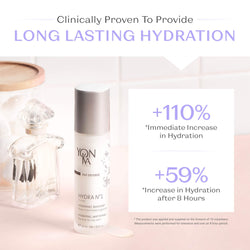
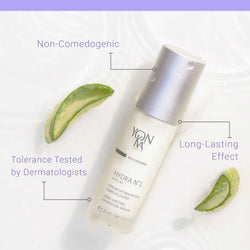
The key is to choose "oil-in-water" emulsions or lightweight fluids. Hydra No. 1 Fluid is specifically designed for combination and oily skin types, helping to balance the appearance of the T-zone while providing essential moisture. For those who prefer a matte finish for makeup application, Nude Perfect Fluide acts as a daily protector that blurs the look of imperfections and controls shine throughout the day.
Key Botanical Ingredients for Sebum Control
Nature provides an incredible pharmacy of ingredients that can help manage the appearance of oily skin. At Yon-Ka, we harness these through the lens of pharmaceutical rigor and professional expertise.
- Cypress (Cupressus sempervirens): Known for its powerful astringent properties, cypress oil helps to refine the appearance of the skin texture and is a key component of our Quintessence.
- Rosemary (Rosmarinus officinalis): This botanical is prized for its purifying and revitalizing qualities. It helps to clear the look of the complexion and supports a balanced appearance.
- Lavender (Lavandula angustifolia): While often used for its calming scent, lavender is exceptional at soothing the skin and helping to maintain a calm, balanced environment.
- Thyme (Thymus vulgaris): Thyme provides deep cleansing benefits, making it an essential ally for skin that is prone to congestion.
- Geranium (Pelargonium graveolens): This essential oil is the ultimate balancer, helping to harmonize the skin’s appearance and provide a healthy glow.
By integrating these plants into your daily routine, you are not just managing oil; you are nourishing the skin with 100% natural, active compounds that have been trusted by professionals for over 70 years. If you want to understand more about the brand behind that philosophy, visit our story.
Weekly Treatments: The Deep Cleanse
While a daily routine keeps things in check, oily skin benefits greatly from "next-level" care once or twice a week. These treatments help to address the buildup of dead skin cells and deep-seated impurities that daily cleansing might miss.
Grain-Free Exfoliation
Physical scrubs can often be too abrasive for oily skin, causing micro-tears that lead to inflammation. Instead, we recommend a "gommage" approach. Gommage Yon-Ka is a botanical, grain-free exfoliator that you apply as a thin layer and then "roll" off with your fingertips. This gentle action removes dead cells and brightens the skin's appearance without the irritation associated with harsh beads or pits.
The Magic of Clay Masks
Clay is a classic remedy for oily skin for a reason: it has a natural ability to absorb excess sebum and pull impurities from the pores. However, not all clay masks are created equal. Many dry down to a hard, cracking finish that can actually dehydrate the skin.
Masque 103 is a triple-clay mask that stays comfortable on the skin. Infused with our signature Quintessence, it deeply purifies and clarifies the complexion. After use, the skin looks matte, the pores appear refined, and the face feels remarkably fresh.
Key Takeaway: Oily skin requires a dual-pronged approach of daily balance and weekly deep purification. Use lightweight, non-comedogenic moisturizers to prevent dehydration, and use clay-based masks to manage deep-seated oil without over-drying the skin.
Lifestyle and Environmental Factors
How to deal with oily face skin often involves looking beyond the bathroom cabinet. Our skin is a reflection of our internal environment and the world around us.
Diet and Hydration While the link between diet and skin is complex, many find that a diet high in refined sugars and dairy can exacerbate oil production due to their impact on insulin levels. Drinking plenty of water is also essential; when you are well-hydrated from the inside out, your skin is less likely to overproduce oil as a defense mechanism against dehydration.
Sun Protection is Non-Negotiable There is a persistent myth that the sun "dries out" oily skin and helps clear blemishes. In reality, UV exposure causes damage to the skin barrier and can lead to thicker skin over time, which may trap oil in the pores. Furthermore, sun damage can cause the oil to oxidize, leading to more noticeable blackheads. Always use a lightweight, non-greasy sunscreen to protect your skin without clogging your pores. If you are building a broader daytime routine, start with our collections.
Clean Your Tools If you have oily skin, your makeup brushes, sponges, and even your pillowcase can become breeding grounds for bacteria and reservoirs for old oil. Make it a habit to wash your brushes weekly and change your pillowcase every few days to keep your skin environment as clean as possible.
Professional Care for Lasting Balance
While home care is vital, there is no substitute for the expertise of a trained professional. Yon-Ka was born in the treatment room, and our professional-grade formulas are used by thousands of skincare experts worldwide.
A professional facial for oily skin often involves specialized techniques, such as deep pore cleansing, botanical extractions, and the application of high-concentration professional masks. These treatments can provide a "reset" for the skin, helping to manage stubborn congestion and refine the texture in ways that are difficult to achieve at home. You can find a local partner via our Spa Locator to experience the full transformative power of a phyto-aromatic treatment.
Building Your Personalized Routine
Every individual's skin is unique, and "oily" can mean many things—from a slightly shiny forehead to a complexion that feels heavy across the entire face. To help you find the perfect match for your specific needs, we offer tools like our Skin Diagnosis quiz and the Product Matcher.
Sample Morning Ritual for Oily Skin:
- Cleanse: Use Gel Nettoyant to refresh the skin.
- Mist: Spray Lotion Yon-Ka PNG generously.
- Treat: Apply a small amount of Serum Omega for support.
- Moisturize: Use Nude Perfect Fluide for a matte, protected finish.
Sample Evening Ritual for Oily Skin:
- Double Cleanse: Use Lait Nettoyant to remove makeup, followed by Gel Nettoyant to deep clean.
- Mist: Apply Lotion Yon-Ka PNG.
- Treat: Apply Introductory Glyconight 10% Masque (2-3 times a week) to help with surface renewal.
- Moisturize: Apply a thin layer of Hydra No. 1 Fluid to balance the skin overnight.
Note: When introducing new botanical products, particularly those with active essential oils, we recommend a simple patch test. Apply a small amount to your inner forearm and wait 24 hours. While a slight, refreshing tingle is normal due to the active nature of our Quintessence, persistent redness or irritation is a sign to reduce frequency or consult with a professional.
Conclusion
Dealing with oily face skin is an ongoing journey of providing the right botanical signals to your sebaceous glands. By choosing gentle, pH-balanced cleansers, layering in hydrating mists, and utilizing the purifying power of essential oils like those found in Yon-Ka products, you can maintain a complexion that looks clear, refined, and vibrant. Skincare is more than just a chore; it is a daily ritual worth savoring—a moment to connect with yourself through the power of nature and 70 years of French phyto-aromatic expertise. At Yon-Ka Paris, our mission is to provide you with the professional-grade tools to achieve skin health that feels as good as it looks.
"A beautiful complexion is the result of balance, not force. When we work with the skin's natural rhythm rather than against it, the true radiance of the skin can shine through."
To find the specific products that align with your skin's unique needs, explore our collection for Oily & Combination skin or take our Skin Diagnosis quiz today.
FAQ
Why is my face oily even though I wash it multiple times a day?
Washing your face too frequently can actually increase oil production because it strips the skin's essential moisture. This triggers a "rebound effect" where your glands produce more oil to compensate for the perceived dryness. Stick to cleansing twice a day with gentle, sulfate-free products to maintain a healthy balance.
Can I use face oils if I have oily skin?
Yes, certain face oils can actually help balance oily skin by providing the lipids it needs, which can signal the sebaceous glands to slow down production. Look for lightweight, non-comedogenic options that are rich in essential fatty acids, and choose formulas that fit your skin’s needs.
Does oily skin age more slowly than dry skin?
Oily skin often appears to age more slowly because the natural oils help keep the skin's surface lubricated and less prone to fine lines caused by dehydration. However, oily skin is still susceptible to structural aging and sun damage, so it is essential to use antioxidant-rich products and consistent sun protection.
How often should I use a clay mask for my oily skin?
For most people with oily skin, using a clay mask like Masque 103 one to two times per week is ideal. Using it too often can lead to surface dryness, while using it once a week provides a necessary deep clean to keep pores clear of oxidized sebum and debris.