Table of Contents
- Introduction
- Understanding the Difference Between Dry and Dehydrated Skin
- Common Causes of Extreme Facial Dryness
- A Daily Ritual to Restore Dry Skin
- Key Ingredients to Look for in Your Skincare
- Lifestyle Adjustments for Lasting Comfort
- Comparison: Moisturizing Cream vs. Facial Oil
- Professional Spa Treatments for Extreme Dryness
- When to Consult a Dermatologist
- Conclusion
- FAQ
Introduction
That uncomfortable sensation of tightness, the visible dusting of flakes, or a complexion that looks perpetually dull—very dry skin is more than a minor annoyance; it is a signal that your skin barrier is calling for help. When your face feels like it has outgrown its own skin, you need more than a quick fix. At Yon-Ka Paris, we believe that restoring comfort requires a blend of professional-grade botanical actives and a consistent, nurturing ritual. In this article, we will explore the root causes of extreme dryness and provide a step-by-step path to reclaiming a soft, supple, and radiant complexion. By shifting from a "hack" mindset to a structured phyto-aromatic routine, you can effectively address the appearance of dehydration and lack of lipids to transform how your skin feels.
Understanding the Difference Between Dry and Dehydrated Skin
Before addressing how to cure very dry skin on face, it is essential to distinguish between skin type and skin condition. While people often use the terms interchangeably, they require different therapeutic approaches.
Dry skin is a skin type characterized by a lack of oil (lipids). Your skin naturally produces sebum to lubricate the surface and reinforce the barrier. If your skin is biologically "dry," it simply does not produce enough of these essential fats. This often results in a rough texture, visible flaking, and a lack of elasticity.
Dehydrated skin, on the other hand, is a temporary condition where the skin lacks water. Even oily skin types can become dehydrated. When skin is dehydrated, it may look "crepey" or show fine lines more easily. Very dry skin often suffers from both—a lack of oil to seal the surface and a lack of water within the deeper layers.
Quick Answer: Curing very dry skin involves a two-pronged approach: replenishing missing lipids with plant-based oils and ceramides while simultaneously flooding the skin with moisture-binding humectants like hyaluronic acid to restore the skin's barrier function.
Common Causes of Extreme Facial Dryness
Understanding why your skin has become parched is the first step toward a solution. While genetics play a role, several external and internal factors can exacerbate the problem.
The Aging Process
As we age, our skin's natural production of sebum and hyaluronic acid begins to slow down. By the time we reach our 40s and 50s, the lipid barrier becomes thinner and less efficient. This "mature dryness" requires richer, more intensive formulations to mimic the oils the skin no longer produces on its own.
Environmental Stressors
Low humidity is a primary culprit. Whether it is the biting cold of winter or the constant hum of air conditioning in the summer, dry air leaches moisture directly from the epidermis. UV exposure also plays a significant role, as sun damage can impair the skin's ability to retain moisture over time.
Harsh Skincare Habits
Over-cleansing or using foaming washes with harsh sulfates (like SLS) can strip the skin’s delicate hydrolipidic film. Similarly, using hot water rather than lukewarm water can melt away the very oils that keep your skin protected. If you are using high concentrations of retinoids or exfoliating acids without adequate buffering, you may inadvertently cause the "very dry" state you are trying to avoid.
A Daily Ritual to Restore Dry Skin
At our French phyto-aromatic house, we do not believe in "quick fixes." We believe in a layered ritual that respects the skin's integrity. To address extreme dryness, your routine must focus on nourishment and protection.
Step 1: Gentle, Barrier-Respecting Cleansing
The goal of cleansing dry skin is to remove impurities without disturbing the natural oils. Avoid foaming gels that leave the skin feeling "squeaky clean," as this sensation is actually a sign of barrier disruption.
Instead, reach for a milk-based cleanser like Lait Nettoyant. This creamy texture mimics the skin's natural lipids, lifting away makeup and pollution while leaving a soft, hydrated veil behind. Always use lukewarm water and pat—don't rub—the skin dry with a soft cotton towel.
Step 2: The Phyto-Aromatic Mist
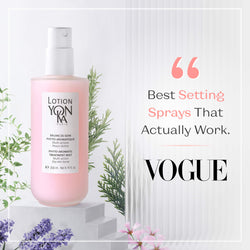
Most people skip the toning step, but for dry skin, it is a missed opportunity for hydration. Our signature Lotion Yon-Ka PS is much more than a toner. It is a phyto-aromatic mist infused with our Quintessence—an exclusive blend of lavender, geranium, rosemary, cypress, and thyme essential oils.
This mist prepares the skin to better absorb the serums and creams that follow. Applying your next steps while the skin is still slightly damp from the mist helps "lock in" that initial layer of hydration.
Step 3: Targeted Lipid Replenishment
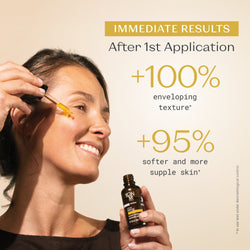
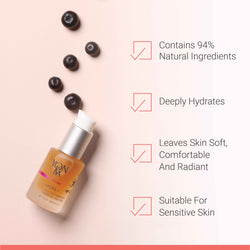
When the skin is "very dry," it needs a concentrated dose of nutrients. This is the moment to introduce a booster or an oil-in-serum. Serum Omega is specifically designed for skin in crisis. It utilizes Sacha Inchi oil and pomegranate oil to provide a rich supply of Omega 3, 6, and 9.
These fatty acids are the building blocks of a healthy skin barrier. By applying a few drops before your moisturizer, you provide the "mortar" needed to hold your skin cells together and prevent water from evaporating.
Step 4: Intensive Moisturizing and Sealing
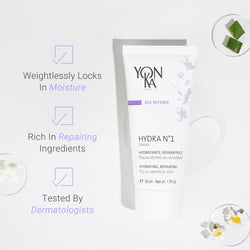
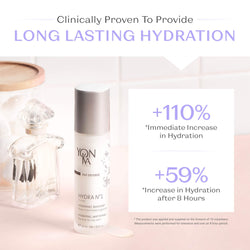
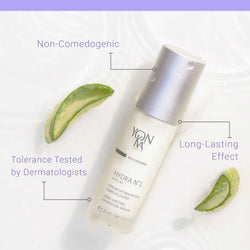
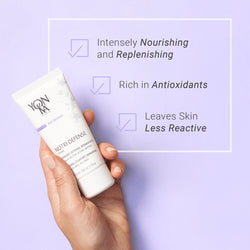
The final layer should be a high-performance cream that provides both humectants (to draw water in) and occlusives (to keep it there). Hydra n°1 Crème is an excellent choice for this step. It contains two weights of hyaluronic acid to hydrate different levels of the skin, along with shea butter and hazelnut oil for deep nourishment.
For those with mature skin experiencing extreme dryness, our Excellence Code Crème from the Age Exception range offers a more comprehensive approach, addressing thinning skin and loss of radiance alongside intense dryness.
Step 5: The Overnight Treatment
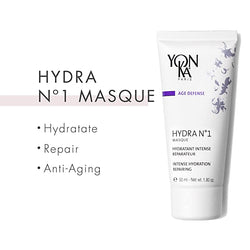
Nighttime is when the skin works hardest to repair itself. If your skin feels particularly parched, use the Hydra n°1 Masque as an overnight treatment once or twice a week. Instead of rinsing it off, apply a thin layer and let the botanical extracts of aloe vera and imperata cylindrica work while you sleep.
Key Takeaway: The ritual for dry skin focuses on "layering" moisture. By starting with a milk cleanser, misting with a botanical toner, and layering an omega-rich serum under a lipid-heavy cream, you create a resilient barrier that prevents future dryness.
Key Ingredients to Look for in Your Skincare
When reading labels, look for ingredients that mimic the skin’s natural composition or provide intense soothing.
- Hyaluronic Acid: A powerful humectant that can hold up to 1,000 times its weight in water. Look for formulas that use both high and low molecular weights.
- Ceramides: These are lipids found naturally in the skin barrier. They act like "glue" between skin cells, preventing moisture loss and protecting against environmental irritants.
- Vegetable Oils (Argan, Hazelnut, Sacha Inchi): Unlike mineral oils, these plant-based oils contain vitamins and fatty acids that actively nourish the skin rather than just sitting on top of it.
- The Quintessence: Our foundational complex of five essential oils provides more than just a beautiful scent. Lavender soothes, geranium balances, rosemary detoxifies, cypress decongests, and thyme provides antiseptic properties.
For a closer look at how Yon-Ka selects and balances these actives, explore our ingredients and our formulas.
Note: Because our formulas rely heavily on the power of essential oils, we always recommend a patch test when introducing a new product. Apply a small amount to your inner forearm and wait 24 hours to ensure your skin is comfortable with the active botanicals.
Lifestyle Adjustments for Lasting Comfort
What you do outside of your bathroom also impacts how to cure very dry skin on face. Skincare is a holistic endeavor.
Manage Your Indoor Climate
During the winter, heating systems strip the air of moisture. Placing a humidifier in your bedroom can significantly reduce nighttime water loss from your skin, allowing you to wake up with a more supple complexion.
Dietary Hydration and Fats
While drinking water is vital for general health, topical hydration is more effective for the skin's surface. However, consuming healthy fats—such as those found in avocados, walnuts, and fatty fish—can support your skin's internal lipid production.
Avoid Over-Exfoliation
It is tempting to scrub away dry flakes, but physical scrubs can cause micro-tears in an already weakened barrier. If you must exfoliate, use a gentle, grain-free option like Gommage Yon-Ka. This professional-grade "peel" uses carob and lime extracts to gently lift dead cells without any abrasive friction.
Comparison: Moisturizing Cream vs. Facial Oil
| Feature | Moisturizing Cream (e.g., Hydra n°1) | Facial Oil (e.g., Serum Omega) |
|---|---|---|
| Primary Function | Hydrates and protects the barrier. | Replenishes lipids and softens skin. |
| Texture | Emulsion (water and oil mix). | 100% lipid-based. |
| Best For | Daily moisture and water retention. | Deep nourishment and repairing the seal. |
| When to Use | Every morning and evening. | Before cream or mixed into your cream. |
To compare options for richer textures and daily barrier support, browse the face moisturizers collection and the Dry & Dehydrated collection.
Professional Spa Treatments for Extreme Dryness
Sometimes, home care needs a professional "reset." At Yon-Ka, our heritage is rooted in the treatment room. If your skin is persistently dry, a professional treatment like the Hydralessence facial can provide deep, long-lasting hydration that is difficult to achieve with retail products alone.
Our estheticians use specialized techniques and professional-only concentrations of actives to saturate the skin. You can use our Spa Locator to find a certified professional near you who can perform a detailed skin analysis and tailor a treatment to your specific needs.
When to Consult a Dermatologist
While a consistent phyto-aromatic ritual can transform the appearance of most dry skin, some conditions require medical intervention. If your skin is cracked, bleeding, persistently itchy, or showing signs of an infection (such as oozing or extreme redness), please consult a physician or dermatologist.
Conditions like eczema, psoriasis, or seborrheic dermatitis may mimic simple "dry skin" but require specialized medical diagnosis and treatment. Our products are designed to support the appearance and comfort of the skin but are not intended to treat underlying medical pathologies.
Conclusion
Addressing very dry skin is a journey of restoration. By understanding that your skin needs both water and oil, and by committing to a gentle, layered ritual, you can move away from the frustration of "sandpaper" skin toward a luminous, comfortable glow. At Yon-Ka Paris, we remain dedicated to the belief that skincare should be a ritual worth savoring—one built on 70 years of botanical expertise and a deep respect for the skin’s natural rhythm.
If you are unsure where to begin your journey, we invite you to explore our best moisturizers guide or visit our dry skin blog guide to find your perfect botanical match. True comfort is not a myth; it is a result of consistent, expert-backed care.
"Skincare is not just about correcting the surface; it is about providing the skin with the botanical harmony it needs to thrive at every age."
To begin your transformation, we recommend exploring the Dry & Dehydrated collection, where you will find the foundational products mentioned in this ritual.
FAQ
How can I get rid of dry skin on my face overnight?
The most effective way to see immediate improvement overnight is to use an intensive hydrating mask, such as the Hydra n°1 Masque, as a sleep treatment. After a gentle cleanse and mist, apply a generous layer and leave it on until morning. This allows the botanical humectants and lipids to deeply penetrate and repair the barrier while your body is in its natural repair cycle.
Why is my face still dry even though I moisturize daily?
If you are moisturizing but still feel dry, you may be missing the "lipid" component of the barrier. A standard moisturizer often provides water (hydration), but if your skin lacks oil (lipids), that water evaporates quickly—a process called Trans-Epidermal Water Loss. Try adding a lipid-rich booster like Serum Omega or a nourishing treatment cream to your routine to seal the moisture into your skin.
Is hot water bad for very dry skin?
Yes, hot water is one of the most common causes of barrier disruption. High temperatures can melt the natural waxes and oils that hold your skin cells together, leaving the surface exposed and prone to dehydration. Always use lukewarm or cool water when washing your face and body to preserve your skin's natural protective layer.
Should I exfoliate if my skin is peeling and dry?
You should avoid harsh, grainy scrubs on very dry skin, as they can cause further irritation and damage the skin barrier. However, very gentle exfoliation can help remove the surface flakes so that your moisturizers can penetrate better. We recommend a grain-free, botanical exfoliator like Gommage Yon-Ka, which uses carob and lime extracts to gently clarify the skin without abrasion.