Table of Contents
- Introduction
- Understanding the Nature of Oily Skin
- The Phyto-Aromatic Approach to Balance
- Building Your Balancing Ritual
- Advanced Solutions for Refined Pores
- Key Ingredients to Look For
- Lifestyle Adjustments for Clearer Skin
- Professional Treatments and the Spa Connection
- Common Mistakes to Avoid
- A Note on Sensitivity
- The Long-Term Vision for Your Skin
- Conclusion
- FAQ
Introduction
Waking up to a persistent midday shine or feeling like your makeup is sliding off by lunch can be a frustrating daily cycle. If you have spent years searching for how to cure oily skin on face, you are likely familiar with the temptation to use harsh, stripping products in hopes of a "squeaky clean" finish. At Yon-Ka Paris, we approach oily skin differently, focusing on the delicate balance between purification and hydration. Oily skin isn't a problem to be "cured" in the medical sense, but rather a skin type that requires specific botanical management to achieve a healthy, matte appearance. This article covers the root causes of excess sebum, the essential steps of a balancing ritual, and the professional-grade ingredients that help refine your complexion. Our goal is to move beyond the cycle of oiliness and irritation toward a stable, radiant, and comfortable glow.
Quick Answer: While you cannot "cure" a naturally oily skin type, you can effectively balance it by using a consistent ritual of gentle cleansing, alcohol-free toning, and oil-free hydration. Key botanical ingredients like rosemary, sage, and essential oils help regulate the appearance of surface oil without stripping the skin's moisture barrier.
Understanding the Nature of Oily Skin
To manage oily skin, we must first understand what it is. Oily skin is characterized by an overproduction of sebum from the sebaceous glands. Sebum is actually a vital part of skin health; it is a complex mixture of lipids that helps moisturize the skin and provides a protective layer against environmental stressors. However, when these glands become overactive, the result is enlarged pores, a shiny appearance, and a higher tendency for congestion or blemishes.
Why Your Skin Produces Excess Oil
Several factors contribute to the activity of your sebaceous glands. Genetics play a primary role; if your parents had oily skin, you likely will too. Hormonal fluctuations are another major trigger, which is why oiliness often peaks during puberty, pregnancy, or high-stress periods. Environmental factors like heat and humidity can also stimulate oil production, making seasonal adjustments to your skincare vital.
The Paradox of Over-Cleansing
One of the most common mistakes people make when trying to address oily skin is over-washing. When you use aggressive soaps or alcohol-laden products to "dry out" the oil, you inadvertently signal to your skin that it is dehydrated. In response, your sebaceous glands may work overtime to compensate for the loss of moisture, creating a vicious cycle of even more oil production. True balance comes from respecting the skin's natural pH and acid mantle.
The Phyto-Aromatic Approach to Balance
We believe in the power of "Phyto-aromatics"—the synergy of plant extracts and essential oils. For over 70 years, we have utilized these natural actives to bring the skin back to its natural equilibrium. This approach doesn't just mask the shine; it supports the skin's ability to regulate itself. To learn more about the philosophy behind our formulas, visit our ingredients.
The foundation of our formulas is the Quintessence. This exclusive complex of five essential oils—lavender, geranium, rosemary, cypress, and thyme—is 100% natural, pure, and active. Each oil serves a specific purpose for oily skin:
- Rosemary provides purifying and revitalizing properties.
- Lavender offers soothing and anti-inflammatory benefits.
- Geranium helps to balance the appearance of surface oils.
- Cypress and Thyme provide powerful astringent and cleansing effects.
By incorporating these botanicals, you can address the appearance of oiliness while enjoying a sensorial, spa-like experience at home.
Building Your Balancing Ritual
Consistency is the secret to managing oily skin. Rather than looking for a "magic" single product, a layered ritual ensures every aspect of the skin's needs is met, from deep cleansing to weightless protection. If you want a more personalized starting point, take our Skin Diagnosis quiz.
Step 1: Gentle Purification
The first step in any oily skin routine is a cleanser that removes excess sebum, sweat, and pollution without disrupting the skin's barrier. For those with oily tendencies, Gel Nettoyant is an ideal choice. This foaming azure-blue gel uses mild cleansing agents derived from plants to purify the skin. It leaves the face feeling fresh and clean, not tight or parched.
Step 2: The Essential Mist
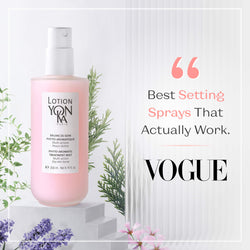
In a French skincare ritual, the toner or mist is never an afterthought. For oily skin, Lotion Yon-Ka PNG is a cornerstone. This alcohol-free mist is infused with the Quintessence. It helps to tighten the appearance of pores and preps the skin to better absorb the active ingredients in your serums and moisturizers. Simply misting it onto the face and pressing it in provides an immediate invigorating effect.
Step 3: Targeted Treatments
If you experience persistent congestion or breakouts, a targeted treatment like Juvenil can be highly effective. This concentrate uses essential oils and lactic acid to address localized imperfections. It is designed to be applied directly to blemishes to help them clear more quickly without drying out the surrounding skin. For more support, explore the blemish-prone collection.
Step 4: Weightless Moisture
It is a widespread myth that oily skin doesn't need moisturizer. In fact, skipping this step can lead to surface dehydration, which makes the skin look dull and feel oily. Look for "matting" formulas that provide hydration while controlling shine. A lightweight option from our moisturizers can help balance the complexion while providing a matte finish that works beautifully under makeup.
Advanced Solutions for Refined Pores
Beyond the daily basics, incorporating weekly treatments can significantly change the texture and tone of oily skin. These "deep-cleansing" steps act like a reset button for your complexion.
The Power of Botanical Peels
While many people reach for harsh physical scrubs, oily skin often responds better to gentle, enzymatic exfoliation. Gommage Yon-Ka is a unique, grain-free peel that is perfect for oily skin. You apply it in a thin layer, let it set slightly, and then "roll" it off with your fingertips. This action gently lifts away dead skin cells and debris that can clog pores, leaving the skin remarkably smooth and bright. You can also browse our exfoliators for more options.
Clay Masks for Deep Detox
Clay is a traditional and highly effective ingredient for absorbing excess oil and drawing out impurities. Masque 103 is a triple-clay mask (montmorillonite, bentonite, and kaolin) enriched with purifying essential oils. Using this mask once or twice a week helps to "vacuum" the pores and clarify the skin. It is particularly helpful for those living in urban environments where pollution can settle into the pores and increase oiliness. If masks are part of your routine, explore our face masks.
Key Takeaway: Managing oily skin is about harmony, not hostility. By using professional-grade botanical ingredients like those found in the Quintessence, you can refine the appearance of your pores and control shine while keeping the skin healthy and hydrated.
Key Ingredients to Look For
When reading labels, look for ingredients that offer a multi-pronged approach to oil management. To see how Yon-Ka Paris builds these formulas, explore our brand story.
Salicylic Acid (BHA)
Salicylic acid is a beta-hydroxy acid that is oil-soluble, meaning it can penetrate deep into the pores to dissolve the "glue" that holds dead skin and sebum together. It is an excellent ingredient for preventing blackheads and breakouts.
Zinc
Zinc is a mineral that has long been used in skincare for its ability to soothe the skin and reduce the appearance of redness. For oily types, it also helps regulate the look of surface sebum.
Burdock Root and Sage
These botanical extracts are known in phytotherapy for their purifying properties. They help to astringe (tighten) the appearance of the skin and support a clearer-looking complexion.
Hyaluronic Acid
Even oily skin needs water. Hyaluronic acid is a powerful humectant—a substance that attracts and holds moisture—that provides hydration without adding a drop of oil. It keeps the skin plump and resilient, ensuring that your "matte" look doesn't turn into a "flat" or "dry" look. For skin that feels oily and dehydrated, consider our dry and dehydrated skin collection.
Lifestyle Adjustments for Clearer Skin
While topical products are essential, how you treat your body also reflects on your skin. If you are struggling with excess oil, consider these lifestyle factors:
- Hydration from Within: Drinking plenty of water helps your body function optimally, which includes the health of your skin cells.
- Dietary Choices: Some people find that high-glycemic foods (sugary snacks, white bread) can trigger hormonal responses that increase oil production. Incorporating more leafy greens and healthy fats (like Omega-3s) may support skin balance.
- Clean Surfaces: Your phone screen and pillowcase can harbor bacteria and old oil. Wipe your phone daily and change your pillowcase at least twice a week to prevent transferring these impurities back to your face.
- Stress Management: High cortisol levels (the stress hormone) are linked to increased sebum production. Finding time for a ritualistic skincare routine at night can be a form of self-care that lowers stress levels for both your mind and your skin.
Professional Treatments and the Spa Connection
Sometimes, the skin needs a professional touch to reach its peak. Our heritage is deeply rooted in the world of professional spas; in fact, over 7,000 skincare professionals worldwide trust our products. A professional facial, such as our "Le Grand Classique," involves deep pore cleansing and oxygenation that is difficult to replicate at home. If you are ready for expert care, find a Yon-Ka spa near you.
A trained esthetician can perform professional-strength extractions and apply high-concentration botanical treatments tailored specifically to your skin's needs. If you find your at-home routine isn't yielding the results you want, we recommend using our Spa Locator to find a certified professional near you. A seasonal professional treatment can provide a deep "reset" that makes your home products work even more effectively. You can also explore Spa Treatments to learn more about the in-spa experience.
Common Mistakes to Avoid
If you feel your oily skin is getting worse despite your efforts, you may be falling into one of these common traps:
Myth: "Oily skin doesn't age." Fact: While the natural oils in your skin may help prevent some surface dryness associated with aging, oily skin still undergoes the same structural changes (loss of collagen and elastin) as other skin types. It is important to use antioxidant-rich products like Vital Defense to protect against environmental aging, even if you are focused on oil control.
Myth: "Sunscreen makes oily skin worse." Fact: UV damage can actually irritate the skin and lead to more breakouts. The key is to find a lightweight, non-comedogenic (won't clog pores) sunscreen. Many modern formulas are designed specifically for oily skin and can even help absorb oil throughout the day. You can browse sun care when you're ready to add protection to your routine.
A Note on Sensitivity
It is a misconception that oily skin is "tough." Many people with oily skin actually have a compromised barrier due to over-cleansing, making their skin sensitive and prone to redness. For skin that needs gentler support, the sensitive and redness-prone collection can be a helpful next step.
Note: When introducing new botanical products, especially those containing active essential oils, we always recommend a patch test. Apply a small amount of the product to your inner forearm and wait 24 hours to ensure your skin responds well. Introduce one new product at a time so you can accurately track how your skin reacts. A slight, brief tingling can be normal with essential oils, but persistent redness means you should reduce frequency or consult a professional.
The Long-Term Vision for Your Skin
True skincare isn't about immediate "cures" or overnight miracles; it is about the ritual of caring for yourself. Oily skin is often resilient and handles environmental stressors well, but it requires a dedicated, balancing approach to look its best. By choosing products that prioritize plant-based ingredients and pharmaceutical-grade rigor, you are investing in the long-term health and vitality of your complexion.
If you are unsure which products are right for your specific version of oily skin—whether it’s oily and sensitive, oily and dehydrated, or oily and blemish-prone—we invite you to take our Skin Diagnosis quiz. This tool uses our decades of expertise to help you build a customized ritual that speaks directly to your concerns.
Conclusion
Managing oily skin on the face is a journey of balance rather than one of suppression. By moving away from harsh chemicals and toward the phyto-aromatic power of ingredients like the Quintessence, you can achieve a complexion that looks clear, refined, and healthy. Remember that your skin is a living organ that responds to the environment, your hormones, and the care you give it. Embrace a consistent ritual—cleansing, toning, and weightless hydration—and your skin will reward you with a balanced, sophisticated glow. The Yon-Ka Paris commitment to 70 years of botanical excellence ensures that every drop of product you apply is designed to respect your skin's natural harmony.
"Skincare is not a chore; it is a moment of connection with yourself. When we treat our skin with botanical respect, we see the results in a radiant, balanced reflection."
To find the perfect match for your oily skin needs, explore our specific collection for oily and combination skin or find a local partner spa for a professional consultation.
FAQ
Can I ever completely stop my skin from being oily?
Because oily skin is a genetically determined skin type, you cannot permanently change your skin's natural tendency to produce sebum. However, you can effectively manage the appearance of oil through a consistent skincare ritual and lifestyle choices, leading to a matte, balanced complexion.
Why does my skin feel oily but look flaky or dry?
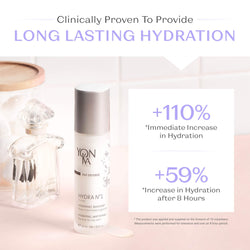
This is a common condition known as "dehydrated oily skin," where your skin lacks water even though it has plenty of oil. This often happens from over-using harsh acne treatments or skipping moisturizer, and it is best addressed by adding a hydrating, oil-free product like Hydra n°1 Fluide to your routine.
Should I use oil-based cleansers if I have oily skin?
Yes, high-quality botanical oil cleansers can actually be very effective for oily skin because "oil dissolves oil." These cleansers can help break down stubborn sebum and waterproof makeup more gently than foaming cleansers, provided they are followed by a thorough rinse or a second water-based cleanse.
How often should I exfoliate my oily skin?
For most oily skin types, exfoliating two to three times a week is ideal to prevent pore congestion. However, it is important to use gentle methods like the grain-free Gommage Yon-Ka to avoid irritating the skin and triggering more oil production through inflammation.