Table of Contents
- Introduction
- Understanding Why Skin Becomes Flaky
- Common Culprits Behind Facial Flakiness
- The Role of the Skin Barrier
- A Targeted Ritual to Restore Suppleness
- The Science of Botanical Ingredients
- How to Exfoliate Flaky Skin Safely
- Enhancing Your Ritual with Masks
- Lifestyle Habits for Lasting Skin Health
- When to Consult a Professional
- Conclusion
- FAQ
Introduction
Few things are as frustrating as catching your reflection and noticing small, persistent flakes of skin or feeling a tight, itchy sensation every time you smile. Whether your makeup is clinging to rough patches or your complexion looks perpetually dull, flaky skin is a clear signal that your moisture barrier is under duress. At Yon-Ka Paris, we understand that true skin health is not about temporary "hacks" but about restoring the delicate balance of oil and water that keeps the skin supple and resilient. This guide will explore the primary causes of facial flakiness, the essential ingredients that soothe a compromised barrier, and how a professional-led botanical ritual can help you achieve a smooth, glowing appearance. By shifting your focus toward deep nourishment and barrier protection, you can transform the look and feel of your skin.
Understanding Why Skin Becomes Flaky
To effectively address flaky skin, we must first distinguish between two common but different concerns: dry skin and dehydrated skin. While they may both lead to flakiness, their root causes and treatments differ.
Dry skin is a specific skin type characterized by a lack of natural oils, or sebum. Without enough lipids, the skin cannot effectively seal in moisture, leading to a rough texture and visible scales. Dehydrated skin, on the other hand, is a temporary condition where the skin lacks water. This can happen to any skin type—even oily skin—and often results from environmental factors or lifestyle habits.
When your skin is flaky, it typically means the outermost layer, the stratum corneum, has become damaged. This layer acts as a shield, keeping hydration in and irritants out. When this shield is weakened, moisture evaporates rapidly—a process known as Transepidermal Water Loss (TEWL)—leaving skin cells to shrivel and slough off prematurely.
Common Culprits Behind Facial Flakiness
Understanding the "why" behind your skin's behavior is the first step toward a lasting solution. Several internal and external factors contribute to the appearance of dry, peeling patches.
- Environmental Extremes: Cold winter air and biting winds strip moisture from the skin's surface. Conversely, indoor heating and air conditioning create low-humidity environments that act like a sponge, pulling water out of your pores.
- Harsh Cleansing Habits: Many traditional soaps and foaming cleansers contain high concentrations of sulfates. These ingredients can strip away the natural oils that hold your skin cells together, leaving the barrier raw and exposed.
- The Temperature of Your Water: While a steaming hot shower may feel relaxing, hot water is one of the quickest ways to dissolve the skin’s protective lipids. Lukewarm water is always the better choice for facial health.
- Natural Aging Processes: As we move into our 40s and beyond, the skin’s production of sebum and sweat naturally declines. This makes the skin more prone to chronic dryness and the formation of fine lines.
- Over-Exfoliation: Using physical scrubs too frequently or applying high-strength chemical acids without proper hydration can create micro-tears in the skin, leading to inflammation and flaking.
The Role of the Skin Barrier
The skin barrier is often compared to a brick-and-mortar wall. Your skin cells are the "bricks," and the lipids (fats) are the "mortar" that holds them in place. When the mortar is strong, the wall is waterproof and resilient. When the mortar is missing, the bricks become loose and eventually fall off as flakes.
Restoring the appearance of flaky skin requires "re-mortaring" that wall. This is where botanical oils and humectants play a vital role. By replenishing the lipids your skin is missing, you help it regain its ability to stay hydrated and protect itself from the elements. For a deeper look at the ingredients behind this approach, explore our ingredients philosophy.
A Targeted Ritual to Restore Suppleness
At Yon-Ka, we believe in a consistent, layered approach to skincare. For flaky, dry skin, the goal is to infuse the skin with moisture at every step while ensuring that moisture remains locked in. If you want help choosing the right path, you can also start with the Product Matcher.
Step 1: Gentle, Barrier-Respecting Cleansing
The most common mistake people make with flaky skin is trying to "wash the flakes away" with harsh scrubs or deep-cleansing gels. This often worsens the irritation. Instead, look for a milky, lipid-rich cleanser like Lait Nettoyant. This gentle cleansing milk removes impurities while maintaining the skin's natural pH and lipid balance. It leaves the skin feeling soft rather than tight.
Step 2: The Essential Phyto-Aromatic Mist
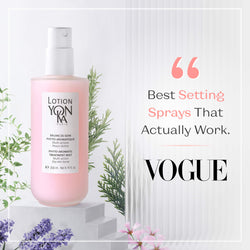
After cleansing, the skin is at its most receptive. This is the moment to introduce a hydrating mist. Lotion Yon-Ka PS is more than just a toner; it is a phyto-aromatic powerhouse infused with our signature Quintessence—a blend of lavender, geranium, rosemary, cypress, and thyme essential oils. This mist hydrates, purifies, and prepares the skin to better absorb the active ingredients in your subsequent serums and creams.
Step 3: Targeted Hydration and Repair
When the skin is visibly flaking, it needs intensive care. This is where specialized treatments come into play.
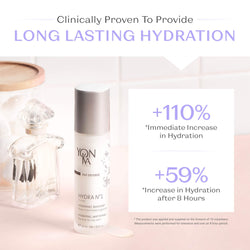
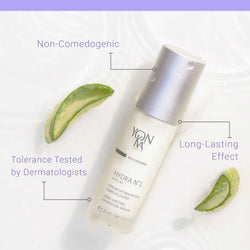
- Hydra N°1 Serum: A long-lasting hydrating fluid that uses high and low molecular weight hyaluronic acid to penetrate different layers of the skin's surface.
- Serum Omega: If your skin feels particularly dry or "hollow," this oil-based serum provides essential fatty acids that help rebuild the lipid barrier.
Step 4: Sealing in Moisture
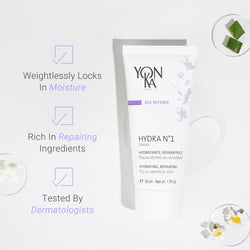
The final step in your ritual should be a high-quality moisturizer that acts as a protective seal. For those with significant flakiness, Hydra N°1 Crème offers a cocoon of moisture, using shea butter and hazelnut oil to smooth the appearance of rough patches. You can also browse the full face moisturizers collection to find the best match for your skin.
Key Takeaway: To manage flaky skin effectively, move away from aggressive scrubbing. Instead, focus on a "lipid-replenishing" ritual that emphasizes gentle cleansing, aromatic toning, and deep hydration.
The Science of Botanical Ingredients
We prioritize ingredients of natural origin because they are often more bio-compatible with the skin's own structure. When treating the appearance of dry skin, several botanical actives stand out for their efficacy. To learn more about the brand's ingredient approach, visit our ingredients.
- Hyaluronic Acid: A powerful humectant that can hold up to 1,000 times its weight in water. It acts like a magnet, drawing moisture into the skin.
- Shea Butter: Rich in vitamins and fatty acids, it provides an occlusive layer that prevents moisture from escaping.
- Vegetable Glycerin: A classic skin-repairing ingredient that helps the skin maintain its moisture balance.
- Aloe Vera: Known for its soothing properties, it helps calm the redness often associated with dry, flaky patches.
Our unique Quintessence complex supports these ingredients by promoting a healthy-looking complexion through its revitalizing and purifying properties. This fusion of aromatherapy and phytotherapy ensures that your skincare is a sensorial experience as much as a functional one. If you're curious about the signature blend, read What is the Yon-Ka Quintessence?.
How to Exfoliate Flaky Skin Safely
It is a natural instinct to want to scrub away visible flakes, but mechanical scrubs with large grains can cause micro-injuries to an already fragile barrier. However, gentle exfoliation is necessary to allow your moisturizers to penetrate effectively.
The solution is a grain-free exfoliator like Gommage Yon-Ka. This "four-in-one" botanical peel uses carob and white nettle to gently lift dead skin cells without any abrasive friction. You apply it like a mask, allow it to dry slightly, and then gently roll it off with your fingertips. This method removes the flakes while respecting the living skin beneath, leaving the complexion bright and smooth.
Note: When introducing any new active product or essential oil-rich formula, we recommend a simple patch test. Apply a small amount to your inner forearm and wait 24 hours to ensure your skin responds comfortably. Introducing one new product at a time is always the best practice.
Enhancing Your Ritual with Masks
When the skin is in a state of crisis—perhaps after a long flight or a weekend in the cold—a daily moisturizer may not be enough. Weekly masks provide a concentrated dose of actives.
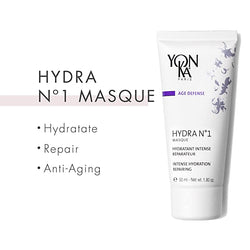
Hydra n°1 Masque is specifically designed for dehydrated, flaky skin. It can be used as a traditional 10-minute mask or applied in a thin layer as an overnight "sleeping pack." By morning, the skin appears plumped, and the visible roughness is significantly reduced. For more advanced resurfacing, Glyconight 10% Masque uses glycolic acid to encourage cellular turnover overnight, helping to prevent the buildup of dead skin that leads to flakiness in the first place. You can also explore the broader face masks collection for additional options.
Lifestyle Habits for Lasting Skin Health
Skincare is only one piece of the puzzle. To keep your skin from returning to a flaky state, consider these daily habits:
- Use a Humidifier: Especially during the winter months, adding moisture back into your bedroom air can prevent your skin from drying out while you sleep.
- Hydrate from Within: While drinking water doesn't "cure" dry skin directly, systemic dehydration makes it much harder for your skin to maintain its barrier.
- Eat Healthy Fats: Incorporating omega-3 fatty acids found in walnuts, flaxseeds, and fatty fish can help support your skin's natural oil production.
- Avoid Fragranced Detergents: Sometimes the "flakiness" on your face is actually a reaction to the fragrance in your pillowcase detergent. Opt for "free and clear" versions to rule out irritation.
When to Consult a Professional
While most cases of flaky skin can be managed with a consistent botanical ritual, there are times when the skin requires medical attention. If your flakiness is accompanied by intense burning, persistent oozing, or thick, silvery scales, you may be experiencing a medical condition like eczema, psoriasis, or seborrheic dermatitis. In these cases, it is important to consult a dermatologist or your primary physician for a diagnosis.
For those looking to elevate their skin health through professional expertise, a visit to a Yon-Ka partner spa can be transformative. A professional aesthetician can analyze your skin’s unique needs and provide deep-acting treatments, such as the Le Grand Classique, which deeply cleanses and restores the skin's radiance. You can use our Spa Locator to find a certified professional near you, or learn more about spa treatments.
Conclusion
Curing the appearance of flaky dry skin on the face is a journey of restoration and patience. By moving away from harsh, stripping products and embracing a ritual centered on hydration and barrier repair, you allow your skin to find its natural equilibrium once again. At Yon-Ka Paris, we remain dedicated to the art of phyto-aromatic care, blending 70 years of French heritage with high-performance botanical science to help you feel comfortable in your own skin. To learn more about the brand behind the ritual, explore our story.
If you are unsure which products are best for your specific level of dryness, we invite you to use our Product Matcher or explore the dry & dehydrated skin collection. Remember that radiant skin is a reflection of a consistent, nourishing ritual and a belief that self-care is a practice worth savoring.
Bottom line: Flaky skin is a cry for hydration and lipids; answer it with gentle, botanical-rich care and consistent moisture-locking habits.
FAQ
Can I use a facial scrub to get rid of flakes?
While it is tempting to scrub away flakes, traditional grainy scrubs can irritate a dry or compromised skin barrier. It is much better to use a grain-free exfoliator like Gommage Yon-Ka, which gently removes dead skin cells without the need for abrasive friction, preventing further flakiness.
Why is my skin still flaky even though I moisturize every day?
If you are moisturizing but still seeing flakes, your skin may be lacking the necessary lipids to "lock in" that moisture, or you may have a buildup of dead skin cells preventing the moisturizer from absorbing. Try incorporating a lipid-rich serum like Serum Omega and ensuring you are gently exfoliating once or twice a week.
Does drinking more water cure dry skin?
Drinking water is essential for overall health, but it is not a direct cure for a dry skin type (lack of oil). However, if your skin is dehydrated (lack of water), increasing your water intake and using a humidifier can support the skin's appearance, provided you also use topical products to prevent that water from evaporating.
How long does it take for flaky skin to look better?
With a consistent hydrating ritual, you may notice an improvement in the appearance of smoothness and comfort within a few days. However, for the skin barrier to truly strengthen and for long-term flakiness to subside, it generally takes about 28 days—the length of a full skin-cell turnover cycle.