Table of Contents
- Introduction
- Understanding the Difference Between Dry and Dehydrated Skin
- The Role of the Skin Barrier
- Top Natural Ingredients to Soothe and Hydrate
- The Phyto-Aromatic Advantage
- Building a Natural Ritual for Dry Skin
- Advanced Strategies for Extreme Dryness
- Lifestyle Adjustments to Support Hydration
- When to See a Professional
- Botanical Exfoliation vs. Physical Scrubs
- Managing Dry Skin by Season
- The Importance of Sun Protection
- Essential Oil Safety and Sensitivities
- Conclusion
- FAQ
Introduction
Waking up to a complexion that feels tight, looks dull, or shows visible flaking can be more than a cosmetic frustration—it is your skin’s way of signaling a need for deep nourishment. When the face loses its ability to retain moisture, it often feels like it is "too small" for your features, leading to discomfort and a loss of that healthy, youthful radiance we all crave. At Yon-Ka Paris, we believe that true restoration comes from honoring the skin’s natural biology through the power of phyto-aromatic care. This guide explores how to address dryness using botanical ingredients, lifestyle shifts, and professional-grade rituals. By combining 70 years of French skincare expertise with gentle, natural approaches, you can learn to support your skin barrier and return to a state of soft, supple balance.
Understanding the Difference Between Dry and Dehydrated Skin
Before exploring remedies, it is essential to identify exactly what your skin is experiencing. While the terms are often used interchangeably, "dry" and "dehydrated" refer to two distinct issues that require different solutions.
Dry skin is a skin type characterized by a lack of oil (lipids). People with this skin type have sebaceous glands that naturally produce less sebum than necessary to maintain a strong protective barrier. This often results in a rough texture, fine scales, or a constant feeling of tightness.
Dehydrated skin, on the other hand, is a temporary condition caused by a lack of water. It can affect any skin type, including oily skin. Dehydrated skin often looks dull, feels tight after cleansing, and may show "crepe-like" fine lines that disappear once moisture is restored.
To cure dry face skin naturally, you must address both the oil deficiency and the water loss. This dual approach ensures the skin is not only "wet" but also "sealed" so that moisture cannot evaporate into the air. If you want a deeper look at the distinction, our Dry vs. Dehydrated Skin guide explains the difference in detail.
The Role of the Skin Barrier
The outermost layer of your skin, often called the moisture barrier or acid mantle, acts like a security guard. It is made up of lipids (fats), ceramides, and cholesterol that hold your skin cells together like mortar between bricks. When this barrier is compromised by harsh weather, aggressive cleansers, or aging, the "bricks" become loose.
This allows essential moisture to escape—a process known as Transepidermal Water Loss (TEWL)—and lets irritants in. Naturally curing dry skin involves repairing this barrier so it can once again function as a watertight seal. To understand how Yon-Ka approaches barrier-supporting formulas, see our ingredient philosophy.
Top Natural Ingredients to Soothe and Hydrate
Nature provides an abundance of humectants (which pull water into the skin) and emollients (which smooth and soften the skin). Here are the most effective botanical allies for a dry complexion.
Raw Honey
Honey is a powerful natural humectant. It draws moisture from the atmosphere and binds it to the skin. It also contains enzymes that gently support skin renewal without the irritation associated with harsh acids. Applying a thin layer of high-quality, raw honey as a mask for 15 minutes can leave the skin feeling remarkably soft.
Colloidal Oatmeal
Oatmeal is celebrated for its anti-inflammatory properties. It contains avenanthramides, which help reduce the appearance of redness and soothe the itching often associated with extreme dryness. You can create a simple compress by soaking oats in warm water, straining the liquid, and applying it to the face with a soft cloth.
Aloe Vera
While often associated with sun relief, aloe vera is a moisture powerhouse. It contains mucopolysaccharides, which help bind moisture into the skin. It is also rich in vitamins C and E, providing antioxidant support to help protect against environmental stressors that contribute to dryness.
Plant-Based Oils
Oils like jojoba, argan, and avocado are rich in fatty acids that mimic the skin’s natural sebum.
- Jojoba oil is unique because its chemical structure is nearly identical to human sebum, making it highly compatible with the skin.
- Avocado oil is deeply penetrating and rich in vitamin E and potassium, making it excellent for mature, dry skin.
- Argan oil is packed with omega fatty acids that help fortify the skin barrier.
Note: When introducing any new natural oil or botanical ingredient, we recommend a patch test on your inner forearm for 24 hours to ensure compatibility with your skin.
The Phyto-Aromatic Advantage
While raw kitchen ingredients have their place, professional botanical skincare elevates these basics through pharmaceutical rigor and precise concentration. Our approach at Yon-Ka utilizes "Phyto-aromatics"—the synergy of plant extracts and essential oils.
The foundation of our formulas is the Quintessence. This exclusive complex of five essential oils—lavender, geranium, rosemary, cypress, and thyme—works to balance the skin and enhance the efficacy of hydrating ingredients. For someone with dry skin, these oils provide more than just a beautiful scent; they help revitalize the appearance of the complexion and support the skin's natural repair processes.
Building a Natural Ritual for Dry Skin
To cure dry skin, the order and manner in which you apply your products are just as important as the ingredients themselves. A consistent, layered ritual is far more effective than any single "miracle" product.
1. Gentle, Barrier-Respecting Cleansing
The most common mistake for those with dry skin is using a foaming cleanser that strips away the very oils the skin is struggling to produce. Instead, opt for a creamy, milk-based cleanser like Lait Nettoyant.
This formula cleanses while respecting the lipid balance of the skin. When washing, always use lukewarm water. Hot water can melt the skin's natural oils, leading to immediate dehydration once you step out of the shower.
2. The Power of the Phyto-Aromatic Mist
After cleansing, the skin is like a dry sponge. If you apply a heavy cream to a dry sponge, it sits on top. If you dampen the sponge first, it absorbs the cream deeply.
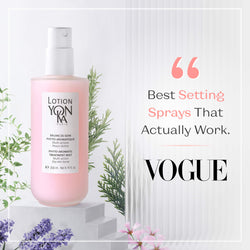
Using a mist like Lotion Yon-Ka PS prepares the face for subsequent steps. This alcohol-free mist is infused with our signature Quintessence and helps to optimize the absorption of your serums and moisturizers.
3. Targeted Hydration and Nutrition
For skin that feels chronically dry, a moisturizer alone may not be enough. You likely need a "booster" or a serum to provide concentrated nutrients.
- Serum Omega: This is a "skin-food" oil-in-serum designed specifically for lipid-depleted skin. It provides essential fatty acids from sea buckthorn and pomegranate to help repair the skin barrier.
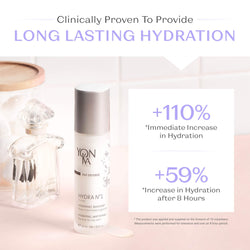
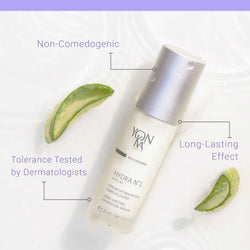
- Hydra n°1 Serum: If your skin feels tight and looks lined from dehydration, this serum uses two types of hyaluronic acid to flood the skin with water.
4. Sealing with a High-Quality Moisturizer
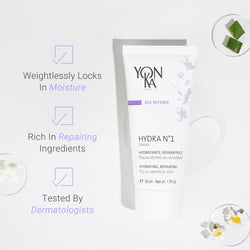
The final step in your ritual is a cream that acts as a protective shield. Hydra n°1 Crème is an excellent choice for those seeking a natural-origin solution. It features shea butter, grape seed oil, and hazelnut oil to soften the skin while providing long-lasting hydration.
Quick Answer: To naturally cure dry face skin, transition to a cream-based cleanser, apply a hydrating mist immediately after washing to "lock in" water, and use a moisturizer rich in botanical oils and hyaluronic acid to repair the skin barrier.
Advanced Strategies for Extreme Dryness
Sometimes, daily moisturizing isn't enough to combat harsh winters or air-conditioned environments. In these cases, you can integrate more intensive treatments into your weekly routine.
Overnight Peeling Masks
While it seems counterintuitive to exfoliate dry skin, removing dead skin cells is vital. If dead cells build up on the surface, your moisturizers cannot reach the living skin underneath. Instead of a harsh physical scrub, use a gentle overnight peel like Glyconight 10% Masque. This uses glycolic acid to dissolve the "glue" holding dead cells together, allowing your hydrating products to work more effectively.
Intensive Hydrating Masks
Twice a week, replace your night cream with a thick layer of a treatment mask. Browse the Face Masks collection to find the right texture and intensity for your routine.
Facial Massage
When applying your oils or creams, take two minutes to massage your face. Use upward, sweeping motions. This helps increase blood flow to the surface of the skin, bringing fresh oxygen and nutrients to the cells, which can help improve the appearance of dull, dry skin.
Lifestyle Adjustments to Support Hydration
Skincare is a 360-degree endeavor. What you do outside the bathroom is just as important as what you do at the sink.
- Humidify Your Environment: Modern heating and air conditioning systems strip moisture from the air. Placing a humidifier in your bedroom can significantly reduce how dry your skin feels when you wake up.
- Watch Your Water Intake: While drinking water won't "cure" dry skin on its own, chronic dehydration makes it impossible for your skin to look its best. Aim for consistent hydration throughout the day.
- Dietary Fats: Your skin barrier relies on lipids. Incorporating healthy fats like walnuts, flaxseeds, and fatty fish into your diet provides the building blocks your skin needs to stay supple.
- Shorten Your Showers: Limit your bathing time to 5–10 minutes and keep the water temperature warm, not hot.
When to See a Professional
While most cases of dry skin can be managed with a consistent botanical ritual, there are times when professional intervention is necessary. If your skin is cracking, bleeding, or showing signs of persistent redness and itching that does not respond to moisturizers, you should consult a physician or dermatologist. These may be signs of underlying conditions like eczema or psoriasis which require medical guidance.
For those simply looking to take their hydration to the next level, a professional spa treatment can provide deep-tissue nourishment that is difficult to achieve at home. You can use our Spa Locator to find a certified professional who can perform a signature Yon-Ka facial, such as the "Le Grand Classique," which includes deep cleansing and long-lasting hydration tailored to your specific skin needs.
Botanical Exfoliation vs. Physical Scrubs
Many people reach for a sugar or salt scrub when they see flaky skin. However, the skin on the face is much more delicate than the skin on the body. Large, irregular granules can create "micro-tears" in the skin barrier, leading to even more dryness and sensitivity.
We recommend a grain-free approach. Gommage Yon-Ka is a botanical "peel" that uses carob and lime oil to gently lift away dead skin cells without any abrasive friction. This 4-in-1 gel clarifies, hydrates, and balances the skin, making it a much safer "natural" choice for those prone to dryness.
Key Takeaway: Avoiding physical scrubs in favor of gentle fruit enzymes or grain-free exfoliants prevents micro-tears and allows dry skin to heal without additional inflammation.
Managing Dry Skin by Season
Your skin’s needs change as the seasons shift. "Curing" dry skin is often a matter of adjusting your ritual to match the environment.
Winter Protection
In the winter, the air is cold and dry. This is the time to "slug" or layer. Apply your serum, then your moisturizer, and if you are still feeling tight, add two drops of Nutri+ Booster to your cream. This oil-based booster provides an extra layer of protection against the wind and cold.
Summer Hydration
In the summer, humidity levels are higher, but sun exposure and chlorine can dehydrate the face. You might switch to a lighter moisturizer like Hydra n°1 Fluide, which provides the same hyaluronic acid benefits as the cream but in a non-greasy, mattifying texture that feels better in the heat.
The Importance of Sun Protection
It is a common myth that sunscreen is only for the beach. UV rays are present year-round and are one of the primary causes of a weakened skin barrier. Sun damage leads to "photo-aging," which manifests as extreme dryness, loss of elasticity, and fine lines.
Always finish your morning ritual with a broad-spectrum SPF. This protects the delicate moisture-binding proteins in your skin from being destroyed by the sun. Protecting your skin from the sun is one of the most effective "natural" ways to ensure it remains hydrated and healthy for years to come.
Essential Oil Safety and Sensitivities
Because our products utilize active essential oils and botanicals, we always emphasize a mindful approach to application. While the Quintessence is designed to be therapeutic, everyone's skin is unique.
If you feel a slight tingling sensation when applying a phyto-aromatic product, this is often a sign of the active ingredients at work. However, if you experience persistent redness, itching, or a burning sensation, you should reduce the frequency of use or discontinue the product. We always suggest introducing one new product at a time so you can accurately monitor how your skin responds.
Conclusion
Curing dry face skin is not an overnight fix, but rather a journey of consistent, nourishing habits. By moving away from harsh chemicals and embracing the restorative power of plants, you provide your skin with the lipids and water it needs to thrive. Whether you are using a simple honey mask at home or the sophisticated formulas of Yon-Ka Paris, the goal remains the same: a healthy, resilient barrier and a glowing complexion.
Our mission is to provide you with the tools to turn your skincare into a ritual worth savoring. If you are unsure which botanical products are right for your specific concerns, we invite you to explore our ingredients and use the guidance on this site to choose what fits your routine. Embracing the 70-year legacy of our phyto-aromatic expertise is the first step toward skin that feels as good as it looks.
"Skincare is an act of self-care that bridges the gap between our internal wellbeing and our external presentation."
To begin your journey toward lasting hydration, we recommend exploring the What to Use for Dry Skin on Face, specifically designed to address the unique needs of dry and dehydrated skin.
FAQ
How long does it take to see results when treating dry skin naturally?
While some ingredients like honey or hyaluronic acid provide an immediate plumping effect, it typically takes about 28 to 30 days—the length of a full skin-cell turnover cycle—to see a significant improvement in the skin's texture and barrier function. Consistency in your morning and evening ritual is the most important factor in achieving long-term results.
Can I use coconut oil on my face to cure dryness?
While coconut oil is a popular natural remedy, it is highly comedogenic, meaning it can easily clog pores and lead to breakouts, especially on the face. For the delicate skin of the face, we recommend lighter, more compatible botanical oils like jojoba, argan, or those found in our Serum Omega, which provide the benefits of fatty acids without the risk of congestion.
Why does my skin still feel dry even after I moisturize?
If your skin feels dry immediately after moisturizing, you may be lacking a humectant (to draw water in) or an occlusive (to seal water in). Often, the issue is that your "moisturizer" is only sitting on top of a layer of dead skin cells; gentle exfoliation with a product like Gommage Yon-Ka can help your cream penetrate more effectively.
Is drinking more water the best way to fix a dry face?
While staying hydrated is vital for overall health, "dry" skin is usually a topical issue regarding a lack of oil in the skin barrier. Drinking water helps with "dehydration" (lack of water in the cells), but you still need topical emollients and lipids to prevent that water from evaporating and to nourish the skin’s surface.