Table of Contents
- Introduction
- The Science Behind an Oily Complexion
- Why Traditional Cleansing Often Fails
- The Essential Steps: How to Clean Oily Skin Face
- The Role of the Quintessence in Oily Skin Care
- Weekly Rituals: Deep Cleansing with Clay
- Morning vs. Evening Rituals for Oily Skin
- Common Mistakes to Avoid
- Essential Oil Safety and Best Practices
- When to Seek Professional Guidance
- Conclusion
- FAQ
Introduction
Managing an oily complexion often feels like a constant battle against midday shine and congested pores. While it is tempting to reach for the harshest soaps to strip away every trace of grease, the key to truly healthy skin lies in a more refined, botanical approach. At Yon-Ka Paris, we believe that effective cleansing should respect the skin’s delicate ecosystem rather than disrupt it. Knowing how to clean oily skin face properly involves selecting professional-grade formulas that regulate sebum without causing dehydration. This article explores the phyto-aromatic methods and specific ritual steps required to transform an oily complexion into one that looks clear, matte, and vibrant. By embracing a consistent routine, you can support your skin's natural balance and achieve a lasting, healthy-looking radiance.
The Science Behind an Oily Complexion
To master how to clean oily skin face, we must first understand why the skin produces excess oil. Sebum is a natural oily substance produced by the sebaceous glands to protect and lubricate the skin. While sebum is essential for a healthy skin barrier, an overproduction—often triggered by genetics, hormonal fluctuations, or environmental stress—can lead to a shiny appearance and enlarged pores.
When excess sebum mixes with dead skin cells and environmental pollutants, it can clog the follicular openings. This congestion often results in the appearance of blackheads and blemishes. Many people assume that the solution is to remove as much oil as possible. However, the skin is an intelligent organ. If you strip it of its natural oils using aggressive surfactants or high-alcohol products, it may respond by producing even more oil to compensate for the perceived dryness. This is known as reactive seborrhea.
Our approach focuses on rebalancing the skin rather than punishing it. By using plant-based actives and essential oils, we can help the skin regulate its own processes. This leads to a complexion that feels comfortable and looks refined, rather than tight or stripped.
Why Traditional Cleansing Often Fails
Many over-the-counter cleansers designed for oily skin rely on harsh detergents like Sodium Lauryl Sulfate (SLS). While these ingredients provide a "squeaky clean" feeling, they often damage the acid mantle. The acid mantle is a thin, slightly acidic film on the skin's surface that acts as a barrier against bacteria and moisture loss. When this barrier is compromised, the skin becomes vulnerable to irritation and dehydration.
Dehydrated oily skin is a common paradox. The skin may feel tight and flaky on the surface while still looking shiny and experiencing breakouts. This happens because the skin lacks water (hydration) even though it has plenty of oil (lipids). To solve this, your cleansing ritual must distinguish between removing surface debris and preserving the moisture underneath.
For a deeper look at the philosophy behind our plant-based approach, explore our ingredients.
Quick Answer: To clean an oily skin face effectively, use a soap-free, pH-balanced cleanser twice daily, followed by a botanical toner to refine pores. Avoid harsh scrubbing; instead, rely on gentle, grain-free exfoliation and non-comedogenic hydration to balance sebum production without stripping the skin barrier.
The Essential Steps: How to Clean Oily Skin Face
The foundation of any successful skincare routine is the ritual. At Yon-Ka, we don't believe in "quick fixes" or aggressive "hacks." Instead, we promote a layered, consistent method that respects the skin’s natural rhythms.
Step 1: Gentle, Purifying Cleansing
The first step in learning how to clean oily skin face is selecting a cleanser that purifies without irritating. For those with oily or combination skin, we often recommend Gel Nettoyant. This azure-blue foaming gel is soap-free and enriched with citrus essential oils and iris root.
When you cleanse, use lukewarm water. Hot water can dilate capillaries and stimulate sebaceous glands, while water that is too cold may not effectively melt away the sebum and makeup. Massage the gel in circular motions, focusing on the T-zone (forehead, nose, and chin), where oil glands are most active. This physical action, combined with the botanical actives, helps to lift impurities from the pores.
For those who wear heavy makeup or sunscreen, a double-cleanse in the evening can be beneficial. Start with Lait Nettoyant, our iconic cleansing milk, to dissolve oil-based impurities and makeup. Follow this with a second wash using the gel to ensure the skin is thoroughly purified.
Step 2: The Power of a Phyto-Aromatic Mist
Toning is often a misunderstood step, but for oily skin, it is transformative. Our signature Lotion Yon-Ka PNG (formulated for normal to oily skin) is much more than a simple toner. It is a phyto-aromatic healing mist that prepares the skin for the rest of your ritual.
This mist features our exclusive Quintessence—a blend of five essential oils: lavender, geranium, rosemary, cypress, and thyme. Rosemary and thyme are particularly beneficial for oily skin because they help to purify the appearance of the complexion. Spritzing this mist after cleansing helps to rebalance the skin's pH and tighten the look of pores. It also enhances the absorption of subsequent serums and moisturizers, making your entire routine more effective.
Step 3: Removing Impurities with Gentle Exfoliation
Exfoliation is critical for oily skin because it prevents the buildup of dead skin cells that can lead to congestion. However, many people make the mistake of using abrasive scrubs. Mechanical scrubs with jagged particles can cause micro-tears in the skin, leading to inflammation.
Instead, we recommend Gommage Yon-Ka. This is a grain-free, 4-in-1 botanical peel that uses citrus extracts and carob to gently lift away dead cells and brighten the look of the skin. It is exceptionally gentle and can even be used on the delicate eye area. For oily skin, using this exfoliator one to three times a week helps to keep the pore walls clear, allowing sebum to flow freely rather than becoming trapped and forming a plug.
If you want to browse other gentle face-care options in the same family, start with our face care collection.
Step 4: Balancing with Targeted Treatments
Once the skin is clean and prepped, it is time to apply targeted treatments. If you are dealing with active blemishes or localized oiliness, a product like Juvenil can be a lifesaver. This purifying concentrate is rich in ichthyol and essential oils, designed to help clear the appearance of imperfections quickly without drying out the surrounding skin.
For those looking to brighten the complexion while managing oil, Serum C20 provides a stable 20% concentration of Vitamin C. While Vitamin C is often associated with anti-aging, it is also a powerful antioxidant that protects oily skin from the lipid peroxidation that can lead to more severe breakouts.
Step 5: Moisturizing for a Matte Appearance
The most common myth in skincare is that oily skin does not need moisturizer. Skipping moisturizer is one of the fastest ways to trigger more oil production. If the skin feels thirsty, it will try to protect itself by pumping out more sebum.
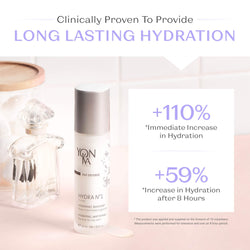
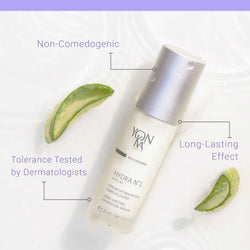
The key is to choose a "fluide" or a light cream that provides hydration without heavy oils. Nude Perfect Fluide is a multi-function treatment that acts as a daily moisturizer while providing a "blur" effect. It helps to minimize the appearance of pores and fine lines while creating a matte finish that lasts all day. If your skin feels particularly dehydrated, Hydra N°1 Fluide provides lightweight hydration in a non-greasy format.
The Role of the Quintessence in Oily Skin Care
The heart of the Yon-Ka Paris experience is our Quintessence. This synergistic blend of five essential oils is not just for fragrance; it is the cornerstone of our efficacy. For someone seeking how to clean oily skin face, these oils provide distinct cosmetic benefits:
- Lavender (Lavandula angustifolia): Known for its soothing properties, it helps calm the appearance of redness often associated with oily, blemish-prone skin.
- Geranium (Pelargonium graveolens): Offers astringent benefits, helping to balance the look of the skin.
- Rosemary (Rosmarinus officinalis): A detoxifying botanical that helps the skin appear clear and revitalized.
- Cypress (Cupressus sempervirens): Helps to tone the appearance of the skin and improve the look of congestion.
- Thyme (Thymus vulgaris): Provides potent purifying properties to help maintain a clear-looking complexion.
To learn more about the brand’s ingredient philosophy, visit our formulations page.
By incorporating these oils into our cleansers and mists, we provide a sensorial experience that also supports the skin's natural ability to stay balanced.
Weekly Rituals: Deep Cleansing with Clay
Beyond the daily routine, a weekly deep-cleansing ritual can significantly improve the texture of oily skin. Clay masks are highly effective at drawing out impurities and absorbing excess surface oil.
Masque 103 is a triple-clay mask (montmorillonite, bentonite, and kaolin) specifically designed for oily skin. Unlike many clay masks that crack and dry out the skin, ours is formulated to remain comfortable. It purifies the skin, tightens the look of pores, and leaves the complexion looking exceptionally bright.
Key Takeaway: Proper care for oily skin is about "managing" rather than "eliminating." By using gentle, phyto-aromatic products that hydrate while they purify, you prevent the cycle of irritation and excess oil production.
Morning vs. Evening Rituals for Oily Skin
How you clean your skin in the morning should differ slightly from your evening routine. While the goal is balance in both cases, the environmental stressors your skin faces change throughout the day.
| Step | Morning Ritual | Evening Ritual |
|---|---|---|
| Cleanse | Gel Nettoyant to remove overnight sebum. | Lait Nettoyant followed by Gel Nettoyant to remove makeup and pollution. |
| Mist | Lotion Yon-Ka PNG to energize and refine. | Lotion Yon-Ka PNG to soothe and prep for repair. |
| Exfoliate | Skip (unless using as a quick pick-me-up). | Gommage Yon-Ka (1-3 times per week). |
| Treat | Serum C20 for antioxidant protection. | Juvenil on any active spots or congestion. |
| Moisturize | Nude Perfect Fluide for a matte finish. | Hydra N°1 Fluide for deep overnight hydration. |
| Protect | Broad-spectrum SPF (mandatory). | Skip. |
For a routine built around your own skin profile, try the Skin Diagnosis quiz or use the Product Matcher.
Common Mistakes to Avoid
In the pursuit of a matte complexion, many people fall into habits that actually worsen their skin's condition. If you are struggling with how to clean oily skin face, ensure you are not making these common errors:
1. Using Alcohol-Based Astringents Many traditional toners for oily skin are packed with isopropyl alcohol. This provides an immediate cooling sensation and removes oil, but it also dissolves the skin's lipid barrier. This leads to increased sensitivity and eventual rebound oiliness.
2. Over-Washing Washing your face more than twice a day (unless you have had a particularly sweaty workout) is usually unnecessary. Frequent washing can disrupt the skin's microbiome, the community of beneficial bacteria that helps keep your skin clear.
3. Neglecting Sun Protection Some people believe that the sun "dries out" oily skin and helps clear blemishes. In reality, UV damage thickens the outer layer of the skin, which can trap sebum and lead to even more congestion. Always use a non-comedogenic sunscreen during the day. For daytime routines, the Sun Care collection is a helpful place to start.
4. Picking and Squeezing While it is tempting to manually clear a clogged pore, this often pushes bacteria deeper and causes scarring. Instead, rely on professional-grade products like Emulsion Pure, which is a quintessential Yon-Ka treatment for blemish-prone skin, designed to be used as a compress to help clear the skin's appearance naturally.
Essential Oil Safety and Best Practices
Because our formulas are highly active and rich in essential oils, we always recommend a mindful approach when introducing them to your ritual. The botanical world is powerful, and your skin needs time to acclimate to these concentrated ingredients.
- Patch Test: Before applying a new product to your entire face, apply a small amount to your inner forearm. Wait 24 hours to ensure no redness or irritation occurs.
- Introduce Slowly: If you are moving from a very basic routine to a full phyto-aromatic ritual, introduce one new product every few days.
- Sensations: A slight, brief tingling sensation is often normal when using essential oils, as it indicates the actives are working. However, if you experience persistent redness, itching, or heat, discontinue use and consult a professional.
- Medical Advice: If you have severe cystic acne, persistent rosacea, or sudden inflammatory changes, it is important to consult a dermatologist or physician. Skincare products are designed to support the appearance of the skin but are not medical treatments.
When to Seek Professional Guidance
While home care is the foundation of skin health, the expertise of a trained esthetician can take your results to the next level. Professional treatments often include deeper exfoliation and extraction techniques that are safer and more effective than anything you can do at home.
The Yon-Ka professional treatment "Le Grand Classique" is a world-renowned deep pore cleansing facial. It involves a five-step purification process that leaves the skin perfectly balanced and oxygenated. If you find that your oily skin is particularly stubborn, visiting a spa for a professional assessment and treatment can provide the "reset" your skin needs. You can use our Spa Treatments page or find a Yon-Ka spa near you.
Conclusion
Mastering how to clean oily skin face is an act of balance. It requires moving away from the "strip and scrub" mentality and moving toward a ritual of respect and botanical nourishment. By choosing professional-grade cleansers like Gel Nettoyant, utilizing the balancing power of Lotion Yon-Ka PNG, and ensuring the skin remains hydrated with Nude Perfect Fluide, you can achieve a complexion that looks clear and sophisticated.
Our French heritage is rooted in the belief that skincare is a ritual worth savoring, built on the power of plants and 70 years of phyto-aromatic expertise. We invite you to discover the specific needs of your complexion by taking our Skin Diagnosis quiz or using the Product Matcher to build your custom ritual.
Bottom line: A clear, matte complexion is not achieved through aggression, but through the consistent application of gentle, purifying botanical actives that respect the skin's natural barrier.
FAQ
How often should I clean my oily skin face?
You should clean your face twice daily—once in the morning to remove overnight sebum and once in the evening to remove makeup, sweat, and pollution. Over-cleansing more than twice a day can actually trigger reactive oil production by stripping the skin's natural moisture barrier. If you want to compare product options, browse our cleansers and makeup removers.
Why does my skin still feel oily even after I wash it?
This can happen if you are using a cleanser that is too harsh, causing the skin to produce more oil to compensate for being stripped. It can also occur if you are skipping moisturizer, which leads to surface dehydration and a subsequent "oil slick" as the skin tries to protect itself.
Can I use face oils if I have oily skin?
Yes, but you must choose the right ones. Many essential oils and high-quality plant oils are non-comedogenic and can actually help balance the skin's natural oil production. For example, the essential oils in our Quintessence help purify and tone the appearance of oily skin without clogging pores.
What is the best way to prevent midday shine?
The best way to prevent shine is to use a mattifying moisturizer like Nude Perfect Fluide in the morning and to keep your skin hydrated. Dehydrated skin often looks shinier because the surface is rough and reflects light unevenly, while also overproducing oil to fix the lack of water. For more guidance on balancing oil and hydration, read our oily skin hydration guide.