Table of Contents
- Introduction
- Understanding the Nature of Dry Skin
- Identifying the Causes of Facial Dryness
- The Yon-Ka Phyto-Aromatic Approach to Dryness
- Building a Daily Ritual for Dry Skin
- Weekly Specialized Care for Deep Nourishment
- Essential Oil Safety and Best Practices
- Lifestyle Adjustments for Lasting Results
- The Spa Connection: Professional Care
- Conclusion
- FAQ
Introduction
Experiencing the sensation of tightness or noticing fine, flaky patches after applying your makeup can be more than just a minor frustration; it is your skin’s way of signaling for help. When the complexion loses its suppleness, the daily ritual of skincare becomes less about maintenance and more about restorative comfort. At Yon-Ka Paris, we understand that dry skin requires a delicate balance of botanical nourishment and pharmaceutical-grade precision to regain its natural radiance. This guide will explore the biological causes of dryness, the essential ingredients that support a healthy moisture barrier, and a step-by-step phyto-aromatic routine to transform your skin’s texture. By shifting from a "fix-it" mindset to a consistent, plant-based ritual, you can effectively manage how to care for dry skin face and maintain a soft, luminous appearance.
Quick Answer: Caring for dry skin on the face requires a gentle, barrier-respecting routine that emphasizes lipid replenishment and deep hydration. This is achieved by avoiding harsh surfactants, using alcohol-free mists to prepare the skin, and layering oil-in-serums with rich, emollient moisturizers that lock in moisture.
Understanding the Nature of Dry Skin
To properly address dryness, we must first understand what is happening beneath the surface of the skin. Dry skin is a skin type characterized by a lack of oil (lipids), whereas dehydrated skin is a temporary condition caused by a lack of water. When your skin is naturally dry, your sebaceous glands do not produce enough sebum to create a strong protective seal.
The stratum corneum, or the outermost layer of your skin, acts as a protective shield. In a healthy state, this barrier is composed of skin cells held together by a "mortar" of lipids, including ceramides, cholesterol, and fatty acids. When these lipids are depleted, the barrier becomes porous. This leads to what professionals call trans-epidermal water loss (TEWL), where moisture evaporates into the air, leaving the skin vulnerable to irritants.
Common symptoms of dry facial skin include a persistent feeling of tightness, especially after cleansing, and a rough or "sandpaper" texture. In more advanced stages, you may notice visible flaking, redness, or fine lines that appear more prominent due to the lack of volume that hydration provides. For those with darker skin tones, dryness may manifest as an "ashy" or gray-colored complexion.
Identifying the Causes of Facial Dryness
The reasons for a dry complexion are often a combination of internal biological factors and external environmental stressors. By identifying these triggers, we can better tailor our approach to how to care for dry skin face.
External Environmental Stressors
Environmental conditions play a massive role in how our skin retains moisture. During the winter months, low humidity levels and cold winds strip the skin of its natural oils. Conversely, in the summer, excessive air conditioning and sun exposure can lead to significant dehydration.
Chlorine from swimming pools and long, hot showers are also frequent culprits. While hot water may feel relaxing, it actually dissolves the protective oils on the skin's surface, leading to immediate tightness once you step out of the shower.
Internal and Biological Factors
As we age, our skin’s natural ability to produce sebum decreases. This decline often becomes more noticeable after the age of 40, as hormonal shifts—including those during menopause—can lead to a thinner, drier epidermis. Genetics also dictate your baseline skin type; some individuals are simply born with fewer oil glands.
Dietary choices and hydration levels also impact the skin's appearance. A lack of essential fatty acids, such as Omega-3 and Omega-6, can compromise the integrity of the skin barrier. While drinking water is vital for overall health, topical intervention is usually required to address dryness on the face specifically.
| Factor | Impact on Skin | Mitigation Strategy |
|---|---|---|
| Hot Water | Strips natural oils and lipids. | Use lukewarm water for all cleansing. |
| Low Humidity | Increases moisture evaporation (TEWL). | Use a humidifier in the bedroom. |
| Aging | Slows down oil production and cell turnover. | Use lipid-restoring serums and rich creams. |
| Harsh Cleansers | Disrupts the acidic pH of the skin. | Switch to soap-free, milky cleansers. |
The Yon-Ka Phyto-Aromatic Approach to Dryness
Our philosophy is rooted in the belief that skincare should be a holistic, sensorial experience that delivers professional-grade results. We utilize the power of phyto-aromatics—the fusion of plant extracts and essential oils—to support the skin's natural healing processes.
At the heart of our formulations is the Quintessence. This exclusive complex of five essential oils—lavender, geranium, rosemary, cypress, and thyme—serves as the foundation for our products. Learn more in our ingredients overview. This 100% natural and active blend does more than provide a beautiful scent; it helps to balance the skin, provide antioxidant support, and enhance the efficacy of the other botanical ingredients in your ritual.
Key Takeaway: Dry skin lacks the essential oils needed to maintain a strong barrier. Successful care focuses on replenishing these lipids through botanical oils and sealing in hydration with barrier-repairing creams.
Building a Daily Ritual for Dry Skin
Effective care for dry skin is not about a single miracle product; it is about the cumulative effect of a consistent, layered ritual. We recommend following a specific order to maximize the absorption and benefits of each formula.
Step 1: Gentle, Barrier-Respecting Cleansing
The most common mistake those with dry skin make is using a foaming cleanser. Many foaming agents, such as SLS, are too aggressive for a dry complexion. Instead, reach for a creamy, non-foaming option like Lait Nettoyant. This cleansing milk gently lifts away impurities and makeup while maintaining the skin’s hydro-lipidic film. It leaves the skin feeling supple rather than stripped.
Step 2: The Essential Phyto-Aromatic Mist
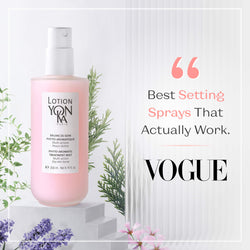
Traditional toners are often astringent and drying, but a phyto-aromatic mist is different. After cleansing, spray a generous amount of Lotion Yon-Ka PS over the face and neck. This alcohol-free mist is a cornerstone of our ritual. It rebalances the skin's pH, provides immediate hydration, and acts as a "carrier" for the products that follow.
Step 3: Targeted Treatment with Serums
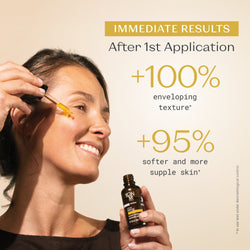
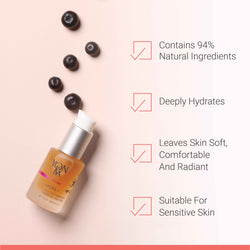
Serums are highly concentrated formulas designed to penetrate deeper into the skin. For those struggling with intense dryness and a compromised barrier, Serum Omega is an exceptional choice. This oil-in-serum is rich in skin-repairing essential fatty acids that help to "repair" the mortar between your skin cells.
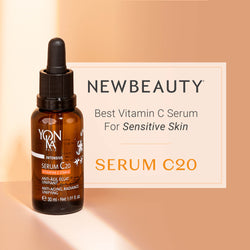
If your primary concern is a dull appearance alongside dryness, Serum C20 can be introduced. It features a stable form of 20% Vitamin C to brighten the skin's appearance while organic pomegranate oil provides a nourishing base.
Step 4: Intensive Moisturizing
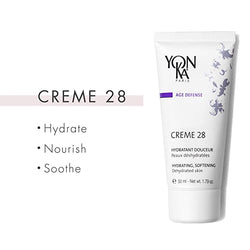
The moisturizing step is where you provide the final seal of protection. For deep, long-lasting hydration, Creme 28 is our go-to recommendation. It contains humectants and nourishing botanicals that help smooth the appearance of dehydration lines and provide comfort throughout the day.
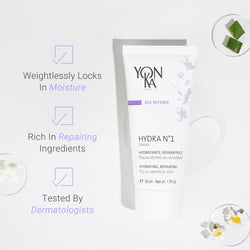
For skin that feels especially depleted, choose a richer moisturizer that supports the skin’s natural defenses against environmental stressors.
Step 5: Daytime Protection
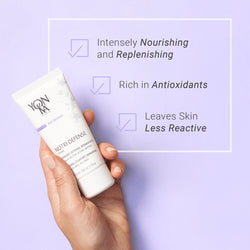
Sun protection is non-negotiable, even for dry skin. UV rays damage the skin barrier and accelerate the aging process, which further exacerbates dryness. Choose a broad-spectrum SPF of at least 30. During the day, you might also enjoy the antioxidant benefits of a daily protective moisturizer.
Weekly Specialized Care for Deep Nourishment
While a daily routine provides the foundation, weekly "booster" treatments can offer a more intensive level of care similar to what you would experience in a professional spa setting.
The Power of Grain-Free Exfoliation
Many people with dry skin avoid exfoliation because they fear it will cause more irritation. However, removing dead skin cells is essential so that your moisturizers can actually reach the living tissue. Gommage Yon-Ka is a unique, grain-free exfoliator that uses carob and lime essential oil to gently lift away debris without any harsh scrubbing. It is so gentle it can even be used on the eyelids.
Hydrating Masks
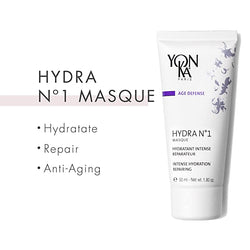
A weekly mask can provide a "hydration bath" for the skin. A deeply hydrating mask can be applied in a thick layer for 10–15 minutes, or even left on overnight for an intensive treatment. This is particularly helpful during air travel or after a day spent in harsh weather.
Eye and Lip Contours
The skin around the eyes is significantly thinner and lacks oil glands, making it the first place dryness-induced fine lines appear. For the eye area, choose a targeted contour cream designed to help visibly firm and comfort delicate skin. For the lips, ensure you are using a nourishing balm to prevent chapping.
Essential Oil Safety and Best Practices
Because our products contain active essential oils and botanical extracts, we advocate for mindful application.
- Patch Test: When introducing a new product, apply a small amount to the inner forearm and wait 24 hours to ensure compatibility.
- Gradual Introduction: Introduce one new active product at a time to allow your skin to adjust.
- Tingling Sensations: A slight, temporary tingling can be normal due to the activity of the essential oils. However, if you experience persistent redness, itching, or heat, reduce the frequency of use or discontinue.
- Professional Guidance: If you have a history of severe skin conditions like rosacea or eczema, consult your physician or a dermatologist before starting a new regimen.
Lifestyle Adjustments for Lasting Results
Addressing how to care for dry skin face also involves looking at your environment and habits. Skincare works best when supported by a healthy lifestyle.
- Invest in a Humidifier: Especially in the winter, a humidifier adds much-needed moisture to the air in your bedroom, preventing your skin from drying out overnight.
- Adjust Water Temperature: Wash your face with lukewarm water. If the water is too hot for a baby's skin, it is too hot for your face.
- Eat Your Healthy Fats: Incorporate walnuts, flaxseeds, salmon, and avocados into your diet to support your skin's lipid production from the inside out.
- Pat, Don't Rub: After washing your face, gently pat it dry with a soft cotton towel. Never rub, as the friction can damage a fragile skin barrier.
- Moisturize on Damp Skin: Apply your mists and creams while the skin is still slightly damp to help "lock in" that extra moisture.
The Spa Connection: Professional Care
Our heritage is deeply rooted in the professional spa world. Founded in 1954 by the Mühlethaler family, nearly all our formulas were first perfected in the treatment room. If your dry skin feels unmanageable at home, we recommend visiting a certified professional. A Yon-Ka esthetician can perform advanced treatments that use professional-grade concentrations and techniques to jumpstart your skin’s recovery. You can find a local partner by using our Spa Locator on our website.
Conclusion
Caring for dry skin is a journey of restoration and protection. By choosing products that respect the skin's natural pH and provide a rich supply of botanical lipids and humectants, you can move away from the discomfort of tightness toward a complexion that feels resilient and soft. The Yon-Ka Paris commitment to phyto-aromatic excellence ensures that every step of your ritual—from the first mist of Lotion Yon-Ka to the final application of Creme 28—is both effective and a moment of genuine well-being.
- Prioritize gentle cleansing to keep your natural oils intact.
- Layer your hydration by using a mist, a serum, and a moisturizer.
- Exfoliate gently with grain-free formulas to improve product absorption.
- Protect your barrier from environmental extremes and UV damage.
"Skincare is not just a daily task; it is a ritual of self-care that connects the power of nature with the science of the skin."
To discover the perfect combination of products for your specific needs, we invite you to take our Skin Diagnosis quiz or use the Product Matcher on our website. Embracing a consistent, plant-based routine is the most effective way to care for your skin for years to come.
FAQ
What is the difference between dry skin and dehydrated skin?
Dry skin is a skin type that lacks natural oil (sebum) and lipids, often resulting in a persistent rough texture and flaking. Dehydrated skin is a temporary condition where the skin lacks water, often caused by environment or lifestyle, and it usually feels tight but can still produce oil.
Can I exfoliate if my face is currently flaking?
Yes, but you must be extremely gentle. Avoid mechanical scrubs with harsh beads, which can tear the skin. Instead, use a grain-free exfoliator like Gommage Yon-Ka, which helps remove dead skin cells without friction, allowing your moisturizers to penetrate more effectively.
Is it better to use a face oil or a cream for dry skin?
For the best results, we recommend using both. An oil-in-serum like Serum Omega replenishes the essential fatty acids the skin barrier needs, while a cream like Creme 28 provides humectants to pull in water and emollients to seal the surface.
Why does my face feel tight even after I moisturize?
This often happens if the skin barrier is severely compromised or if you are using a moisturizer that doesn't have enough "occlusive" ingredients to prevent moisture from evaporating. Ensure you are applying your products to damp skin and consider adding a richer Yon-Ka moisturizer for extra protection.
Which Yon-Ka products help with dry skin and early signs of aging?
If dryness is paired with visible lines or loss of radiance, the anti-aging collection is a useful place to explore complementary options.