Table of Contents
- Introduction
- Understanding the Causes of Dry Skin
- The Science of Moisture: Humectants, Emollients, and Occlusives
- The Phyto-Aromatic Approach to Hydration
- A Step-by-Step Ritual to Add Moisture to Dry Skin
- Nighttime Recovery: The Window for Deep Repair
- Beyond the Bottle: Lifestyle Habits for Supple Skin
- Professional Care for Deep Hydration
- Conclusion
- FAQ
Introduction
There is a unique, sensorial joy in skin that feels truly supple, comfortable, and alive. When your complexion is properly hydrated, it possesses a natural luminosity and a smooth, velvet-like texture that makes every ritual feel rewarding. However, many of us struggle with the persistent tightness and dullness that come when the skin loses its vital water and oil reserves. At Yon-Ka Paris, we believe that learning how to add moisture to dry skin is more than a quick fix; it is an invitation to create a nurturing, phyto-aromatic ritual that respects the skin’s delicate ecosystem. This article will explore the biological needs of dry skin, the essential ingredients that restore its barrier, and a professional-led approach to achieving a soft, dewy glow. We will provide you with a clear roadmap to transform your daily routine into a restorative experience that provides lasting comfort.
Understanding the Causes of Dry Skin
Before we can effectively replenish the skin, we must understand why it feels parched in the first place. Dryness is often a result of a compromised skin barrier, the outermost layer known as the stratum corneum. This layer acts as a "brick and mortar" shield, where skin cells (the bricks) are held together by lipids (the mortar). When this barrier is healthy, it traps moisture inside and keeps environmental irritants out.
Environmental stressors are the most common culprits for sudden dryness. Cold winter air holds very little humidity, which causes moisture to evaporate from the skin more quickly—a process known as trans-epidermal water loss (TEWL). Similarly, indoor heating and air conditioning systems strip the air of moisture, creating a desert-like environment for your face.
Lifestyle habits also play a significant role. Using water that is too hot during your morning shower can dissolve the natural oils that protect your skin, leaving it vulnerable. Harsh soaps and alkaline cleansers can further disrupt the skin's pH, weakening the barrier and leading to that familiar feeling of post-wash tightness. As we age, our skin naturally produces fewer lipids and its ability to retain moisture decreases, making a dedicated hydration strategy even more essential. For a deeper look at Yon-Ka’s ingredient philosophy, explore Our Ingredients.
Dry Skin vs. Dehydrated Skin
It is critical to distinguish between skin that is "dry" and skin that is "dehydrated," as they require different solutions. Dry skin is a skin type characterized by a lack of oil (lipids). If your skin is naturally dry, it may feel rough, look flaky, and have almost invisible pores. Dehydrated skin, on the other hand, is a temporary condition characterized by a lack of water. Even oily skin types can become dehydrated. Dehydrated skin often looks dull, feels tight, and may show fine "crepe-like" lines when pinched. Most people seeking how to add moisture to dry skin are actually dealing with a combination of both—a lack of oil to seal the barrier and a lack of water to plump the cells.
The Science of Moisture: Humectants, Emollients, and Occlusives
To effectively restore your complexion, you need a balanced "wardrobe" of ingredients. A single heavy cream is rarely enough; you need a strategic combination of three types of moisturizing agents to address the skin's needs at every level.
- Humectants: These are moisture-magnets. Ingredients like Hyaluronic Acid, Glycerin, and Sorbitol draw water from the atmosphere (or the deeper layers of your skin) into the surface cells. They provide that immediate "plump" look and are essential for quenching dehydrated skin.
- Emollients: These ingredients act as the "mortar" for your skin cells. They fill in the tiny gaps between skin cells to create a smooth, soft surface. Plant oils, such as Grape Seed Oil or Hazelnut Oil, and butters like Shea Butter are exceptional emollients that restore flexibility to the skin.
- Occlusives: These are the sealants. They form a protective film on the skin's surface to prevent moisture from escaping. While some synthetic occlusives can feel heavy, botanical waxes and certain high-quality plant oils provide excellent occlusive benefits without clogging pores.
Quick Answer: Adding moisture to dry skin requires a layered approach: first, use humectants to draw water in, then emollients to smooth the surface, and finally occlusives to seal everything in. Consistency with a gentle, barrier-respecting ritual is the key to lasting comfort.
The Phyto-Aromatic Approach to Hydration
Our legacy at Yon-Ka Paris is built on the belief that the most effective skincare comes from a fusion of pharmaceutical rigor and the soul of botanical science. For over 70 years, we have championed the use of phyto-aromatic ingredients—plant extracts and essential oils—that work in harmony with the skin's natural rhythms.
At the heart of our formulations is the Quintessence. This exclusive complex of five essential oils—Lavender, Geranium, Rosemary, Cypress, and Thyme—is 100% natural and active. It does more than provide a spa-like aroma; it helps to revitalize the appearance of the skin and supports the efficacy of the other hydrating ingredients in your routine. For dry skin, the soothing properties of Lavender and the balancing nature of Geranium are particularly beneficial, helping to calm the redness and irritation that often accompany dryness.
Note: Because our formulas contain active essential oils, we always recommend a patch test when introducing a new product to your ritual. Apply a small amount to your inner forearm and wait 24 hours to ensure your skin welcomes the botanical blend. A slight, brief tingling can be normal, but persistent redness means you should consult a professional.
A Step-by-Step Ritual to Add Moisture to Dry Skin
Achieving long-term hydration is about the way you apply your products just as much as the products themselves. By layering your skincare in a specific order, you maximize absorption and ensure that moisture stays locked where it belongs. If you want to browse a broader range of options, start with our face moisturizers collection.
Step 1: Respectful Cleansing
The most common mistake when treating dry skin is using a cleanser that is too aggressive. If your skin feels "squeaky clean," you have likely stripped away the very lipids that keep your skin healthy.
Lait Nettoyant is our signature cleansing milk, designed specifically to respect the skin’s acid mantle. This silky, water-soluble emulsion removes makeup and impurities while depositing a veil of comfort. When you cleanse, use lukewarm water—never hot—and use your fingertips in gentle, circular motions. Instead of rubbing your face dry with a rough towel, gently pat your skin so it remains slightly damp for the next step.
Step 2: The Essential Mist
Applying moisturizer to bone-dry skin is like trying to hydrate a dried-out sponge; the water just sits on the surface. To prep the skin, you must use a toning mist. This step is the "bridge" between cleansing and treating.
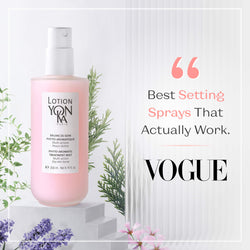
Lotion Yon-Ka PS is more than just a toner. This alcohol-free, phyto-aromatic mist douses the skin in moisture and optimizes the absorption of subsequent serums. By misting your skin and then applying your serum while the skin is still damp, you effectively "trap" that extra hydration in the deeper layers of the epidermis. For more education on how hydrating and moisturizing differ, read What Is the Difference Between Hydrating & Moisturizing?.
Step 3: Targeted Treatment with Serums
Serums are the heavy lifters of any routine. They contain concentrated active ingredients designed to penetrate deeply. For those struggling with how to add moisture to dry skin, a water-based serum followed by an oil-based elixir is a professional-level secret for restoration.
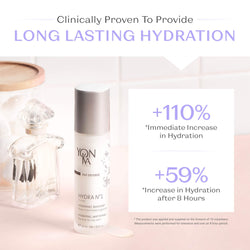
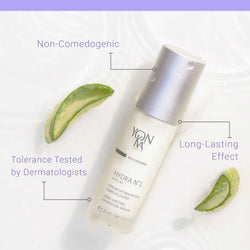
Hydra n°1 Serum is an intensive "long-lasting" hydration booster. It utilizes two molecular weights of Hyaluronic Acid to hydrate the skin at different depths. While the serum provides the water, your skin also needs lipids if it is chronically dry. Serum Omega is a magnificent oil-in-serum that delivers essential fatty acids from sea buckthorn and pomegranate. It helps to repair the skin's appearance and provides that "cushion" feeling that dry skin craves. You can also browse our serums and elixirs collection for more targeted treatments.
Step 4: Moisturize and Protect
The final layer of your morning ritual should be a cream that provides a protective barrier against the environment. This layer seals in all the goodness from your mist and serums.
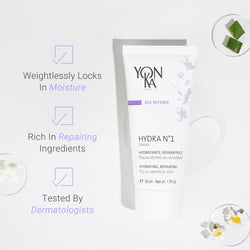
For intense comfort, Hydra n°1 Crème is an excellent choice. It is enriched with shea butter and grape seed oil, providing a rich, enveloping texture that protects against environmental aggression. If you find your skin feels particularly "parched" by mid-afternoon, you can mix a few drops of Nutri + Booster into your cream. This oil-based booster is packed with antioxidant-rich cereal oils to provide an extra layer of nourishment.
Key Takeaway: Always apply your serums and moisturizers to damp skin. This simple adjustment to your ritual helps "lock in" the moisture from your toning mist, significantly increasing the hydration levels of your skin.
Nighttime Recovery: The Window for Deep Repair
While you sleep, your skin enters a state of repair and regeneration. This is the best time to use richer, more intensive treatments that might feel too heavy for daytime wear. The goal at night is to provide the skin with the raw materials it needs to rebuild its barrier for the following day.
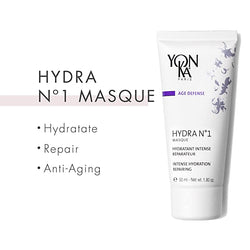
Hydra n°1 Masque is a true hero for dry skin. While it can be used as a traditional mask for 10 minutes, we often recommend applying a thin layer as an overnight treatment. You will wake up to skin that looks visibly plumper and feels remarkably soft.
For those who notice that dryness is accompanied by a lack of firmness, Phyto 52 is a refined choice. This rosemary-infused firming cream revitalizes the skin's appearance. If your skin feels dull and rough to the touch, incorporating Glyconight 10% Masque once or twice a week can help. This glycolic acid peeling mask gently removes the dead skin cells that prevent your moisturizers from penetrating effectively, allowing your hydrating products to work much harder.
Beyond the Bottle: Lifestyle Habits for Supple Skin
Skincare is a holistic endeavor. While high-performance products are the foundation, your environment and habits can either support or sabotage your efforts to add moisture to your skin.
- Invest in a Humidifier: This is perhaps the most impactful change you can make for dry skin, especially during the winter. By keeping the indoor humidity above 30-40%, you significantly reduce the amount of water your skin loses to the air while you sleep.
- Shorten Your Showers: Limit your showers to 5–10 minutes and use lukewarm water. Hot water is a solvent that strips natural oils.
- Laundry Care: If your skin is dry and sensitive, avoid fabric softeners and heavily scented detergents, which can leave irritating residues on your pillowcases and towels.
- Strategic Exfoliation: It may seem counterintuitive to exfoliate dry skin, but a buildup of dead cells creates a barrier that prevents your creams from soaking in. Use a gentle, grain-free exfoliator like Gommage Yon-Ka, which hydrates while it clarifies, rather than a harsh scrub.
- Dietary Support: While drinking water is essential for overall health, "eating" your water through moisture-rich fruits and vegetables and consuming healthy fats (Omega-3s found in walnuts, flaxseed, or salmon) supports your skin's lipid barrier from the inside out.
Professional Care for Deep Hydration
Sometimes, the skin reaches a level of dryness that requires a professional touch. A professional esthetician can perform advanced treatments that use specialized techniques and higher concentrations of active ingredients to reset your skin’s moisture levels.
If you find that your home care is not providing the results you desire, we encourage you to use our Spa Locator to find a partner spa. A professional "Grand Classique" or a dedicated hydration treatment can provide a deep "reset" for your complexion. These treatments often include specialized massage techniques that improve circulation and ensure that every botanical active is absorbed deeply.
Conclusion
Adding moisture to dry skin is an act of patience and ritual. By understanding the science of the skin barrier and choosing products that offer a harmony of humectants, emollients, and occlusives, you can transform a dull, tight complexion into one that is radiant and resilient. Remember that your skin's needs change with the seasons and with the stages of your life; staying attuned to these shifts and adjusting your ritual accordingly is the secret to lifelong skin health.
At the heart of Yon-Ka Paris is a commitment to your wellbeing and the belief that every person deserves to feel comfortable in their skin. Whether you are beginning with our signature mist or seeking a deep nighttime recovery treatment, we invite you to embrace the power of phyto-aromatic care. To find the perfect combination for your unique skin type, we recommend browsing our face moisturizers collection or visiting What Are the Best Face Moisturizers for Dry Skin?.
"Skincare is not just a routine; it is a moment of reconnection with yourself, powered by the restorative energy of nature."
Your Next Steps:
- Explore our Hydra n°1 Collection for intensive moisture.
- Take the Skin Diagnosis Quiz for a personalized recommendation.
- Find a professional treatment near you using our Spa Locator.
FAQ
What is the difference between dry and dehydrated skin?
Dry skin is a skin type that lacks natural oils (lipids), often appearing flaky or rough with small pores. Dehydrated skin is a temporary condition where the skin lacks water, which can cause it to look dull and feel tight, even if you have an oily skin type.
Can I use a face oil if I have dry skin?
Yes, face oils are excellent for dry skin as they provide the essential lipids (emollients) that the skin is failing to produce. For the best results, apply an oil-based elixir like Serum Omega over a water-based serum to lock in hydration and repair the skin's barrier.
How often should I exfoliate if my skin is very dry?
You should exfoliate once or twice a week using a very gentle, non-abrasive product. Removing dead skin cells is necessary so that your moisturizers can penetrate effectively, but over-exfoliating can further damage the barrier and lead to more dryness.
Why does my skin still feel dry even after I moisturize?
This often happens if you are applying moisturizer to bone-dry skin or if your cream lacks the right balance of humectants and occlusives. Ensure you are using a mist like Lotion Yon-Ka PS first to dampen the skin, which helps "trap" moisture and allows your cream to work more effectively.