Table of Contents
- Introduction
- Why Dry Skin Collects on the Face
- The Professional Approach to Exfoliation
- Step-by-Step: How to Safely Remove Dry Skin
- Understanding the Difference Between Dry and Dehydrated Skin
- Common Mistakes to Avoid
- The Role of Lifestyle in Preventing Flaky Skin
- Advanced Solutions: When to See a Professional
- Conclusion
- FAQ
Introduction
Waking up to find flaky, rough patches on your cheeks or forehead can be a frustrating start to the day. Whether it is the way your foundation clings to dry spots or the tight, uncomfortable sensation of a parched complexion, dead skin buildup is a common concern that many of us face. At Yon-Ka Paris, we believe that achieving a smooth, radiant glow is not about aggressive scrubbing, but rather about supporting the skin's natural renewal process with professional-grade botanical care. This article will explore the most effective and gentle methods to remove dry skin, the science behind cellular turnover, and the essential ritual steps to keep your face feeling soft and hydrated. By understanding how to properly exfoliate and nourish your skin, you can transform a dull appearance into a luminous, healthy-looking complexion.
Quick Answer: To safely get dry skin off your face, use a gentle grainless exfoliator or a mild chemical peel containing AHAs to dissolve dead cells without irritation. Follow immediately with a hydrating toner and a rich moisturizer to seal in moisture and protect the skin barrier.
Why Dry Skin Collects on the Face
Before we discuss how to remove it, it is helpful to understand why those flakes appear in the first place. Your skin is a dynamic organ that constantly regenerates. Deep in the dermis (the middle layer of skin), new cells are born and gradually travel upward to the epidermis (the surface layer). By the time they reach the top, they have flattened and hardened into dead skin cells.
Under normal circumstances, these cells shed naturally every 28 to 30 days in a process called desquamation. However, this cycle can be disrupted by various factors. As we age, our natural cell turnover slows down, meaning dead cells linger on the surface longer, leading to a dull or "ashy" appearance. Environmental stressors like cold winter air, low humidity, and UV exposure can also zap moisture from the skin, causing those cells to clump together and flake rather than shedding invisibly.
Sometimes, the products we use are the culprits. Harsh soaps or alcohol-based toners can strip away the natural sebum (oil) that keeps the skin barrier intact. When this barrier is compromised, moisture escapes—a process known as transepidermal water loss (TEWL)—leaving the surface brittle and prone to flaking.
The Professional Approach to Exfoliation
When you see flakes, your first instinct might be to reach for a gritty face scrub and start buffing. However, mechanical exfoliation with large, irregular particles like crushed walnut shells or apricot pits can actually create "micro-tears" in the skin. These tiny injuries weaken your defense against bacteria and irritants, often leading to more redness and even more dryness in the long run.
In the world of professional skincare, we prioritize methods that respect the skin's integrity. There are two primary ways to effectively and safely get dry skin off your face: grainless (enzymatic/manual) exfoliation and chemical exfoliation.
Grainless Manual Exfoliation
For those with sensitive or very dry skin, a grainless exfoliator is a revelation. Instead of using friction from beads, these formulas often use botanical extracts and gentle friction to lift away dead cells.
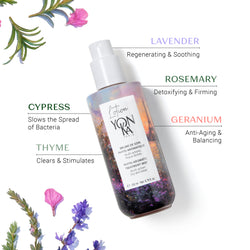
Our Gommage Yon-Ka is a prime example of this professional heritage. This 4-in-1 botanical "peel" is grain-free and uses carob and brown seaweed extracts to gently lift debris. You apply it in a thin layer, let it set slightly, and then "roll" it off with your fingertips. This action physically lifts the dead skin without the harshness of a traditional scrub. It also contains lime essential oil and the Yon-Ka Quintessence—our signature blend of lavender, geranium, rosemary, cypress, and thyme—to soothe and brighten the appearance of the skin simultaneously.
Chemical Exfoliation (AHAs and BHAs)
Chemical exfoliation sounds intimidating, but it is often much gentler than a physical scrub. These "acids" work by dissolving the "glue" that holds dead skin cells together, allowing them to wash away effortlessly.
- AHAs (Alpha Hydroxy Acids): Ingredients like glycolic acid and lactic acid are water-soluble and excellent for treating the surface of the skin. They help smooth texture and are ideal for dry, sun-damaged skin.
- BHAs (Beta Hydroxy Acids): Salicylic acid is the most common BHA. It is oil-soluble, meaning it can get deep into the pores to clear out excess sebum. This is often better for combination or blemish-prone skin.
For a deeper but still gentle overnight treatment, a product like Glyconight 10% Masque uses glycolic acid to refine the skin's texture while you sleep. By the time you wash your face in the morning, the dull, dry cells have been loosened, revealing a fresher-looking surface.
Step-by-Step: How to Safely Remove Dry Skin
Removing dry skin is not just about the exfoliation step; it is about the entire ritual. If you exfoliate without properly preparing and following up, you risk further dehydration.
Step 1: Cleanse with Care
Always start with a clean canvas. Use a gentle, barrier-respecting cleanser like Lait Nettoyant. This cleansing milk is rich in skin-softening ingredients and does not use harsh surfactants that strip the skin. Use lukewarm water—never hot, as heat can further dissolve the protective oils your dry skin is already lacking.
Step 2: The Exfoliation Phase
Choose your method based on your skin's current state. If your skin is actively flaking and feels sensitive, reach for Gommage Yon-Ka. Apply it to the face and neck, and use the "gommage" (erasing) technique to lift the flakes. If your skin is dull but not overly sensitive, a chemical exfoliant like a 10% glycolic acid mask can be used 1-2 times per week at night.
Step 3: Rebalance and Hydrate
Immediately after exfoliating, your skin is most receptive to moisture. Mist your face with Lotion Yon-Ka PS. This is not a traditional astringent toner; it is a phyto-aromatic healing water that rehydrates the epidermis and prepares it to absorb the serums that follow. Misting is a crucial step in the Yon-Ka ritual to "quench" the skin.
Step 4: Intensive Treatment
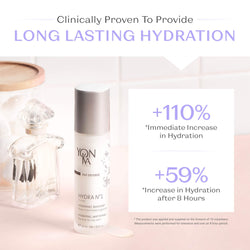
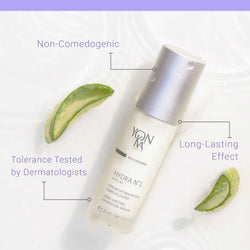
Apply a targeted serum or booster. For chronically dry skin, look for ingredients like hyaluronic acid (a molecule that can hold 1,000 times its weight in water) or ceramides (fats that help repair the skin barrier). Hydra N°1 Serum is specifically designed for dehydrated skin, providing a long-lasting moisture infusion.
Step 5: Seal the Barrier
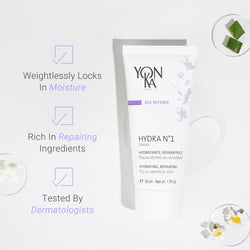
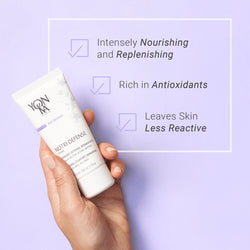
Finish with a nourishing moisturizer. This acts as a protective seal. Hydra N°1 Crème or Nutri + Booster mixed into your cream can provide the lipids necessary to prevent those dry flakes from returning.
Key Takeaway: Exfoliation should always be a three-part process: gentle removal of dead cells, immediate rehydration with a mist, and sealing with a lipid-rich moisturizer to prevent future flaking.
Understanding the Difference Between Dry and Dehydrated Skin
A common mistake when trying to get dry skin off the face is misidentifying the skin type. While they look similar, "dry" and "dehydrated" skin require different solutions.
- Dry Skin: This is a skin type. Your skin lacks oil (sebum). It often feels rough, looks flaky, and has very small pores. To treat this, you need oils and emollients like those found in our Serum Omega.
- Dehydrated Skin: This is a skin condition that can happen to any skin type, including oily skin. It means your skin lacks water. It may look dull, show fine lines more easily (crepiness), and feel tight. This requires humectants like hyaluronic acid found in the Dry & Dehydrated Skin collection.
If you exfoliate "dry" skin but don't add oil back, it will stay flaky. If you exfoliate "dehydrated" skin but don't add water back, it will feel even tighter.
| Feature | Dry Skin (Lacks Oil) | Dehydrated Skin (Lacks Water) |
|---|---|---|
| Pore Size | Small, almost invisible | Can be any size (even large) |
| Feel | Rough, itchy | Tight, "paper-thin" |
| Appearance | Constant flaking, redness | Dullness, fine lines, temporary flakes |
| Key Solution | Plant oils, Ceramides, Squalane | Hyaluronic Acid, Aloe Vera, Glycerin |
Common Mistakes to Avoid
In the quest for smooth skin, it is easy to overdo it. Here are the most frequent errors that can lead to more dry patches:
1. Over-exfoliating: More is not better. Exfoliating every day can damage the acid mantle (the skin's protective film). Most skin types only need exfoliation 1 to 3 times per week. If you notice persistent redness or a "shiny" but tight appearance, give your skin a break.
2. Using Hot Water: As tempting as a steaming shower is, hot water is a solvent. It dissolves the very fats (lipids) that hold your skin cells together. Switch to lukewarm water for all facial cleansing.
3. Skipping Moisturizer on Damp Skin: Your moisturizer works best when it can trap existing moisture. After misting with Lotion Yon-Ka PS, apply your cream while your face is still slightly damp to "lock" in that hydration.
4. Neglecting Sun Protection: Many exfoliants, especially AHAs, make your skin more sensitive to the sun. This "new" skin is easily damaged by UV rays, which leads to further dryness and premature aging. Always finish your morning routine with a broad-spectrum SPF.
The Role of Lifestyle in Preventing Flaky Skin
Getting dry skin off your face is a temporary fix if you don't address the environmental and lifestyle factors causing the buildup.
Hydration from Within: While drinking water isn't a "magic cure" for dry skin, chronic dehydration can certainly make your skin look more lackluster. Pair your water intake with water-rich foods like cucumbers and watermelon.
Manage Your Environment: During winter, indoor heating systems create incredibly dry air. Using a humidifier in your bedroom at night can significantly reduce the amount of moisture your skin loses while you sleep, preventing that "tight" feeling in the morning.
Essential Oil Safety: Since many of our formulas, including the Quintessence, contain active essential oils, we always recommend a patch test when introducing a new product to your ritual. Apply a small amount to your inner forearm and wait 24 hours. A slight, fleeting tingling can be a normal sign of the botanicals at work, but any persistent redness means you should reduce frequency or consult our experts.
Advanced Solutions: When to See a Professional
If you have tried gentle exfoliation and consistent moisturizing but your skin remains severely flaky, cracked, or painful, it may be time to seek professional advice. Conditions like seborrheic dermatitis, eczema, or psoriasis can cause significant facial flaking that requires more than just cosmetic intervention.
Furthermore, a professional spa treatment can provide a level of exfoliation and hydration that is difficult to achieve at home. A licensed Yon-Ka esthetician can perform a deep Hydralessence Treatment, which includes professional-grade exfoliation tailored specifically to your skin's sensitivity level. You can use our Spa Locator to find a certified professional near you.
Conclusion
Getting dry skin off your face is a delicate balance of science and ritual. By moving away from harsh scrubs and embracing the phyto-aromatic power of grainless exfoliators and hydrating botanicals, you respect your skin's natural barrier while revealing its inherent glow. Remember that consistency is your greatest ally; a regular routine of gentle cleansing, strategic exfoliation with Gommage Yon-Ka, and deep hydration will yield far better results than any "quick fix."
- Identify whether your skin lacks oil or water to choose the right moisturizer.
- Prioritize grainless or chemical exfoliation over abrasive scrubs.
- Always follow exfoliation with a hydrating mist and a protective cream.
- Protect your newly revealed skin with daily sun care.
If you are unsure which products are best suited for your unique skin concerns, we invite you to take our Skin Diagnosis quiz or explore the Our Ingredients page to learn more about the botanical actives behind our formulas. At Yon-Ka Paris, we remain committed to our 70-year legacy of blending pharmaceutical rigor with the soul of aromatherapy, ensuring every step of your skincare journey is a ritual worth savoring.
FAQ
Can I use a washcloth to get dry skin off my face?
Yes, a soft cotton washcloth can provide very gentle manual exfoliation. Use lukewarm water and move the cloth in small, light circles, but avoid scrubbing vigorously, as this can irritate the skin and cause more redness.
How often should I exfoliate if my skin is very dry?
If your skin is very dry or sensitive, start by exfoliating just once a week with a gentle, grainless product like Gommage Yon-Ka. As your skin barrier becomes stronger and more hydrated, you may be able to increase this to twice a week.
Will exfoliation help my moisturizer work better?
Yes, by removing the "barrier" of dead, dry skin cells, your serums and moisturizers can penetrate more effectively. Without exfoliation, your expensive creams may simply sit on top of dead skin cells rather than reaching the living tissue where they are needed.
Should I exfoliate in the morning or at night?
It depends on the product. Grainless exfoliators are great in the morning to create a smooth surface for makeup. However, chemical exfoliants like glycolic acid are often best used at night, as they can increase sun sensitivity and allow the skin to regenerate while you sleep.