Table of Contents
- Introduction
- Understanding Why Winter Affects Your Skin
- Transitioning to a Gentle Cleansing Ritual
- The Importance of a Phyto-Aromatic Mist
- Deep Hydration with Hyaluronic Acid and Plant Science
- Protecting the Barrier with Essential Lipids
- Refining the Skin with Gentle, Grain-Free Exfoliation
- Targeted Care for the Eyes and Lips
- Overnight Recovery and the Power of Masks
- Lifestyle Adjustments to Support Your Skincare
- A Note on Essential Oil Safety
- Conclusion
- FAQ
Introduction
When the first frost hits and the indoor heating kicks on, your skin is often the first to feel the shift. That familiar sensation of tightness after cleansing or the appearance of dull, flaky patches on your cheeks isn't just a seasonal inconvenience; it is your skin’s way of signaling that its protective barrier is under duress. At Yon-Ka Paris, we believe that winter requires a specialized approach to skincare that prioritizes barrier repair, deep hydration, and botanical nourishment. By transitioning from lightweight summer gels to rich, phyto-aromatic textures, you can maintain a radiant, supple complexion regardless of the temperature outside. This guide explores the environmental causes of seasonal dryness and provides a professional roadmap for restoring your skin’s natural vitality. Through consistent ritual and targeted plant-based ingredients, you can transform your winter skincare routine into a restorative sanctuary for your face.
Quick Answer: Treating dry winter skin requires a shift toward barrier-respecting cleansers, lipid-rich moisturizers, and consistent hydration. Incorporating humectants like hyaluronic acid and protective botanicals helps prevent moisture loss caused by low humidity and indoor heating.
Understanding Why Winter Affects Your Skin
Winter weather presents a unique "stress test" for the human skin barrier. During the colder months, the humidity levels both outdoors and indoors plummet. Because the water content in your epidermis—the outermost layer of your skin—tends to reflect the humidity of the environment around it, dry air acts like a sponge, literally pulling moisture out of your face. This process is known as Trans-Epidermal Water Loss, or TEWL.
To understand why this happens, imagine your skin cells as tiny bricks and the lipids (fats) between them as the mortar. This "brick and mortar" structure keeps hydration in and irritants out. In winter, the cold wind and dry indoor heat strip away these essential lipids, causing the mortar to crumble. When the barrier is compromised, moisture escapes more easily, leading to a complexion that looks rough, feels itchy, and may even develop fine lines that weren't there in the spring.
Furthermore, our lifestyle habits often exacerbate the problem. We tend to take longer, hotter showers to escape the cold, which inadvertently washes away the natural oils our skin desperately needs to stay protected. Recognizing these environmental and behavioral triggers is the first step in learning how to treat dry winter skin on my face with intention and efficacy.
Transitioning to a Gentle Cleansing Ritual
The foundation of winter skincare begins with how you cleanse. Many people continue using the same foaming or gel-based cleansers they used in the humid summer months, not realizing these formulas may be too aggressive for winter-stressed skin. If your face feels "squeaky clean" or tight immediately after washing, your cleanser is likely stripping your natural moisture barrier.
In our professional experience at Yon-Ka, a creamy, milk-based cleanser is the gold standard for winter care. This is why we often recommend Lait Nettoyant. Unlike harsh soaps that use surfactants to break down oils, a cleansing milk uses emulsifiers to gently lift away makeup and impurities while depositing a layer of hydration.
When cleansing in the winter, keep the following tips in mind:
- Use lukewarm water: Hot water can further damage the lipid barrier. Lukewarm water is effective for rinsing without causing thermal stress.
- Avoid physical scrubbing: Your skin is more delicate in the winter. Skip the abrasive sponges or brushes and use your fingertips to massage the cleanser in circular motions.
- Pat, don't rub: When drying your face, use a soft cotton towel and gently pat the skin dry to avoid mechanical irritation.
Key Takeaway: Cleansing should feel like the first step of moisturizing, not a process of subtraction. Switching to a milk-based cleanser helps preserve the delicate balance of your skin’s natural oils during the coldest months.
The Importance of a Phyto-Aromatic Mist
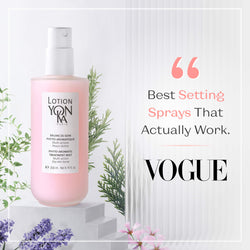
A toning mist is not just an optional "extra" step; it is a critical bridge between cleansing and treating. In the Yon-Ka ritual, our signature mist, Lotion Yon-Ka PS, serves multiple purposes. First, it rebalances the skin's pH after cleansing. Second, it provides an immediate drench of phyto-aromatic hydration.
For those struggling with dry winter skin, Lotion Yon-Ka PS is a staple. It is alcohol-free and enriched with our proprietary Quintessence—an essential oil complex of lavender, geranium, rosemary, cypress, and thyme. This complex doesn't just provide a sensorial, spa-like experience; it helps to revitalize the skin’s appearance and prepare the epidermis to better absorb the serums and creams that follow.
Think of your skin like a dry sponge. If you pour a heavy cream onto a dry, stiff sponge, the cream sits on top. If the sponge is slightly damp, it absorbs the product instantly. By misting your face before applying your moisturizer, you are ensuring that your active ingredients penetrate deeper and work more efficiently.
Deep Hydration with Hyaluronic Acid and Plant Science
When searching for how to treat dry winter skin on my face, the term "hydration" refers specifically to water content. Even if your skin produces oil, it can still be dehydrated (lacking water). One of the most effective ways to address this is through the use of humectants, which are ingredients that attract and bind water molecules to the skin.
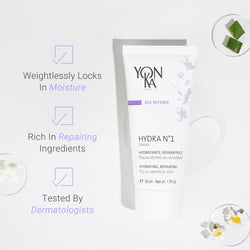
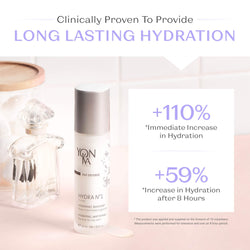
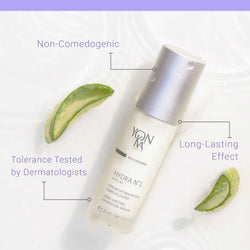
Hyaluronic acid is the most well-known humectant in modern skincare. It can hold up to 1,000 times its weight in water, making it an essential ingredient for plumping the appearance of the skin and smoothing out dehydration lines. Our Hydra n°1 Crème utilizes hyaluronic acid alongside botanical extracts like imperata cylindrica to provide long-lasting moisture.
In addition to hyaluronic acid, look for these botanical powerhouses in your winter products:
- Aloe Vera: Known for its soothing properties and high water content.
- Vegetal Glycerin: A classic humectant that helps draw moisture from the air into the skin.
- Shea Butter: An emollient that fills in the gaps between skin cells to create a smooth, soft surface.
Protecting the Barrier with Essential Lipids
While hydration adds water, nutrition adds oil. For many people, winter dryness is a result of a lack of lipids. This is where "face oils" or "oil-in-serums" become vital. Lipids are the "glue" we mentioned earlier, and without them, any water you put into your skin will simply evaporate.
Our Serum Omega is specifically designed for skin that feels malnourished and thin. It is rich in omega-3, 6, and 9 fatty acids, which help to reinforce the skin’s natural defenses. By applying a lipid-rich serum before your moisturizer, you are effectively "sealing" the hydration in.
Myth: "Oily skin types don't need extra moisture in the winter." Fact: Even oily skin can become dehydrated and barrier-compromised. If you have oily or combination skin, look for lighter textures like Hydra n°1 Fluide, which provides the necessary water and protection without feeling heavy or clogging pores.
Refining the Skin with Gentle, Grain-Free Exfoliation
It may seem counterintuitive to exfoliate skin that feels dry and flaky, but it is a necessary step. When dead skin cells accumulate on the surface, they create a barrier that prevents your moisturizers from penetrating. However, the type of exfoliation you choose is paramount. Harsh physical scrubs with apricot pits or plastic beads can create micro-tears in an already fragile winter barrier.
We recommend a grain-free approach, such as our Gommage Yon-Ka. This unique formula uses citrus extracts and carob to gently lift away dead skin cells through a soft "peeling" action. It is so gentle that it can even be used on the eyelids and lips—two areas that often suffer the most in the winter.
Note: When introducing a new product or a more active exfoliant like Glyconight 10% Masque, we always recommend a patch test on the inner forearm for 24 hours to ensure compatibility with your skin.
Targeted Care for the Eyes and Lips
The skin around the eyes and lips is significantly thinner than the rest of the face. It has fewer oil glands, making it highly susceptible to the "winter itch" and painful cracking.
For the eyes, a product like Phyto-Contour can be a savior. While it is famous for its ability to reduce the look of puffiness and dark circles thanks to its rosemary content, it also provides a protective veil that prevents the dry air from leaching moisture from the delicate eye area.
For the lips, avoid licking them, as saliva contains enzymes that can further irritate the skin. Instead, apply a thick layer of a botanical repair balm multiple times a day. If you find your lips are flaking, you can use a tiny amount of Gommage Yon-Ka to gently smooth the surface before applying your balm.
Overnight Recovery and the Power of Masks
Your skin does its most intensive repair work while you sleep. Nighttime is the perfect opportunity to use "slugging-adjacent" techniques—applying a thicker, more occlusive layer to prevent moisture loss throughout the night.
A high-performance night cream like Élastine Nuit or the premium Excellence Code Creme from our Age Exception collection can provide the intensive nourishment needed to wake up with a soft, recharged complexion.
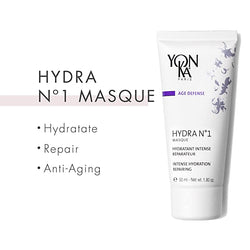
For an extra boost, consider using a hydrating mask as an overnight treatment once or twice a week. Our Hydra n°1 Masque is specifically formulated for this. You can apply a thin layer after your mist and serum, leave it on overnight, and rinse it off in the morning. This "moisture cocoon" helps to deeply repair the look of the skin barrier while you rest.
Lifestyle Adjustments to Support Your Skincare
Skincare is a holistic endeavor; what you do outside of your bathroom ritual matters just as much as the products you apply. To truly treat dry winter skin, you must address the environment you live in.
- Invest in a humidifier: Maintaining an indoor humidity level of 40% to 60% can significantly reduce the amount of moisture your skin loses to the air. This is especially important in the bedroom where you spend several hours each night.
- Watch your diet: Healthy fats are the building blocks of your skin’s lipids. Incorporate foods rich in Omega-3s, such as salmon, walnuts, flaxseeds, and avocados.
- Stay hydrated: While drinking water isn't a direct "cure" for dry skin, a dehydrated body cannot support a healthy skin barrier. Aim for the standard eight glasses a day, and supplement with herbal teas.
- Sun protection is non-negotiable: UV rays are present even on cloudy winter days, and snow can reflect up to 80% of UV radiation, increasing your exposure. Use a broad-spectrum protection product daily to prevent photoaging and further barrier damage.
A Note on Essential Oil Safety
At Yon-Ka, our formulas are powered by the therapeutic benefits of essential oils and plant extracts. These ingredients are 100% natural and active, which makes them highly effective but also requires mindful application.
When introducing a new phyto-aromatic product into your winter ritual:
- Introduce one product at a time. This allows you to monitor how your skin responds to each new botanical complex.
- Expect a sensorial experience. It is normal to feel a slight, temporary tingling sensation when using products containing our Quintessence or active AHAs. This is often a sign of the botanicals "waking up" the skin's appearance.
- Listen to your skin. If you experience persistent redness, burning, or itching, reduce the frequency of use or discontinue the product. If a severe reaction occurs, such as facial swelling or difficulty breathing, seek urgent medical attention immediately.
Conclusion
Treating dry winter skin is about more than just applying a heavy cream; it is about respecting the delicate biology of your skin and adapting your habits to meet the challenges of the season. By focusing on a ritual that includes gentle cleansing with Lait Nettoyant, rebalancing with Lotion Yon-Ka PS, and deep nourishment with products like Hydra n°1 Crème, you can protect your complexion from the harshest elements.
For over 70 years, Yon-Ka Paris has remained dedicated to the art of phyto-aromatic skincare, blending French pharmaceutical rigor with the profound wisdom of nature. We believe that your skincare routine should be a moment of daily wellness—a ritual that nourishes both your skin and your spirit. If you are unsure which products are right for your specific winter concerns, we invite you to explore Our Ingredients and discover the philosophy behind our botanical formulas. You can also browse the Face Care collection to find the right textures for your routine.
Key Takeaway: Consistency is the most important ingredient in any winter skincare ritual. By layering hydration and protection daily, you provide your skin with the tools it needs to remain resilient and radiant through the spring.
FAQ
Should I change my skincare products every winter?
While you don't necessarily need a completely new wardrobe of products, you should adapt your textures. Most people find that the lightweight lotions that worked in the summer aren't enough to combat winter's low humidity, making it beneficial to switch to richer creams or add a lipid-based booster like Booster Nutri + to your existing moisturizer.
Can I still use retinol or glycolic acid during the winter?
Yes, but you may need to reduce the frequency. Strong actives can be more irritating when the skin barrier is already compromised by cold weather. If your skin feels sensitive, try "buffering" your actives by applying them over a light layer of moisturizer or reducing use to every other night until the skin adjusts.
Is it normal for my skin to look gray or ashy in the winter?
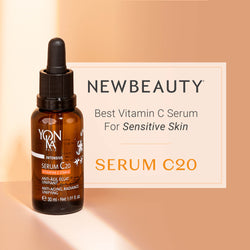
Yes, this is often caused by a buildup of dead skin cells and a lack of surface moisture, which prevents light from reflecting off the skin. Gentle exfoliation with a grain-free peel like Gommage Yon-Ka followed by a brightening antioxidant serum like Serum C20 can help restore a healthy, vibrant glow.
How do I know if my skin is dry or just dehydrated?
Dry skin is a skin type that lacks oil (lipids), often feeling rough and looking flaky all over. Dehydrated skin is a skin condition that lacks water, often feeling tight but still looking oily or prone to breakouts. In winter, many people experience both, which is why a combination of humectants (for water) and emollients (for oil) is the best approach.