Table of Contents
- Introduction
- Understanding the Texture: Why Does Facial Skin Become Rough?
- The Phyto-Aromatic Foundation of Skin Health
- A Daily Ritual for Restoring Smoothness
- The Importance of Non-Abrasive Exfoliation
- Weekly Treatments for Deep Replenishment
- Essential Ingredients to Look For
- Lifestyle Adjustments for Lasting Smoothness
- When to See a Professional
- Conclusion
- FAQ
Introduction
Waking up to a complexion that feels more like sandpaper than silk can be a frustrating experience. When your skin loses its natural suppleness and begins to feel tight, flaky, or visibly uneven, it is sending a clear signal that its protective equilibrium has been disrupted. Treating dry, rough skin on your face is not just about slathering on the thickest cream you can find; it is about adopting a mindful, multi-layered approach that restores moisture, replenishes essential lipids, and gently refines texture. At Yon-Ka Paris, we believe that true skin transformation happens through the fusion of pharmaceutical-grade botanical science and professional-led rituals. This article will explore the biological causes of roughness, how to select the right phyto-aromatic ingredients, and the specific steps you can take to reclaim a smooth, glowing appearance. By understanding your skin’s unique needs, you can move away from temporary "hacks" and toward a sustainable, healthy-aging routine.
Quick Answer: Treating dry, rough skin involves a gentle ritual of cream-based cleansing, alcohol-free toning, and layering humectants like hyaluronic acid with lipid-rich plant oils. Avoid harsh physical scrubs, opting instead for grain-free enzymatic exfoliants to smooth texture without damaging the skin barrier.
Understanding the Texture: Why Does Facial Skin Become Rough?
Roughness is often the visible result of a compromised skin barrier. Our skin’s outermost layer, the stratum corneum, acts as a shield that keeps moisture in and irritants out. When this barrier is healthy, skin cells shed invisibly and evenly. However, when the barrier is weakened, the natural desquamation process—the way our skin sheds dead cells—slows down or becomes erratic. This leads to a buildup of dry, dead cells on the surface, which we perceive as a rough or "crusty" texture.
The distinction between dry skin and dehydrated skin is critical. Dry skin is a skin type that lacks oil (lipids), while dehydrated skin is a temporary condition where the skin lacks water. Roughness is frequently a symptom of both. Without enough oil to "glue" the surface cells together smoothly, and without enough water to keep those cells plump, the skin loses its light-reflecting quality and feels coarse to the touch.
Environmental stressors act as constant aggressors to your skin’s smoothness. Exposure to cold winter air, indoor heating, and low humidity can rapidly evaporate the water from your face. Similarly, unprotected sun exposure causes cumulative damage that thickens the outer layer of the skin, leading to a leathery, rough appearance over time. Identifying these triggers is the first step in a successful treatment plan.
The Phyto-Aromatic Foundation of Skin Health
Botanical active ingredients offer a sophisticated way to address roughness. Unlike synthetic-only formulas that may simply sit on the surface, phyto-aromatic skincare uses the power of plants and essential oils to support the skin’s natural functions. At the heart of our formulations is the Quintessence—a unique complex of five essential oils: lavender, geranium, rosemary, cypress, and thyme. This 100% natural and active blend provides a multi-sensory experience while supporting the appearance of balanced, revitalized skin.
Aromatherapy and phytotherapy work in tandem to improve skin quality. Lavender provides a soothing effect for the appearance of redness, while rosemary can help revitalize the look of tired skin. For those dealing with dry, rough patches, these botanicals help create an environment where the skin can more effectively absorb the moisture-locking ingredients that follow. This holistic approach ensures that you are treating the symptoms of roughness while also addressing the underlying need for balance and restoration.
Key Takeaway: Treating roughness requires a dual-pronged approach that addresses both a lack of water (hydration) and a lack of oil (lipids) while supporting the skin's natural renewal process through botanical actives.
A Daily Ritual for Restoring Smoothness
Consistency is the cornerstone of any skincare transformation. When dealing with rough texture, the goal is to gently guide the skin back to health rather than forcing it with aggressive treatments. A layered ritual ensures that every concern—from cleansing to protection—is addressed with care.
Step 1: Gentle Cleansing with a Lipid-Respecting Formula
The way you wash your face can either heal or harm your skin barrier. Many traditional foaming cleansers use harsh surfactants like SLS that strip away the skin’s natural oils, leaving it feeling tight and looking rougher. If you are struggling with dryness, you should move away from gels and foams in favor of a cleansing milk.
Lait Nettoyant is an ideal choice for those with dry or sensitive skin. This gentle, creamy milk removes makeup and impurities while maintaining the skin's delicate acid mantle. When applying a cleanser, use your fingertips to massage it into the skin with light, circular motions, and always rinse with lukewarm—never hot—water. Hot water can further dissolve the lipids your skin needs to remain smooth.
Step 2: The Vital Role of the Phyto-Aromatic Mist
Toning should never be an afterthought or an "astringent" step. In the professional Yon-Ka method, the misting step is essential for prepping the skin to receive active ingredients. Instead of alcohol-based toners that dehydrate, look for a mist rich in essential oils and plant extracts.
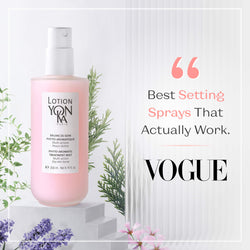
Lotion Yon-Ka PS is specifically formulated for dry and normal skin. This alcohol-free mist contains our signature Quintessence and helps to instantly refresh and soothe the appearance of dry patches. By applying your serum or moisturizer while the skin is still slightly damp from the mist, you "trap" that extra hydration, helping to soften the look of rough texture immediately.
Step 3: Layering Hydration and Lipid Support
Treating roughness requires a two-step "treat" phase. First, you want to introduce humectants—ingredients like hyaluronic acid that pull moisture into the skin. Second, you must provide the lipids that seal that moisture in.
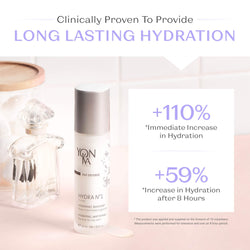
- For Deep Hydration: A serum like Hydra n°1 Serum provides a concentrated dose of long-lasting hydration. It uses different molecular weights of hyaluronic acid to support the appearance of plump, smooth skin at multiple levels.
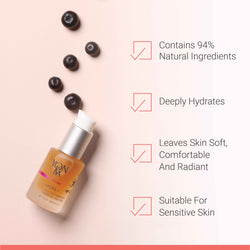
- For Lipid Restoration: If your skin feels rough and lacks glow, it may need a boost of oils. Serum Omega or our Booster Nutri + can be mixed into your cream to provide the essential fatty acids that rough skin desperately needs. These oils act as the "mortar" between your skin cells, smoothing the surface and preventing future water loss.
Step 4: Moisturizing and Protecting the Surface
The final step in your daily ritual is to lock everything in with a high-quality cream. For dry, rough skin, you need a moisturizer that provides both immediate comfort and long-term barrier support.
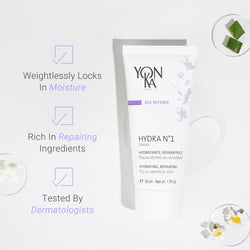
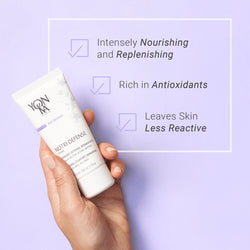
Hydra n°1 Crème is designed specifically for those whose skin feels parched and uncomfortable. It uses shea butter, hazelnut oil, and grape seed oil to deeply nourish the skin’s appearance. For more mature skin that experiences roughness alongside fine lines, the Time Resist range or Excellence Code Crème can provide the advanced support needed to help skin look firmer and more refined.
Note: When introducing new botanical products or essential oils, it is always a sensible practice to perform a patch test on your inner forearm. Wait 24 hours to ensure your skin responds comfortably before applying it to your entire face.
The Importance of Non-Abrasive Exfoliation
It is a common misconception that rough skin needs to be scrubbed. When you see flakes or feel bumps, your first instinct might be to reach for a gritty physical exfoliant. However, aggressive scrubbing can cause micro-tears in the skin barrier, leading to more inflammation and, ironically, more dryness and roughness.
Grain-free exfoliation is the "secret weapon" for a smooth complexion. Instead of using jagged particles to rip away dead skin, professional-grade products like Gommage Yon-Ka use plant-based enzymes and gentle botanicals. This "four-in-one" gel peel clarifies, hydrates, and balances the skin without any friction.
How to use Gommage Yon-Ka for rough skin:
- Apply a thick layer of the gel to your face and neck after cleansing.
- Let it sit for 1 to 2 minutes.
- When it feels slightly dry, use your fingertips to gently "rub" it away in light flakes.
- Rinse away any residue to reveal a visibly brighter, smoother surface.
This method removes the buildup of dead cells that cause roughness while actually adding hydration back into the skin, making it a far superior choice for delicate facial skin.
| Exfoliation Type | Action | Best For |
|---|---|---|
| Physical Scrub | Uses grains or beads to manually remove skin. | Body skin or very oily, non-sensitive skin. |
| Chemical Peel | Uses acids (AHA/BHA) to dissolve cell bonds. | Acne-prone or aging skin (use with caution if dry). |
| Grain-Free Gommage | Uses enzymes and hydration to lift dead cells. | Dry, rough, or sensitive facial skin. |
Weekly Treatments for Deep Replenishment
Rough skin often requires an extra "infusion" of nutrients once or twice a week. A professional-grade mask can provide a higher concentration of active ingredients than a daily moisturizer alone.
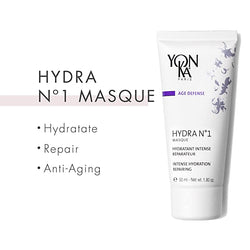
Hydra n°1 Masque is an intensive treatment for skin that feels like it’s in "survival mode." It can be applied for 10-15 minutes or even left on overnight for a deep-repair effect. If your roughness is accompanied by a dull, gray appearance, Glyconight 10% Masque can be used as a nighttime "peel" to encourage cell turnover while you sleep, though it should be introduced gradually to ensure your skin tolerates the glycolic acid well.
A slight tingling sensation can be normal when using active botanicals or acids. This often indicates the ingredients are working. However, if you experience persistent redness, stinging, or heat, you should reduce the frequency of use or consult a skincare professional.
Essential Ingredients to Look For
When reading a label to treat rough skin, specific ingredients stand out for their efficacy.
- Hyaluronic Acid: A powerhouse humectant that can hold up to 1,000 times its weight in water. It helps "fill" the appearance of fine lines caused by dehydration.
- Ceramides: These are lipids naturally found in the skin that help hold the barrier together.
- Shea Butter and Baobab Oil: These are rich emollients that soften the skin’s surface and provide a protective film.
- Aloe Vera: A soothing botanical that provides immediate moisture and helps calm the appearance of irritation.
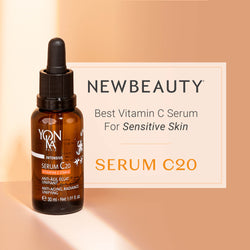
- Vitamin C: Found in products like Serum C20, this antioxidant helps brighten the skin and support a more even texture over time.
Lifestyle Adjustments for Lasting Smoothness
Skincare is a holistic endeavor that extends beyond the bathroom mirror. Your daily habits can significantly impact how your skin feels and looks.
Manage your indoor environment. During the winter months, the air in our homes becomes incredibly dry due to heating systems. Using a humidifier in your bedroom can add much-needed moisture back into the air, preventing your skin from drying out while you sleep.
Prioritize internal hydration and nutrition. While drinking water alone won't "fix" dry skin, staying hydrated supports your body’s overall ability to maintain skin health. Incorporating healthy fats into your diet—such as avocados, walnuts, and olive oil—provides the raw materials your body needs to produce its own natural lipids.
Protect your skin from the elements. Wind and cold are notorious for causing "windburn," which leaves skin rough and red. Always wear a protective day cream and consider a scarf to shield your face in extreme weather. Most importantly, never skip sunscreen. UV damage is a primary cause of skin thickening and roughness, so daily protection is non-negotiable for maintaining a smooth texture.
When to See a Professional
While most cases of rough skin can be managed at home, some require expert intervention. If your skin is persistently red, extremely itchy, or begins to crack and bleed, you may be dealing with a medical condition such as eczema or psoriasis. In these instances, we recommend consulting a dermatologist to rule out any underlying health issues.
For a "next-level" transformation, visit a Yon-Ka professional. Our heritage is rooted in the treatment room, and over 6,000 wellness locations worldwide trust our products. A professional facial can involve deep-cleansing techniques, specialized massages, and high-potency treatments that are difficult to replicate at home. You can find a nearby partner by using the Spa Locator on our website.
Conclusion
Treating dry, rough skin on your face is a journey that requires patience, the right botanical tools, and a consistent ritual. By moving away from harsh scrubs and embracing gentle, phyto-aromatic layers, you can support your skin’s natural ability to heal and smooth itself. Remember that the goal is not a "quick fix," but rather a long-term commitment to skin health. If you are unsure which products are right for your specific needs, we invite you to use our Skin Quiz or Product Matcher to find your perfect fit. Yon-Ka Paris remains dedicated to the belief that skincare is a ritual worth savoring—a daily moment of wellness built on 70 years of French phyto-aromatic expertise and a deep respect for the power of nature.
"True beauty is found in the balance between the science of the plant and the ritual of the care. When we treat the skin with respect, it rewards us with a lasting glow."
- Start with a gentle milk cleanser to preserve your skin's natural oils.
- Layer hydration and lipids using serums and boosters tailored to your texture.
- Use grain-free exfoliation to smooth the skin without causing irritation.
- Protect your barrier daily with a high-quality moisturizer and broad-spectrum SPF.
FAQ
Why is my face skin so rough even though I moisturize?
Roughness often persists because you may be lacking lipids (oils) rather than just water, or you have a buildup of dead skin cells that prevents your moisturizer from absorbing. Try incorporating a grain-free exfoliant like Gommage Yon-Ka once or twice a week to clear the surface, and add a lipid-rich booster like Nutri + to your cream.
Is it okay to exfoliate dry, rough skin every day?
No, exfoliating every day can over-process the skin and further damage the moisture barrier, leading to increased roughness. For dry or sensitive skin, it is best to exfoliate only one to two times per week using a gentle, non-abrasive formula to ensure you are supporting, not stripping, the skin.
Can cold weather cause my skin to become rough?
Yes, cold air and low humidity strip moisture from the skin, causing it to contract and become brittle, which leads to a rough texture. To combat this, use a richer cream like Hydra n°1 Crème during winter months and consider using a humidifier in your home to maintain moisture levels in the air.
What ingredients should I avoid if my skin is dry and rough?
You should generally avoid products with high concentrations of denatured alcohol, strong synthetic fragrances, and harsh sulfates like SLS, as these can strip the skin of essential lipids. Additionally, be cautious with "scrubs" that contain large, uneven particles like crushed shells or pits, as these can cause micro-tears in a fragile skin barrier.