Table of Contents
- Introduction
- Understanding the Causes of Dry Red Skin
- The Difference Between Dry and Dehydrated Skin
- Essential Ingredients for Soothing and Repair
- The Ideal Ritual for Dry Red Skin
- Common Mistakes to Avoid
- Lifestyle Adjustments for Healthier Skin
- When to Consult a Professional
- Conclusion
- FAQ
Introduction
Waking up to a face that feels tight, looks flaky, and shows visible redness can be more than just a cosmetic frustration; it is often a signal from your skin that its protective barrier is compromised. Whether this sensitivity is triggered by a biting winter wind, an over-enthusiastic exfoliation habit, or an underlying skin condition, the path to comfort lies in a dedicated, soothing ritual. At Yon-Ka Paris, we believe that treating dry, red skin requires a delicate balance of professional-grade botanicals and consistent, gentle care that respects the skin’s natural ecology. In this article, we will explore the common causes of facial redness and dryness, the essential ingredients that support recovery, and a step-by-step phyto-aromatic routine designed to restore your complexion's soft, radiant appearance. Understanding how to calm and hydrate your skin effectively is the first step toward lasting comfort and health. For a broader guide to skin-barrier care, see What to Use for Dry Skin on Face.
Quick Answer: Treating dry red skin requires a multi-step approach focused on repairing the moisture barrier through gentle, non-foaming cleansers, alcohol-free toning mists, and lipid-rich moisturizers. Ingredients like hyaluronic acid, ceramides, and soothing botanicals help reduce the appearance of irritation and lock in essential hydration.
Understanding the Causes of Dry Red Skin
Before you can effectively treat your skin, you must first identify the primary drivers behind the dryness and redness. For many, the culprit is environmental. Low humidity levels, whether from cold outdoor air or indoor heating and air conditioning, pull moisture directly out of the epidermis, leading to a "tight" sensation and visible flaking. When the skin loses too much water—a process known as transepidermal water loss (TEWL)—the protective barrier weakens, making the skin more susceptible to irritants that cause redness. If you are trying to rule out a damaged-barrier routine, our Skin Diagnosis quiz can help you narrow down the best starting point.
Your daily habits may also be contributing to the sensitivity. Washing your face with excessively hot water can strip away the natural oils (sebum) that keep your skin supple. Similarly, using harsh soaps or "foaming" cleansers that contain sodium lauryl sulfate (SLS) can disrupt the skin's delicate pH balance. If you have been using physical scrubs or high-strength chemical exfoliants too frequently, you may have accidentally caused "over-exfoliation," which leaves the skin raw, red, and unable to retain moisture.
Biological factors and underlying conditions often play a significant role. As we age, our skin naturally produces fewer lipids and hyaluronic acid, leading to increased dryness. Furthermore, conditions such as eczema (atopic dermatitis), rosacea, or psoriasis can manifest as persistent red patches and extreme dryness. While a well-crafted skincare ritual can support the appearance of these conditions, it is important to remember that persistent or painful irritation should always be evaluated by a dermatologist or physician to rule out medical concerns.
The Difference Between Dry and Dehydrated Skin
It is a common misconception that "dry" and "dehydrated" are the same thing, but treating them correctly requires different approaches. Dry skin is a skin type characterized by a lack of oil (lipids). People with dry skin have smaller pores and often feel "tight" all over their body. Dehydrated skin, however, is a condition that can affect any skin type, including oily skin. It is characterized by a lack of water and often results from environmental factors or lifestyle choices. If you want to dive deeper into this distinction, our Dry & Dehydrated Skin collection is a helpful next step.
Key Takeaway: Dry skin needs oil-based nourishment to replenish its lipid barrier, while dehydrated skin needs water-binding ingredients to restore its internal moisture levels. Many people experiencing redness suffer from both, requiring a ritual that addresses both oil and water deficiencies.
Essential Ingredients for Soothing and Repair
When the skin is red and dry, the goal is to "calm and collect"—calm the irritation and collect moisture. Not all ingredients are created equal for this task. You should look for "humectants" that draw water into the skin, "emollients" that smooth the surface, and "occlusives" that seal everything in. To better understand the botanical actives behind this approach, visit Our Ingredients.
Hyaluronic Acid: The Moisture Magnet
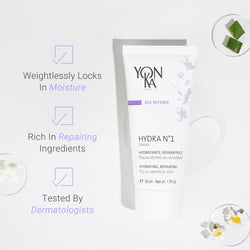
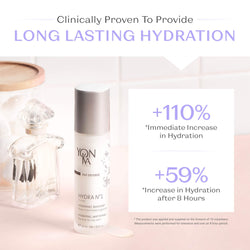
Hyaluronic acid is a naturally occurring molecule in the human body that can hold up to 1,000 times its weight in water. In skincare, it acts as a powerful humectant, pulling moisture from the air and into the deeper layers of the skin. For those with dry red skin, using a product like those in our Hydra n°1 range ensures that the skin stays "plumped" and hydrated, which can significantly reduce the look of fine lines and rough texture.
Ceramides and Essential Fatty Acids
If your skin is the "wall," ceramides are the "mortar" that holds the skin cells (the bricks) together. When you lack ceramides, the wall crumbles, allowing moisture to escape and irritants to enter. Ingredients like Omega 3, 6, and 9 fatty acids—found in high concentrations in our Serum Omega—are vital for repairing this barrier. These lipids help the skin feel softer and appear more resilient against environmental stressors.
The Power of Phyto-Aromatics
Botanical extracts provide a sensorial and efficacious way to address redness. Our signature Quintessence—a unique complex of lavender, geranium, rosemary, cypress, and thyme essential oils—is at the heart of our formulations. These oils are 100% natural and active, working in synergy to balance the skin and provide a sense of well-being. For example, lavender is renowned for its soothing properties, while cypress can help support the appearance of more even-toned skin. You can learn more about this formulation philosophy on Our Story.
The Ideal Ritual for Dry Red Skin
A consistent, layered routine is far more effective for treating dryness and redness than any single "miracle" product. We recommend a ritual-based approach that prioritizes barrier respect and deep hydration.
Step 1: Gentle, Barrier-Respecting Cleansing
The first rule of treating red skin is to stop the cycle of irritation during cleansing. Avoid foaming cleansers that leave your skin feeling "squeaky clean," as this usually means your protective oils have been stripped. Instead, use a milk-based cleanser like Lait Nettoyant. This gentle cleansing milk removes makeup and impurities while maintaining the skin's natural pH. It should be applied with the fingertips in a soft, circular motion and rinsed with lukewarm water—never hot.
Step 2: The Phyto-Aromatic Mist
Never leave your skin "naked" after cleansing; immediately follow with a hydrating mist. Most traditional toners contain alcohol, which is incredibly drying. Our Lotion Yon-Ka PS (specifically for dry skin) is an alcohol-free mist infused with the Quintessence. It serves to rehydrate the epidermis and prepares the skin to better absorb the serums and moisturizers that follow. This step is a cornerstone of the French skincare experience, providing an instant cooling sensation to red, heated skin.
Step 3: Targeted Serum Treatment
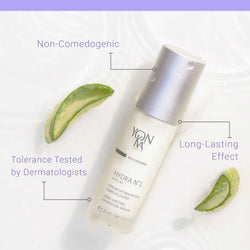
Serums are highly concentrated formulas designed to deliver active ingredients deep into the skin. For extreme dryness and redness, consider Serum Omega. This oil-in-serum is rich in skin-repairing lipids that help to "refloat" the skin's barrier. If your skin feels more dehydrated (lacking water) than dry (lacking oil), Hydra n°1 Serum is the ideal choice. It uses long-lasting hydration technology to ensure the skin remains comfortable throughout the day.
Step 4: Deep Moisturizing
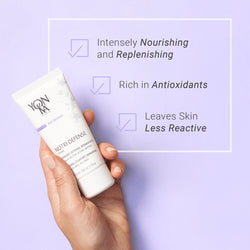
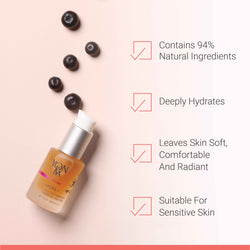
Your moisturizer acts as a protective shield for your skin. For those with a red, dry complexion, a cream that provides both hydration and protection is essential. Hydra n°1 Crème is an excellent option for intensive repair, as it is enriched with hyaluronic acid and shea butter. For a more customized approach, you can add a few drops of Nutri + Booster to your cream. This oil-based booster is packed with antioxidants and nourishing plant oils to give your skin an extra layer of defense against the elements.
Step 5: Weekly Masking
A weekly mask can provide the "intensive care" that dry skin craves. Sensitive Masque can even be used as an overnight treatment. By applying a thicker layer before bed, you allow the skin to drink in the moisture during its natural nighttime repair cycle. You will likely wake up with a significantly more even-toned and hydrated appearance.
Note: When introducing new products to a sensitive or red complexion, we always recommend a patch test. Apply a small amount to your inner forearm and wait 24 hours to ensure your skin welcomes the new botanicals. It is also best to introduce one new product at a time to monitor how your skin responds.
Common Mistakes to Avoid
Even with the best products, certain habits can sabotage your progress in treating dry red skin. One of the most common errors is over-washing. Unless you have been sweating heavily, a simple splash of water or a quick misting of Face Toners & Mists in the morning may be sufficient, saving your full cleanse for the evening to remove the day's pollutants.
Another pitfall is the misuse of exfoliants. When your skin is red and flaky, your instinct might be to "scrub off" the dead skin. However, physical scrubs can create micro-tears in an already weakened barrier. Instead, opt for a grain-free exfoliator like Gommage Yon-Ka. This professional-grade "peel" uses plant-based enzymes to gently lift dead cells without any friction or irritation. It is so gentle it can even be used on the delicate eyelids to reduce the appearance of puffiness.
Finally, do not neglect sun protection. Even on cloudy days, UV rays can exacerbate redness and further dehydrate the skin. Use a broad-spectrum sunscreen daily as the final step in your morning routine. Look for formulas that include antioxidants to provide a secondary layer of protection against environmental pollution.
Lifestyle Adjustments for Healthier Skin
What you do outside of your bathroom also impacts the health of your facial skin. During the winter months, the air in our homes becomes incredibly dry. Using a humidifier in your bedroom can add much-needed moisture back into the air, preventing your skin from dehydrating while you sleep.
Hydration starts from within. While drinking water alone won't "cure" dry skin, chronic dehydration can certainly make your skin look duller and more prone to fine lines. Incorporate healthy fats into your diet, such as avocados, walnuts, and wild-caught fish rich in Omega-3s. These nutrients provide the building blocks your body needs to maintain a strong skin barrier.
Manage your stress levels. There is a strong link between the mind and the skin (aromachology). High stress levels trigger the release of cortisol, which can increase inflammation and exacerbate conditions like redness and sensitivity. Incorporating the sensorial experience of aromatherapy into your evening ritual—such as breathing in the lavender and geranium notes of our Quintessence—can help signal to your body that it is time to rest and repair.
When to Consult a Professional
While a consistent skincare ritual can significantly improve the appearance of dry red skin, some situations require medical expertise. If your skin is persistently red, painful, swelling, or if you notice yellow crusting or oozing, you should consult a physician or dermatologist immediately. These can be signs of an infection or a condition like rosacea that may require prescription-strength topical or oral treatments.
For those looking to take their results to the next level, a professional spa treatment can be transformative. Many of our products were born in the treatment room, and our global network of over 7,000 skincare professionals is trained to analyze your skin and provide customized solutions. A professional "Hydralessence" facial, for example, uses specialized techniques to deeply infuse the skin with moisture in a way that is difficult to replicate at home. You can find a certified partner near you using our Spa Locator.
Conclusion
Treating dry red skin on your face is a journey of patience and consistency. By shifting your focus from "fixing" a problem to "nurturing" a ritual, you allow your skin the space it needs to repair and thrive. Focus on gentle cleansing, deep lipid replenishment, and the soothing power of botanicals like those found in the Yon-Ka collections.
- Prioritize a barrier-respecting routine with milk cleansers and alcohol-free mists.
- Incorporate lipid-rich serums and hyaluronic acid to address both dryness and dehydration.
- Avoid harsh physical scrubs and hot water that strip the skin's natural protection.
- Support your skin with lifestyle choices like humidifiers and a nutrient-dense diet.
If you are unsure which products are right for your specific needs, we invite you to take our Skin Diagnosis quiz or use the Product Matcher on our website. For over 70 years, Yon-Ka Paris has remained dedicated to the belief that skincare is a ritual worth savoring, combining the best of French phyto-aromatic expertise with the pharmaceutical rigor your skin deserves. We are honored to be a part of your path to a calm, radiant, and healthy complexion.
FAQ
Why is my face red and dry even though I use moisturizer?
Your skin may still be red and dry if your moisturizer lacks the specific lipids needed to repair your barrier, or if you are skipping the hydration step. If you apply a heavy cream to dehydrated skin without first using a humectant like Lotion Yon-Ka PS or Hydra n°1 Serum, the moisture cannot reach the deeper layers of the epidermis.
Can I use Vitamin C if my skin is currently red and irritated?
While Vitamin C is excellent for brightening, high concentrations can sometimes be too stimulating for an active "flare-up" of redness. If your skin is currently very sensitive, focus on barrier repair first with Serum Omega before introducing an active treatment like Serum C20 once your skin has calmed down. For more on how vitamin C fits into a dry-skin ritual, see Which Face Serum Is Best for Dry Skin?.
How long does it take for dry red skin to heal?
The skin's natural renewal cycle takes about 28 to 30 days. While you may feel immediate relief after one application of a soothing mask, it usually takes 2 to 4 weeks of a consistent ritual to see a significant reduction in visible redness and a sustained improvement in hydration levels.
Is it okay to exfoliate if my skin is flaky?
You should avoid physical scrubs and harsh acids when your skin is red and flaky, as this can worsen the irritation. Instead, use a very gentle, grain-free enzymatic exfoliator like Gommage Yon-Ka once a week to lift away dead cells without damaging the underlying new skin.