Table of Contents
- Introduction
- Understanding the Root Causes of Facial Peeling
- Immediate Steps to Take When Peeling Occurs
- The Restorative Ritual: A Step-By-Step Approach
- Target Ingredients to Look For (and Avoid)
- Special Care for Sensitive Zones
- Myth vs. Fact: Peeling Skin
- Advanced Recovery: The Masking Ritual
- Lifestyle Habits to Prevent Future Peeling
- The Science of the Quintessence in Barrier Repair
- Conclusion
- FAQ
Introduction
Waking up to see visible flakes or a rough, parchment-like texture on your face can be deeply unsettling. Whether it is a localized patch around the nose or a widespread shedding after too much sun, peeling skin is your body’s way of signaling that the protective moisture barrier has been compromised. At Yon-Ka Paris, we view these moments not as flaws to be hidden, but as a call for a restorative ritual that honors the skin’s natural healing process.
This guide will explore why your skin is peeling, from environmental stressors and product sensitivities to underlying dehydration. We will detail the specific botanical ingredients that help calm inflammation and the professional steps you can take at home to restore a smooth, radiant complexion. By shifting from aggressive "fixes" to a supportive, phyto-aromatic approach, you can treat the immediate irritation and build long-term skin resilience. Learn more about our ingredients and how they support a gentler routine.
Quick Answer: To treat dry peeling skin, immediately stop using harsh exfoliants and active retinoids. Focus on a barrier-repairing ritual involving a gentle milk cleanser, a hydrating mist, and a lipid-rich moisturizer containing ceramides or botanical oils to lock in moisture.
Understanding the Root Causes of Facial Peeling
Before you can effectively treat peeling skin, you must understand what is triggering the shedding. Peeling is the visible evidence of a disrupted stratum corneum—the outermost layer of the skin. When this layer is healthy, skin cells shed invisibly. When it is damaged, they clump together and lift away in flakes.
Environmental Stressors and Seasonal Shifts
The most common culprit for sudden peeling is a change in the environment. Cold winter air holds significantly less moisture than warm air. When you move between the freezing outdoors and the dry, artificial heat of an office or home, your skin undergoes "trans-epidermal water loss" (TEWL). This is a technical term for water evaporating out of your skin into the surrounding dry air. Without enough humidity, the skin becomes brittle and begins to crack and peel.
The Over-Exfoliation Trap
In our quest for a "glow," it is easy to overdo it with active ingredients. Using high concentrations of AHAs (Alpha Hydroxy Acids like glycolic or lactic acid), BHAs (Beta Hydroxy Acids like salicylic acid), or prescription retinoids can accelerate cell turnover too quickly. If the skin’s barrier cannot keep up with this pace, it becomes raw, red, and starts to peel. This is often accompanied by a stinging sensation when applying even basic moisturizers.
Sun Damage and UV Radiation
A sunburn is perhaps the most obvious cause of peeling. UV radiation damages the DNA of skin cells, causing them to die off prematurely. The peeling that follows a sunburn is the body’s way of removing these damaged cells to prevent potential mutations. Even if you don't have a painful red burn, chronic sun exposure can dehydrate the skin enough to cause fine, "crepey" peeling.
Underlying Dehydration vs. Dryness
It is important to distinguish between dry skin and dehydrated skin. Dry skin is a skin type that lacks oil (sebum). Dehydrated skin is a skin condition that lacks water. Both can lead to peeling, but they require slightly different approaches. Dry skin needs lipids and butters to replace missing oils, while dehydrated skin needs humectants—ingredients that attract water—to plump the cells back up.
Immediate Steps to Take When Peeling Occurs
When you first notice peeling, the instinct is often to scrub the flakes away. This is the most common mistake in skincare. Aggressive scrubbing on already compromised skin causes micro-tears and increases inflammation, leading to more peeling.
The "Pause" Protocol
Stop all active ingredients. As soon as your skin starts to peel, put away your retinol, your vitamin C serums, and your exfoliating toners. Your skin is in a state of trauma and needs to focus on repair, not stimulation. Give your skin a 48-to-72-hour "rest period" where you use only the most basic, soothing products.
Adjust Your Water Temperature
Hot water is a solvent; it strips away the very oils your skin is trying to use to repair its barrier. Wash your face with lukewarm or even cool water. This helps to reduce redness and prevents further lipid depletion.
Pat, Don't Rub
After washing, avoid the temptation to rub your face dry with a coarse towel. Instead, use a soft microfiber cloth or a clean cotton towel to gently pat the skin. Leave the skin slightly damp before moving to your next skincare step to help trap that surface moisture.
Key Takeaway: Peeling skin is an "open wound" of sorts for the moisture barrier. Treat it with extreme gentleness—no scrubbing, no hot water, and no harsh acids until the surface is fully intact again.
The Restorative Ritual: A Step-By-Step Approach
Treating peeling skin requires a layered approach. Our professional methodology focuses on respecting the skin’s pH while providing the building blocks it needs to self-repair.
Step 1: Barrier-Respecting Cleansing
Switch from foaming gels to a creamy cleansing milk like Lait Nettoyant. This formula is designed to remove impurities without disrupting the hydro-lipidic film—the thin layer of oil and water that protects your skin. It contains borneol, which is known for its purifying and soothing properties.
Step 2: The Phyto-Aromatic Mist
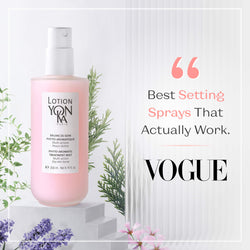
After cleansing, prime the skin with a mist like Lotion Yon-Ka PS. This is not a traditional "astringent" toner; it is a healing water infused with our signature Quintessence. The combination of lavender, geranium, rosemary, cypress, and thyme essential oils helps to balance the skin and prepare it to absorb the treatment products that follow. Misting onto damp skin provides an extra layer of hydration that a cream alone cannot achieve.
Step 3: Deep Hydration Serum
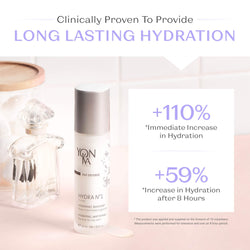
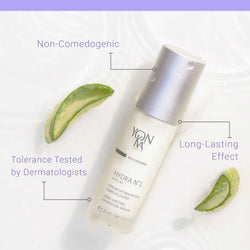
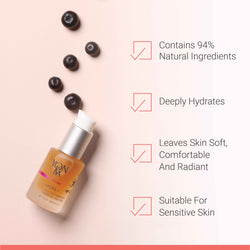
Apply a specialized serum that targets water loss. A product like Hydra N°1 Serum uses two different weights of hyaluronic acid. Hyaluronic acid is a humectant that can hold up to 1,000 times its weight in water, helping to pull moisture deep into the epidermal layers. This "plumps" the skin from the inside out, which can help flatten the appearance of dry flakes.
Step 4: Lipid Replacement and Protection
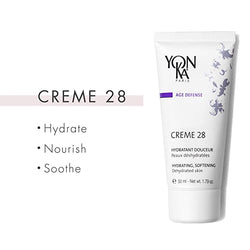
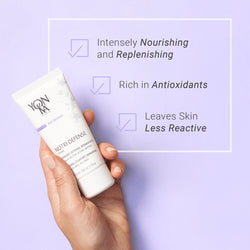
Finally, you must seal everything in with a rich moisturizer. Explore our face moisturizers for a cream that suits your skin state. For peeling skin, a nourishing option can help restore comfort and support the barrier.
Note: When introducing these botanical formulas, we recommend a simple patch test on your inner forearm for 24 hours. While our ingredients are predominantly of natural origin, the high activity of essential oils means it is always best to ensure your unique skin profile is comfortable with the blend.
Target Ingredients to Look For (and Avoid)
When reading labels to treat peeling skin, look for ingredients that mimic the skin’s natural composition.
- Ceramides: These are lipids that make up about 50% of the skin barrier. They are essential for holding skin cells together.
- Squalane: A saturated oil that mimics the skin's natural sebum, providing intense hydration without a greasy feel.
- Aloe Vera: Known for its cooling and anti-inflammatory properties, it is ideal for peeling caused by sunburn or irritation.
- Vegetable Glycerin: A classic humectant that draws moisture from the air into the skin.
Avoid these during a peeling episode:
- Denatured Alcohol: Often found in toners, it evaporates quickly and takes the skin’s moisture with it.
- Synthetic Fragrances: These are a leading cause of contact dermatitis, which can manifest as redness and peeling.
- Coarse Scrubs: Walnut shells or large sugar crystals are too abrasive for a compromised barrier.
Special Care for Sensitive Zones
Peeling often hits specific areas of the face harder than others because the skin thickness varies across different zones.
Around the Nose and Mouth
The skin around the nostrils and the corners of the mouth is incredibly thin and prone to movement. This makes it the first place to show signs of dryness. If you have a cold and are frequently blowing your nose, the physical friction further damages the area. For these zones, consider a "slugging" technique—applying a very thin layer of a dense, occlusive balm over your moisturizer at night to provide a physical shield.
The Delicate Eye Area
The skin around the eyes has very few oil glands. If this area is peeling, it may be due to a reaction to an eye cream or simple dehydration. Our eye and lip contour range is designed for these delicate areas, but when peeling is the primary issue, ensuring you are using a dedicated hydrating eye product is vital.
Myth vs. Fact: Peeling Skin
Myth: You should use a physical scrub to remove the flakes so your moisturizer works better. Fact: Removing flakes prematurely exposes "baby" skin cells that aren't ready for the environment, leading to more inflammation and even potential scarring or dark spots. If discoloration is already a concern, explore our dark spot collection.
Myth: Drinking a gallon of water a day will stop your face from peeling. Fact: While internal hydration is important, it cannot fix a damaged external barrier. You must treat the skin topically to prevent the water you drink from simply evaporating away.
Advanced Recovery: The Masking Ritual
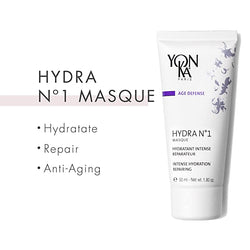
When your skin is in a crisis of peeling, a daily moisturizer might not be enough. This is where an intensive treatment like Hydra N°1 Masque becomes a savior.
The "Rescue Masking" Procedure:
- Cleanse with a gentle milk and mist with a phyto-aromatic lotion.
- Apply a thick, visible layer of a hydrating mask to the entire face.
- Leave it on for 10 to 15 minutes.
- Instead of rinsing with water (which can be drying), tissue off the excess and massage the remaining product into the skin.
- Repeat this 2–3 times a week until the peeling subsides.
For those experiencing extreme dryness, this mask can even be applied in a thin layer and left on overnight as a "sleep mask." This allows the botanical extracts to work alongside your body’s natural nighttime repair cycle.
Lifestyle Habits to Prevent Future Peeling
Treatment is only half the battle; prevention ensures you don't fall back into the cycle of irritation.
- Invest in a Humidifier: Especially during the winter months, keeping the humidity in your bedroom at around 40–50% can make a massive difference in your skin's moisture levels.
- Review Your SPF Habits: UV damage is a silent dehydrator. Use a broad-spectrum protection every single day, even when it is cloudy.
- The "One at a Time" Rule: When introducing new active ingredients like retinol or high-potency Vitamin C, introduce them one at a time. Use them twice a week at first, and only increase frequency if your skin shows no signs of tightness or flaking.
- Professional Consultations: If your peeling is persistent, painful, or accompanied by oozing or crusting, it is time to consult a dermatologist. For aesthetic maintenance, visiting a local spa for a professional Yon-Ka treatment can provide a deep "reset" for your moisture levels. Find a nearby Yon-Ka spa and beauty institute for personalized care.
The Science of the Quintessence in Barrier Repair
At the heart of the Yon-Ka Paris philosophy is the Quintessence. This precise blend of five essential oils does more than just provide a beautiful scent; it serves a functional purpose in skin recovery.
Lavender is renowned for its soothing and regenerating properties, making it ideal for stressed, peeling skin. Geranium offers anti-inflammatory benefits, while Rosemary helps to revitalize the appearance of the complexion. Cypress and Thyme provide purifying and tonifying actions. When these are combined in the correct concentrations, they support the skin’s natural ability to maintain its barrier, ensuring that once you treat the peeling, it stays away. To learn more about the philosophy behind these formulas, visit our brand story.
Conclusion
Treating dry, peeling skin on your face requires a shift from "correcting" to "nurturing." By identifying the triggers—whether they be environmental, chemical, or habitual—and responding with a gentle, ritualistic approach, you can restore your skin's natural suppleness. Focus on lipid-rich cleansers, hydrating mists, and protective creams that reinforce your moisture barrier.
If you are unsure which products are right for your current skin state, we invite you to take our Skin Diagnosis quiz or use our Product Matcher on our website. Every skin journey is unique, and our 70 years of phyto-aromatic expertise are here to help you navigate yours with confidence. You can also explore more skin hydration advice if you want to continue building your routine.
Bottom line: Respect your skin's recovery time. Consistency in a gentle, barrier-focused ritual is the most effective way to eliminate peeling and return to a glowing, healthy-looking complexion.
FAQ
Can I use a face brush or silicone scrubber on peeling skin?
No, you should avoid all mechanical friction, including brushes, scrubs, or even rough washcloths. These can pull away skin that is still attached at a microscopic level, leading to irritation and potential hyperpigmentation. Stick to gentle finger-tip cleansing until the peeling has completely stopped for at least three days.
How long does it take for facial peeling to heal?
For minor issues like mild windburn or product irritation, skin usually heals within 3 to 7 days with proper hydration. However, deep sunburns or severe barrier damage from over-exfoliation can take up to two weeks to fully resolve. If you don't see improvement after a week of dedicated barrier care, consult a dermatologist. For ongoing guidance, review 5 tips to keep your skin hydrated.
Why is my skin peeling even though I use a heavy moisturizer?
If you are using a heavy cream but still peeling, you might be lacking water (dehydration) rather than oil. A heavy cream is often occlusive, meaning it "seals" the surface, but if there is no moisture underneath to seal in, the skin remains brittle. Try adding a hydrating mist or a hyaluronic acid serum under your cream to provide the necessary water.
Is it safe to use makeup over peeling skin?
While it is best to let the skin breathe, you can use makeup if necessary. Avoid matte foundations and powders, which will cling to and highlight the flakes. Instead, use a tinted moisturizer or a blur fluid like Nude Perfect Fluide, and apply it by gently pressing it into the skin with a damp beauty sponge rather than rubbing with a brush.