Table of Contents
- Introduction
- Understanding Why Dry Skin Accumulates
- The Best Methods to Remove Dry Skin from Your Face
- A Phyto-Aromatic Ritual for Dry Skin
- Common Mistakes to Avoid When Addressing Dry Skin
- The Role of Professional Expertise
- Ingredients to Look For (and Avoid)
- Seasonal Adjustments for Dry Skin
- Conclusion
- FAQ
Introduction
Waking up to a complexion that feels tight, rough, or visibly flaky can be a frustrating start to the day. When those stubborn dry patches interfere with your makeup application or leave your skin looking dull, the immediate instinct is to scrub them away. However, the secret to achieving a smooth, luminous glow isn't found in harsh scrubbing, but in a refined balance of gentle exfoliation and deep hydration. At Yon-Ka Paris, we believe that removing dry skin should be a restorative ritual that respects the integrity of your skin barrier. In this article, we will explore the underlying causes of facial dryness, the most effective methods for sloughing away dead cells, and the professional-grade botanical solutions that restore lasting softness. By understanding the science of cellular turnover, you can transform a parched complexion into one that feels supple and revitalized.
Understanding Why Dry Skin Accumulates
Before you can effectively remove dry skin, it is essential to understand why it is there in the first place. Our skin is a dynamic organ that undergoes a natural renewal process roughly every 30 days. During this cycle, new skin cells are born in the deeper layers and travel to the surface, where the older, "dead" cells are meant to shed naturally. This process is known as desquamation.
However, this cycle can be disrupted. When the skin lacks sufficient moisture or lipids, the enzymes responsible for breaking the "glue" that holds dead cells together cannot function properly. Instead of shedding invisibly, these cells clump together, creating the visible flakes and rough texture we recognize as dry skin.
Dry vs. Dehydrated Skin
It is important to distinguish between "dry" skin and "dehydrated" skin, as they require different approaches. For a deeper look at the difference, see our Dry & Dehydrated Skin collection.
- Dry Skin: A skin type characterized by a lack of natural oils (sebum). Without enough oil, the skin cannot maintain its protective barrier, leading to chronic flakiness and a rough feel.
- Dehydrated Skin: A temporary condition where the skin lacks water. This can happen to any skin type—including oily skin—and often results from environmental factors, lifestyle, or using products that are too harsh.
Quick Answer: To remove dry skin effectively, you must combine gentle exfoliation to slough off dead cells with intensive hydration to repair the moisture barrier. Avoid harsh physical scrubs and instead opt for grainless exfoliants or mild alpha hydroxy acids (AHAs).
The Best Methods to Remove Dry Skin from Your Face
There are two primary ways to address the buildup of dead skin: mechanical (physical) and chemical exfoliation. While both can be effective, the key is to choose the method that provides results without causing micro-tears or inflammation.
Mechanical Exfoliation: The Power of Grainless Peels
Many people reach for a physical scrub containing beads or crushed shells when they see flakes. However, these can be too abrasive for the delicate skin on the face, especially if it is already compromised by dryness. At Yon-Ka, we pioneered a gentler approach to mechanical exfoliation with Gommage Yon-Ka.
This unique, grainless botanical peel uses carob and lime extracts to lift dead skin cells without any scrubbing. You apply a thin layer, let it set slightly, and then "roll" it off with your fingertips. This method is incredibly effective for removing dry skin because it respects the skin's surface while providing a brightening effect. It is also safe enough to use on the eyelids and neck, areas where traditional scrubs should never go.
Chemical Exfoliation: AHA and BHA Solutions
Chemical exfoliants use mild acids to dissolve the bonds between dead skin cells, allowing them to wash away easily.
- Alpha Hydroxy Acids (AHAs): Ingredients like lactic acid and glycolic acid are water-soluble and excellent for dry skin. They not only exfoliate but also help improve the skin’s ability to hold onto moisture.
- Beta Hydroxy Acids (BHAs): Salicylic acid is the most common BHA. It is oil-soluble, making it ideal for those who have dry patches but also deal with clogged pores or breakouts.
- Fruit Enzymes: Enzymes from pineapple or papaya offer a very gentle form of chemical exfoliation, making them a great choice for sensitive skin types.
For a deeper overnight treatment, a product like Glyconight 10% Masque utilizes clean glycolic acid to refine the skin's texture while you sleep, revealing a smoother, flake-free surface by morning.
A Phyto-Aromatic Ritual for Dry Skin
Removing dry skin is only the first half of the equation. To prevent the flakes from returning, you must follow a consistent ritual that replenishes what was lost. Our professional-led approach focuses on layering botanical actives to ensure long-term skin health. To learn more about our approach, explore our ingredients and our formulas.
Step 1: Gentle, Barrier-Respecting Cleansing
If you have dry skin, your cleanser should never leave your face feeling "squeaky clean," which is often a sign that your natural oils have been stripped. Lait Nettoyant is a silk-textured cleansing milk that removes makeup and impurities while maintaining the skin's pH and lipid balance. It contains grape seed oil to nourish the skin from the very first step of your routine.
Step 2: The Essential Phyto-Aromatic Mist
After cleansing, preparing the skin is vital. Our signature Lotion Yon-Ka is more than just a toner; it is a phyto-aromatic healing water. Infused with our exclusive Quintessence—a blend of lavender, geranium, rosemary, cypress, and thyme essential oils—it provides an immediate refreshing sensation and helps the skin absorb the treatment products that follow.
Step 3: Targeted Hydration and Repair
Once the dead skin is removed, you must treat the "new" skin underneath. For intense hydration, look to our Dry & Dehydrated Skin collection and our moisturizers.
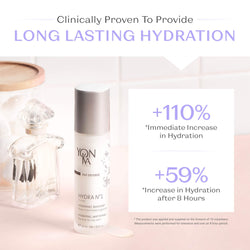
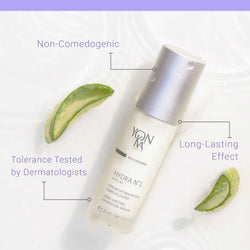
- Hydra n°1 Serum: A long-lasting rehydrating serum that uses two weights of hyaluronic acid to reach different layers of the skin.
- Serum Omega: If your skin is truly dry (lacking oil) rather than just dehydrated, this oil-in-serum provides essential fatty acids from sacha inchi and pomegranate to repair the skin's protective barrier.
Step 4: Moisturize and Seal
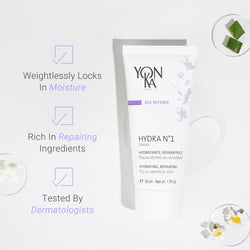
Finish your ritual with a high-performance cream like Hydra n°1 Crème. This provides a protective cocoon of moisture, using shea butter and hazelnut oil to prevent transepidermal water loss (TEWL).
Key Takeaway: Removing dry skin is a two-step process: use a grainless exfoliant like Gommage Yon-Ka to lift dead cells, then immediately follow with a lipid-rich moisturizer to seal the skin barrier and prevent future flaking.
Common Mistakes to Avoid When Addressing Dry Skin
When the face feels rough, it is easy to make mistakes in an attempt to find a "quick fix." Avoiding these common pitfalls will help your skin recover faster.
- Using Hot Water: While a steaming shower feels good, hot water strips the skin of its natural sebum, leading to immediate dehydration. Use lukewarm water for all facial cleansing.
- Over-Exfoliating: More is not always better. Exfoliating too often (more than 2–3 times a week) can damage the skin barrier, leading to redness, sensitivity, and even more dryness.
- Skipping Sunscreen: Freshly exfoliated skin is more sensitive to UV rays. Always protect your skin during the day with a broad-spectrum SPF to prevent further damage and premature aging.
- Ignoring the Environment: Indoor heating and air conditioning act as sponges for moisture. Using a humidifier in your bedroom can significantly reduce the amount of dry skin you wake up with in the morning.
The Role of Professional Expertise
While a home routine is the foundation of healthy skin, professional treatments can offer a "reset" for chronically dry complexions. At a Yon-Ka partner spa, an aesthetician can perform deep hydration treatments that utilize professional-only concentrations of botanical extracts and specialized massage techniques to stimulate circulation and lymphatic drainage. These treatments go beyond surface-level care to revitalize the skin's deeper structures. You can use our Spa Locator to find a certified professional near you.
Note: When introducing new products containing essential oils or active acids, we recommend a patch test on your inner forearm for 24 hours. Introduce one new product at a time to monitor your skin's response. A slight tingling can be normal with active botanicals, but persistent redness means you should reduce frequency.
Ingredients to Look For (and Avoid)
To keep dry skin at bay, you need to become a conscious reader of ingredient labels. Look for "skin-identical" ingredients that mimic the natural components of your skin. To understand how our botanical approach is built, visit our ingredients page.
Look For:
- Hyaluronic Acid: A powerful humectant that can hold up to 1,000 times its weight in water.
- Ceramides and Omegas: Lipids that help rebuild the "mortar" between your skin cells.
- Glycerin: A classic but effective moisture-binder.
- Aloe Vera: To soothe the irritation that often accompanies dryness.
Avoid:
- Drying Alcohols: Often listed as Alcohol Denat or Isopropyl Alcohol, these evaporate quickly and take your skin's moisture with them.
- Harsh Sulfates (SLS): These can strip away the natural oils your skin needs to stay supple.
- Synthetic Fragrances: A common cause of sensitivity in dry or compromised skin.
Seasonal Adjustments for Dry Skin
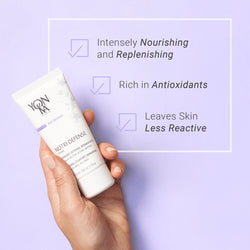
Your skin's needs change with the seasons. In the winter, the lack of humidity and harsh winds require heavier, more emollient creams like Nutri Defense. In the summer, you may prefer a lighter texture, such as Nude Perfect Fluide, which provides hydration along with a blurring effect for a polished complexion.
By adjusting your ritual based on the climate, you can prevent the seasonal "flaky phase" that many people experience. Consistency is the most important factor; a few minutes spent on a thoughtful morning and evening ritual will yield far better results than occasional, aggressive treatments.
| Exfoliation Type | Best For | Yon-Ka Recommendation |
|---|---|---|
| Grainless Peel | Sensitive, Dry, & Dehydrated Skin | Gommage Yon-Ka |
| Chemical Peeling | Dullness, Fine Lines, & Texture | Glyconight 10% Masque |
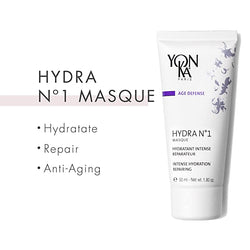
| Hydrating Mask | Immediate Relief for Tightness | Hydra n°1 Masque |
| Lipid Repair | Chronically Dry or Mature Skin | Serum Omega |
Conclusion
Removing dry skin from your face is about more than just aesthetics; it is about restoring the health and function of your skin's vital barrier. By choosing gentle, phyto-aromatic exfoliants and following up with deep, botanical hydration, you can move away from the cycle of flakiness and toward a complexion that looks and feels its best. At Yon-Ka Paris, our 70-year heritage is built on the belief that skincare should be a holistic, sensorial experience that delivers professional results at home. Whether you are using our iconic Quintessence-infused mist or a target serum, you are giving your skin the nutrients it needs to thrive.
If you are unsure which products are right for your specific skin type or concerns, we invite you to take our Skin Diagnosis quiz or use our Product Matcher tool. Your journey to a smoother, more radiant complexion begins with a ritual designed just for you.
FAQ
How often should I exfoliate my face if I have dry skin?
For dry skin, we generally recommend exfoliating 1–2 times per week. Over-exfoliating can strip away the natural oils you are trying to preserve, leading to more irritation; using a gentle, grainless option like Gommage Yon-Ka ensures you remove dead skin without causing damage.
Can I remove dry skin with a washcloth?
While a soft washcloth can provide very mild physical exfoliation, it is often inconsistent and can be too rough if used with too much pressure. A botanical peel or a mild AHA treatment is a more precise and gentle way to ensure even removal of dead skin cells without tugging at the skin.
Why is my skin still flaky even after I moisturize?
If you have a buildup of dead skin cells, your moisturizer may just be sitting on top of those flakes rather than penetrating the living skin. To fix this, you must first gently exfoliate to remove the barrier of dead cells, then apply a hydrating serum and a lipid-rich cream to seal in moisture. For more background, read our Dry vs. Dehydrated Skin article.
When should I see a professional for my dry skin?
If your skin is persistently cracking, bleeding, or showing signs of a medical condition like eczema or psoriasis, it is best to consult a dermatologist. However, for chronic dullness or stubborn dry patches, a professional facial at a Yon-Ka spa can provide a deep "reset" that is difficult to achieve with home products alone. If your cleanser may be part of the problem, see Why Does Face Wash Dry My Skin?.