Table of Contents
- Introduction
- Understanding the Root Causes of Facial Dryness
- Dry Skin vs. Dehydrated Skin: A Critical Distinction
- Ingredients to Look For and Those to Avoid
- Building Your Yon-Ka Ritual for Dry Skin
- Advanced Tips for Stubborn Dry Patches
- Lifestyle Adjustments for Lasting Comfort
- When to Seek Professional Guidance
- Conclusion
- FAQ
Introduction
Finding yourself asking, "How can I help my dry skin on face?" usually happens during a moment of discomfort—perhaps you feel a persistent tightness after cleansing, or you notice flaky patches that refuse to be hidden by makeup. At Yon-Ka Paris, we believe that treating dry skin is not about quick fixes or harsh "hacks," but about restoring the delicate biological harmony of your skin barrier through a dedicated, botanical ritual and our Dry & Dehydrated Skin collection. This guide explores the root causes of facial dryness, the essential ingredients your skin is craving, and how to build a layered routine that transforms a dull, rough complexion into one that looks radiant and feels supple. By understanding the science of hydration and lipid replenishment, you can move beyond temporary relief toward long-term skin health.
Quick Answer: To help dry skin on the face, focus on replenishing both moisture (water) and lipids (oils) by using gentle, non-foaming cleansers, alcohol-free toning mists, and rich moisturizers containing ceramides or botanical oils. Consistently layering hydrating serums under protective creams while avoiding hot water is the most effective way to restore the skin barrier.
Understanding the Root Causes of Facial Dryness
Before we can effectively address dry skin, we must understand why it happens. Dryness is often a sign that your skin's natural protective barrier—the acid mantle and the lipid bilayer—is compromised. When this barrier is weakened, it allows "transepidermal water loss" (TEWL), where moisture evaporates from the skin into the air, leaving the surface parched and vulnerable to irritants.
Biological and genetic factors play a significant role in skin behavior. Some individuals are genetically predisposed to produce less sebum, the natural oil that keeps skin lubricated. As we age, this oil production naturally declines, particularly after the age of 40, which is why many people notice their skin becoming drier and more fragile over time.
Environmental stressors are equally impactful. Cold, windy weather and low-humidity indoor heating can strip the skin of its natural moisture in a matter of hours. Conversely, excessive UV exposure can damage the skin’s structure, leading to a chronically dehydrated appearance and the formation of fine lines. For that reason, our Anti-Aging collection can be a helpful next step when dryness and visible aging concerns overlap.
Lifestyle habits and product choices often inadvertently worsen the condition. Using hot water for face washing, over-exfoliating with harsh scrubs, or applying products with high concentrations of denatured alcohol can dissolve the very lipids your skin needs to remain healthy. Even the chlorine in tap water can contribute to that "tight" feeling after a shower.
Dry Skin vs. Dehydrated Skin: A Critical Distinction
One of the most common misconceptions in skincare is treating all "dryness" the same way. To truly help your skin, you must determine if it is technically "dry" or "dehydrated."
- Dry Skin is a Skin Type: This refers to skin that lacks oil (lipids). It often feels rough, looks flaky, and may be prone to premature aging because it lacks the protective oils that keep the surface smooth and resilient.
- Dehydrated Skin is a Skin Condition: This refers to skin that lacks water. Even oily skin can be dehydrated. It often looks dull, shows fine "crepey" lines when pinched, and feels tight but may still produce oil or experience breakouts.
Most people asking how to help their dry skin are actually dealing with a combination of both. They need lipids to seal the surface and humectants to pull water into the deeper layers.
Key Takeaway: Dry skin lacks oil, while dehydrated skin lacks water. A successful ritual for a parched face must address both by providing rich botanical oils and deep-reaching hydration.
Ingredients to Look For and Those to Avoid
The secret to revitalizing dry skin lies in the formulation of your products. At Yon-Ka, we prioritize ingredients of natural origin that work in synergy with the skin’s own chemistry. To better understand how we choose actives, visit Our Ingredients.
The Powerhouse Hydrators
Hyaluronic Acid is a superstar humectant that can hold up to 1,000 times its weight in water. It acts like a sponge, pulling moisture into the skin to create a plump, dewy appearance. Glycerin and Aloe Vera are also excellent for soothing the initial sting of dryness and providing immediate comfort.
Barrier-Repairing Lipids
Since dry skin lacks oil, you must look for ingredients that mimic the skin’s natural sebum. Squalane, Shea Butter, and Jojoba Oil are highly compatible with human skin. They fill in the "gaps" between skin cells, smoothing out the texture and preventing water from escaping. We also highly value Omega-3, 6, and 9 fatty acids, which are essential for maintaining the integrity of the skin barrier.
The Phyto-Aromatic Advantage
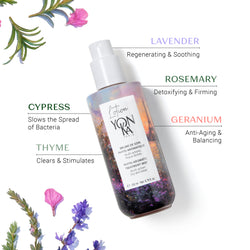
Our signature Quintessence—a blend of Lavender, Geranium, Rosemary, Cypress, and Thyme essential oils—provides more than just a beautiful scent. These oils are 100% active and help to revitalize and balance the skin’s appearance. For example, Lavender is known for its soothing properties, while Rosemary can help the skin appear more toned and firm. That botanical philosophy began in our story since 1954.
Ingredients to Avoid
If your skin is already struggling, our Sensitive Skin & Redness collection can be a gentler place to start. Avoid the following "harsh" components:
- Denatured Alcohol: Often found in toners, it evaporates quickly and takes your skin's moisture with it.
- Sodium Lauryl Sulfate (SLS): A harsh foaming agent that strips away essential lipids.
- Synthetic Fragrances: These are common triggers for irritation, especially when the skin barrier is already compromised.
Building Your Yon-Ka Ritual for Dry Skin
Consistency is the foundation of change. To see a visible improvement in your skin's texture and comfort, we recommend a layered approach that respects the skin’s natural rhythms.
Step 1: Gentle Cleansing
Never use a cleanser that leaves your skin feeling "squeaky clean," as this is a sign you have stripped your natural oils. Instead, choose a creamy, milk-based cleanser like Lait Nettoyant. This gentle formula removes makeup and impurities while respecting the hydrolipidic film. Use lukewarm water only; hot water is a primary enemy of dry skin.
Step 2: Phyto-Aromatic Toning
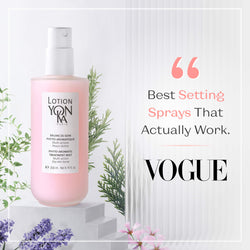
Traditional toners are often avoided by those with dry skin, but a phyto-aromatic mist is different. Lotion Yon-Ka PS is alcohol-free and enriched with the Quintessence. It rehydrates the skin and prepares it to better absorb the serums and creams that follow.
Step 3: Target with a Serum
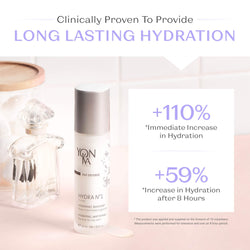
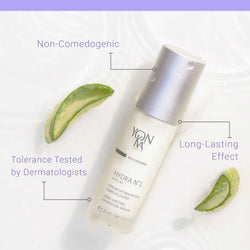
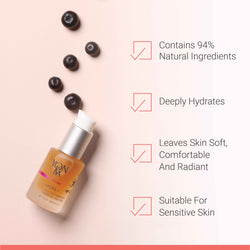
For intense dryness, a serum provides a concentrated dose of actives. Our Hydra N°1 Serum uses long-lasting hydrating agents to reach deeper surface layers. If your skin feels particularly brittle or thin, adding a few drops of Booster Nutri + to your cream can provide a surge of vitamins and nourishing oils.
Step 4: Moisturize and Seal
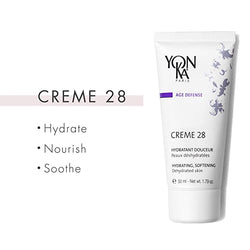
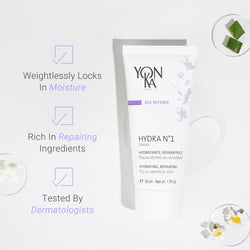
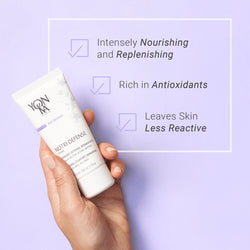
This is the protective "blanket" for your skin. Hydra N°1 Creme is an excellent choice for daily hydration, while Nutri-Defense provides SOS care for very dry or sensitive skin. These formulas ensure that the hydration you’ve just applied stays locked in.
Step 5: Protect
Daytime protection is non-negotiable. Even on cloudy days, UV rays can dehydrate the skin. Applying a moisturizer with antioxidant properties, such as Vital Defense, helps shield the skin from environmental pollutants and oxidative stress that can worsen dryness.
Note: When introducing a new product, we recommend a patch test on your inner forearm for 24 hours. Introduce one new formula at a time to allow your skin to adjust to the active botanical ingredients.
Advanced Tips for Stubborn Dry Patches
Sometimes, standard daily moisturizing isn't enough to combat extreme weather or a severe flare-up of dryness. In these cases, professional-inspired techniques can offer deeper relief.
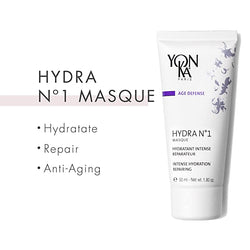
The Overnight "Slumber Mask" Once or twice a week, replace your night cream with a thick layer of a hydrating mask, such as Hydra N°1 Masque. Instead of rinsing it off, allow it to absorb overnight. You will wake up with skin that looks significantly more rested and supple.
Gentle, Grain-Free Exfoliation It is a common myth that you should scrub away dry flakes. In reality, physical scrubs can create micro-tears in a fragile dry skin barrier. Instead, use a "gommage" style exfoliator. Gommage Yon-Ka is a plant-based, grain-free peel that gently lifts away dead cells using citrus extracts and carob, leaving the skin smooth without the irritation of friction.
The Power of Facial Oils For those with true "dry" skin (lacking oil), a facial oil like Serum Omega can be a game-changer. These oils provide the essential fatty acids that the skin cannot produce on its own. Apply it after your serum but before your heavy cream to "seal the deal."
Lifestyle Adjustments for Lasting Comfort
Skincare is a 360-degree endeavor. What you do outside of your bathroom also impacts the health of your facial skin. For more practical guidance, read our How to Treat Dry Skin on Face for Lasting Hydration guide.
- Use a Humidifier: Especially during winter or in desert climates, a humidifier adds moisture back into the air, preventing your skin from acting as the source of humidity for the room.
- Short, Warm Showers: Limit your time in the water to 5–10 minutes and keep the temperature lukewarm.
- Dietary Hydration: While drinking water doesn't "fix" dry skin directly, staying hydrated and consuming healthy fats (like those found in avocados, walnuts, and flaxseeds) supports the skin’s internal structure.
- Soft Fabrics: Avoid wool or synthetic scarves that rub against your face; choose silk or soft cotton to prevent mechanical irritation.
Myth: "Oily skin cannot be dry." Fact: Oily skin can frequently be dehydrated (lacking water). If you strip oily skin with harsh cleansers, it can become tight and flaky while still over-producing oil to compensate, leading to a confusing and uncomfortable cycle.
When to Seek Professional Guidance
While most cases of dry skin can be managed with a consistent Yon-Ka ritual and lifestyle changes, persistent issues may require an expert's eye. If your skin is cracked, bleeding, or accompanied by intense itching that interferes with your sleep, it is time to consult a physician or a dermatologist. Conditions like eczema, rosacea, or psoriasis require medical diagnosis and specialized care.
For those looking to take their hydration to the next level, we highly recommend visiting a partner spa for the Hydralessence treatment, which uses professional-strength formulas and specific massage techniques to deeply infuse the skin with moisture. You can find a professional near you by using our Spa Locator.
Conclusion
Helping your dry skin on the face is a journey of restoration and patience. By shifting from a "quick fix" mindset to a botanical ritual that respects the skin's barrier, you can transform tightness and flakiness into a healthy, luminous glow. At Yon-Ka Paris, we remain committed to the 70-year legacy of the Mühlethaler family, blending pharmaceutical-grade rigor with the profound healing power of plants. Whether you are seeking the deep hydration of our Hydra n°1 range or the nourishing repair of our oil-based boosters, remember that your skincare routine is a ritual worth savoring.
- Focus on the barrier: Always prioritize lipid and water replenishment.
- Gentleness is key: Avoid hot water and harsh, grain-based scrubs.
- Layer your hydration: Use a mist, then a serum, followed by a protective cream.
- Seek expert advice: Use our Skin Diagnosis quiz or visit a Yon-Ka professional for a tailored recommendation.
"The skin is a living organ that reflects our internal and external environment. To truly help dry skin, we must feed it with the botanical nutrients it craves and protect it with the scientific precision it deserves."
For a personalized approach to your unique skin concerns, we invite you to use our online Skin Diagnosis quiz to find the perfect ritual for your lifestyle.
FAQ
How often should I moisturize if my face is very dry?
You should moisturize at least twice a day, every morning and evening. For those with severe dryness, applying a hydrating mist like Lotion Yon-Ka throughout the day or reapplying a thin layer of moisturizer such as Nutri-Defense in the afternoon can provide much-needed relief.
Can I use retinol if I have dry skin on my face?
Yes, but you must be cautious as retinol can increase dryness and peeling. We recommend "buffering" your retinol by applying a hydrating serum or moisturizer first, or mixing it with a nourishing booster like Booster Nutri + to support the skin barrier while the active works.
Why does my face feel dry even after I apply moisturizer?
If your skin still feels tight after moisturizing, you may be using a product that lacks the necessary lipids to seal in the hydration, or you may have a buildup of dead skin cells preventing absorption. Try incorporating a gentle, grain-free exfoliator like Gommage Yon-Ka to clear the way for your moisturizer to work effectively, and explore our Dull Skin collection if dullness is part of the picture.
Is hot water really that bad for dry skin?
Yes, hot water is highly detrimental to dry skin because it effectively "melts" and washes away the natural oils and lipids that make up your skin's protective barrier. Always use lukewarm or cool water when cleansing your face to keep your natural moisture intact.