Table of Contents
- Introduction
- Understanding the Connection: Is It Really Dry Skin?
- The Role of Malassezia and Sebum
- Distinguishing Between Dry Skin and Facial Dandruff
- Common Triggers for Facial Flaking
- The Phyto-Aromatic Approach to Balance
- Building a Ritual for Flaky Facial Skin
- Advanced Care: The Eye and Brow Area
- Practical Tips for Managing Facial Flaking
- When to Seek Professional Advice
- Conclusion
- FAQ
Introduction
Finding persistent, itchy flakes around your eyebrows, nose, or hairline can be deeply frustrating, especially when your most trusted moisturizers seem to have no effect. You may find yourself wondering if the flakes on your scalp have somehow "migrated" or if your skin has suddenly become exceptionally parched. At Yon-Ka Paris, we believe that achieving a clear, comfortable complexion begins with understanding the unique biology of your skin. While it is a common misconception that dandruff itself "causes" dry skin on the face, the two are often symptoms of the same underlying condition: seborrheic dermatitis.
This post will explore the biological connection between your scalp and face, how to distinguish between true dryness and facial dandruff, and the phyto-aromatic rituals that restore balance to a troubled skin barrier. By understanding the root of these flakes, you can choose the right botanical care to reveal a calm, refined, and flake-free appearance.
Understanding the Connection: Is It Really Dry Skin?
When we see flakes, our immediate instinct is to assume the skin is "thirsty" and requires heavy oils to smooth over the rough patches. However, if you are also experiencing dandruff on your scalp, those facial flakes might not be caused by a lack of moisture at all.
Technically, dandruff on the scalp and scaly patches on the face are often two sides of the same coin. This condition typically affects "seborrheic" areas—parts of the body where sebaceous (oil) glands are most active. This includes the scalp, but also the T-zone of the face, the eyebrows, the creases of the nose, and even the ears.
Quick Answer: Dandruff does not technically cause dry skin on the face; however, the same condition responsible for dandruff—seborrheic dermatitis—frequently appears on both the scalp and the face. This can create "greasy" flakes that look like dry skin but actually require specialized, balancing care.
The Role of Malassezia and Sebum
To address why these flakes appear, we must look at the microorganism responsible for both scalp and facial concerns: a yeast-like fungus called Malassezia. This fungus is a normal inhabitant of healthy human skin and feeds on the sebum (natural oils) produced by our pores.
In most people, this yeast lives harmoniously without causing issues. However, for some individuals, the skin reacts with extreme sensitivity to the byproducts of the yeast. When Malassezia breaks down sebum, it leaves behind oleic acid. If your skin barrier is sensitive to this substance, it identifies it as an irritant and responds by accelerating cell turnover. This rapid shedding leads to a buildup of dead skin cells that haven't had time to shed naturally, resulting in the visible, sometimes itchy flakes we associate with dandruff.
Distinguishing Between Dry Skin and Facial Dandruff
It is vital to identify whether you are dealing with genuine dry skin (a lack of oil and moisture) or facial dandruff. Using the wrong approach—such as applying heavy, occlusive oils to a condition fueled by oil—can actually exacerbate the problem.
True Dry Skin (Xerosis)
- Appearance: Fine, white, powdery flakes that look like a dusting of flour.
- Feel: Tightness all over the face, especially immediately after cleansing.
- Location: Usually universal across the face, often appearing most prominent on the cheeks and jawline.
- Pores: Often very small or barely visible.
Facial Dandruff (Seborrheic Dermatitis)
- Appearance: Larger, "greasy" looking scales that may appear yellowish or crusty.
- Feel: Itchy, stinging, or tender, often accompanied by localized redness.
- Location: Targeted areas like the eyebrows, the bridge of the nose, the nasolabial folds (smile lines), and the hairline.
- Pores: Often larger or more visible in the affected "oily" areas.
Key Takeaway: If your "dry" patches are concentrated around the nose and eyebrows and feel itchy rather than just tight, you are likely dealing with facial dandruff rather than simple dehydration.
Common Triggers for Facial Flaking
While the Malassezia yeast is the primary actor, several external and internal factors can cause a "flare-up" of symptoms on the face.
- Seasonal Changes: Cold, dry winter air often depletes the skin's barrier function. When the barrier is weakened, irritants can penetrate more easily, leading to increased redness. Conversely, high humidity can increase sweat and oil production, providing more "fuel" for yeast.
- Stress and Lifestyle: High levels of stress increase cortisol, which can trigger an uptick in oil production. Many people notice their dandruff or facial flaking worsens during busy or difficult periods.
- Harsh Skincare Habits: Using aggressive foaming cleansers or alcohol-based toners can strip the skin's protective mantle. This "over-cleansing" can lead to reactive seborrhea, where the skin produces even more oil to compensate, further feeding the underlying cause of the flakes.
The Phyto-Aromatic Approach to Balance
At Yon-Ka, our philosophy is rooted in the Quintessence—a professional-grade blend of five essential oils: lavender, geranium, rosemary, cypress, and thyme. This complex is particularly well-suited for skin experiencing flaking and imbalance. To learn more about the science behind this signature blend, explore our ingredients page.
Lavender is renowned for its soothing and anti-inflammatory properties, helping to calm the visible redness associated with facial flaking. Rosemary and Thyme possess natural purifying qualities that help maintain a healthy microbial balance on the skin's surface. Cypress and Geranium support the skin’s healing processes and help to balance the look of oil production. By utilizing botanical science, we can address the appearance of facial dandruff without the harshness often found in synthetic, medicated treatments.
Building a Ritual for Flaky Facial Skin
If you are experiencing flakes that mirror your scalp's dandruff, your routine should focus on gentle purification, targeted exfoliation, and barrier-respecting hydration.
Step 1: Respectful Cleansing
Avoid "stripping" the skin with harsh soaps. A cream-based cleanser like Lait Nettoyant is ideal. It removes excess sebum and impurities while respecting the skin's natural hydrolipidic film. This ensures the skin doesn't go into "oil-overdrive" in response to being dried out.
Step 2: The Botanical Mist
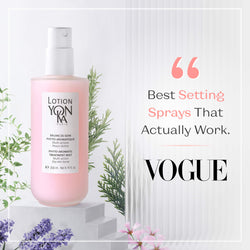
After cleansing, a mist of Lotion Yon-Ka PS is essential. This alcohol-free toner helps to balance the skin and support comfort after cleansing. For those with flaky patches, the rosemary and thyme in the mist help to keep the skin environment balanced and refreshed.
Step 3: Gentle, Grain-Free Exfoliation
This is the most critical step for managing the appearance of facial dandruff. Traditional scrubs with beads or pits can tear at inflamed skin and spread irritation. Instead, we recommend Gommage Yon-Ka.
This is a botanical, grain-free "peel" that uses carob and citrus extracts to gently lift away dead skin cells. You apply a thin layer, let it sit for a few moments, and then gently "roll" it off with your fingertips. This method effectively removes the unsightly flakes without aggravating the sensitive skin underneath. For more guidance on exfoliation, see our skin exfoliation guide.
Step 4: Targeted Hydration
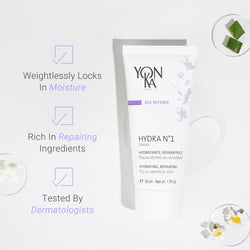
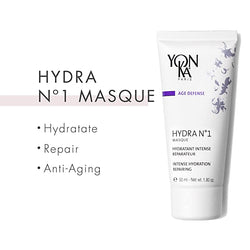
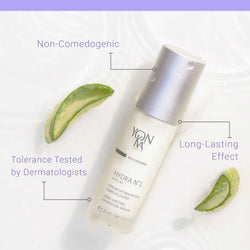
Even if your skin feels oily, you must hydrate. A lack of water (dehydration) can make the skin barrier more permeable to irritants. If you need a richer option, Hydra N°1 Creme provides intense, long-lasting hydration to support the barrier. For a lighter texture, Hydra N°1 Fluid offers a non-greasy finish for skin that feels both oily and dehydrated.
Note: When introducing new products containing essential oils, we recommend a patch test on the inner forearm for 24 hours. Introduce one new product at a time to monitor your skin's response. A slight, fleeting tingling can be normal, but persistent redness or irritation means you should reduce frequency or discontinue use.
Advanced Care: The Eye and Brow Area
Facial dandruff frequently targets the eyebrows and the sensitive skin around the eyes. This area is delicate and requires specialized care that won't migrate into the eyes or cause further puffiness.
Phyto-Contour is a refined eye cream specifically designed to address the appearance of dark circles and puffiness, but its botanical approach also makes it a thoughtful option for the brow area. Gently patting a small amount into the brow bone area during your morning ritual can help keep the skin looking smooth and clear.
Practical Tips for Managing Facial Flaking
Beyond your daily skincare products, small changes in your lifestyle and hygiene habits can significantly reduce the frequency of flare-ups.
- Temperature Matters: Wash your face with lukewarm water. Hot water can strip the skin’s natural lipids and trigger inflammation, while cold water may not effectively remove the excess sebum that feeds the Malassezia yeast.
- Hair Care Hygiene: Sometimes, the heavy oils or silicones in hair conditioners can migrate to the face during sleep or in the shower. Ensure you rinse your face thoroughly after washing your hair.
- Clean Your Tools: If you use makeup brushes or sponges, clean them at least once a week. They can harbor oils and microbes that contribute to skin imbalance.
- Manage Your Stress: Because stress is a known trigger for seborrheic dermatitis, incorporating rituals of relaxation—such as deep breathing or aromatherapy—can have a direct, positive impact on your skin's appearance.
When to Seek Professional Advice
While many cases of facial flaking can be managed with a consistent, botanical ritual, some situations require a more clinical approach. If you notice persistent redness that does not improve, painful cracking or bleeding of the skin, or if the flakes spread to your eyelids and cause swelling, it is important to consult a physician or a dermatologist.
For those looking to take their skin health to the next level, a professional facial can provide deep purification and barrier repair that is difficult to achieve at home. At Yon-Ka, our professional heritage is rooted in the treatment room. You can use our Spa Locator to find a certified professional who can analyze your skin and provide a customized treatment plan.
Bottom line: Facial dandruff is an inflammatory response to a common yeast, not a sign of poor hygiene; balancing the skin's oil and flora is the key to lasting relief.
Conclusion
Navigating the complexities of facial flaking can be a journey of trial and error, but understanding the link between dandruff and your skin's oil production is the first step toward a solution. By shifting your focus from "heavy moisture" to "balanced purification," you can address the root of the flakes while maintaining a healthy, resilient skin barrier.
At Yon-Ka Paris, we remain dedicated to the belief that skincare is a ritual worth savoring. Our formulas, born from 70 years of phyto-aromatic expertise, are designed to work in harmony with your skin’s natural rhythms. Whether you are dealing with occasional seasonal flakes or a more persistent concern, the power of botanical science offers a path toward comfort and radiance.
If you are unsure which products are right for your specific needs, we invite you to take our Skin Diagnosis quiz or use our Product Matcher tool. Discover the ritual that brings your skin back into its most beautiful, balanced state.
FAQ
Can I use dandruff shampoo on my face?
While some people find temporary relief using medicated shampoos as a face wash, these products are formulated for the scalp and can be incredibly drying or irritating to the delicate skin of the face. It is generally better to use a dedicated facial cleanser and a grain-free exfoliator like Gommage Yon-Ka to manage flakes without compromising your skin barrier.
Is facial dandruff contagious?
No, facial dandruff (seborrheic dermatitis) is not contagious. It is an inflammatory reaction to Malassezia, a yeast that is naturally present on everyone's skin, and it cannot be spread from person to person through contact or shared towels.
Why does my skin feel oily and flaky at the same time?
This "oily-yet-dry" sensation is a hallmark of seborrheic dermatitis. The flakes are caused by an inflammatory response to oil-loving yeast, meaning the skin is producing plenty of sebum, but the rapid cell turnover is creating a layer of dead skin on the surface.
Does diet affect facial dandruff?
While diet is rarely the sole cause, some individuals find that high-sugar diets or excessive alcohol consumption can trigger inflammation or increase oil production, which may worsen flare-ups. Maintaining a balanced diet and staying hydrated can support overall skin health and resilience.