Table of Contents
- Introduction
- The Science of Skin Absorption
- When to Apply Your Face Mask to Damp Skin
- When to Apply Your Face Mask to Dry Skin
- The Essential Role of the Phyto-Aromatic Mist
- The Professional Yon-Ka Masking Ritual
- Essential Oil Safety and Sensoriality
- Common Mistakes to Avoid
- The Professional Touch: Beyond the Home Ritual
- Conclusion
- FAQ
Introduction
The ritual of applying a face mask is often the centerpiece of a dedicated self-care evening. There is a specific, sensory delight in the cool touch of a botanical cream or the invigorating scent of essential oils as you prepare your skin for a moment of deep rejuvenation. However, a common question arises in the bathroom mirror: should you apply your treatment to a freshly washed, damp face or a bone-dry surface? At Yon-Ka Paris, we believe that the efficacy of your professional-grade products depends heavily on these subtle application techniques. This article will explore the science of skin absorption, clarify which mask types require damp or dry skin, and explain how to optimize your results using our phyto-aromatic approach. Understanding this nuance ensures your weekly ritual provides the maximum appearance of radiance and health.
The Science of Skin Absorption
To master the art of masking, one must first understand how the skin’s barrier, the stratum corneum, interacts with moisture. This outermost layer of the skin is composed of skin cells held together by lipids, acting as a protective shield against the environment. When we apply a mask, we are introducing concentrated active ingredients that we want to penetrate effectively into the surface layers.
Consider the "sponge analogy." A dry, hardened kitchen sponge often resists liquid when it is first poured on; the water tends to bead on the surface. However, a slightly damp sponge is much more receptive, drawing in new moisture and distributing it evenly through its fibers. Your skin behaves similarly. When the skin is damp, the barrier becomes more permeable, allowing water-soluble ingredients to move more freely.
However, increased permeability is not always the goal. For certain intensive treatments, such as chemical peels or purifying clays, the presence of water can either dilute the formula or cause it to penetrate too aggressively, leading to irritation. The decision of whether to apply a face mask to wet or dry skin is dictated by the specific chemistry of the product and the goal of the treatment.
When to Apply Your Face Mask to Damp Skin
For the majority of hydrating, nourishing, and anti-aging masks, damp skin is the ideal canvas. By leaving the skin slightly moist, you enhance the performance of humectants and emollients that thrive on water.
Hydrating and Cream-Based Masks
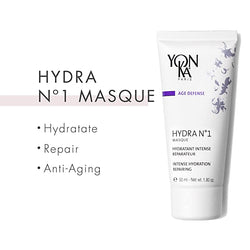
If you are using a deeply moisturizing treatment like Hydra N°1 Masque, applying it to damp skin is essential. This formula relies on high-performance humectants like hyaluronic acid and aloe vera. Humectants work by attracting water and binding it to the skin. If you apply these to a completely dry face in a low-humidity environment, they may struggle to find external moisture to grab onto. By applying the mask to damp skin, you provide an immediate water reservoir that the mask can then seal into the skin’s upper layers.
Anti-Aging and Soothing Treatments
Masks designed to address the appearance of fine lines or skin sensitivity, such as our Excellence Code Masque, also perform beautifully on damp skin. These textures are often richer and more lipid-dense. A damp surface helps these luxurious creams spread more evenly and helps the skin accept the nourishing oils and peptides. This ensures that every inch of the face and neck receives an equal distribution of the active botanicals.
Key Takeaway: Damp skin is the gold standard for hydration. It increases the permeability of the skin barrier, allowing humectants to "anchor" moisture more effectively for a plumper, more dewy appearance.
When to Apply Your Face Mask to Dry Skin
While damp skin is a favorite for moisture, there are critical scenarios where applying a mask to dry skin is necessary for both safety and product performance.
Chemical Exfoliants and Peels
When a mask contains active acids, such as Glycolic Acid, Salicylic Acid, or Alpha Hydroxy Acids (AHAs), it should almost always be applied to dry skin. Water can act as a conductor, causing these potent acids to penetrate the skin too quickly or unevenly. This "flash penetration" can lead to unnecessary stinging, redness, or irritation.
For example, our Glyconight 10% Masque is a high-performance overnight peel. To ensure the 10% glycolic acid works at a controlled, safe pace to refine the skin's appearance, the face must be thoroughly dry. Waiting a minute or two after towel-drying ensures that there are no "hot spots" where water might accelerate the acid's activity.
Grain-Free Exfoliators and Gommage
Unique formulas like Gommage Yon-Ka require a dry surface to function. This legendary 4-in-1 botanical "peel" is grain-free and relies on a specific "rolling" action to lift away dead skin cells. If the skin is wet, the product will simply slide across the surface without the necessary friction to "grab" the debris it is intended to remove. Applying it to dry skin allows the botanical chemistry to interact with the skin's surface, resulting in a polished and clarified look.
Clay and Purifying Masks
Traditional clay masks are designed to absorb excess oil and draw out impurities from the pores. For the clay to properly "grip" the sebum and pollutants, a dry surface is often preferred. If the skin is too wet, the clay may become overly diluted, making it less effective at absorbing the oils that lead to congestion.
The Essential Role of the Phyto-Aromatic Mist
At Yon-Ka, we do not recommend using standard tap water to dampen the skin. Tap water often contains minerals like calcium and chlorine, which can be "hard" on the skin and may even leave a residue that hinders the absorption of your mask. Instead, we utilize the power of a phyto-aromatic mist to prepare the skin.
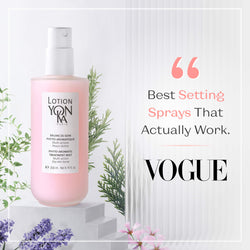
Lotion Yon-Ka PS is our signature mist, infused with the Quintessence—our exclusive complex of lavender, geranium, rosemary, cypress, and thyme essential oils. This mist does more than just wet the skin; it balances the skin's pH and prepares the "terrain" for the treatment to follow.
- For Hydrating Masks: After cleansing, generously mist the face. While the skin is still dewy, apply your mask. This locks in the aromatic water and the active botanicals of the Quintessence.
- For Intensive Masks: Even when applying a mask to dry skin, the mist plays a role later. If a clay mask begins to feel uncomfortably tight or starts to crack, a quick spritz of Lotion Yon-Ka can re-moisturize the formula, keeping the ingredients active without stripping the skin's essential moisture.
The Professional Yon-Ka Masking Ritual
To get the most out of your "wet or dry" knowledge, we recommend following this professional sequence. This method ensures that every layer of product is optimized for the best possible appearance of the skin.
Step 1: Gentle Cleansing
Never apply a mask over makeup or daily sun protection. Use a barrier-respecting cleanser like Lait Nettoyant to remove impurities. This gentle milk ensures the skin is clean without being stripped of its natural protective oils.
Step 2: The Preparation
This is the moment of decision. If you are using an exfoliating mask or a peel, pat the skin completely dry with a clean towel. If you are using a hydrating or firming cream mask, mist the skin with Lotion Yon-Ka until it feels damp and refreshed.
Step 3: Application and Senses
Apply the mask in an even layer, moving from the center of the face outward. Do not forget the neck and décolleté. As the mask sits (usually for 10 to 20 minutes), take advantage of the aromachology benefits. The scents of the Quintessence are designed to promote a sense of well-being and mental clarity.
Step 4: Removal and Protection
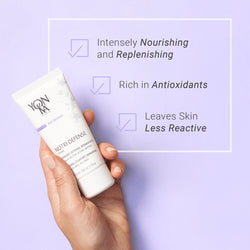
Remove the mask using lukewarm water—never hot, as high temperatures can cause redness. Once the skin is clear, immediately follow with your mist and a moisturizer appropriate for your skin type, such as Vital Defense for antioxidant protection or Phyto 52 for a firmer appearance.
Essential Oil Safety and Sensoriality
Because our formulas are rich in active essential oils and botanicals, we always recommend a sensible approach to new products. Before performing a full face mask treatment, conduct a simple patch test on your inner forearm for 24 hours.
When introducing a new active mask, especially those with exfoliating acids, introduce it once a week to see how your skin responds. A slight, temporary tingling sensation is often normal with active essential oils and acids, but persistent redness or irritation is a sign to rinse the product off and consult your skincare professional.
Note: If you have a history of severe skin reactions or underlying medical skin conditions, it is always best to consult a dermatologist before beginning a new intensive masking routine.
Common Mistakes to Avoid
Even with the right products, certain habits can diminish the results of your masking ritual.
- Letting Clay Masks Crack: A common myth is that a clay mask must be "bone dry" to work. In reality, once a clay mask cracks, it begins to pull essential moisture from your skin barrier. Remove clay masks while they still feel slightly tacky to the touch.
- Applying Over Dead Skin: If you haven't exfoliated recently, your mask ingredients may have to work through a layer of dead skin cells. Using Gommage Yon-Ka once or twice a week ensures your masks have a clear path to the living layers of the skin.
- Skipping the Mist: Applying a hydrating mask to dry skin without a botanical mist is a missed opportunity. The mist provides the "water vehicle" that helps active ingredients travel further.
- Ignoring the Instructions: Every formula is different. Always check the specific directions for the product you are using, as some innovative formulas may have unique application requirements.
The Professional Touch: Beyond the Home Ritual
While home masking is a vital part of skin maintenance, there is no substitute for the expertise of a trained aesthetician. In a professional setting, a skincare expert can analyze your skin's hydration levels and barrier function to determine exactly which treatments you need.
Professional treatments often involve techniques like Lucas Championnière nebulization—a fine, warm mist of botanical water—which prepares the skin for masking in a way that is difficult to replicate at home. If you are looking to take your results to the next level, we encourage you to use our Spa Locator to find a certified professional who uses our phyto-aromatic methods.
Conclusion
Whether you apply a face mask to wet or dry skin depends entirely on the type of treatment you choose. Hydrating and anti-aging cream masks thrive on the damp, permeable surface created by a botanical mist, while exfoliating peels and grain-free gommages require a dry surface for safety and efficacy. By matching your application technique to your product's goals, you transform a simple skincare step into a powerful, professional-level ritual.
At Yon-Ka Paris, we believe that skincare is a ritual worth savoring. Our 70 years of phyto-aromatic expertise are distilled into every bottle, combining the power of plants with pharmaceutical rigor. If you are unsure which mask is right for your unique skin type, we invite you to explore our ingredients philosophy or use our targeted treatments to find your perfect fit.
"Skincare is not just a routine; it is a moment of connection between the science of nature and the well-being of the individual."
Explore our collection of targeted masks and elixirs today, and give your skin the intentional care it deserves.
FAQ
Should I dry my face after washing it before applying a mask?
If you are using a hydrating or nourishing cream mask, you should leave the skin slightly damp or mist it with a botanical toner. If you are using a chemical peel, acid-based exfoliator, or a grain-free gommage, you must pat the skin completely dry to prevent irritation and ensure the product works correctly.
Why do some masks sting if the skin is wet?
Masks containing active acids like Glycolic or Salicylic Acid can penetrate much faster when the skin is wet because water increases the skin's permeability. This rapid absorption can lead to a stinging or burning sensation; therefore, these "active" masks should always be applied to thoroughly dry skin.
Can I mist my face while wearing a mask?
Yes, misting with a product like Lotion Yon-Ka while wearing a clay or cream mask can be very beneficial. For clay masks, it prevents the formula from drying out and cracking, which protects your moisture barrier. For cream masks, it can help the skin continue to absorb the active botanical ingredients.
How often should I use a face mask in my routine?
Most people benefit from masking one to three times per week, depending on their skin's needs. Hydrating masks can often be used more frequently, while intensive exfoliating or purifying masks should generally be limited to once or twice a week to avoid over-stimulating the skin.