Table of Contents
- Introduction
- The Science of the Skin Barrier and Hydration
- Damp vs. Wet: Finding the Golden Mean
- The Phyto-Aromatic Bridge: Lotion Yon-Ka
- A Step-by-Step Ritual for Maximum Absorption
- When to Break the Rules: Applying to Dry Skin
- Moisturizing the Body: The Post-Shower Rule
- Tailoring Application to Your Skin Type
- Common Mistakes to Avoid
- The Yon-Ka Paris Professional Heritage
- Conclusion
- FAQ
Introduction
There is a specific, quiet joy in the moments after a warm shower or a thorough evening cleanse. Your skin feels soft, pliable, and fresh, but as the air begins to dry your face, that familiar tightness often creeps in. This fleeting window of time is more than just a transition; it is the most critical phase of your skincare ritual. One of the most common questions we hear at Yon-Ka Paris is whether you should apply moisturizer to wet or dry skin to capture that elusive, lasting glow. The answer lies in the delicate science of the skin barrier and how botanical actives interact with moisture. This article will explore why damp skin is the superior canvas for hydration, the few exceptions where dry skin is preferred, and how to refine your routine for professional-level results. To achieve the healthiest-looking complexion, understanding the timing of your application is just as important as the formula itself.
Quick Answer: For most people, moisturizer should be applied to damp skin. Applying your cream or oil within a minute of washing helps trap existing water in the skin, enhances product absorption, and prevents transepidermal water loss.
The Science of the Skin Barrier and Hydration
To understand why damp skin is the ideal starting point, we must look at how the skin functions as a barrier. The outermost layer of your skin, the stratum corneum, acts like a shield. When this layer is dry, the skin cells can become rough and slightly upturned, making it difficult for topicals to penetrate deeply.
When your skin is damp, it is essentially in a more permeable state. Think of your skin like a sponge: a dry, brittle sponge will struggle to absorb a thick liquid, but a slightly damp sponge will pull that liquid in immediately. By applying moisturizer to damp skin, you are taking advantage of this increased receptivity.
Understanding Transepidermal Water Loss (TEWL)
Transepidermal water loss, or TEWL, is the process where water evaporates from the inside of the body through the skin and into the atmosphere. This is a natural process, but when the skin barrier is compromised or the air is dry, TEWL accelerates, leading to dehydration, fine lines, and dullness. Moisturizers are designed to slow this process. By applying your cream while water is still present on the skin's surface, you "seal" that water in, providing an immediate boost to the skin's moisture levels.
Humectants, Emollients, and Occlusives
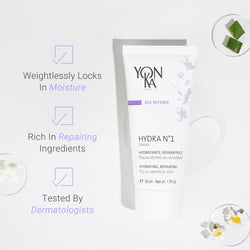
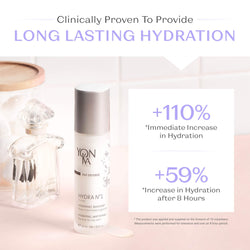
Most high-quality moisturizers, like those in our Hydra N°1 Creme, utilize three types of ingredients to support the skin:
- Humectants: These are ingredients like hyaluronic acid or glycerin that act like magnets, pulling water into the skin.
- Emollients: These are fats and oils that smooth the surface of the skin by filling in the gaps between skin cells.
- Occlusives: These are heavier ingredients that form a protective seal on the surface to prevent water from escaping.
When you apply these ingredients to damp skin, the humectants grab the water on the surface and pull it down, while the occlusives lock it in place.
Damp vs. Wet: Finding the Golden Mean
While damp skin is beneficial, applying product to dripping wet skin can be counterproductive. If your face is sopping wet, the moisturizer may simply slide off the surface or become so diluted that the active ingredients cannot work effectively.
The ideal state is "dewy." After cleansing or showering, you should gently pat your skin with a soft towel—never rub, as this can cause micro-irritation. You want to remove the excess droplets but leave the skin feeling cool and slightly moist to the touch. This is the "Golden Window" for product application.
Key Takeaway: You have roughly sixty seconds after patting your skin dry to apply your next layer. This is often referred to in the professional world as the "three-second rule" or "one-minute rule" to ensure no moisture is lost to the air before it can be sealed in.
The Phyto-Aromatic Bridge: Lotion Yon-Ka
In a professional Yon-Ka ritual, we rarely rely on tap water alone to provide this dampness. Tap water can often be "hard," containing minerals like calcium and magnesium that can actually dry out the skin or leave a film. Instead, we use a botanical mist to prepare the skin.
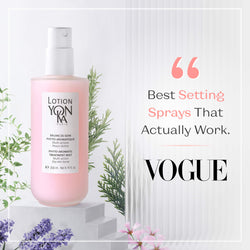
Lotion Yon-Ka PS is our signature phyto-aromatic mist and serves as the essential bridge between cleansing and moisturizing. Whether you use the PS version (for dry skin) or PNG (for normal to oily skin), this mist re-dampens the skin with the power of our Quintessence. This exclusive complex of lavender, geranium, rosemary, cypress, and thyme essential oils does more than just provide moisture; it stabilizes the skin’s pH and enhances the efficacy of every product that follows.
By misting your face before applying a serum or cream, you are ensuring the skin is perfectly damp and receptive to the botanical actives in your routine.
A Step-by-Step Ritual for Maximum Absorption
Applying your products in the correct order while the skin is damp will significantly improve the appearance of your skin's texture and radiance.
- Cleanse: Use a gentle, barrier-respecting cleanser like Lait Nettoyant. This cleansing milk removes impurities while maintaining the skin's lipid balance. Rinse with lukewarm water.
- Mist: Immediately after patting your face (so it is damp, not dripping), spray a generous amount of Lotion Yon-Ka.
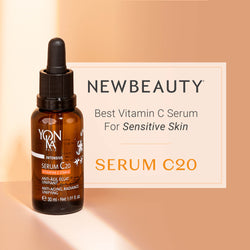
- Treat: While the skin is still wet from the mist, apply your targeted treatment. If you are looking for brightening, a few drops of Serum Vitamine C will glide on more easily and penetrate more effectively on this damp surface.
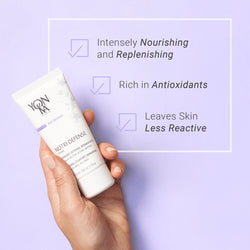
- Moisturize: Apply your moisturizer—such as Hydra N°1 Creme for intense hydration or Time Resist Jour for anti-wrinkle support—directly over the serum and mist. Massage in upward, outward motions.
- Protect: Once your moisturizer has settled, finish with sun protection during the day to shield your freshly hydrated skin from UV damage.
When to Break the Rules: Applying to Dry Skin
While moisture is generally the friend of absorption, there are specific instances where you should apply products to completely dry skin. This is usually the case with highly concentrated "active" ingredients that could cause irritation if they penetrate too quickly or too deeply.
Retinoids and Vitamin A
Retinol and prescription retinoids are powerful tools for the appearance of aging and skin texture. However, they are known to cause redness or flaking if not introduced carefully. Because damp skin increases penetration, applying a retinoid to damp skin can make it too effective, leading to a higher risk of irritation. Most dermatologists recommend waiting 15 to 20 minutes after washing your face before applying a retinoid to ensure the skin is bone-dry.
High-Percentage Chemical Peels
If you are using an at-home peel or a high-concentration Alpha Hydroxy Acid (AHA) product, such as our Glyconight 10% Masque, it is often best to apply it to clean, dry skin. This allows the glycolic acid to work at a controlled rate. Applying acids to wet skin can sometimes cause an unpredictable "stinging" sensation as the water alters the way the acid interacts with the skin's surface.
Spot Treatments
Treatments meant for specific blemishes are often formulated to "sit" on the area and dry it out. Applying these to wet skin can cause the product to run or spread to healthy skin where it isn't needed.
Note: When introducing a new active product or a formula containing essential oils, we always recommend a patch test. Apply a small amount to your inner forearm and wait 24 hours to ensure your skin responds comfortably.
Moisturizing the Body: The Post-Shower Rule
The "damp skin" rule is perhaps even more important for the body than it is for the face. The skin on our limbs has fewer oil glands than the face and is more prone to extreme dryness, especially on the elbows, knees, and shins.
The best time to apply a body treatment, like our Serum Omega or a nourishing body oil, is within three minutes of stepping out of the shower. The steam from the shower helps to soften the skin and open the pores (though technically pores don't "open," the heat makes the sebum more fluid and the skin more pliable). Applying your body moisturizer while the bathroom is still steamy and your skin is warm will result in much softer, smoother-looking skin over time.
Tailoring Application to Your Skin Type
Your skin type may dictate how "damp" you want your skin to be before moisturizing.
Dry and Dehydrated Skin
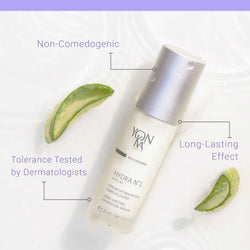
If your skin is naturally dry (lacking oil) or dehydrated (lacking water), you should be very strict with the damp-skin rule. You may even find it helpful to "sandwich" your moisture. This involves misting with Lotion Yon-Ka, applying a hydrating serum like Hydra N°1 Serum, misting again, and then sealing it all in with a rich cream like Hydra N°1 Creme. This layering technique creates multiple reservoirs of moisture.
Oily and Blemish-Prone Skin
Those with oily skin often fear that applying moisturizer to damp skin will feel "greasy." However, oily skin can still be dehydrated. By applying a lightweight, non-comedogenic fluid like Nude Perfect Fluide to damp skin, you can actually help regulate oil production. When the skin is properly hydrated with water, it often produces less excess oil to compensate for dryness.
Sensitive and Redness-Prone Skin
For sensitive skin, the cooling sensation of a mist on damp skin can be very soothing. However, be careful not to use water that is too hot, as heat can trigger redness. Use lukewarm water and gentle patting motions to keep the skin calm during your ritual.
Common Mistakes to Avoid
Even with the best intentions, a few common errors can hinder your results.
- Waiting too long: If you get distracted after your shower and wait 10 minutes to moisturize, your skin has likely already lost significant moisture to the air. If this happens, simply re-mist the skin before proceeding.
- Rubbing with a towel: This creates friction and can damage the delicate skin barrier. Always pat gently.
- Using the wrong temperature: Very hot water strips the skin of its natural oils, making it harder for any moisturizer to do its job. Stick to lukewarm temperatures.
- Over-applying: You don't need a thick layer of product. When skin is damp, a pea-sized amount of a concentrated Yon-Ka cream goes much further than it would on dry skin.
Myth: "Applying moisturizer to wet skin dilutes the product and makes it less effective." Fact: For most hydrating ingredients, water acts as a delivery vehicle, helping the formula spread evenly and penetrate more deeply. It enhances, rather than dilutes, the benefits.
The Yon-Ka Paris Professional Heritage
The tradition of applying products to prepared, damp skin is a hallmark of the professional spa experience. In our partner spas worldwide, estheticians use steam and aromatic compresses to ensure the skin is in its most receptive state before applying our botanical formulas. This attention to detail is why over 7,000 skincare professionals trust our products to deliver visible results.
We believe that your home routine should be an extension of this professional care. By turning a simple step like moisturizing into a mindful ritual—complete with the proper timing and the sensorial experience of our phyto-aromatic mists—you are giving your skin the best possible environment to thrive.
If you are unsure which moisturizer is right for your skin type or concerns, we invite you to use our Spa Locator or the Sensitive Creme line for redness-prone skin. These tools and formulas are designed to help you build a customized ritual that respects your skin's unique needs.
Conclusion
Mastering the art of when to apply your moisturizer is one of the simplest yet most effective ways to elevate your skincare results. By applying your favorite creams and serums to damp skin, you effectively lock in hydration, support your skin’s natural barrier, and maximize the power of every botanical ingredient. This small shift in your daily routine—moving from dry application to a dewy, misted canvas—can lead to skin that looks more radiant, feels more supple, and maintains its comfort throughout the day. At its core, Yon-Ka Paris remains dedicated to the belief that skincare is a ritual worth savoring, rooted in 70 years of phyto-aromatic expertise and a deep respect for the skin's natural harmony.
Bottom line: Unless you are using a potentially irritating active like retinol, always apply your moisturizer to damp skin to seal in hydration and achieve a healthy-looking glow.
- Explore: Discover our collection of targeted moisturizers in the Time Resist treatment and Glyconight 10% Masque routines.
- Ritual: Start your journey with the essential Lotion Yon-Ka to prep your skin for maximum absorption.
- Professional Care: Use our Spa Locator to find a certified Yon-Ka professional near you for a personalized treatment.
FAQ
Is it better to apply moisturizer to wet or dry skin?
For the majority of hydrating products, applying to damp skin is significantly better as it traps moisture and aids absorption. You should only apply to completely dry skin when using certain active treatments, like retinoids or high-strength acids, to minimize the risk of irritation.
How long should I wait after washing my face to apply moisturizer?
You should aim to apply your moisturizer within 60 seconds of washing or misting your face. This "Golden Window" ensures that you seal in the water before it evaporates, which prevents the skin from becoming tight or dehydrated.
Should I apply facial oil to wet or dry skin?
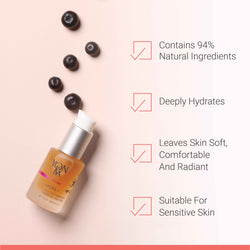
Facial oils, like our Serum Omega, are best applied to damp skin or layered over a water-based moisturizer. Since oils are occlusive, they work by sealing in the moisture beneath them; if applied to bone-dry skin, they may sit on the surface without providing the deep hydration your skin needs.
What happens if I apply moisturizer to bone-dry skin?
When applied to dry skin, a moisturizer may not absorb as deeply and can feel like it is just "sitting" on the surface. Without the presence of water for humectants to grab onto, the product is less effective at truly hydrating the skin, and you may find your skin feeling dry again much sooner.