Table of Contents
- Introduction
- The Science of Sebum and Oily Skin
- Key Ingredients to Look For
- Different Types of Masks for Oily Concerns
- Identifying Your Specific Oily Skin Needs
- How to Incorporate a Mask into Your Yon-Ka Ritual
- The Art of Multi-Masking
- Common Myths About Masking for Oily Skin
- The Professional Advantage
- Seasonal Adjustments for Oily Skin
- Why Quality Ingredients Matter
- Complementary Products for Oily Skin
- Conclusion
- FAQ
Introduction
Managing oily skin often feels like a constant pursuit of balance. While a healthy amount of sebum—the skin's natural oil—is essential for keeping the complexion supple and protected, an overproduction can lead to unwanted shine, enlarged pores, and occasional congestion. Incorporating a targeted face mask into your weekly ritual is one of the most effective ways to refine the skin's appearance and achieve a clear, matte finish. At Yon-Ka Paris, we believe that addressing oiliness shouldn't mean stripping the skin of its vitality. Instead, we focus on botanical synergy to purify and soothe simultaneously. This article will explore how to identify the right ingredients for your skin type and how to use masking to support a healthy, radiant complexion. Understanding the nuance of botanical care is the first step toward lasting skin harmony.
The Science of Sebum and Oily Skin
To choose the right mask, it is helpful to understand why your skin produces excess oil. Sebum is a complex mixture of lipids produced by the sebaceous glands. Its primary job is to waterproof and lubricate the skin and hair. However, factors such as genetics, hormonal fluctuations, humidity, and even stress can send these glands into overdrive.
When too much oil sits on the surface, it can mix with dead skin cells and environmental debris, leading to the appearance of "congested" skin or visible pores. Many people respond to this by using harsh, alcohol-based products that strip the skin entirely. Ironically, this can trigger a "rebound effect," where the skin produces even more oil to compensate for the perceived dryness.
The goal of a high-quality mask for oily skin is to absorb excess surface oils and draw out impurities from the pores without disrupting the moisture barrier—the protective outer layer of your skin. By maintaining this barrier, we ensure the skin stays hydrated and calm, which helps regulate oil production naturally over time.
Key Ingredients to Look For
When evaluating what face mask for oily skin will work best for you, the ingredient list is your most valuable resource. We prioritize plant-based actives and earth-derived minerals that offer high efficacy with a gentle touch.
Purifying Earth Clays
Clay has been used in skincare for centuries due to its incredible absorbent properties.
- Montmorillonite (Green Clay): This is one of the most powerful clays for oily skin. It has a unique molecular structure that allows it to "pull" toxins and excess oils from the skin like a magnet. It is rich in minerals and helps to visibly tighten the appearance of pores.
- Kaolin (White Clay): A milder option that is excellent for those with sensitive yet oily skin. It gently cleanses and exfoliates without causing significant dryness, making it a staple in many purifying formulas.
- Bentonite: Often derived from volcanic ash, this clay is known for its ability to absorb several times its weight in oil and water.
Botanical Balancing Agents
Plants offer a sophisticated way to manage oil. We often look to ingredients like Sage, which is known for its purifying and astringent properties, or Burdock, which helps to soothe and balance the look of breakout-prone skin. These botanicals work alongside clays to ensure the skin feels refreshed and revitalized rather than tight or uncomfortable.
Essential Oils and Aromachology
The use of essential oils is central to our philosophy. Our signature Quintessence—a blend of lavender, geranium, rosemary, cypress, and thyme—provides a multi-dimensional approach. Not only do these oils support the skin’s appearance by acting as natural purifiers, but their aromatic benefits also provide a sense of well-being during your masking ritual.
Quick Answer: The best face mask for oily skin typically features natural clays like Montmorillonite or Kaolin combined with botanical extracts such as sage and citrus. These ingredients work together to absorb excess sebum and clarify pores without stripping the skin's essential moisture.
Different Types of Masks for Oily Concerns
Not all masks for oily skin serve the same purpose. Depending on your specific concerns—whether it’s deep congestion, surface shine, or a dull complexion—you may want to rotate between different types of formulas.
Clarifying Clay Masks
These are the traditional "oil-absorbing" masks. They are usually applied as a thick paste and left to dry for several minutes. As the clay dries, it soaks up sebum. Our Masque 103 is a prime example, utilizing three different types of clay to deeply purify and clarify the skin. It is specifically formulated for oily skin types that need a significant "reset."
Exfoliating Peeling Masks
Sometimes oily skin looks dull because dead skin cells are trapped in the excess oil. A grain-free exfoliator like Gommage Yon-Ka acts as a gentle peel. It uses carob and brown algae to hydrate while sweeping away debris. This "mask-like" exfoliator is unique because it doesn't use harsh scrubs, making it safe for even the most reactive oily skin.
Overnight Peels
For those looking to address texture and oily-skin-related imperfections, an overnight mask containing Alpha Hydroxy Acids (AHAs) can be transformative. Glyconight 10% Masque uses glycolic acid to refine the skin's surface and encourage cell turnover while you sleep. By removing the buildup that clogs pores, it helps keep oily skin looking clear and vibrant.
Identifying Your Specific Oily Skin Needs
"Oily skin" is a broad category, and the best mask for you depends on how your oiliness manifests.
Truly Oily Skin
If your skin is shiny all over, has a thicker texture, and features visible pores across the forehead, nose, and cheeks, you likely have a truly oily skin type. For you, a deep-cleansing clay mask like Masque 103 is a weekly essential. It helps to oxygenate the skin and tighten the appearance of the pores.
Oily but Sensitive
If your skin produces a lot of oil but also turns red easily or feels "tight" after washing, you have oily, sensitive skin. In this case, you need a gentler clay mask. Masque 105 is designed for this profile. It contains the same purifying clays as its counterpart but includes higher concentrations of soothing ingredients to ensure the skin stays calm.
Dehydrated Oily Skin
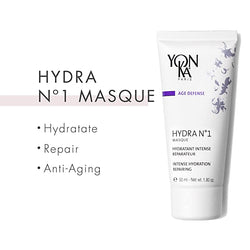
This is a common condition where the skin is oily on the surface but lacks water deep within the layers. This can make the skin look "crinkly" or feel itchy despite the shine. If this describes your skin, you should occasionally swap your clay mask for an intense hydrating mask like Hydra N°1 Masque. Providing the skin with water can actually help reduce the overproduction of oil.
Key Takeaway: Always match your mask to your skin's current state, not just your general skin type. Oily skin that feels tight needs hydration, while oily skin with visible congestion needs deep purification.
How to Incorporate a Mask into Your Yon-Ka Ritual
A face mask is most effective when it is part of a consistent, layered routine. Simply applying a mask to "dirty" skin won't yield the same results as following a dedicated ritual.
Step 1: Gentle Cleansing
Never apply a mask over makeup or daily grime. Start with a gentle cleanser like Lait Nettoyant. This cleansing milk respects the skin's natural pH and removes impurities without triggering the sebaceous glands to produce more oil.
Step 2: Prepare with a Phyto-Aromatic Mist
After cleansing, mist your face with Lotion Yon-Ka PNG. This iconic toner, infused with our Quintessence, helps to prepare the skin to receive the active ingredients in your mask. It also ensures your skin remains damp, which can help some clay masks perform better.
Step 3: Application
Apply your chosen mask in a visible layer over the face and neck. If using a clay mask like Masque 103, pay special attention to the T-zone (forehead, nose, and chin), where oil glands are most active.
Step 4: Relax and Mist
One of the most important tips for clay masking is to not let the mask dry until it cracks. When clay cracks on your skin, it can cause irritation and unnecessary dehydration. Keep a bottle of Lotion Yon-Ka PNG nearby and mist your face occasionally to keep the mask damp and active.
Step 5: Removal and Protection
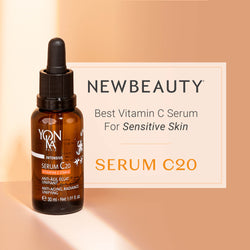
Rinse thoroughly with lukewarm water. Follow up with your targeted treatments, such as Serum C20 for brightening or a lightweight moisturizer like Nude Perfect Fluide, which provides a blurring, matte effect perfect for oily skin.
Note: Before introducing a new mask to your routine, we recommend performing a patch test on your inner forearm for 24 hours. A slight tingling sensation can be normal due to the activity of essential oils and clays, but persistent redness or irritation is a sign to reduce frequency or discontinue use.
The Art of Multi-Masking
Many people struggle with "combination" skin, where the T-zone is oily, but the cheeks are dry or normal. For these individuals, the answer to "what face mask for oily skin" might actually be two different masks used at once.
Multi-masking involves applying different formulas to different zones of the face simultaneously.
- Apply Masque 103 to the forehead, nose, and chin to absorb oil and refine pores.
- Apply Hydra N°1 Masque to the cheeks and neck to provide essential moisture.
This customized approach ensures that every area of your face receives exactly what it needs without over-treating or under-treating specific zones. It is a technique used frequently by professionals in the spa environment to achieve a balanced, harmonious complexion.
Common Myths About Masking for Oily Skin
There is a significant amount of misinformation regarding how to treat oily skin. Let's clarify a few common misconceptions.
Myth: The more a mask "stings," the better it is working. Fact: While some active ingredients can cause a mild, temporary tingle, a burning or stinging sensation usually indicates that the skin's barrier is being compromised. A well-formulated mask should feel active but comfortable.
Myth: You should use an oily skin mask every day to stop the shine. Fact: Over-masking with clay can lead to surface dehydration, which may actually trigger more oil production. For most people, once or twice a week is the "sweet spot" for deep purification.
Myth: Oily skin doesn't need moisturizer after a mask. Fact: Skipping moisturizer after a deep-cleansing mask can leave the skin vulnerable. Use a lightweight, non-comedogenic moisturizer to seal in the benefits of the mask and keep the skin protected.
The Professional Advantage
While home care is the foundation of healthy skin, professional treatments offer a deeper level of care. Our masks were originally born in the treatment room, designed for use by expert estheticians. In a spa setting, a professional can analyze your skin’s oil production levels and use techniques like steam or specialized massage to enhance the mask's efficacy.
If you find that your oily skin is particularly stubborn or you are dealing with significant congestion, visiting a professional for a Yon-Ka Paris treatment can provide a "clean slate" for your home routine. You can use our Spa Locator to find a certified professional near you who can guide you through a customized program.
Seasonal Adjustments for Oily Skin
Your skin's needs change with the environment. During the hot, humid summer months, your oil glands are likely more active, and you might find that you need to use a clarifying mask like Masque 103 twice a week.
In the winter, even oily skin can become "winter-parched" due to indoor heating and cold winds. During this time, you might scale back your clay masking to once a week and prioritize the hydrating benefits of Hydra N°1 Masque. Listening to your skin and observing how it reacts to the weather is key to maintaining balance year-round.
Why Quality Ingredients Matter
In the world of skincare, not all clays or botanicals are created equal. We prioritize ingredients of natural origin, with our formulas averaging 92% naturality. We strictly exclude parabens, phthalates, and SLS, ensuring that your oily skin mask is as clean as it is effective.
By choosing products rooted in 70 years of French phyto-aromatic expertise, you are choosing a philosophy that respects the skin as a living organ. Our goal is not just to "fix" oiliness for an hour, but to support the skin's long-term ability to regulate itself. You can learn more about this approach through Our Story and Our Ingredients.
Complementary Products for Oily Skin
Masking is most effective when the rest of your routine supports your goals. If you are focused on managing oil, consider these additions to your daily ritual:
- Vital Defense: A day cream that protects against pollution, which can often exacerbate the appearance of oily skin.
- Phyto 52: A night cream with rosemary that helps to visibly firm and refine the skin's texture while you sleep.
- Serum Omega: If your oily skin feels depleted or irritated, this oil-in-serum provides essential fatty acids without a heavy, greasy feel.
By layering these targeted products with your weekly masking sessions, you create a comprehensive environment for your skin to thrive. If you want help narrowing down the best fit, try our Skin Diagnosis quiz or explore Our Collections.
Conclusion
Choosing what face mask for oily skin is right for you comes down to understanding the delicate balance between purification and hydration. Whether you choose the deep-cleansing power of Masque 103, the gentle touch of Masque 105, or the refining action of Glyconight 10% Masque, the key is consistency and a respect for your skin's natural barrier.
At Yon-Ka Paris, we invite you to view your skincare not as a chore, but as a ritual—a moment of pause in a busy day where you can reconnect with yourself through the power of botanical science. Our heritage in professional spa care ensures that every product you use at home brings a touch of French expertise to your vanity.
To find your perfect match, consider the following:
- Identify if your skin is truly oily, combination, or dehydrated.
- Look for mineral-rich clays and balancing botanicals like sage and citrus.
- Always follow your mask with a phyto-aromatic mist and a lightweight moisturizer.
If you are still unsure which mask is best for your unique needs, we invite you to take our Skin Diagnosis quiz or use our Product Matcher on our website. Embracing the right ritual is the most effective path to a balanced, radiant, and shine-free complexion.
"Skincare is an act of wellness. When we use the power of nature to balance our skin, we are not just changing how we look, but how we feel in our own skin."
FAQ
How often should I use a face mask for oily skin?
For most oily skin types, using a clarifying mask once or twice a week is ideal. Over-using clay masks can lead to surface dehydration, which might actually trigger the skin to produce more oil to compensate for the dryness.
Can I leave a clay mask on overnight?
No, it is not recommended to leave a clay mask on overnight as it can excessively dry out the skin and cause irritation. Clay masks should typically be left on for 10 to 15 minutes, or until the clay is still slightly damp to the touch, before being rinsed off.
Is it normal for my skin to tingle when using a mask with essential oils?
A slight, temporary tingling sensation can be normal when using masks containing active botanicals and essential oils, like those in the Yon-Ka Quintessence. However, if you experience intense burning, persistent redness, or swelling, you should rinse the product off immediately and consult a professional.
Should I use a mask before or after I shower?
It is often best to use a mask after you shower. The warm steam from the shower helps to soften the debris within your pores, making it easier for the mask to draw out impurities. Just be sure to cleanse your face first to ensure the mask is applied to a clean surface.