Table of Contents
- Introduction
- The Science of the Skin Barrier and the Acid Mantle
- The "Squeaky Clean" Myth: Why Tightness Isn't the Goal
- Indicators That You Are Over-Washing Your Skin
- The Role of Water Temperature and Technique
- Finding Your Ideal Cleansing Frequency
- The Phyto-Aromatic Approach to Cleansing
- Restoring the Barrier: What to Do if Damage is Done
- Common Mistakes to Avoid When Washing
- Why Your Cleanser Choice Matters More Than You Think
- Crafting Your Custom Ritual
- Conclusion
- FAQ
Introduction
There is a unique sense of renewal that comes with a fresh, clean face. That moment at the end of a long day when you sweep away the remnants of the world—pollution, sunscreen, and makeup—feels like a restorative ritual for the soul as much as the skin. We all strive for that healthy, luminous glow, but in our pursuit of purity, it is easy to wonder if we might be overdoing it. Many of us have been taught that "more is better," yet your skin often communicates its discomfort through a tell-tale tightness or a dull, flaky finish. At Yon-Ka Paris, we believe that cleansing should never be a stripping process; rather, it should be the first step in a nurturing, phyto-aromatic approach. This article covers the science of the skin barrier, the signs of over-cleansing, and how to build a balanced ritual that respects your skin’s natural ecosystem.
Quick Answer: Yes, washing your face too much can lead to dry skin by stripping away essential natural oils and disrupting the protective skin barrier. This imbalance leads to moisture loss and increased sensitivity, making a gentle, ritual-based approach essential for maintaining a healthy complexion.
The Science of the Skin Barrier and the Acid Mantle
To understand why washing your face too much can cause dry skin, we must first look at the biology of the skin’s surface. Your skin is a complex, living organ with its own defense system known as the acid mantle. This thin, slightly acidic film sits on top of the outermost layer of the skin and is made up of a delicate mixture of sebum (natural oils), sweat, and skin cells.
The acid mantle serves two primary purposes: it keeps moisture in and harmful bacteria, pollutants, and irritants out. When this mantle is healthy, it typically maintains a pH level of around 4.5 to 5.5. This acidity is crucial because it supports the "good" bacteria that live on your skin while inhibiting the growth of "bad" bacteria. When you wash your face too frequently or use products that are too aggressive, you essentially "scrub away" this vital shield.
Every time you use a cleanser, you interact with this barrier. While the goal is to remove excess oil and debris, many traditional cleansers contain harsh surfactants like Sodium Lauryl Sulfate (SLS). These ingredients are designed to break down fats, but they do not distinguish between the unwanted grime of the day and the essential lipids your skin needs to stay supple. When these lipids are removed, the skin’s "mortar" begins to crumble, leading to Transepidermal Water Loss (TEWL). This is the process where moisture evaporates from the deeper layers of the skin into the air, leaving you feeling parched and uncomfortable.
The "Squeaky Clean" Myth: Why Tightness Isn't the Goal
In the world of skincare, few myths are as persistent—or as damaging—as the idea that skin should feel "squeaky clean" after washing. If you finish your cleansing routine and feel a physical "pull" or tightness when you move your facial muscles, your skin is sending you a distress signal. That sensation is not a sign of purity; it is a sign of dehydration and a compromised barrier.
Tightness is a warning sign. In a professional spa setting, a practitioner looks for "bounce" and "slip" in the skin. When the skin is stripped of its natural oils, it loses its elasticity temporarily. This can lead to a paradoxical situation where those with oily skin types actually produce more oil to compensate for the dryness. This reactive seborrhea occurs because the sebaceous glands go into overdrive to replace the lost moisture, potentially leading to more congestion and breakouts. If that sounds familiar, explore our oily & combination skin collection.
Key Takeaway: Skin should feel soft and comfortable immediately after cleansing. If you feel the need to rush for your moisturizer because your face feels "too small" for your head, your cleanser is likely too harsh, or you are washing too frequently.
Indicators That You Are Over-Washing Your Skin
How do you know if your dryness is caused by the weather, your genetics, or your face-washing habits? Over-cleansing often presents a specific set of symptoms that differ from naturally dry skin. While dry skin is a skin "type" (lacking oil), dehydrated skin is a "condition" (lacking water), and over-washing usually leads to the latter.
Look for these signs in your daily routine:
- Persistent Flakiness: Even if you moisturize heavily, you notice small, dry flakes around the nose, mouth, or chin.
- Redness and Sensitivity: Products that used to feel fine now cause a slight stinging or burning sensation.
- Dullness: Your skin lacks its usual radiance and looks "flat" or grayish.
- Increased Fine Lines: Dehydrated skin shows "crepey" texture and fine lines more easily, especially around the eyes and forehead.
- Sudden Breakouts: A weakened barrier allows bacteria to enter the pores more easily, leading to unexpected blemishes.
If you recognize these signs, it is time to reassess your ritual and explore our dry & dehydrated skin collection. One of the most effective ways to troubleshoot is to introduce a patch test when starting a new, gentler product. Apply it to your inner forearm for 24 hours to ensure your skin is ready for the change.
The Role of Water Temperature and Technique
It is not just how much you wash, but how you wash that matters. The environment in which you cleanse can be just as impactful as the product itself. Many of us are tempted to use hot water, especially during the colder months. However, hot water is a powerful solvent. It melts the skin’s protective waxes and oils much more rapidly than lukewarm water.
Similarly, the way you dry your face can contribute to irritation. Rubbing a rough towel across your face creates mechanical friction that can cause micro-tears in an already weakened barrier. Instead, we recommend using a soft, clean cloth and gently patting the skin dry. Leaving the skin slightly damp before moving to your next step is a professional secret that helps lock in hydration.
A Note on Mechanical Exfoliation
If you are washing your face multiple times a day and using a scrub or a vibrating brush, you are essentially over-cleansing. While exfoliation is a key part of skin renewal, it must be handled with care. For those experiencing dryness, we suggest moving away from abrasive scrubs and toward a gentle, grain-free alternative like Gommage Yon-Ka. This botanical "peel" is designed to remove dead cells without any scratching or irritation, making it ideal for those with a delicate barrier.
Finding Your Ideal Cleansing Frequency
While the general recommendation is to wash your face twice a day, your unique skin needs may dictate a different approach. The American Academy of Dermatology suggests cleansing once in the morning and once at night, plus after heavy sweating. However, there is room for nuance.
Morning Cleansing
If you have very dry or sensitive skin, you may not need a full cleanse in the morning. Overnight, your skin produces beneficial lipids that help protect you during the day. For some, a simple splash of lukewarm water followed by our signature Lotion Yon-Ka PS mist is enough to refresh the skin without stripping it. If you have oily skin, however, a morning cleanse is usually necessary to remove the excess sebum produced while you slept.
Evening Cleansing
The evening cleanse is non-negotiable. Throughout the day, your skin collects a layer of environmental pollutants, dust, sweat, and makeup. If left on the skin, these can oxidize and lead to inflammation or clogged pores. This is the time for a thorough but gentle ritual with a toners and mists collection step to help reset the skin.
Post-Workout
Sweat can irritate the skin if left to sit for too long. If you work out mid-day, a third gentle cleanse may be necessary. In this instance, ensure you are using the mildest formula possible and following up with immediate hydration to prevent the cycle of dryness.
| Skin Type | Recommended Frequency | Recommended Texture |
|---|---|---|
| Dry / Sensitive | 1–2 times daily | Milk or Cream |
| Oily / Combination | 2 times daily | Gel or Light Foam |
| Normal | 2 times daily | Milk or Gel |
The Phyto-Aromatic Approach to Cleansing
Our formulation philosophy centers on "phyto-aromatic" care—the synergy of plant extracts and essential oils. At the heart of our range is the Quintessence. This exclusive complex of five essential oils—lavender, geranium, rosemary, cypress, and thyme—provides a purifying and balancing effect that synthetic cleansers simply cannot replicate. Learn more on our ingredients page.
Lavender provides a soothing touch, while rosemary and thyme offer natural purifying properties that respect the skin's flora. When you use a botanical cleanser, you are not just removing dirt; you are infusing the skin with active ingredients. This is why we prioritize textures that support the skin's lipid layer.
Step 1: The Gentle Cleanse
If your skin feels dry or tight, look to a milk-based cleanser like Lait Nettoyant. It is designed to remove makeup and cleanse without leaving the skin uncomfortable. Its silky texture respects the acid mantle while providing a sensorial experience. For those who prefer a water-rinseable texture but still struggle with dryness, Lait Nettoyant is also a helpful read on why this style of cleanser can feel so comfortable.
Step 2: The Power of the Mist
This is perhaps the most crucial step in preventing post-wash dryness. After rinsing, the skin can be vulnerable. Applying a toner or mist from our toners and mists collection immediately helps to rebalance the skin and "quench" its thirst. This alcohol-free mist is more than a toner; it is a phyto-aromatic treatment that optimizes the absorption of your subsequent serums and moisturizers.
Restoring the Barrier: What to Do if Damage is Done
If you have already over-washed your face and are dealing with redness, flakiness, and discomfort, you need to shift your ritual from "cleansing" to "recovery."
Step 1: Simplify. Put away any harsh actives like high-percentage AHAs, BHAs, or retinols for a few days. Focus on hydration and protection.
Step 2: Choose lipid-rich formulas. Your skin needs the building blocks of its barrier returned to it. Explore our sensitive skin & redness collection if your complexion is feeling reactive. A product like Serum Omega can be incredibly beneficial during this time. It is an oil-in-serum designed to restore lipids and soothe the appearance of irritation.
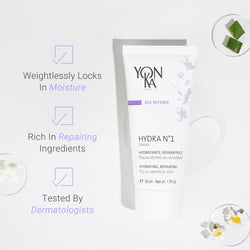
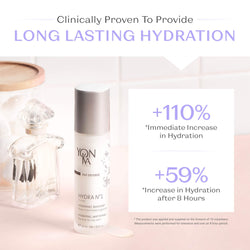
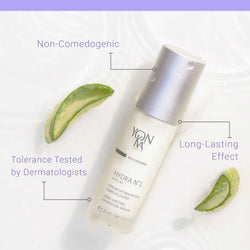
Step 3: Seal in moisture. Use a deeply hydrating moisturizer like Hydra n°1 Crème. This formula uses hyaluronic acid and essential fatty acids to provide long-lasting hydration and help repair the look of a damaged barrier.
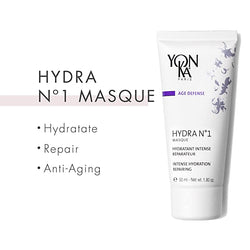
Step 4: Overnight repair. Consider an intensive treatment like Hydra n°1 Masque. You can apply a thick layer once or twice a week, or even use a thin layer as an overnight "sleep mask" to help the skin recover while you rest.
Common Mistakes to Avoid When Washing
Even with the right frequency, small habits can undermine your skin health.
- Using Body Soap: Hand soaps and body washes often have a very high pH (alkaline), which can devastate the acid mantle of the face. Always use a dedicated facial cleanser.
- Over-cleansing the T-Zone: While the nose and forehead may be oilier, avoid scrubbing them harder. Instead, spend a few extra seconds gently massaging the cleanser into those areas with your fingertips.
- Applying Cleanser to Dry Skin: Unless the product specifically instructs you to do so (like a cleansing oil), always wet your face and hands first. This helps to emulsify the product and reduces friction.
- Using Wipes Regularly: Face wipes often contain preservatives to prevent mold growth in the package, and these can be harsh. Furthermore, wipes often just move dirt around rather than removing it. Use them only in emergencies, such as at the gym, and keep a gentle option like Gel Nettoyant on hand.
Why Your Cleanser Choice Matters More Than You Think
A cleanser is the foundation of your entire skincare program. If the first step of your routine causes inflammation or dryness, your serums and moisturizers have to work twice as hard just to get your skin back to baseline. When you choose a cleanser that is pH-balanced and enriched with botanical extracts, you are setting the stage for every other product to perform at its peak.
Our heritage is rooted in professional spa expertise. Over 7,000 skincare professionals worldwide trust us because our formulas were born in the treatment room. We understand that a successful facial begins with a perfect cleanse—one that leaves the skin receptive, calm, and hydrated. This professional-grade approach is what we bring to your bathroom counter every morning and night, and you can learn more on our Spa Treatments page.
Crafting Your Custom Ritual
Skincare is never "one size fits all." Your environment, stress levels, and even the change of seasons can affect how much washing your skin can handle. In the winter, you may find that you need to switch from a gel to a milk cleanser like Lait Nettoyant. In the humid summer months, you might return to a gel texture like Gel Nettoyant.
Listen to your skin. If it feels tight, give it a break. If it looks dull, ensure you are thoroughly removing your evening products. Consistency is key, but so is flexibility. By treating your cleansing step as a moment of intentional care rather than a chore, you can maintain the delicate balance required for a radiant, resilient complexion.
Conclusion
Washing your face is the simplest yet most vital part of your daily routine. While it is essential for removing the impurities of modern life, more is not always better. Over-washing can lead to a compromised barrier, dehydration, and increased sensitivity. By choosing gentle, phyto-aromatic formulas and respecting your skin's natural pH, you can achieve a clean that feels as good as it looks.
- Avoid the "squeaky clean" feeling; aim for soft and supple.
- Use lukewarm water and pat dry with a soft towel.
- Rebalance immediately with a phyto-aromatic mist like Lotion Yon-Ka.
- Choose a cleanser texture based on your skin type and current condition.
"Skincare is a ritual worth savoring, built on the power of plants and a deep respect for the skin’s natural intelligence."
If you are unsure which cleanser is right for your current skin state, we invite you to take our Skin Diagnosis quiz or use our Product Matcher. For a deeper experience, you can find a professional treatment near you by using our Spa Locator. Founded in 1954, Yon-Ka Paris remains committed to the fusion of aromatherapy and pharmaceutical rigor, ensuring your skin receives the highest standard of French phyto-aromatic care.
FAQ
How can I tell if my dry skin is from over-washing or just my skin type?
Dry skin as a "type" usually feels consistently dry all over the body and lacks oil. If your skin feels specifically tight and parched only after cleansing, or if you notice sudden flakiness and redness on your face while the rest of your skin feels fine, you are likely over-washing or using a cleanser that is too harsh for your barrier.
Is it okay to skip washing my face in the morning?
Yes, especially if you have dry, sensitive, or mature skin. Rinsing with lukewarm water and following with a hydrating mist like Lotion Yon-Ka is often enough to refresh the skin without removing the beneficial oils produced overnight. However, you should always perform a thorough cleanse in the evening to remove sunscreen and environmental pollutants.
Does hot water really make a difference in how clean my skin gets?
While hot water may feel like it is "melting" away oil more effectively, it actually damages the skin's protective lipids and can cause broken capillaries. Lukewarm water is the gold standard; it is warm enough to help the cleanser emulsify dirt and makeup without causing thermal shock or excessive dryness to the skin.
Can oily skin become dry from over-washing?
Oily skin can become dehydrated, meaning it lacks water, even if it still has plenty of oil. In fact, over-washing oily skin often triggers "reactive seborrhea," where the skin produces even more oil to compensate for the lack of moisture. This leads to a complexion that feels both oily and tight at the same time, often accompanied by more frequent breakouts.